My Reflections on the 2016 Gramophone Awards (Part V): All The Rest

And All The Rest

After 4 parts on my favorite categories of the 2016 Gramophone Award nominations, I discovered that I simply don’t have enough to say about most albums in the other categories, so I decided to lump all remaining categories (Baroque Instrumental, Choral, Contemporary, Early Music, Opera, Orchestral, Recital, Solo Vocal) into one big “super-post” and only write about the albums I really care about in this remaining sections.

So, here we go:

Baroque Instrumental

Masaaki Suzuki plays Bach Organ Works (BIS 2016)

I must admit, I bought this album initially because I finally wanted to have a well recorded modern version of the Toccata d-minor BWV565, probably Bach’s best known work even for lay people.
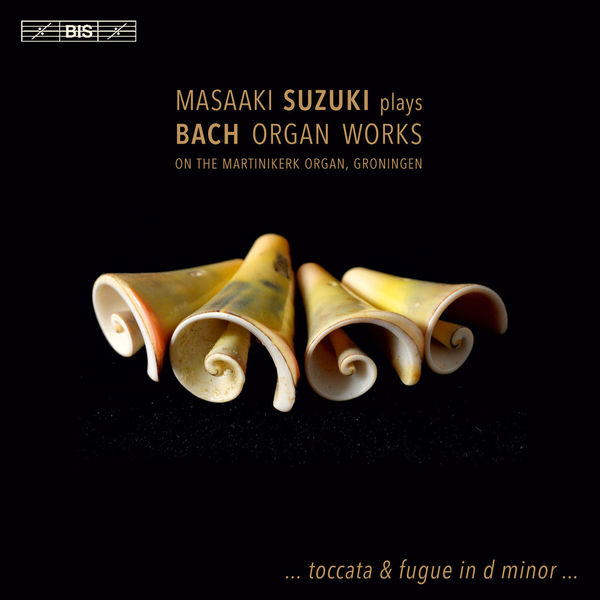
Masaaki Suzuki plays Bach Organ Works BIS 2016 24/96

Well, that and the fact that I truly admire Masaaki’s efforts with the Bach Collegium Japan, and have pretty much his entire Cantata cycle. So I was curious to hear him as a soloist.

Well, I wasn’t disappointed. BIS can usually be trusted for recording quality, and this recording delivers (although has quite a bit of reverb from the Marinikerk in Groninen, so if you don’t like this, look elsewhere).

The good thing of this album is as well that once you go beyond the Toccata earworm, there is lots of beautiful music to discover. I don’t listen to organ very regularly, so this album pushes me in the right direction.

And Masaaki surely knows how to play. This album has received some controversial reviews, some like Diapason and obviously Gramophone love it, some critisize Suzuki takes too many liberties. Well, I’m certainly in the first camp.

My rating: 4 stars


WF Bach Keyboard Concertos – Maude Gratton (Mirare 2015)
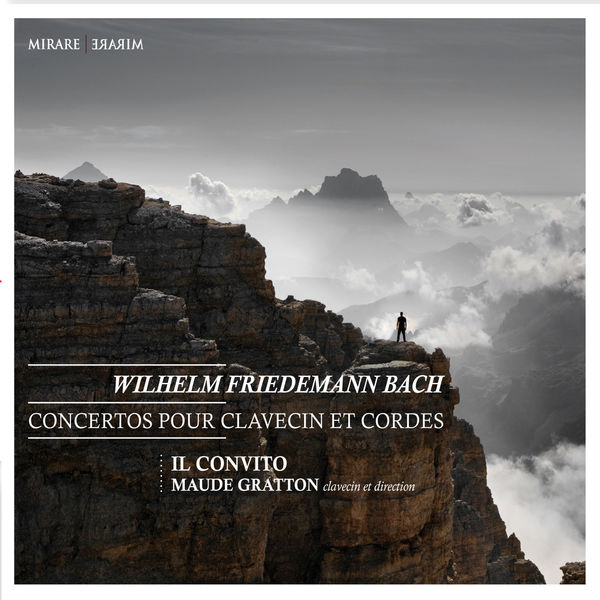
Wilhelm Friedemann Bach: Concertos pour Clavecin et Cordes / Cembalo Concerts Maude Gratton Il Convito

I’ve reviewed this album previously and unfortunately, it still isn’t my cup of tea.


Biber: Rosary Sonatas – Rachel Podger (Channel Classics 2016)

Ah, Rachel Podger. I’m a big fan, and like pretty much everything she recorded, see also here.
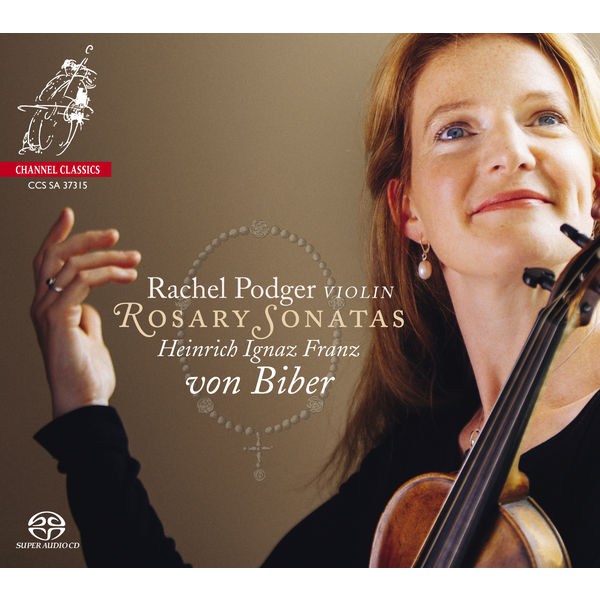
Biber: Rosary Sonatas - Rachel Podger Channel Classics 2016 DSD

Sometimes, even in the music world, there seem to be trends.

You barely heard about Heinrich Ignaz Franz von Biber (to quote his full name) for years, and all over sudden, you get 3 recordings of the Rosary Sonatas in a row.

Not sure about the exact order, but we got Ariadne Daskalakis on BIS, Hélène Schmitt on Aeolus, and Rachel Podger in the space of about 12 months.

What’s even more difficult: all of the above are very good.

Nevertheless Podger has an edge over the two others in my ear due to the sheer beauty of the playing. Now, you could argue, is beauty the right approach for these works.

Well I’m not religious, but if Wikipedia is correct, the Mystery of the Rosaries are meditations on important moments in the life of Christ and the Virgin Mary. I personally would want these to be beautiful. The outstanding recording quality of Channel Classics in DSD only makes it more breathtaking. 

My rating: 5 stars

In any case, check out the two others as well before buying.

My prediction

So who will win in the category? Both Suzuki and Podger have made it into the final three, I’d expect a tight race here. I personally give the edge to Podger.

Opera

I recently bought Netrebko’s beautiful recording of Tchaikovsky’s Iolanta and enjoyed it a lot, so I really need to check out the recording of Pique Dame that Gramophone recommends here by Mariss Jansons, but I haven’t done so yet, so will refrain from any comment at this stage.

The only album in the opera category I’ve heard (and own) is:

Verdi: Aidi – Antonio Pappano – Anja Harteros – Jonas Kaufmann (Warner 2015)
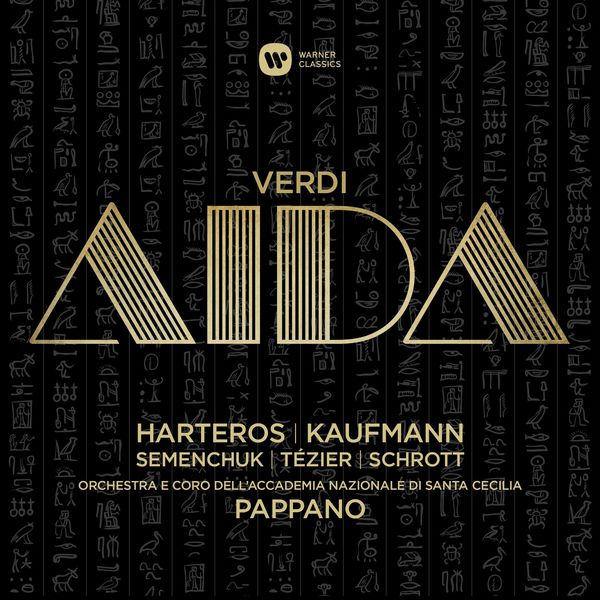
Verdi: Aida Pappanis Anja Harteros Jonas Kaufmann

Well, no change to my previous five star rating (see the review here), and I wouldn’t be surprised if this album will also win. Like the Tchaikovsky mentioned above, it made it into the final three candidates.

Orchestral

I’m a bit surprised myself that I wasn’t able to write a dedicated blog post about the Orchestral category, but there are simply too many albums nominated from composers that I dont’ care enough about, often 20th century, from Casella, Dutilleux, Elgar, to Vaughan Williams.

So just a quick note about two albums in this section:

Schubert: Symphony No. 9 – Claudio Abbado – Orchestra Mozart
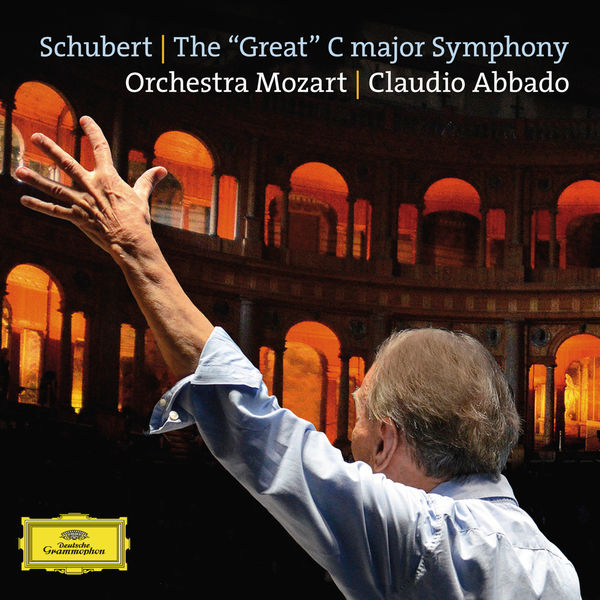
Schubert Symphony No. 9 Abbado Orchestra Mozart Deutsche Grammophon 2015

Going to be brief here, I love a lot of the stuff that Abbado did with his Orchestra Mozart, this isn’t my favorite. I’d much rather go with Dohnanyi as reviewed here.

And then there is Andris Nelson’s BSO recording of Shostakovich symphony no. 10. I don’t have that one yet, but really like his even more recent release of symphonies no. 5 and 9.
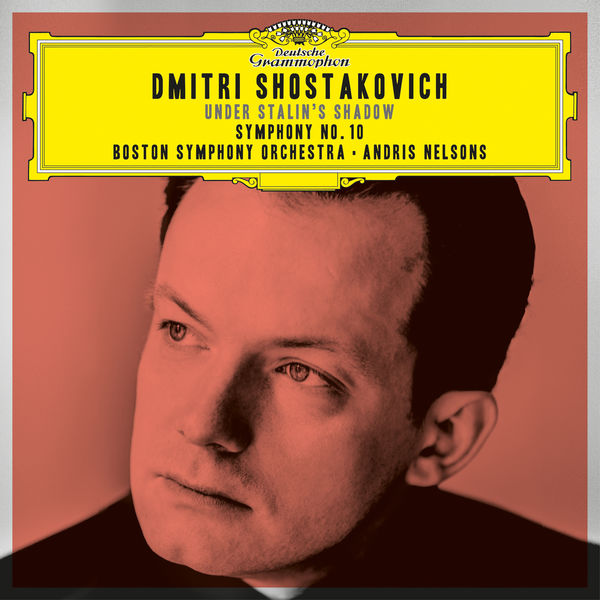
Shostakovich Symphony No. 10 Andris Nelson Boston Symphony Orchestra Deutsche Grammophon 2016 24 96

Given that I haven’t heard 90% of the albums in this category, predicting the winner is obviously preposterous. But I wouldn’t be surprised if Nelsons wins here.

Recital

I’ve only spent a decent amout of time with one album in this section, the excellent Weber Sisters.

A side note on the Ricercar Cavalli album, I skipped through it, but found the Christina Pluhar album released pretty much at the same time more exciting. I may need to revisit that though.

And I gave Jonas Kaufmann’s Nessun Dorma as a present to my mother-in-law, she’s a big Kaufmann fan, and I must admit, the album is really worth checking out.

Mozart and the Weber Sisters – Sabine Devieilhe – Raphael Pichon – Ensemble Pygmalion
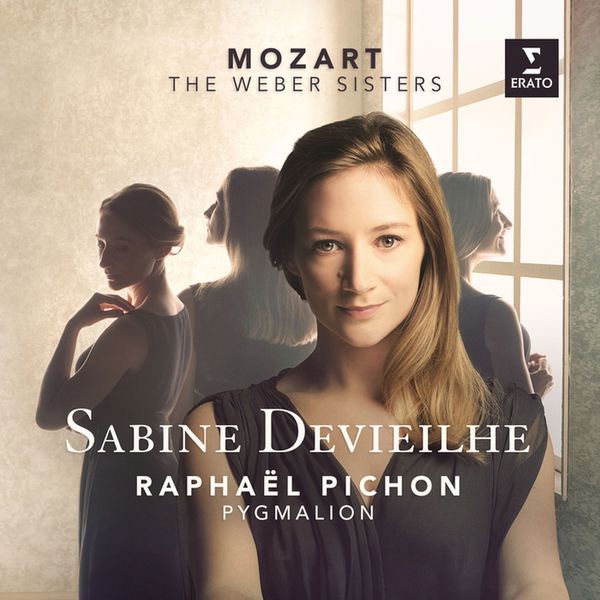
Mozart: The Weber Sisters Sabine Devielhe Raphael Pichon Pgymalion Erato 2015

I’ve already reviewed this album, with 5 stars.

And I keep going back to it over and over again.

This is again one of the rare birds of albums where Classica (Choc de l’année), Diapason (5 stars), Gramophone (Editor’s choice, Gramphone Award nominee), and Telerama (4F) all agree.

She is nominated among the final 3 contenders in this category, I really hope she wins!


So in summary: Podger’s Biber, Pappano’s Aida, and Devielhe’s Mozart are the must have albums for me here, with Suzuki’s organ works also highly recommended.


What do you think? I’d love to hear your opinions!


You can find the albums here:
Bach Suzuki Organ Works

WF Bach Cembalo Concertos

Biber Rosary Sonatas Podger

Verdi Aida Pappano

Schubert 9 Abbado

Nelsons BSO Shostakovich 10

The Weber Sisters


Nézet-Séguin’s Figaro – Nice, but lacking some sparkle

I don’t regularly write about opera, as I don’t really consider myself an opera expert. I come from instrumental music, and tend to judge operas much more on the orchestral performance than on the singers.

But then again, occasionally there are operas I really care about and therefore feel comfortable enough sharing my impression. My favorite opera composer by far is Mozart, and I’ve mentioned Jacobs’ beautiful Idomeneo in My Must Have Mozart Albums

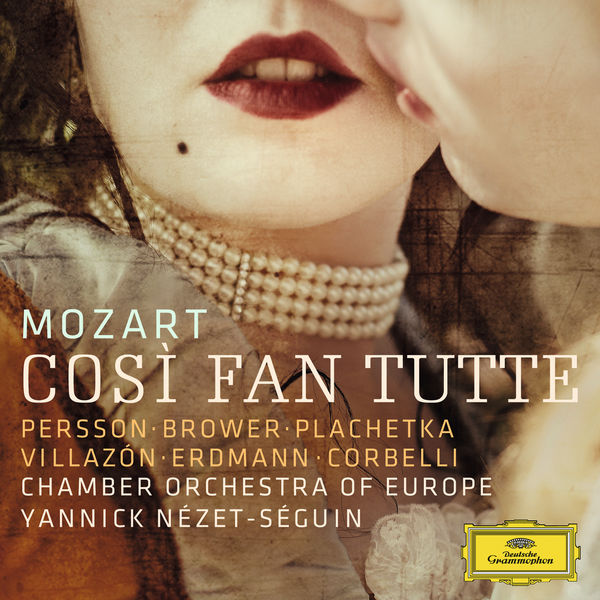
Furthermore, there is one more five star rating opera review, Nézet-Séguin’s Cosi Fan Tutte, recorded live in  Baden-Baden. Cosi is my absolute favorite Mozart opera, closely followed by Le Nozze di Figaro.

So as you can kind of guess, when Nézet-Séguin’s Figaro was very recently released, I clicked buy pretty much instantaneously.

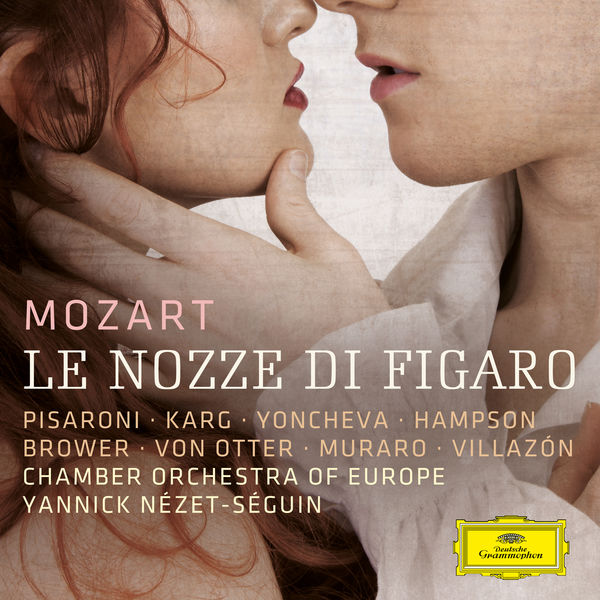
Le Nozze di Figaro – Nézet-Séguin (Deutsche Grammophon 2016)

Mozart: Le Nozze di Figaro - Yannick Nézet-Séguin - Chamber Orchestra of Europe 24/96 Deutsche Grammophon 2016

Maybe I should have used my streaming subscription first.

No, that’s a bit harsh, I don’t expect to regret the purchase. It’s just that after the great Cosi I just expected more. I expect drive, lightness, sparkle! Just what the libretto of this slightly silly story requires.

And what we get here is slightly different. Nothing really wrong, beautiful singers, and the COE plays well, but there is the certain “Je ne sais quoi” missing.

I mean, we have with Thomas Hampson and Sonya Yoncheva a beautiful Almaviva couple.

However, both Pisaroni and Karg convince me a bit less. They sound a bit too much Belcanto, and not enough Mozart, if you know what i mean.

And even Nézet, who usually plays so energetically, just takes a slightly lower, heavier tone here with the COE. Nuances, I admit, but I still rather go back to Jacobs, Erich Kleiber, or James Levine at the Met.

I’m curious to hear if these are only my personal impressions, or if you share them. Please agree or disagree with me in the comments section!

My rating: 4 stars (it is still very much worth owning, may just not be the best out there)

You can find it here (Qobuz) and here (Prestoclassical)

UPDATE Aug 15: Gramophone agrees with me in their September 2016 issue, saying that “the drama slips through his [Nézet-Séguin’s] fingers at some places.

There Must Be An Angel: Mozart – The Weber Sisters

If reading the blog post title you wonder what the connection is between a 1990s Eurythmics title, Mozart, and some sisters called Weber, let me explain.

The angel is simply referring to Sabine Devieilhe, the young soprano on the album I’m about to write about. Not only she looks pretty much like one (see the cover photo below), she really has an angelic voice. Clear, bright, shiny, with a beautiful color and an amazing range.

I first noticed her in her debut recording on Erato, with Alexis Kossenko (previously mentioned for his Telemann recording here), Le Grand Théatre de l’Amour dedicated to Jean-Philippe Rameau.

Mozart: The Weber Sisters (Erato 2015)

Mozart: The Weber Sisters Sabine Devielhe Raphael Pichon Pgymalion Erato 2015

This is Sabine Devileilhe’s second album on Erato, recorded this time with Raphaël Pichon’s ensemble Pygmalion.

I hesitated for quite some time to write about his album as I’m generally not a big fan of “best-of” type albums. I don’t mind them for baroque music as much, as it can be sometimes a bit tedious to go through 3+ hours of an opera seria, but for Mozart and beyond I prefer to listen to the entire opera instead. However, the selection on this particular album includes quite a number of single arias that are not part of a larger opera and are not recorded that often.

Let me briefly explain the Weber Sisters title of his album, as this is kind of a concept album. The most famous Weber sister is Constanze, Mozart’s wife, but actually Mozart was a close friend of the Weber family and as the booklet extensively explains, was at some point in love with the youngest sister, Aloysia, and the middle sister, Josepha, also played an important role in his life.

What music do you get? Well known hits like the famous Queen of the Night aria, or the French song Ah vous dirais-je maman, but also as mentioned previously several lesser known arias. All this is beautifully player by Raphaël Pichon’s ensemble, and Devileilhe’s voice is an absolute pleasure to hear.

This albums was elected among the albums of the year by Classica magazine, and I fully agree that his album is highly recommended.

My rating: 5 stars

You can find it here (Qobuz)

My Must-have Mozart Albums

This post was directly triggered by a question I got to my last post on Mozart’s Violin Sonatas:

To quote jpas1954:

If someone, like me, wanted to listen to Mozart but didn’t know where to start, what would you recommend?

I figured instead of hiding it in the blog comments, I may as well make a post out of it.

So here we go.

The first 3 I already immediately answered from the top of my head, now a post with some additional recommendations,based on some more thinking about it.

The Clarinet Concerto

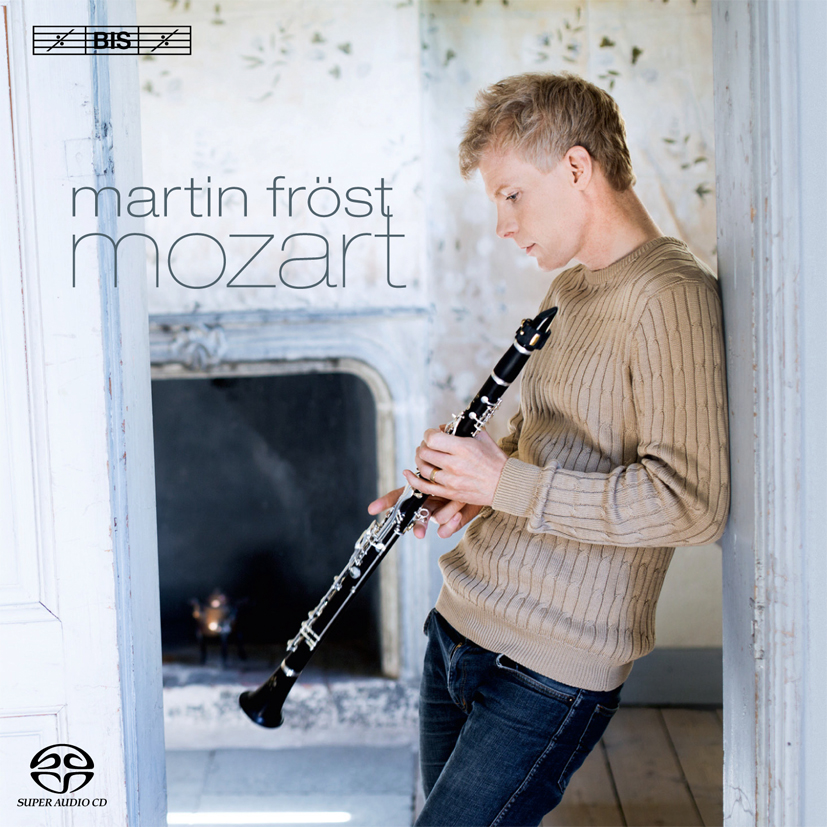
Take the second movement of the clarinet concerto, and you’re in heaven. The brillian Clarinetist Martin Fröst has recorded this twice, I prefer his second recording with the Deutsche Kammerphilharmonie. On top of the clarient concerto, you also get the beautiful Kegelstatt Trio, and a less well known Allegro, with brilliant guests such as Leif-Ove Ansdnes or Janine Jansen.

Mozart Clarinet Concerto Kegelstatt Trio Martin Fröst Deutsche Kammerphilhamonie Bremen BIS

The Late Symphonies

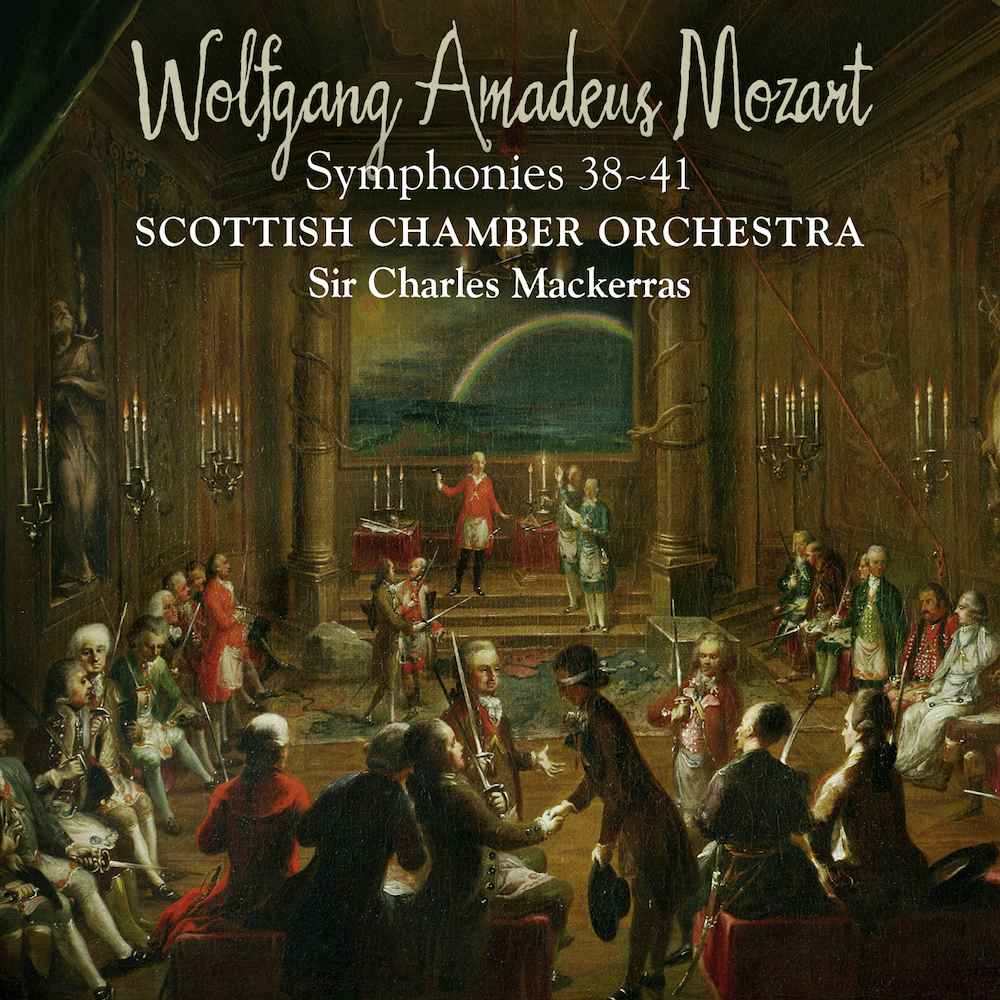
For a newbie, I’d focus on the late symphonies 38-41, with the famous no. 40 a-minor and no. 41 “Jupiter”. My favorite version is by Charles Mackerras. He also has recorded the symphonies twice, once in Prague, once with the Scottish Chamber Orchestra. I prefer the latter, but the former is a good one if you want to get all 41 symphonies rather cheaply (and still very well played).

Mozart Symphonies 38-41 Charles Mackerras Scottish Chamber Orchestra Linn 24 88

Piano Concerto no. 20 & 25

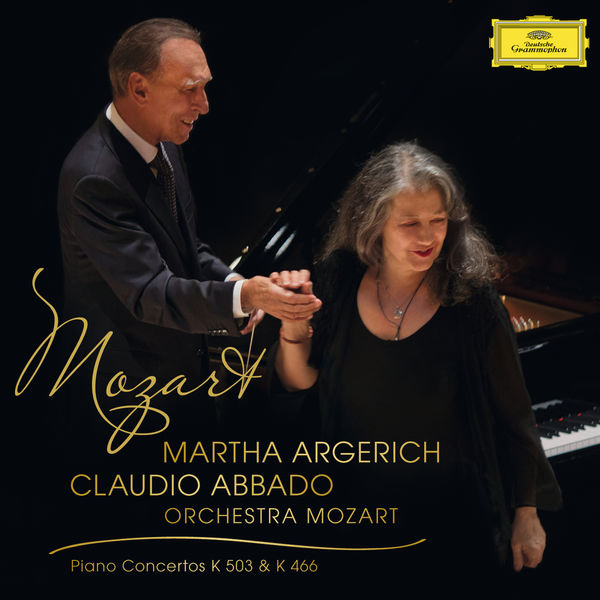
So many good recordings out there. But as I just admire Martha Argerich very much, I had to put this one out there. Is it the best? Probably not, but it is very special, and one of the last recordings of Maestro Abbado.

Mozart Piano Concerto 25 & 20 Martha Argerich Claudio Abbado Orchestra Mozart

Good alternatives on fortepiano include Bezuidenhout and Brautigam, and on modern piano the Perahia recordings are also outstanding.

The Violin Concertos

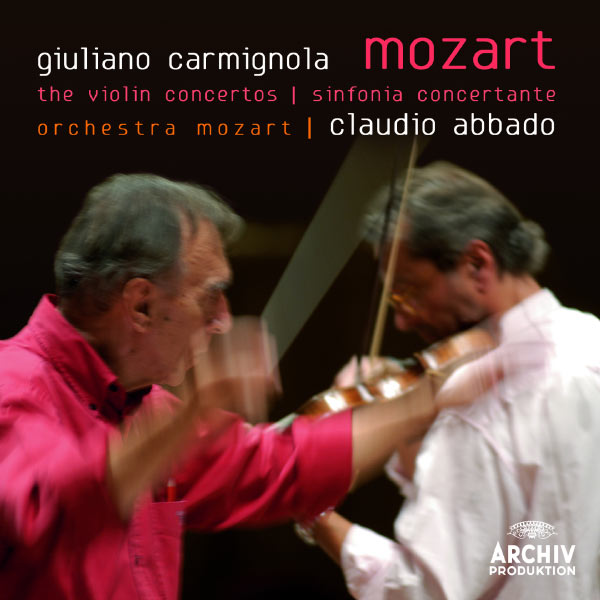
Again Abbado with his own Orchestra Mozart,  and this time the brilliant Giuliano Carmignola (see my review of his outstanding Four Seasons here), have recorded one of the best versions of the violin concertos and Sinfonia Concertante out there.

Mozart Violin Concertos Giuliano Carmignola Claudio Abbado Orchestra Mozart DG Archiv

Another very good version is Richard Tognetti with the Australian Chamber Orchestra.

Solo Piano Works

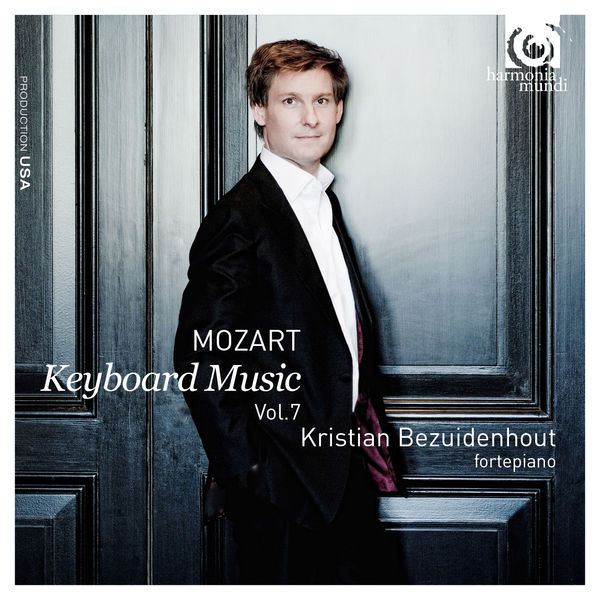
Kristian Bezuidenhout is one of the best Mozart players of these days. His latest release of the complete piano works, vol. 7, is particularly well-played.

Mozart Keyboard Music vol. 7 Kristian Bezuidenhout Harmonia Mundi

For modern piano, try Uchida or Brendel.

The Requiem

Sadly, never finished, so you only get versions that were completed by others, like Mozart’s pupil Süssmayr.

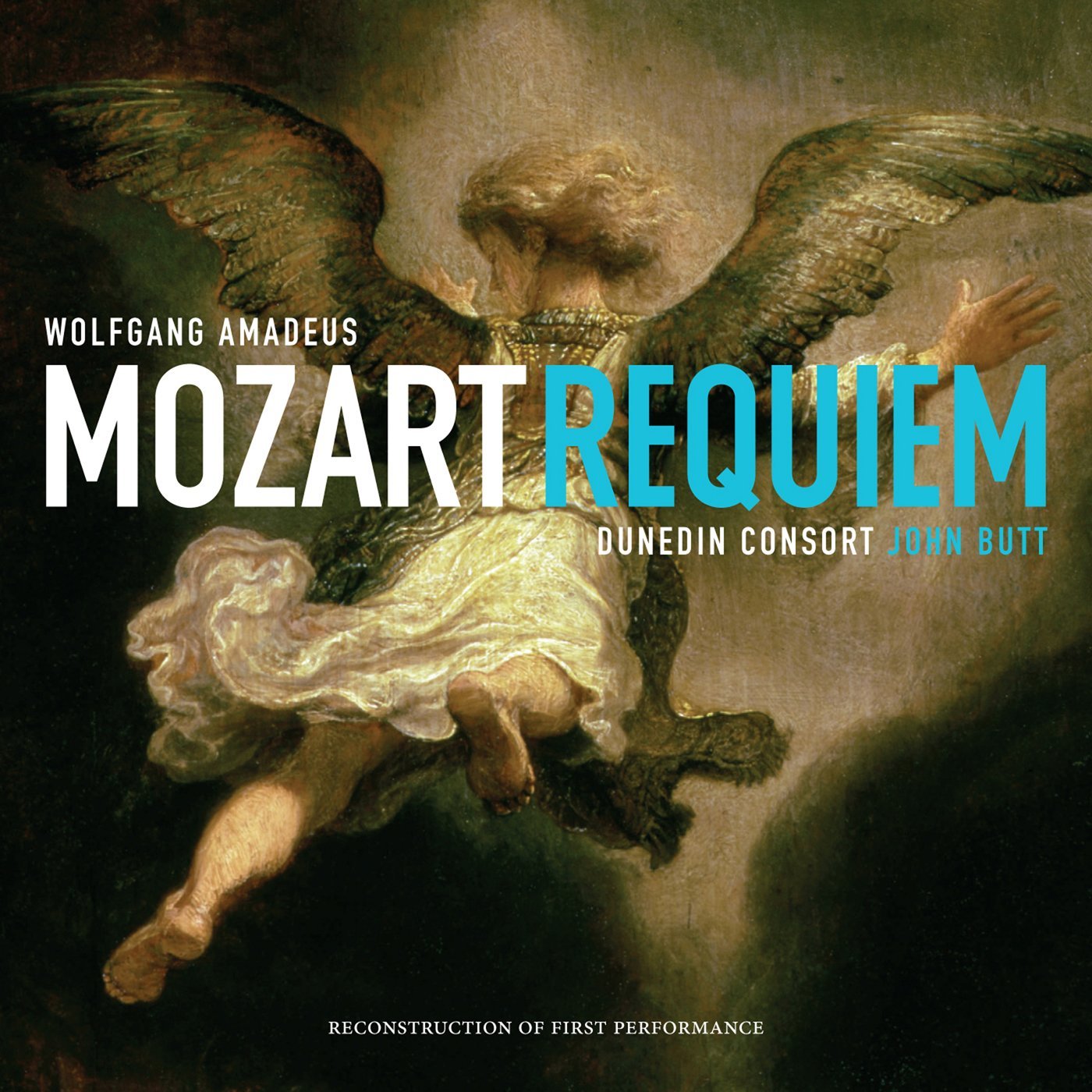
Again, so many great versions out there; this recent release by the Dunedin Consort is excellent both on the playing and on the recording quality.

Mozart Requiem Dunedin Consort John Butt Linn Records

Alternatives include Gardiner, Harnoncourt, and many others.

The Violin Sonatas

See my previous post on Rachel Podger.

Mozart Complete Violin Sonatas vol. 2 Rachel Podger Gary Cooper Channel Classics

And finally, the Operas: Idomeneo

i’ll certainly write more about my favorite operas Don Giovanni, Le Nozze di Figaro, and Cosi Fan Tutte (see my review of Nézet-Séguins version here) in the future, all are absolute must-haves. Let me promote here the Opera that was Mozart’s own favorite apparently (at least some booklet told me at some point): Idomeneo

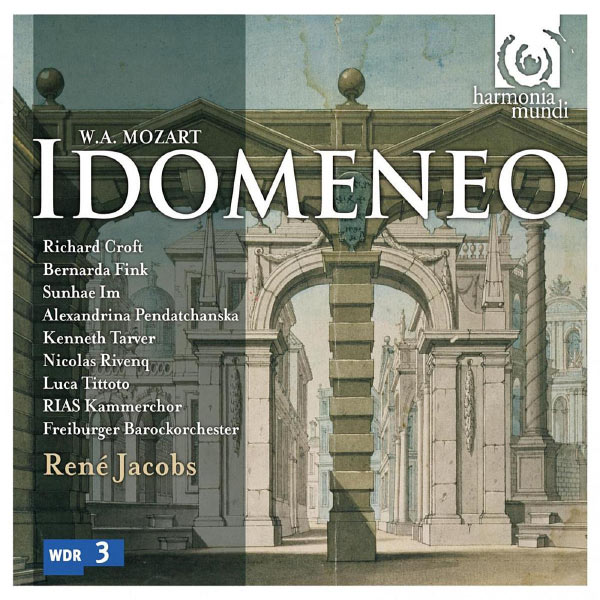
René Jacobs Mozart is always worth discovering, not always very orthodox, but certainly exciting.

This one is really very good, and is among the top Idomeneos out there.

Mozart Idomeneo René Jacobs Freiburger Barockorchester Harmonia Mundi

This is certainly only an early starting point.

I still need to write about the string quartets, the Great Mass in c-minor, the piano quartets, the horn concertos, etc. etc. etc.

But you need to start somewhere, and for a newbie, you probably have an excellent starting point here.

Please add and suggest other alternatives in the comments!

You can find the recordings here:

Clarinet Concerto: here

Symphonies: here

Piano concerto: here

Violin Concertos: here

Solo piano: here

Mozart Requiem: here

Idomeneo: here

Rachel Podger’s Magnificent Mozart

Wolfgang Amadeus Mozart

When I was young and just started listening to classical music, I had a slight disdain for Mozart. “Too easy”, for kids, or similar stereotypes.

How wrong I was. Sure, pretty much every single Mozart piece has something immediately pleasing to it, something that even a non-classical music listener usually easily grasps, and mostly likes.

What I completely missed how hard it is to make something sound easy AND interesting at the same time. The more I discovered the music of Mozart’s now mostly forgotten contemporaries (Stamitz, Salieri, Michael Haydn, etc.) , the more you discover what is really missing there and what makes Mozart’s music so unique.

Mozart’s violin sonatas

When you think about chamber music, and the very simple but elegant form of violin sonatas, usually  people think of Beethoven first, with his famous Kreutzer sonata, or sometimes Brahms (see my review of Brahms sonatas with Isabelle Faust here).

Mozart isn’t the first composer that springs to mind when talking about this genre. Probably this is partially due that quite a number of them were written when he was really young. Luckily, he stuck to this form throughout his life, and ended up writing 36 of them.

Rachel Podger

I’m a big fan of Rachel Podger. She is usually focusing on Baroque music and has recorded some outstanding albums here (more about this later on this blog).

However, she also ventures into Viennese classical music. And how well she does. She has recorded the complete Mozart sonatas in a total of 8 volumes. She plays here with Gary Cooper, who plays a beautiful fortepiano.

Let me arbitrarily talk about vol. 2 here, but honestly, all 8 volumes are worth getting.

Mozart Complete Violin Sonatas vol. 2 Rachel Podger Gary Cooper Channel Classics

On each volume Podger mixes more mature works with some of Mozart’s very early works (e.g. KV7 here). And while it is clearly evident that this is not mature Mozart (the boy was approximately 8 years old when he wrote this, and probably helped by his father), even this one is worth discovering.

But you also get the outstanding KV481 on this album which dates from the same time of his great Da Ponte operas (Don Giovanni, Figaro etc.).

As an additional bonus, Channel Classics is a label that care a lot about recording quality, and this is one more example of it.

My rating: 4 stars (5 stars+ playing, but the inclusion of the early sonatas gives 1 star off, making it just not AS essential as some other works).

You can get it in it’s native recording format of DSD here (Native DSD), note that not all players do support this format. Otherwise you can also purchase the full 8 CD box here much cheaper if you prefer physical media (Prestoclassical). At this point in time, there’s even a special offer ongoing.

May The Wind Be Gentle – Nézet-Séguin’s Cosi Fan Tutte

Three HUGE gaps to fill on my blog: haven’t yet written about Mozart, haven’t talked about a single opera, and haven’t yet mentioned one of my favorite young conductors, Yannick Nézet-Séguin. How convenient is it that I can fill all three gaps in one go, with Nézet-Séguin’s 2013 recording with the Chamber Orchestra of Europe of Cosi Fan Tutte.

Nezet Seguin Cosi Fan Tutte

Me and Opera

Some introductory words first: my background is certainly much more in instrumental classical music than in opera. I can “blame” my parents in a way, they constantly listened to classical music at home, so I grew up with pretty much the entire classical spectrum in my young ears. However, both don’t like opera, so I had to acquire that taste myself much later. To this day, the first thing I’ll notice on an opera recording, is the orchestral playing. So my judgment is heavily biased to this part. I’m much more tolerant to individual slightly weaker singers. I know true opera buffs are singers first, orchestra second.

Nézet-Séguin and Mozart

These days, there are hardly any new opera recordings released. You can’t blame the music industry, the cost of an opera production is huge obviously, and the returns in the shrinking classical market are not what they were in the heydays of “Perfect Sound Forever” when everybody re-bought everything on CD; or even in the great 50s-60s, when all the great operas were all recorded for the first time in Stereo on LP, and many of these recordings are still of reference quality. Luckily, the young Canadian conductor Yannick Nézet-Séguin got a deal with Deutsche Gramophon to record 7 Mozart operas. DG is piggy-backing here on existing performances at the Baden-Baden festival. So far, they have released 3, Don Giovanni, Die Entführung aus den Serail (to be released these days), next will be Le Nozze di Figaro (can’t wait) which is being recorded these days.

Thus Do All Women (no shitstorm please, it’s just the English translation of the title)

I just love Mozart’s operas. They are among the most beautiful things he’s ever written, and to me THE best operas out there. Cosi has a very special place in my heart. The story is obviously a bit silly and potentially slightly sexist, but who cares with this kind of music. And luckily my Italian is bad enough that I can switch it of and don’t have to follow the lyrics if I don’t concentrate on it. There are so many beautiful parts, I can’t even list them all. So let me just stick to my favorite part of all, the Terzettino “Soave Sia Il Vento”, gentle be the wind. where the two female protagonist wish their male companions smooth sailing in their fake trip to war. This could easily be among my top10 most beautiful musical pieces ever (actually I’ve just written a post about just that here).

Nézet’s Cosi

What is there to say about this particular recording? Well first of all, the orchestral playing of the Chamber Orchestra of Europe is outstanding. So as said above, this already gives me 80% of what I’m looking for in Opera. Nézet is consistent with his typical style, which can be summarized as “reasonably fast” and most of all “tight” (not sure if I’m making sense here), in a nutshell, he’s always in control, and there is always great tension. Personally I like all the protagonists singer here, although I’ve seen several reviews criticizing  Roberto Villazon especially. That said, Gramophone had this album shortlisted for the Gramophone Awards.

Overall rating: 5 stars

You can download the album here (I recommend the 24/96 high-res version) or buy the physical CD here.

Classical Life

A classical music blog by music critic Tim Mangan

This Week's Music

Making Classical Accessible

From my Macbook to the Net

Evaporation of my thoughts and observations

Elestra

Author: Artienne

My Life in Music

Playing, Singing and Listening

ArsX3

A brand new journal reviewing books, cinema, music

LawrenceEz's Blog

Creative and Performing Arts: Writing, Classical Music, Photography

Laetitia Strauch-Bonart

Contemporary Politics & Culture

sibling revelry

reveling in all things classical

It's A Raggy Waltz

I collect jazz on vinyl, I dig the Dave Brubeck Quartet, & I write about it

La Musica

By two cousins

thejazzbreakfast

Dishing it out from the heart of England

only jazz

random thoughts about music that matters to me

The Culture Project

Exploring the world of literature, wine, art, music and more.

René Spencer Saller

The music causes me to dream of fabulous empires, filled with fabulous sins.

Breaking Baroque

Blog of Tafelmusik Baroque Orchestra and Chamber Choir

Tasting Nirvana

Eating your Dosha

The Immortal Jukebox

A Blog about Music and Popular Culture

April Greene

Writer + Editor

a pianist's musings

A history of your favorite classical music.

Classical music for all

Boris Giltburg's blog

I HEAR VOICES

An orchestra seat in the web space