My reflections on the 2019 Gramophone Awards part IV – Instrumental

This is another favorite category of mine, as typically it is mainly piano recordings.

This year, interestingly enough a solo violin recording starts the selection, Giuliani Carmignola’s recent recording of the Bach Sonatas and Partitas. I’m really puzzled by this choice. Let me make it clear, I really like Carmignola (his Four Seasons are among my absolute favorites), and I also love the solo sonatas and partitas. However, Carmignola’s version sounds completely “wrong” to me. I know this is a very unspecific remark, and I’m not going to dwell on it, as this won’t be helpful for my readers. But I’ll stick with Milstein anytime.

So let’s rather go directly to the recording that is most likely going to make my Top 5 Classical albums of the year 2019, and that I sincerely hope will win this category: Yuja Wang’s fantastic Berlin recital.
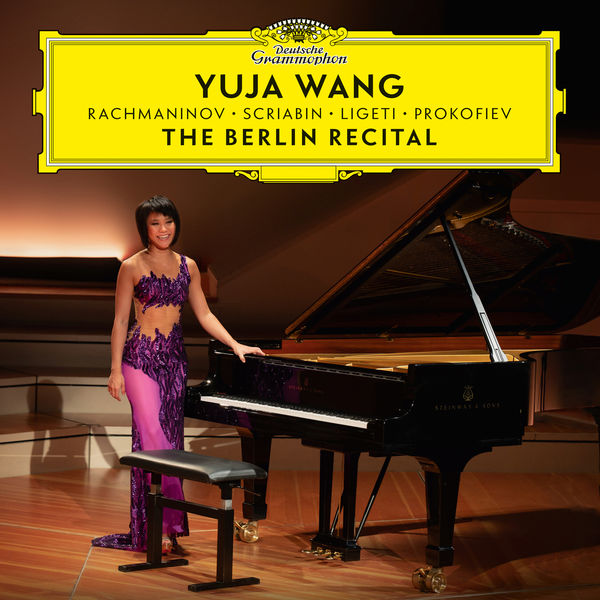
Yuja Wang The Berlin Recital Rachmaninov Scriabin Ligeti Prokofiev 24 96 Deutsche Grammophon 2018

As you can see from my review, I really love this album. It has completely changed my perception of Wang as an artist. This recital combines a fantastic selection of repertoire, a playing that is both nuanced and passionate.

I’d like to thank my reader Ed for his comment on the article flagging the extra album of the 4 encores she played at this concerto. This is a must have as well. You could argue with DG why they simply didn’t include this into the main album, but in any case this 4 track album is very cheap, and a must have.
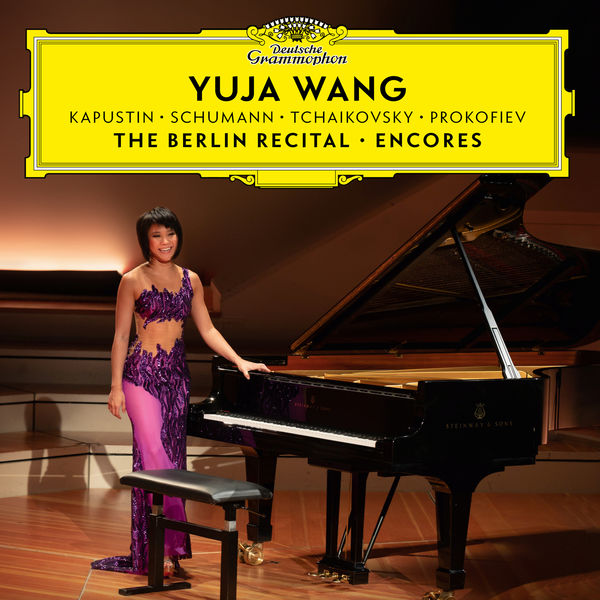
Yuya Wang The Berlin Recital Encores Deutsche Grammophon 2019 24 96

Next in line is another favorite artist of mine, Igor Levit. I haven’t yet formally reviewed his latest recording of the Beethoven sonatas, but have seen him play a selection live at this year’s Lucerne festival, and can already say his set is worth checking out. You may not like all his choices, especially on his sometimes extreme tempi, but this will be a worthy addition to the long catalogue of complete sonata recordings, more to come).

But Gramophone focused on Levit’s other release in the last 12 months, his very personal album “Life”.

I’ve reviewed it here, and if you haven’t done so yet, you should absolutely check out this five star gem.

I’ve only just started listening to another recommendation of this selection, Alexander Melnikov’s recording of Debussy’s 2nd book of Préludes.
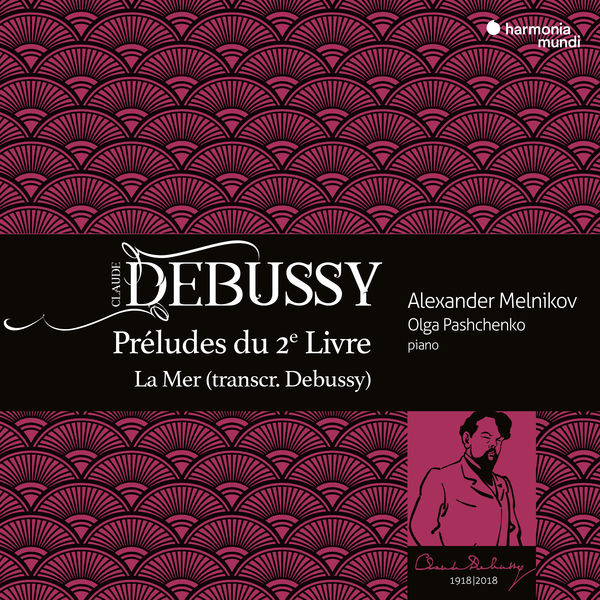
Debussy Préludes du 2e livre La Mer Alexander Melnikov Olga Pashchenko Harmonia Mundi 2018 24 96

As you know, I’m far from being a Debussy expert, I typically just go to my complete Debussy recordings by Jean-Efflam Bavouzet, but my first impression of this album is very positive. What is very interesting about this recording is the sound of the piano, an Erard, presumably from the time of Debussy. Melnikov has recorded quite a bit on period instruments, and it truly gives a different color and perspective.

I can’t comment on the two other albums that made the original 6 album shortlist, Steven Osborne’s recording o fthe late Beethoven sonatas, and Stephen Hough’s “Dream Album”, as Hyperion still refuses to stream and I refuse to buy albums blindly.

Now, as you know in the meantime Gramphone has narrowed down the shortlist from 6 to 3 albums. The finalists are Carmignola, Wang, and Levit.

I’m willing to bet that Wang will be the winner this year, and it would be well deserved!

I presume this will be the last part of this year’s mini-series on the Gramophone Awards. Maybe I’ll do one more post on the remaining categories lumped together (Choral, Contemporary, Early Music, and Opera, Recital, Solo Vocal) if I find time, but I’m much less comfortable and familar here, so let’s see. So most likely you’ll hear back from me on the Gramphone Awards once the winners are announced on October 1st.

What do you think? What would be your favorites among all these albums?
My reflections on the 2019 Gramophone Awards Part III – Chamber

Chamber is a particularly rewarding catogory for the Gramophone awards this year, at least from my perspective. Out of the 6 initially shortlisted (now narrowed to 3, see below), I fully support and like 5. Nice quota.

So let’s take them one by one:

Britten’s string quartets played by the Doric quartet is the only album I’m not going to comment about. I like the Doric as an excellent quartet, but Britten is a composer I just don’t get. Probably again, mainly due to my general issue with 20th century music.

Britten Purcell String Fantasias in four parts String quartets no 1 - 3 Doric String Quartet Chandos

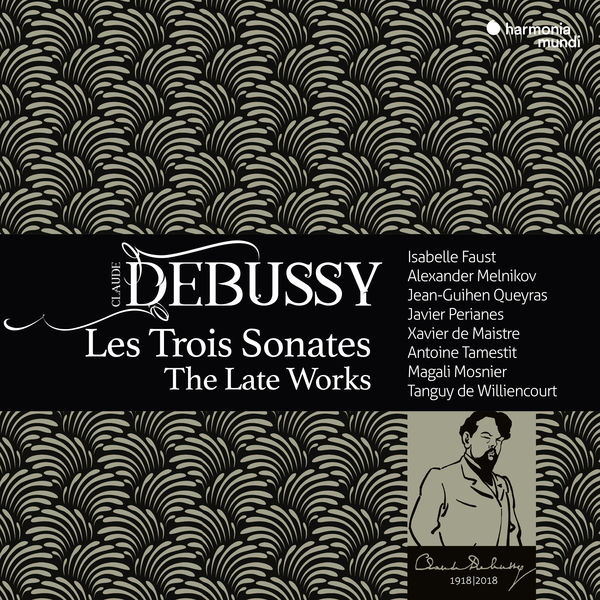
Another 20th century album that I had completely missed comes from Debussy (a lot of Debussy recordings due to the 100 years of his death in 1918). We’re talking about an album called in a nice international mixture Les Trois SonatesLate Works. Not sure how I missed this as it features my heroine, Isabelle Faust. I’ve only started streaming it over the last few days but really like it. Also look at the list of musicians, Queyras, Melnikov, Perianes. Wow! Expect a more detailed review, but in any case, this is really promising!

Debussy Les trois sonates The Late Works - Isabelle Faust Alexander Melnikov, Jean-Guihen Queyras, Javier Perianes, Xavier de Maistre, Antoine Tamestit, Magali Mosnier, Tanguy de Williencourt Harmonia Mundi

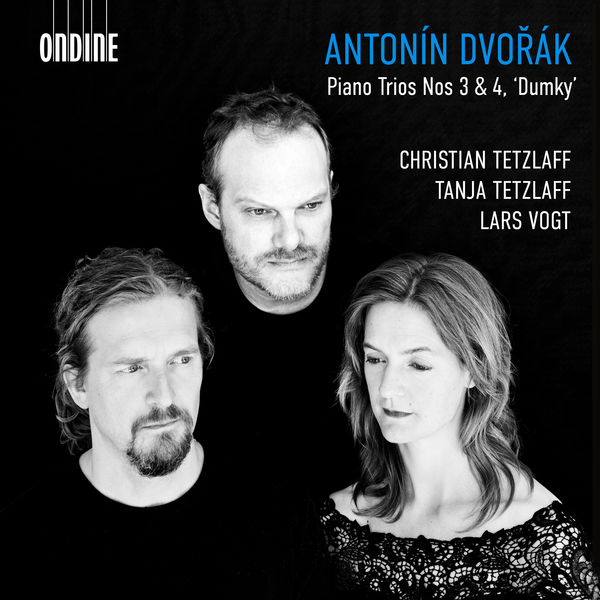
Next on the list is another favourite of mine, Christian Tetzlaff and his sister Tanja and Lars Vogt on piano playing the piano trios no. 3 & 4 by Antonin Dvorak.

This trio is truly fantastic, having recorded some outstanding Brahms albums previously, and from the first bars of this album it is very clear this new release is also very special. Dvorak isn’t part of my most core repertoire, but this album could easily make it into heavy rotation on my computer.

Antonin Dvorak Piano Trios No. 3 & 4 Dumky Christian Tetzlaff Tanja Tetzlaff, Lars Vogt Ondine 2019

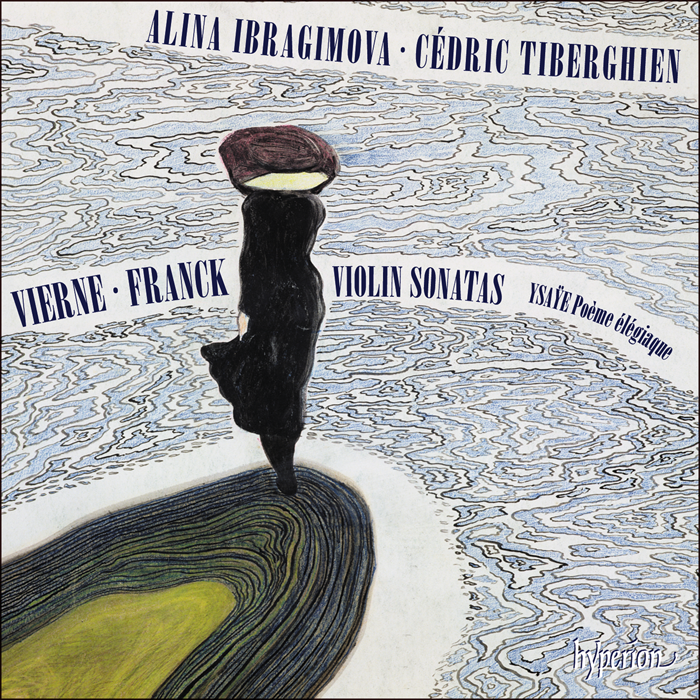
I have a special relationship to the next album as well, given that I’ve seen the artists perform it live in concert. Alina Ibragimova and Cédric Tiberghien, two fantastic artists on their own, but even more special as a perfect duo. The composers on this album, Franck, Vierene, Boulanger and Ysaÿe are less known, but the music is very much worth discovering. The two of them have also recently recorded the Brahms sonatas, and I’ll probably have to get my credit card out soon.

Vierne Franck Ysaye Violin Sonatas Alina Ibragimova Cedric Tiberghien Hyperion 24 96 2019

“Papa Haydn” really isn’t my favourite composer. That said, his symphonies are being freshly recorded by Giovanni Antonini (see here), his string quartets are fantastic, and his trios are also really worth exploring.

The French Trio Wanderer has recorded some very good albums before, check out their complete Beethoven trios for example. What is there to say, beautiful playing, charming music, a treat!

Joseph Haydn Piano trios Trio Wanderer 24 96 2019 Harmonia Mundi

And, to wrap up the list of the 6 shortlisted albums, Shostakovich.

I must admit I’m still new to most of Shostakovich’s oeuvre, and finding my way through the very special world of this composer. But I’ve recently acquired the piano quintet which is really worth discovering. I bought the version by the Takacs Quartet with Marc-André Hamelin on Hyperion, but the album selected here was truly the best alternative and I probably will add it to my collection soon.

We’re talking about the Belcea quartet, with Piotr Anderszewski. You also get String Quartet no. 3.

Shostakovich String Quartet No. 3 Piano Quintet Belcea Quartet Piotr Anderszewski Alpha 2019 24 96

So, out of the 6 albums above, which ones made the shortlist of the shortlist? Let’s make it short (sorry for the bad pun): the Britten, Debussy, and the Franck. Given Gramophones slightly patriotic tendencies, I’m willing to bet that the Britten album will win, but I’d prefer Faust or Ibragimova to get the price. We’ll know more soon.

Overall, a very strong selection this year, or what do you think?

My reflections on the 2019 Gramphone Awards – Part I – Concerto

The Gramophone Awards

Every year I tend to comment on the Gramophone awards nominees, you’ll find some examples here (2015), here (2016) and here (2017).

In late 2018 I was unfortunately too busy at work to get into this, but I hope I can get back on track this year.

Obviously, I’ll only be able to comment on albums that I’ve actually listened to, or ideally reviewed myself. Therefore, some categories will be less represented here.

The Gramophone awards are probably the most relevant and most highly regarded price in the classical music world, so it is always interesting to see what Gramophone comes up with, even if I don’t always agree.

You’ll find the published list of the 2019 nominees here.

Concerto

You’ve probably noticed that the “concerto” category is among my favorites.

Not suprisingly, I had already reviewed several of the nominees.

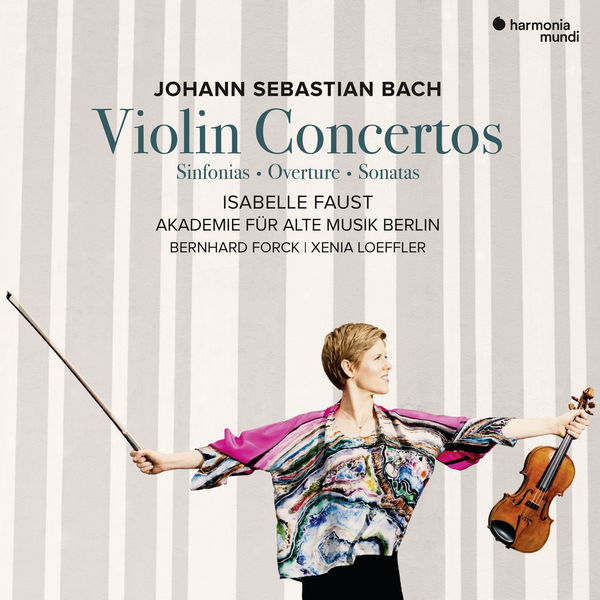
Bach – The Violin Concertos – Isabelle Faust

Johann Sebastian Bach: Violin Concertos Sinfonias Overture Sonatas Isabelle Faust Akademie für Alte Musik Berlin Bernhard Forck, Xenia Loeffler Harmonia Mundi 2019

I mean, what can I say, I’ve heard her play these live, I’ve given the album a very clear 5 star review, and anyhow I’m a self-declared Isabelle Faust fanboy. So absolutely, this is fantastic. And unlike the Trifonov below, I believe there is pretty much general consensus among reviewers that this is a great performance.

Rachmaninov – Piano Concertos 2 & 4 – Trifonov – Nézet-Séguin

Daniil Trifonov Yannick Nézet-Séguin The Philadelphia Orchestra Destination Rachmaninov - Departure Deutsche Grammophon 2018 24/96

This one is more tricky. I already predicted in my 5 star review before any of the professional reviews came out that this would be a love it or hate it affair. Turns out both professional reviewers and a lot of people who commented on my blog really don’t agree. So, while I love it, this is one of those albums I strongly suggest you check out before you buy. To me nevertheless is is one of my favorite performances of the work.

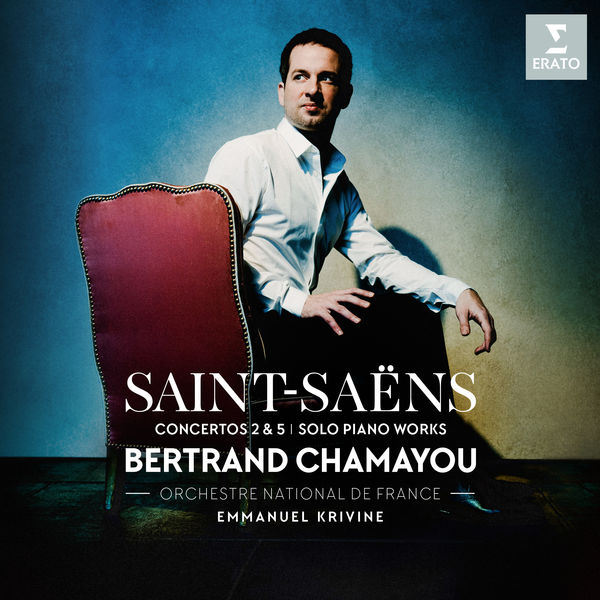
Saint-Saëns: Piano concertos 2 & 5 – Chamayou – Krivine

Saint Saens Concertos 2& 5 solo piano works Bertrand Chamayou Orchestre National de France Emmanuel Krivine Erato 2019 24 96

Here’s another album where I agree with Gramophone, the reason why my rating in my review was only four stars is because I didn’t rate Saint-Saëns highly enough from a repertoire perspective. But the playing is fantastic.

So, overall, good alignment between my reviews and Gramophone’s recommendations.

The category contains three other albums that I haven’t yet heard.

Leila Josefowicz playing John Adams violin concerto. I must admit I’m not familiar enough with Adams’ work to allow any proper review. As mentioned several times, I’m typically not very comfortable with 20th century music. But I may give this a try.

Kirill Gerstein playing Busoni’s piano concerto, with Sakari Oramo, and the Boston Symphony Orchestra. This is an album that I’m really intrigued by as I recently discovered my interest in Busoni, but it isnt’ available for streaming, and I’m really hesitant these days to buy an album blindly.

MIchael Collins playing Crusell’s Clarinet concerto. Who’s Crusell I presume you’re going to ask. I must admit I don’t have the faintest idea. Apparently a Finnish composer. I may give this one a try just out of curiosity.

To wrap up, who do I predict will win this year? My bet is on Isabelle Faust. This is truly a reference version of the Bach concertos, and so it would be really deserved. The only thing that could stop her is that she already won the recording of the year in the 2017 Gramphone awards. Not sure if this may influence the jury. Let’s see in some weeks.

UPDATE Sep 19: I just noticed that in the October issue of Gramophone, only 3 albums remain shortlisted. Specifically the Adams, Busoni, and Saint-Saëns recordings. So Faust is apparently already out. I hope Chamayou wins, he deserves it.

Note you’ll find part II (orchestral) of this mini-series here.

Libertà – Mozart Et L’Opéra by Raphaël Pichon – An Outstanding Album!

No, I haven’t Forgotten About Jazz

Some quick words to start:

Sorry for the Jazz fans subscribing to my blog, I know I’ve been pretty heavy on classical articles and not a lot of Jazz. I simply haven’t found too many good new albums, reviewing albums I don’t really like is much less fun, and I prefer writing about new releases, so my occasional reviewing of older albums also didn’t progress a lot. I hereby promise that I’ll try to restore the old balance of 50/50 between Jazz and Classical. So please subscribe if you haven’t done so yet.

Best-Of Albums

I used to hate “best of” or “highlights” albums, especially for Opera when I was younger. I thought the composer had taken the time to do the full opera, we should be appreciating the work in its entirety.

I’ve since evolved and really see the benefit of somebody else curating the music, especially when we’re talking about lesser known works, like in the album that I’m about to write about.

Furthermore, conductor Raphaël Pichon doesn’t do “best-of’s”, he does “concept” albums, that follow a story combining the different tracks, be it Stravaganza, Birth of The Opera At the Medici Court, or Enfers (Hells).

I’ve previously praised another of his concept albums, Mozart – The Weber Sisters, with the fantastic soprano Sabine Devielhe, which I’ve also listed in My Top 5 Classical Albums of 2016.

So I was very happy to see that in this new album that was released yesterday, that Devielhe is again featured.

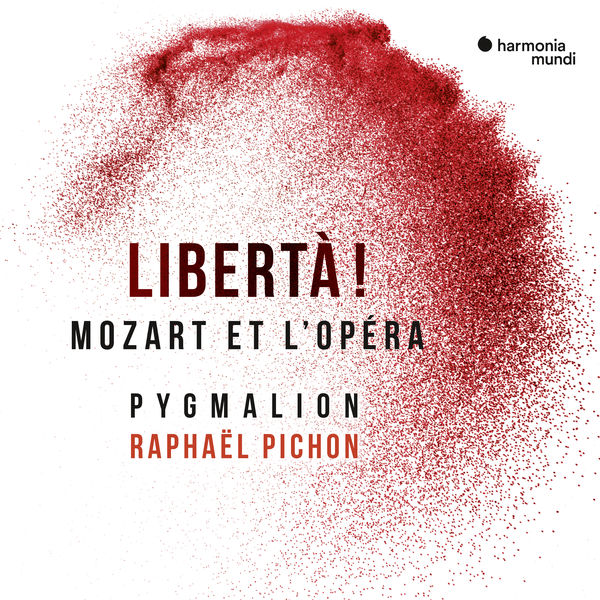
Libertà – Mozart and the Opera – Raphaël Pichon – Pygmalion (Harmonia Mundi 2019)

Liberta Mozart Et L'opera Raphael Pichon Pygmalion 24 96 Harmonia Mundi 2019

On this album, Devielhe isn’t the only star, we’re actually getting several other great singers, from Siobhan Stagg via Linard Vrielink to Nahuel di Pierro.

I’m not going to comment too much about the concept, which the booklet nicely explains on several pages, including an interview with Pichon.

Let’s summarise what you’re buying: You’re getting 1h44 of mainly Mozart opera extracts. We’re mostly talking about his less known operas, like Lo Sposo Deluso, L’Oca del Cairo, or Der Schauspieldirektor.

What does that mean? Actually, Pichon did a fantastic job selecting gems among these lesser known works that definitely are worth discovering.

Pichon and his ensemble Pygmalion deliver some Mozart playing as it should be in the 21st century: Inspired, energetic, but dedicate where needed, clearly historically informed, but not overly “baroque”. And as mentioned, you get really good singers.

This album already is one of my favourite new releases of this year, and I wouldn’t be surprised if it ends up featured on my Best of 2019 list at the end of the year.

An absolute delight, worth having for any Mozart opera fan, especially in times where new opera productions are too rare.

Highly recommended.

My rating: 5 stars

You can find it here (Qobuz)

UPDATE Sep 12: Classica agrees and gives this album a “Choc”, their highest rating.

A fantastic live album by Yuja Wang

Yuja Wang

If you read this blog regularly, you could think that I may be a bit biased towards Asian pianists. I’m really not a big fan of Lang Lang, and also can’t understand all the praise that Seong-Jin Cho is getting (see here and here). I really hope I don’t have any intrinsic biases and judge purely on the music though.

I had a more ambivalent opinion of Yuja Wang until recently. There was stuff I really appreciated (her Ravel concerto for example), but there are other albums like the Brahms sonatas with Kavakos (that got a lot of praise) that are not 100% my cup of tea.

But this latest live release (it actually already came out end of last year, I’m a bit behind here), is a truly exceptional album

Yuja Wang – The Berlin Recital (DG 2018)

Yuja Wang The Berlin Recital Rachmaninov Scriabin Ligeti Prokofiev 24 96 Deutsche Grammophon 2018

The album starts off with an engaging performance of the famous Rachmaninov Prelude op. 23 no. 5. You already are getting a level of energy, excitement, but also precision, that is drawing you in from the very beginning.

She follows with several other pieces of Rachmaninov, keeping up the level of engagement. A first highlight however is in the much more subtle Scriabin sonata. Here Wang demonstrates that she is not just the virtuoso, but can also be very nuanced. Scriabin isn’t easy to pull off. I had one of my most memorable performances of a live concert by Rudolf Serkin back in the early 90s, and this is one of the first time that Scriabin really moves me.

I’m still mostly struggling with most of 20th century music, but the Ligeti etudes are quite accessible even to me.

But a real highlight of this album is the closing, Prokofiev’s sonata no. 8. Again, not a showpiece, much more introvert, written during the horrible year of 1943 in the middle of World War II. Again, Wang shows how complete she is as an artist in this performace.

Overall, the album is very well recorded, giving you a premium seat in the Berlin Philharmonie.

I’m not the only one liking this album by the way, it’s got top reviews from pretty much every one in the business (Gramophone Editor’s Choice, Choc de Classica, 5 stars by Diapason and FonoForum).

Highly recommended.

My rating: 5 stars

You can find it here (Qobuz)

Tchaikovsky Symphony No. 6 with Kirill Petrenko or Why Maybe I Do Like Tchaikovsky After All

Peter Ilyitch Tchaikovsky

My first ever post on this blog regarding Tchaikovsky created a bit of a debate among my readers, as it was titled Tchaikovsky Symphony No. 5 with Neeme Järvi or Why I Don’t Like Tchaikovsky.

Several of them couldn’t believe that I don’t really like Tchaikovsky that much, and tried to convince me otherwise.

That said, this post has been some years ago and I still basically limited my Tchaikovsky listening to about once yearly going back to said Symphony No. 5, occasionally the Violin Concerto with Heifetz (but more likely because it is on the same album as his fantastic Brahms), and every once in a while testing out new versions of his piano concerto no. 1, more often than not being disappointed.

And, for sure, during the pre-Christmas period, the Nutcracker, ideally by Rattle, was a must have.

I’ve tried the four early symphonies by Tchaikovsky, never got them, but most surprisingly his 6th, which many consider his symphonic masterpiece, never got my attention.

So when the Berlin Philharmonic finally released his first album with their new boss (elected many years ago), I got curious.

I’m very happy I did check it out.

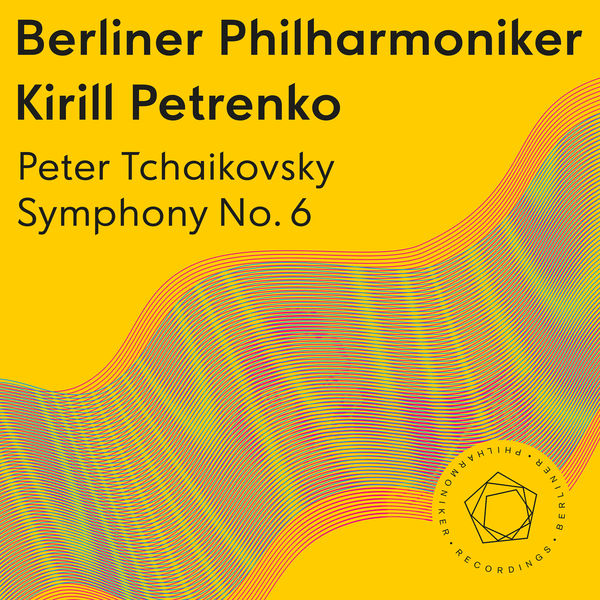
Tchaikovsky Symphony No 6 – Kirill Petrenko – Berlin Philharmonic Orchestra (BPO 2019)

So far, I must admit I always go a bit lost in this piece. Guess what, Petrenko really opened my eyes and ears here.

His very transparent reading helped me to see the structure, to understand the nuances, to see the many beautiful similarities with the beautiful orchestral sounds of his ballets.

At the same time, this is not a slim HIP-inspired baroque interpretation, as the word “transparent” may imply. This is the romantic power and suave sound of the BPO at it’s best. So all the necessary drama of the “Pathétique” is there when it is needed.

If this is an indication of the future of the Berlin Philharmonic under his new conductor, I hope this was not only a snapshot from the honeymoon period. We could be really entering a new Golden Age of the BPO, and we all should be going back to Scharoun’s yellow tent more often (if you can get tickets).

My rating: 5 stars

P.S. Gramophone agrees, giving this album an Editor’s Choice in the July 2019 edition

You can find it here (Qobuz)

Mesmerising Viola Da Gamba Early Music by Paolo Pandolfo

Early Music

If you’re following this blog on a regular basic you know I’m not a specialist of Early Music (to simplify, most anything before Bach), and don’t listen to it very often.

Therefore, there is not a lot of coverage of the 16th century on this blog, and I want to put out a disclaimer that my review below is even more subjective than my regular ones, I’d certainly say my judgment is more educated in the 18th and 19th century than here.

But this brand new album has particularly touched me, so I still wanted to write about it. It’s been some weeks since my last review, because most of the recent new releases didn’t particularly motivate to write about them. This is the first one that does.

Paolo Pandolfo

Paolo Pandolfo is one of the leading soloists of the Early Music movement, but also plays a lot of baroque. His recording of the Bach cello suites is really quite beautiful and worth checking out. He plays both the cello, but also the Viola da Gamba, a string instrument that nearly disappeared around the 18th century.

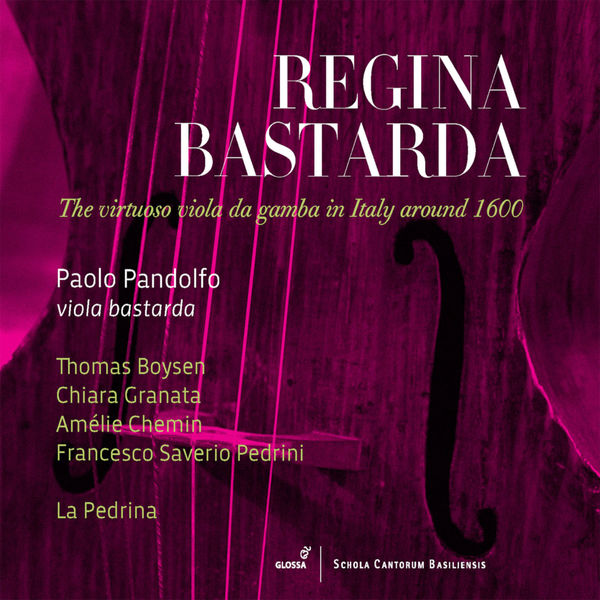
Regina bastarda – Paolo Pandolfo – La Pedrina (Glossa 2019)

Regina bastarda Paolo Pandolfo la Pedrina Glossa 2019 24 172

So what’s the “bastard queen” in the title all about? Well “alla bastarda” was basically an improvised version of popular songs and madrigals played on a solo instrument like the Viola da Gamba.

And that really is what we get here, a lot of solo improvisations of a true master of the Viola da Gamba of several composers of the 16th century.

To lighten the mix, the solo improvisations (which are not truly solo, there is a “continuo” of other instruments supporting Pandolfo (played by the excellent La Pedrina), are mixed with Madrigals from the same period, mostly by Palestrina.

Overall, this results in a mesmerizing mix of fascinating music, that will draw you in and require all your attention. This is not background music, but requires your full dedication. You won’t regret it!

My rating: 5 stars

Classical Life

A classical music blog by music critic Tim Mangan

This Week's Music

Making Classical Accessible

From my Macbook to the Net

Evaporation of my thoughts and observations

Elestra

Author: Artienne

My Life in Music

Playing, Singing and Listening

ArsX3

A brand new journal reviewing books, cinema, music

LawrenceEz's Blog

Creative and Performing Arts: Writing, Classical Music, Photography

Laetitia Strauch-Bonart

Contemporary Politics & Culture

sibling revelry

reveling in all things classical

It's A Raggy Waltz

I collect jazz on vinyl, I dig the Dave Brubeck Quartet, & I write about it

La Musica

By two cousins

thejazzbreakfast

Dishing it out from the heart of England

only jazz

random thoughts about music that matters to me

The Culture Project

Exploring the world of literature, wine, art, music and more.

René Spencer Saller

The music causes me to dream of fabulous empires, filled with fabulous sins.

Breaking Baroque

Blog of Tafelmusik Baroque Orchestra and Chamber Choir

Tasting Nirvana

Eating your Dosha

Shadow of Iris

Poetry, fiction, short stories, more ...

The Immortal Jukebox

A Blog about Music and Popular Culture

April Greene

Writer + Editor

a pianist's musings

A history of your favorite classical music.

Classical music for all

Boris Giltburg's blog

I HEAR VOICES

An orchestra seat in the web space