My Top 5 Classical Albums for 2016

My Top 5 Classical Albums for 2016

I know, people love lists. Especially men apparently. Remember Nick Hornby’s book High Fidelity? Subjectively speaking, half of the book are top 5 lists. Somebody even bothered to compile them.

Why do we love lists? Well, they are easily digestable, and give you the feeling that you really are getting the best of the best, right?

I must admit, I also pay quite a bit of attention to such lists, be it the Gramophone Awards, the Chocs de l’Année by Classica, or whoever else bothers to put together such best-of’s. Even on my own blog, my various best-of lists (from Mozart, to Christmas Jazz, to Jazz Covers) tend to be the ones with the most clicks.

So here we go again. Helpful even if you’re still looking for Christmas gifts (though in the age of downloads and streaming, giving away music becomes more tricky, an iTunes Gift Card is probably not very sexy under the tree).

They are ordered alphabetically, by composer. Please don’t ask me to rank them within.

So you DO ask me? Really?

Well, here you go. Note that this priority list may change next week if I’m in a different mood.

  1. Mozart: The Weber Sisters
  2. Schubert: String Quintet
  3. Bach: French Suites
  4. Mozart: Mass in C-minor
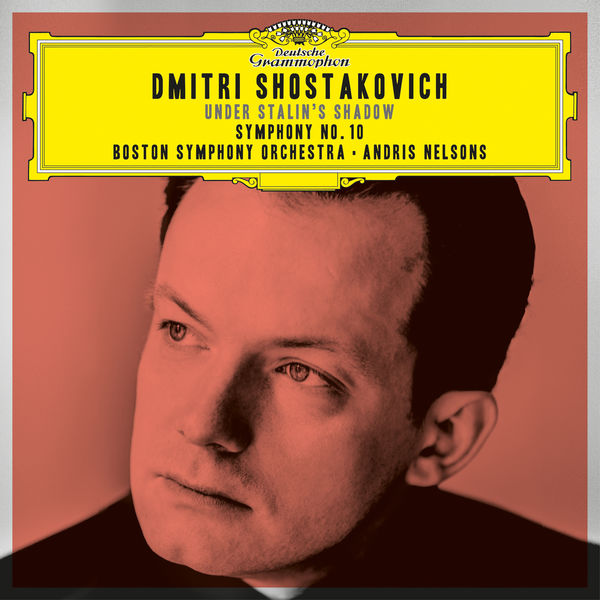
  5. Shostakovich: Symphonies No. 5, 8, and 9

Again, as all my reviews, this list is very subjective, and not only based on the performance itself, but how much fun I have listening to you.

Bach: French Suites – Murray Perahia
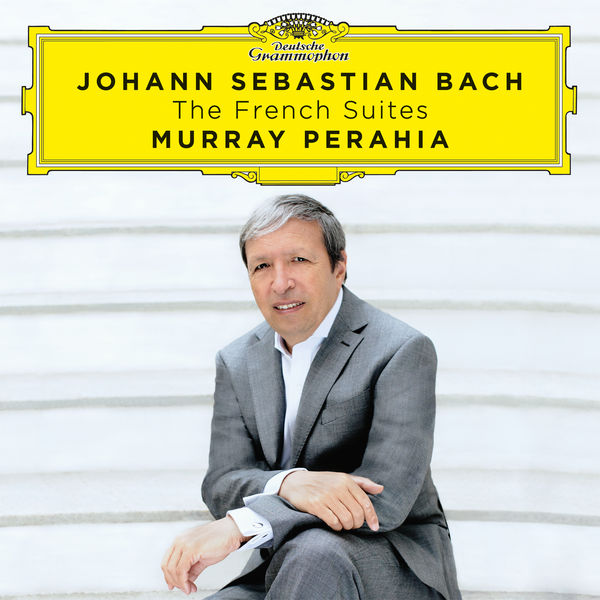
Johann Sebastian Bach: The French Suites - Murray Perahia (24/96) Deutsche Grammophon 2016

Perahia this year not only made it into my list of top 10 pianists (yes, yet another list), he is the only baroque album of 2016 onto this particular list.

A fantastic album (see my full review here), getting the well deserved Gramophone Editor’s Choice.

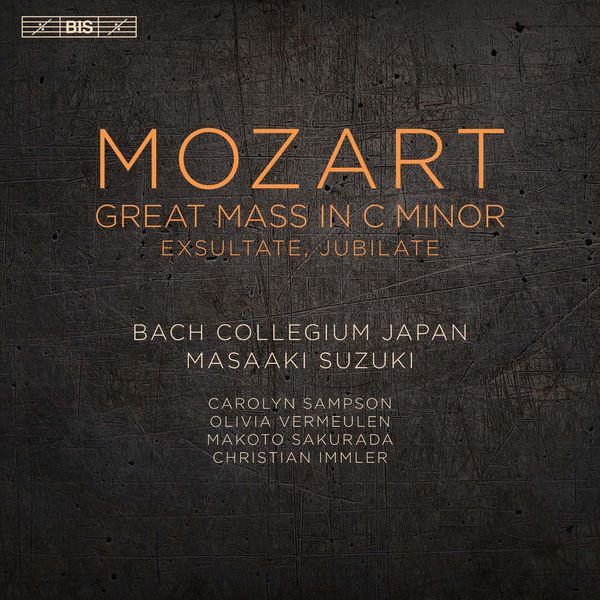
Mozart: Great Mass in C-Minor – Masaaki Suzuki 

Mozart appears twice in my top 5 list this year, this is not on purpose, but a very happy circumstance. The playing of Mozart has evolved so much since the days of big orchestral Karajan, historically informed practice really has given us so many new insights into Mozart. Here we have two excellent examples.
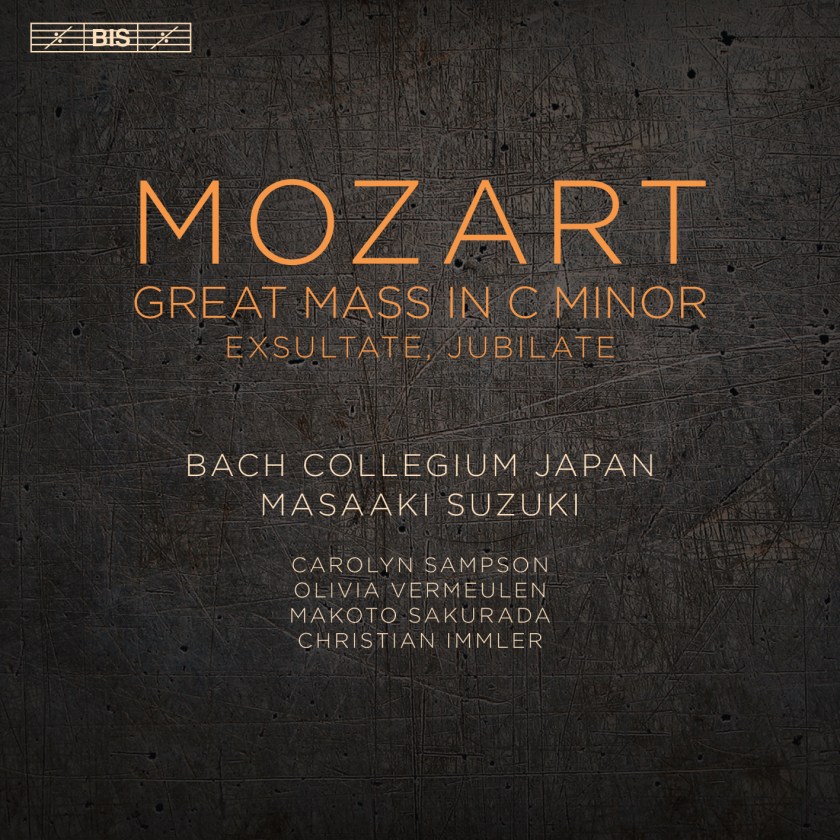
Mozart: Great Mass in C-Minor Exsultate Jubilate Masaaki Suzuki Bach Collegium Japan BIS 2016 24/96

Suzuki’s excellent new recording of the amazing C-minor Mass really is good enough to justify it’s place on this list. You’ll find my review here. Suzuki’s often very clean style doesn’t always convince me, but here we really have a winner.

Mozart: The Weber Sisters – Sabine Devielhe
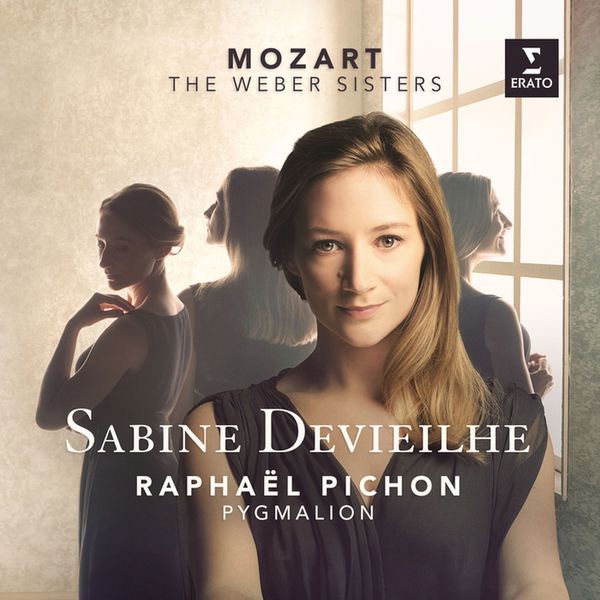
Mozart: The Weber Sisters Sabine Devielhe Raphael Pichon Pgymalion Erato 2015

Technically, this is an album that was released in November 2015 and I reviewed it last December. But I reviewed it after my Top 5 classical albums of 2015, so I it deserves to be highlighted here as well.

This is Mozart singing as beautiful as it gets. It’s a bit of a “concept album”, based on Mozart’s wife Constanze Weber, and her sisters. But honestly, you don’t need the booklet here to enjoy a voice that touches your heart directly.

Schubert: String Quintet – Quatuor Ebène & Gautier Capuçon
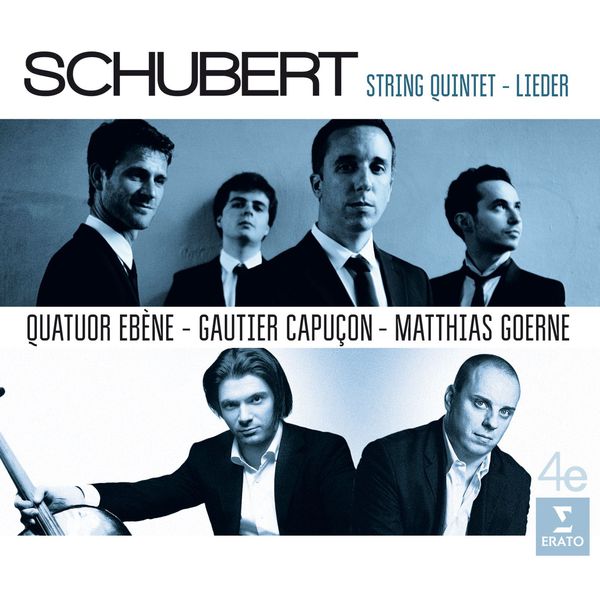
Schubert String Quintet - Lieder - Quatuor Ebène - Gautier Capuçon - Matthias Goerne ERATO 2016

As reviewed here, this is one of the best versions ever of the absolute masterpiece that is Schubert String Quintet. It was one of the Gramophone Award nominees in it’s category, I have no idea why it didn’t win.

Shostakovich: Symphonies No. 5, 8 and 9 – Andris Nelsons
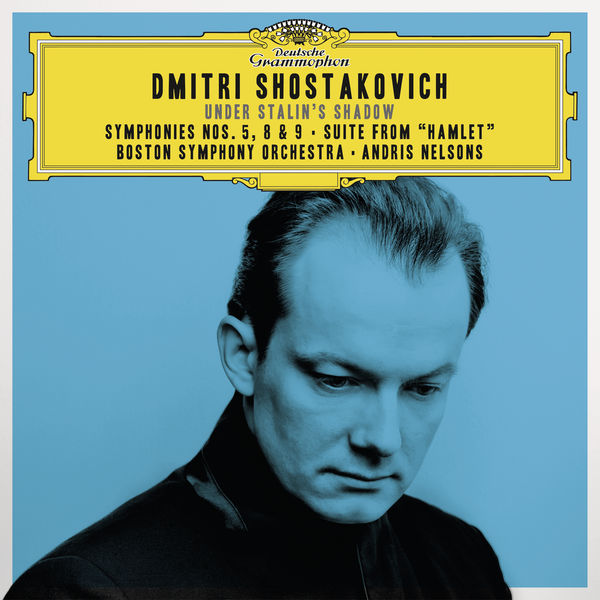
Shostakovich: Symphonies Nos. 5, 8 & 9 - Andris Nelsons - Boston Symphony Orchestra

I didn’t have time yet to write a formal review about this album.

As mentioned previously, I don’t often venture into 20th century music.

This album however, is really worth it. Shostakovich 5 and 9 are probably among the most approachable symphonies from the Russian genius, and these are so well played here by Nelsons in extremely engaging live recordings with the BSO.

My rating: 5 stars

So now it’s your turn

Do you agree, disagree? Anything I’ve missed? Anything that shouldn’t be on there? Please tell me in the comments!

You can find the albums here:

Bach Perahia:  here (Qobuz)

Mozart Great Mass: here (eclassical)

Mozart: the Weber Sisters: here (Qobuz) and here (Acoustic Sounds)
Schubert: here (Qobuz) and here (Prestoclassical)

Shostakovich: here (Qobuz) and here (Prostudiomasters)

Mozart’s C-minor Mass: A New Reference by Masaaki Suzuki

Masaaki Suzuki and the Bach Collegium Japan

Can a Japanese ensemble play Bach? Of course they can, and even at an astonishing level.

I’ve yet to hear a recording with Suzuki and his Bach collegium Japan that wasn’t worth checking out at least.

The only thing you can sometimes say about their recordings is that they can be a bit too polished, too perfectionist, and therefore a bit too well behaved.

Moving from Bach to Mozart, they already released a quite beautiful recording of the requiem in 2014.

The C-Minor Mass

I’ve written previously about this absolute masterpiece by Mozart, and recommended Louis Langrées version, and Herreweghe’s classic. This recommendation is still valid,  however, the Japanese really throw in a new very serious competitor.

Mozart: Great Mass in c-minor / Exsultate Jubilate – Masaaki Suzuki – Bach Collegium Japan –  Carolyn Sampson – Olivia Vermeulen – Makoto Sakurata – Christian Immler (BIS 2016)

What is spectacular about this album is the sheer transparency. The typical precision of the Bach Collegium really helps illuminate every little detail in the recording.

The typical outstanding recording quality by BIS obvously helps.

Mozart: Great Mass in C Minor Exsultate Jubliate Bach Collegium Japan Masaaki Suzuki Carolyn Sampson Olivia Vermeulen Makoto Sakurada Christian Immler

This really draws you into the work, and makes it sound like something new, that you’ve never heard before.

Of the two female singers, while I like Olivia Vermeulen, Carolyn Sampson is even more gorgeous. Listen to her in the Et Incarnatus Est, and it really will make you cry. Such a beauty!

The Exsultate Jubilate K165 in contrast is nice, but clearly a work of a very young Mozart (he was 17 when he wrote it). You won’t regret getting it, but we’re far away from the masterpiece that is the K427.

In summary, will this kick Herrweghe off the throne? Well, not exactly, but in my opinion he gets to share the top position from now on.

Check it out!

My rating: 5 stars

You can find it here (eclassical)

UPDATE December 2, 2016: In the latest December issue, Gramophone agrees, giving it an Editor’s Choice and calling it one of the best period instrument choices.

Gramophone Awards 2016 – And The Winners Are……

The Gods have spoken

Or to be more precise, the jury at Gramophone has today officially published the winners in each category.

So, how did my little Crystal Ball work this year?

Baroque Instrumental

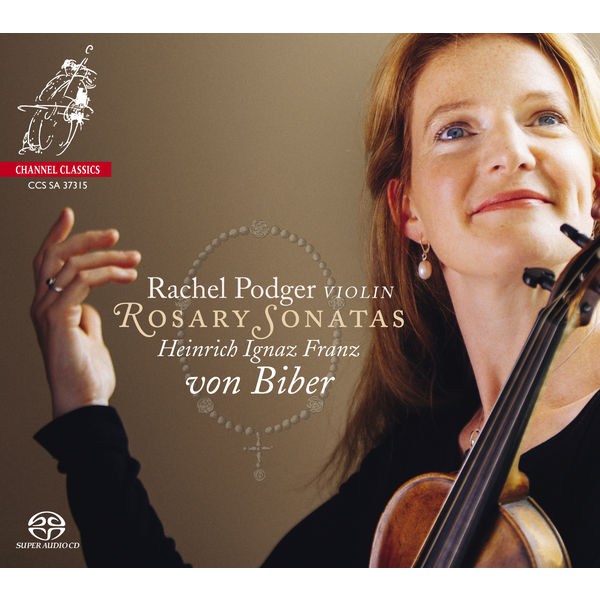
Here I forecasted a win for Rachel Podger’s Rosary sonatas.

Gramophone seemed to agree. Congratulations to Mrs Podger, well deserved!

Biber: Rosary Sonatas - Rachel Podger Channel Classics 2016 DSD

Baroque Vocal

As documented here, my vote went to Sebastian Daucé.

However, I’m perfectly supportive of the winner as well, congratulations to Les Arts Florissants for their winning Monteverdi album!

Monteverdi: Madrigali vol. 1 Cremona Paul Agnew Les Arts Florissants 2016


Chamber

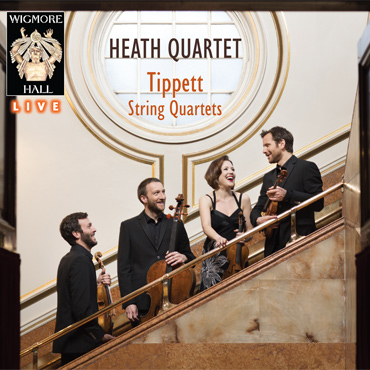
While my vote would have been for the Quatuor Ebène, the jury went for the Heath Quartet’s Tippett album. Ok, no comment here, it’s just not my cup of tea.

Tippett String Quartets Heath Quartet Wigmore Hall Live

Choral

I just noticed I completely forgot to even mention this section in  my previous posts, don’t know what happened here. Well, anyhow, here’s the winner. I haven’t heard it, so no comment from my side.

Schönberg Gurrelieder Markus Stenz Gurrelieder Hyperion

Concerto

As written here, I’d have voted for Trifonov, but the Gramophone Jury liked Vilde Frang’s Britten and Korngold better. Congrats to Mrs Frang, and I’ll leave it at this, given that this album doesn’t really speak to me.

Britten/Korngold Violin Concertos James Gaffigan Frankfurt Radio Symphony James Gaffigan

Contemporary

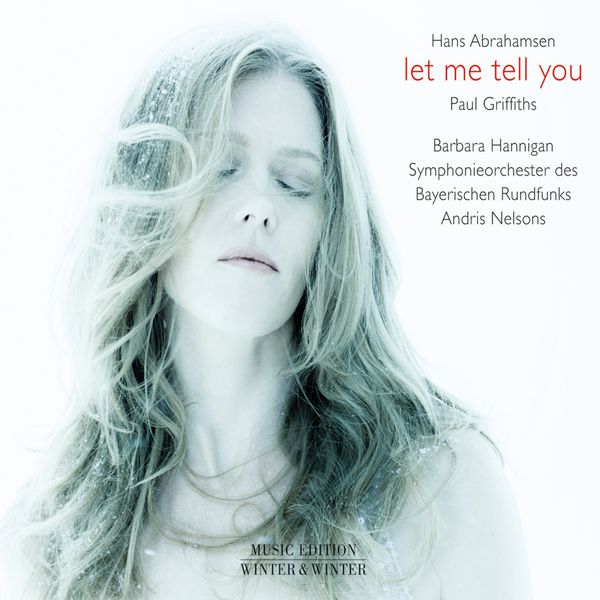
I didn’t write about this section at all as I’m not really qualified, however, I must admit the winner looks interesting enough that I’ll check it out in more detail:


Hans Abrahamsen : Let me tell you Barbara Hannigan Andris Nelsons Winter & Winter


Early Music

Again a section I completely ignored in my posts.

0822252235227_600

I’ll take time to check this out formally, looks certainly interesting

Instrumental

Igor Levit Bach Goldberg Variations Beethoven Diabelli Variations Rzewski The People United Will Never Be Defeated Sony 2015

Now we’re back in familiar territory, and while I would have appreciated the recognition for Chamayou’s Ravel, Levit very much deserves this price IMHO.

Opera

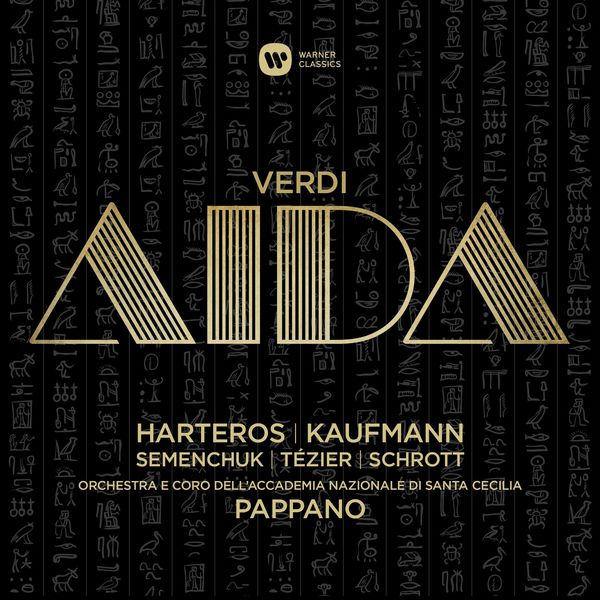
My coverage of the Opera section was a bit light,  but at least my prediction of the winning album was correct:

Verdi: Aida Pappanis Anja Harteros Jonas Kaufmann

This album really is a must-have.

Orchestral

Very interestingly, here I correctly predicted the winner without even having actively previously listened to any of the nominated albums. Congratulations to Andris Nelsons!

Shostakovich Symphony No. 10 Andris Nelson Boston Symphony Orchestra Deutsche Grammophon 2016 24 96

Recital

Yes, she did it! As I was hoping, Sabine Devieilhe wins in her category. Couldn’t agree more!!!!

Mozart: The Weber Sisters Sabine Devielhe Raphael Pichon Pgymalion Erato 2015

Solo Vocal

This is another section I completely skipped in my blog post.

For reference, here’s the winning album:

Néère - Hahn, Duparc, Chausson - Véronique Gens Alpha

I really like Véronique Gens, but had only very briefly sampled this album, I’ll make sure to give it a proper listen now.

Summary

Let me virtually brag a bit (sorry!) and say that my crystal ball did a pretty good job this year. Out of 8 categories I wrote about, I got 5 “right”. Not a bad score (insert smiley here). OK, bragging mode off again.

What do you think? Who would you have chosen?

I really appreciate your feedback!

RIP Maestro Harnoncourt

Nikolaus Harnoncourt passed away today.

What a loss for classical music!

I’ve not written about any of his recordings on my blog. He’s been mentioned a couple of times as a great alternative version, but I’ve never recommended his version as the best.

Just to be clear this is not because I do not absolutely admire this genius! His influence on classical music by being a leading advocate of historically informed practice is huge.

I have many many of his recordings, and like most of them. There was never an uninteresting version, he always had something to say. He will be missed.

Playing in his honor today on my stereo is:

Mozart Requiem Nikolaus Harnoncourt Concentus Musicus Wien Deutsche Harmonia Mundi 24 44

You can find this outstanding recording here (Qobuz)

Brahms lesser known choral works brilliantly performed by Philippe Herreweghe

One more post on Brahms (again).

I was thinking I’d be writing next about his amazing Deutsches Requiem, the only major requiem I know of that is not written to the traditional latin text but where Brahms himself has chosen parts of the bible he really cared about and in his native language, German (hence the title).

But somehow, this amazing work still overwhelms me and I don’t feel ready yet to talk about it at this stage. If you want to check it out, you can’t go wrong with Klemperer’s classic version on EMI, with the amazing Elisabeth Schwarzkopf and Dietrich Fischer-Dieskau. More about this later.

So let me write about all the works that share the beauty of the Requiem masterpiece but are much less known, and deserve to be known better, mainly the “Schicksalslied” and the “Alto Rhapsody”.

Schicksalslied op. 54

The Schicksalslied op. 54, or Song of Destiny, takes a Hoelderlin poem and puts is in words. Do yourself a favor and check out the beautiful lyrics. (I’m the first to admit I’m still not sure I fully understood it to be fair, but the beauty of the words are extremely touching.)

You’ll see that the text is split in two parts, one describing the beauty:

Luminous heaven-breezes

Touching ye soft,

Like as fingers when skillfully

Wakening harp-strings.

the second one about desperation:

To us is allotted

No restful haven to find

The music is split in two parts, of pretty much identical duration, that reflect the lyrics, you can feel the heaven-breezes in the first 8 minutes, while the music slides with us “Destined to disappearance below” in the second half of the work.

All in all, about 16 minutes of extreme intensity, both musically and vocally.

Alt-Rhapsodie op. 53

Written around the same time as the Schicksalslied (notice the relates opus numbers), and about 1 year after the requiem. On top of the chorus, this cantata has a solo alto.

On this work there is a background. I’ve mentioned before that Brahms was in love with the beautiful, young and extremely talented (she was one of the major piano virtuosos of her time) wife of his mentor, Clara Schumann. In a twist that would sound unrealistic even for a Hollywood blockbuster script, he later considered marrying one of her daughters, Julie. He actually never did (and apparently never even proposed), for unknown reasons, and remained a bachelor for his entire life. So he wrote this for her (Julie’s) wedding as a “good-bye” to marriage.

Now consider the starting lyrics of the alto aria, taken from Johann Wolfgang von Goethe (Brahms clearly knew his German classics) “Harzreise”:

Aber abseits, wer ist’s?“ (But who is that apart?) describing some poor fellow who is “engulfed by the wasteland”. In spite of these lyrics, the work is surprisingly calm and relaxed, and has very beautiful interaction between the solo alto and the chorus.

Philippe Herreweghe

The Belgian conductor Philippe Herreweghe has been one of the stars of the historically informed practice of playing music, and has started mainly with Baroque music. In recent years, he has ventured more and more into the romantic period, conducting Mahler, Dvorak, and also Brahms

5400439000032_600-1

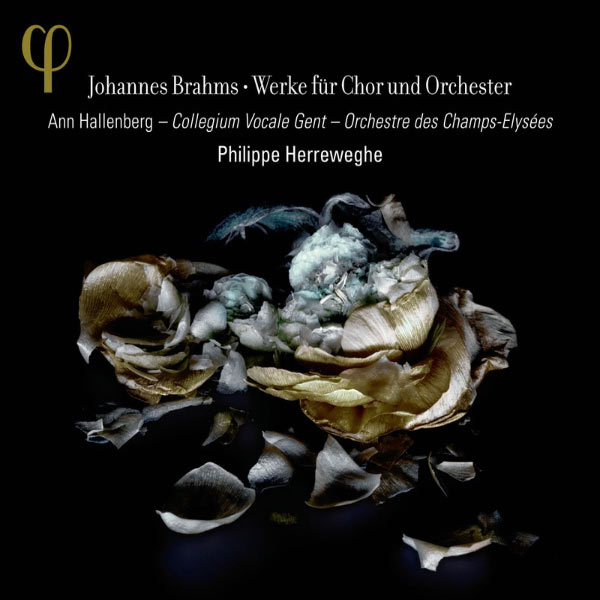
His recording of the Alto Rhapsody and Schicksalslied dates from 2011 and has appeared on his own label, Phi. I’ve had the pleasure of seeing both works performed live, again at the KKL in Lucerne, I believe in 2012.

This version is outstanding. Ann Hallenberg doesn’t have the power of a Christa Ludwig on the legendary Klemperer recording (you’ll have noticed by now that you never go wrong with Klemperer on Brahms), but the recording it has so many beautiful nuances and shades, both in the excellent choral parts and the vocal solo, that is has become my go-to version of these beautiful works.

As “fillers”, you get three more choral works from Brahms that are even less known than the two before, a Motet, the Begräbnisgesang op. 13, and the Gesang der Parzen op. 89. None of them individually would be worth buying an album for, but there is a lot of beauty especially in the 11 minutes of the Gesang der Parzen. But if you don’t mind purchasing albums by the track, you can also stop after the first two tracks in my opinion.

My rating: 5 stars

Let me know what you think in the comments below!

Classical Life

A classical music blog by music critic Tim Mangan

This Week's Music

Making Classical Accessible

From my Macbook to the Net

Evaporation of my thoughts and observations

Elestra

Author: Artienne

My Life in Music

Playing, Singing and Listening

ArsX3

A brand new journal reviewing books, cinema, music

LawrenceEz's Blog

Creative and Performing Arts: Writing, Classical Music, Photography

Laetitia Strauch-Bonart

Contemporary Politics & Culture

sibling revelry

reveling in all things classical

It's A Raggy Waltz

I collect jazz on vinyl, I dig the Dave Brubeck Quartet, & I write about it

La Musica

By two cousins

thejazzbreakfast

Dishing it out from the heart of England

only jazz

random thoughts about music that matters to me

The Culture Project

Exploring the world of literature, wine, art, music and more.

René Spencer Saller

The music causes me to dream of fabulous empires, filled with fabulous sins.

Breaking Baroque

Blog of Tafelmusik Baroque Orchestra and Chamber Choir

Tasting Nirvana

Eating your Dosha

The Immortal Jukebox

A Blog about Music and Popular Culture

April Greene

Writer + Editor

a pianist's musings

A history of your favorite classical music.

Classical music for all

Boris Giltburg's blog

I HEAR VOICES

An orchestra seat in the web space