Let Me Weep – Rinaldo, Händel’s First Major Opera

In my post some time ago on The Top 10 Music That Gives Me Goose Bumps, I mentioned the famous aria “Lascia ch’io pianga” (Let me weep).

Georg Friedrich Händel

I still haven’t written about this piece, or actually about Georg Friedrich Händel  (I still prefer his German spelling, although in later years he became one of the first “expats” of all times in London and the English spelling of George Frideric may be more familiar to you) in general

Rinaldo, as its HWV number of 7 indicates, is one of the earlier Händel works, but in spite of this, Lascia is what we’d call recycling today, as it has been used twice before in other works, once without words in his op. 1, the opera Almira (rarely played these days), and also in the oratorio Il Trionfo Del Tempo E Del Disinganno (which in spite of its HWV number of 71 is also really early, but was reworked).

This kind of recycling in the baroque area was very common, even Bach used it all over the place, by the way. Many cantatas all over sudden will remind you of the Christmas Oratorio, or have a piece of the Brandenburg concertos.

Rinaldo HWV7

But back to Rinaldo. This was probably the first of his London operas. The story, is based during the first crusade near Jerusalem, and based on an epic by Torquato Tasso.

In spite of the great success of Lascia, the entire opera hasn’t been recorded that often. These days you basically have the choice between three versions (plus some DVD editions).

The oldest one is Jean-Claude Malgoires 1977 recording on Sony, still quite nice.

The to more recent ones are René Jacobs that I haven’t written about a lot yet, and Christopher Hogwood, both from the first decade of this century. Between the two I have a preference for Hogwood, thanks to its outstanding cast, in spite of the fact that Cecilia Bartoli sometimes is a bit heavy in terms of vibrato (I prefer the cleaner singing of the modern “historically informed performance” style).

This recording should be on every collectors shelf (or these days more likely, hard drive).

My rating: 4 stars (as beautiful as it is, I still think this can be bettered in a future version).
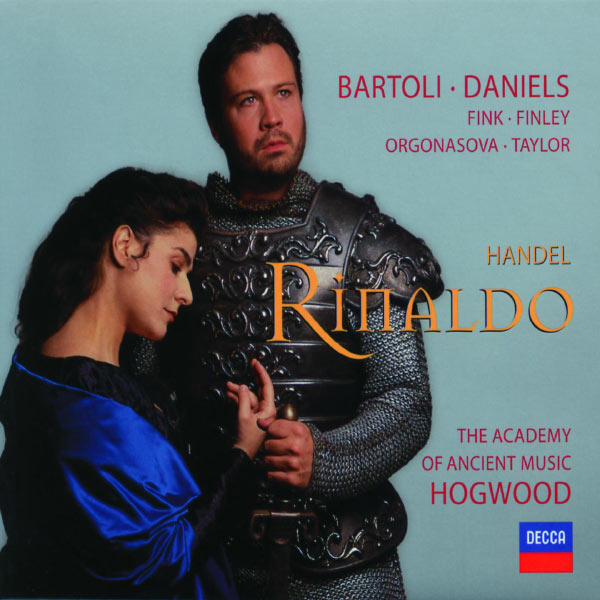
Handel Rinaldo Christopher Hogwood Cecilia Bartoli Decca

Recitals or “Best Of Compilations”

When I was younger, I was very snobby towards Best Of or “Highlight” versions of operas, I always wanted to get the full opera. With operas of the classical period, I’m still that way, however, for baroque opera, that are usually very long, have rather complex and/or weird stories I must admit I don’t always have the patience for 3h plus of Opera seria. Luckily you’ll find the most popular (and outstandingly beautiful) arias of Händel et al quite often on recital albums by individual soloist.

Let me recommend two very beautiful ones here that feature Lascia, by Patricia Petibon and Simone Kermes, respectively called Rosso and Drama, and both highly recommended. They offer an excellent entry into baroque opera.
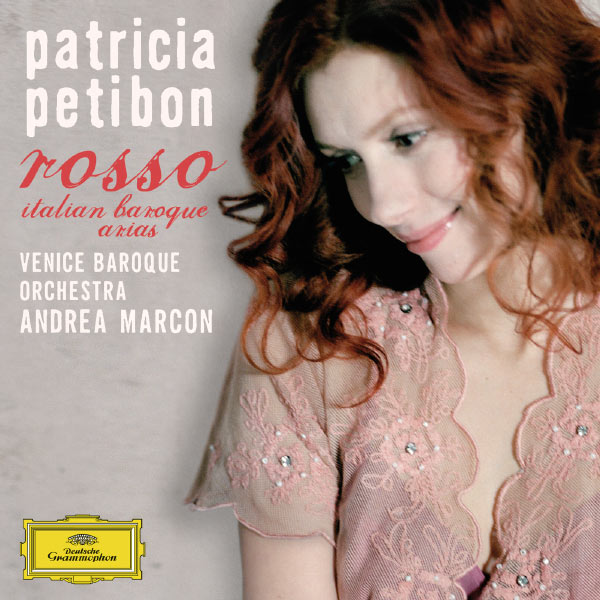
Patricia Petitbon Rosso Andrea Marcon Venice Baroque Orchestra Deutsche Grammophon

Simone Kermes Dramma Sony

And finally, let me mention another beautiful version of Lascia, in a Jazz version this time, by the amazing trumpet player Paolo Fresu, on the album Kosmopolites:

http://https://www.youtube.com/watch?v=d3bXeGwSJBc

Download Sources:

Hogwood’s Rinaldo: here (Qobuz)

Patricia Petitbon: Rosso: here (Qobuz)

Simone Kermes: here (Qobuz)

Paolo Fresu: Kosmopolites: here (Qobuz)

Georg Friedrich Händel – beyond the Messiah

I’ve already mentioned before that my personal ranking of Baroque composers is Bach first, Händel is second.

So let me write about no. 2 on the list. Händel is German, although he spent quite a bit of his professional life in London and is somehow adopted English, so probably you’re more familiar with the George Frideric spelling of his name.

Most well-known classical music pieces

If you ask the average guy on the street whose typical musical fare is contemporary pop music, chances are he or she has at least heard a couple of ultra-famous classical pieces. These often include the “Da-da-da-daaaa” from Beethoven’s 5th, Bach’s Toccata BWV565 etc. etc.. Somebody even bothered to compile a top 10. Not surprisingly, this top 10 list includes our friend Georg Friedrich (sorry, I’ll stick to his birth name). Guess which one it is? Obviously: “Hallelujah” from the Messiah.

I’m not such a big fan of the Messiah, it’s good, but I can only listen to it ever so often. But it summarizes one of the two things Händel does really well: Glorious Oratorios, often with festive character. His two other rather well-known pieces, the fireworks- and water music, are of similar character.

The other thing Händel is really great at, is related, amazing stage drama. His Baroque operas and oratorios (many oratorios are actually operas, but weren’t allowed to be called opera as the pope Clement XI had some issue with this form of entertainment). I’ll certainly post more about the baroque operas later.

Music for Queen Caroline

3149028063127_600

Back to the festive music. Obviously key clients for composers at the time were royals, and royal festivities like the arrival of a new queen, the coronation, or even funerals, required the appropriate musical soundtrack.

This album from William Christie and his Les Arts Florissants ensemble from 2014 brings you all three. Like many others, William Christie, the American turned French conductor has created his own label for this release. By the way, usually you can buy most of Christie’s releases blindly, he’s rather ever done a bad album and many are outstanding. His Messiah is still my personal reference version.

You’ll get three oeuvres on this album, all related to Queen Caroline (another German in the long history of German blood in the British royal family by the way): The Coronation Anthem, a Te Deum that was even nicknamed after her, and her funeral music.

All three are just outstanding pleasure to listen to, and William Christie does an amazing job here. This is 1h12 packed with emotions, with very little time to relax. Furthermore, this album is very well recorded, which makes the impact on a good stereo even stronger.

Highly recommended.

My rating: 4 stars

(this is one potential 5 star candidate, but I’ve only acquired it recently and need to give it some more spins before making u p my mind).

Update Oct 2016: I’ll stick to the 4 star rating. It is really nice to have but not essential.

What is your favorite piece by Händel?

Classical Life

A classical music blog by music critic Tim Mangan

This Week's Music

Making Classical Accessible

From my Macbook to the Net

Evaporation of my thoughts and observations

Elestra

Author: Artienne

My Life in Music

Playing, Singing and Listening

ArsX3

A brand new journal reviewing books, cinema, music

LawrenceEz's Blog

Creative and Performing Arts: Writing, Classical Music, Photography

Laetitia Strauch-Bonart

Contemporary Politics & Culture

sibling revelry

reveling in all things classical

It's A Raggy Waltz

I collect jazz on vinyl, I dig the Dave Brubeck Quartet, & I write about it

La Musica

By two cousins

thejazzbreakfast

Dishing it out from the heart of England

only jazz

random thoughts about music that matters to me

The Culture Project

Exploring the world of literature, wine, art, music and more.

René Spencer Saller

The music causes me to dream of fabulous empires, filled with fabulous sins.

Breaking Baroque

Blog of Tafelmusik Baroque Orchestra and Chamber Choir

Tasting Nirvana

Eating your Dosha

The Immortal Jukebox

A Blog about Music and Popular Culture

April Greene

Writer + Editor

a pianist's musings

A history of your favorite classical music.

Classical music for all

Boris Giltburg's blog

I HEAR VOICES

An orchestra seat in the web space