Musicophile’s Top 10 Favorite Classical Pianists

Top 10 and Best-Ofs

I don’t do top 10 lists often. I probably should to them more often, as if you’re a blogger you know that they tend to generate higher than average traffic, somehow either Google or more likely the average reader tends to like this kind of lists (and I must admit, I tend to click on other peoples “best of lists” as well), but I usually prefer to write about individual albums instead.

My Personal Top 10 Pianists

That said, the idea for this particular blog post came along while doing some comparative listening for a future blog post on Schubert’s piano sonatas. I noticed I always keep going back to a certain number of pianists, that I love and respect, and that usually always have something to say.

Obviously, this list is highly subjective. This is not supposed to be “Great pianists of the century” or Top 100 pianists of all times, you’ll find plenty of those on the internet already.

So obviously, there will be great names missing, Schnabel, Arrau, Rubinstein, Brendel, Trifonov, etc. etc. etc.

I’ll be listing them in alphabetical order, as there is absolutely no way I’ll try to rank them.

So, here we go:

  • Leif Ove Andsnes

Not very suprisingly, given that I’ve already listed him here for my all time favorite version of Grieg’s piano concerto, and have praised his recent Beethoven cycle with the Chamber orchestra of Europe.

I’ve seen him live playing Beethoven’s concerti 2-4 in a row, without a conductor. An amazing experience.

What I haven’t mentioned yet is that Andsnes has also recorded an excellent version of Rachmaninov’s piano concertos with Antonio Pappano, which I have yet to review.
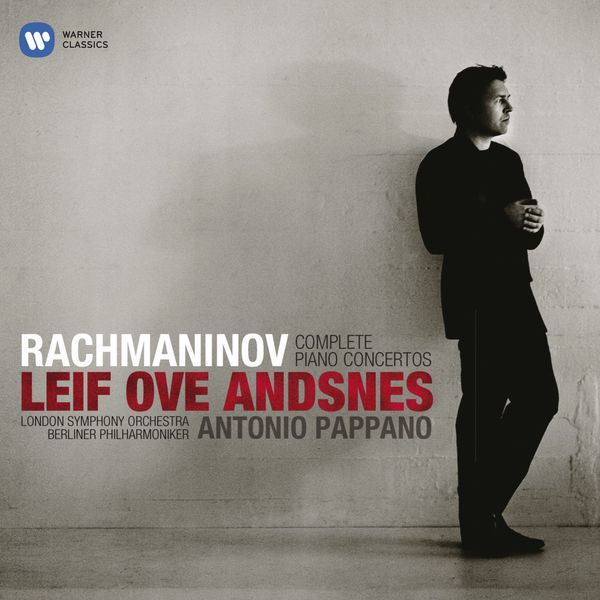
Rachmaninov Complete Piano Concertos Leif Ove Andsnes London Symphony Orchestra Berliner Philharmoniker Antonio Pappano Warner Classics

I guess that covers such a large range of the romantic piano concertos that it is pretty clear why I’m choosing him. Note I could have mentioned many other beautiful recordings, including solo piano or chamber music.


  • Martha Argerich

Well I said I’m not going to rank the pianists, but Martha clearly makes it all the way to the top of the list.

With her, you can really start at the beginning, with her legendary debut album following her winning the 1965 Warsaw Chopin competition. 

Or go to a very recent recording around 50 years later of Argerich playing Mozart’s concertos, as mentioned in My Must Have Mozart Albums.

Or, for the sake of it, pretty much everything she has recorded in between. The only exception are some of the live recordings from her beloved Lugano festival, not all of them are necessarily must haves. But beyond that, you can be sure that her energy to enchant you!

Here is another example:
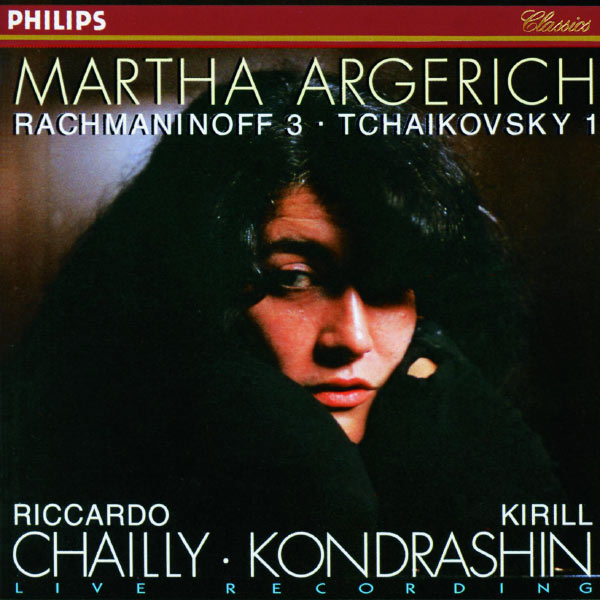
Martha Argerich Rachmaninov 3 Tchaikovsky 1 Riccardo Chailly Kirill Kondrashin

There are several “complete”, “best of”  and “collection” boxes out there. All are highly recommended.


  • Rafal Blechacz

Together with Benjamin Grosvenor and Igor Levit, among the youngest on this lists.

I had to list him already for his outstanding Chopin Préludes, as reviewed previously.

Another recording I can recommend is his Debussy and Szymanowksi album from 2012.
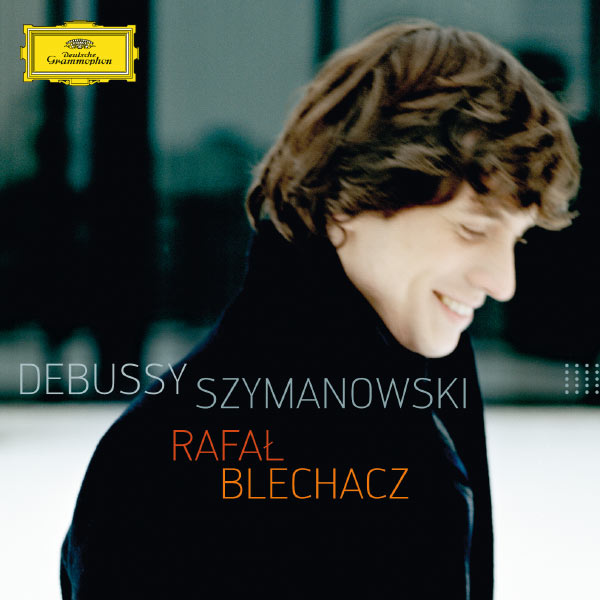
Debussy Szymanowksi Rafal Blechacz Deusche Grammophone 2012

I’ve seen him live play Chopin and Szymanowski, and I was really impressed by this timid young man and the intimacy of his playing. Somebody to watch.


  • Ronald Brautigam

Playing on an “authentic” piano that sounds like the composer would have heard the piece is a relatively recent trend, as techniques in the reconstruction of the fortepiano, and alongside the specific playing skills for these instruments have evolved.

I’ve already mentioned his beautiful version of Mendelssohn’s Lieder Ohne Worte (review of part I here, part II here).

However, what I recommend most often is his outstanding complete Beethoven sonata cycle. Obviously this doesn’t replace the efforts on modern piano from Schnabel to today, but you really owe it to yourself to discover how Beethoven can sound on a piano of that time, exceptionally well played by this amazing artist.
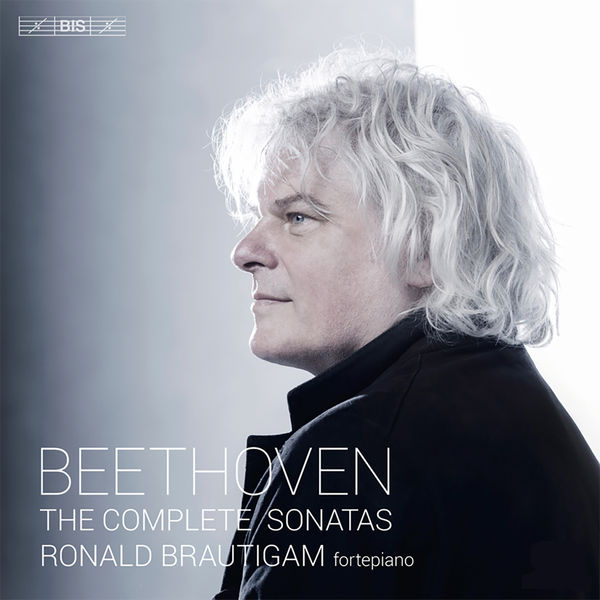
7318599920009_600


  • Emil Gilels

Why Gilels as a representative of the great pianists of the 1950s-70s, and not Rubinstein, or Richter, or Horowitz?

Well, honestly, all of them would have deserved to be listed here. I’m just having a very special attraction to his Brahms concertos, be it with Jochum (reviewed here) or with Fritz Reiner and the CSO.

Another album that is his outstanding recording of Grieg’s Lyric Pieces, an all time classic.
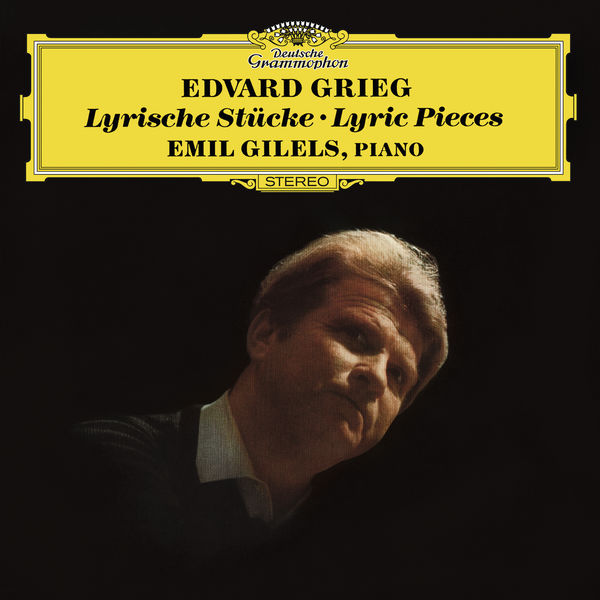
 

Edvard Grieg Lyric Pieces Emil Gilels Deutsche Grammophon 24 96


  • Benjamin Grosvenor

I’ve just recently praised his latest album, Homages (review here), and given 5 stars to his Chopin Liszt Ravel album here. He was also nominated for the Gramophone awards for his album Dances in 2015, which he should have won (IMHO).
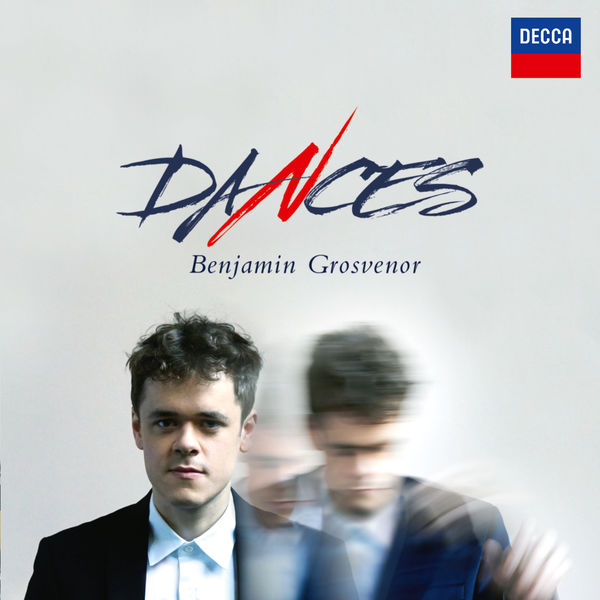
Benjamin Grosvenor Dances Decca Classics

He is probably the youngest of my list (note to self, do some fact checking), and among his few recordings, all are just amazing. This is one of the most outstanding talents I’m aware of.


  • Igor Levit

Regular readers of my blog know that I’ve praised this great young artist several times already.

Most lately for his Gramophone Album of the Year: Bach / Beethoven /Rzewski, see here for my review, and here as well, as well as in my article about the top 5 classical albums of 2015.

Back in 2015, his Bach Partitas album was also nominated by Gramophone for an Award in the Instrumental category.

But there is one album I haven’t mentioned yet on my blog, which I also like very much, his debut on Sony.

And no, he didn’t start easy, he tackled immediately Beethoven’s late piano sonatas.
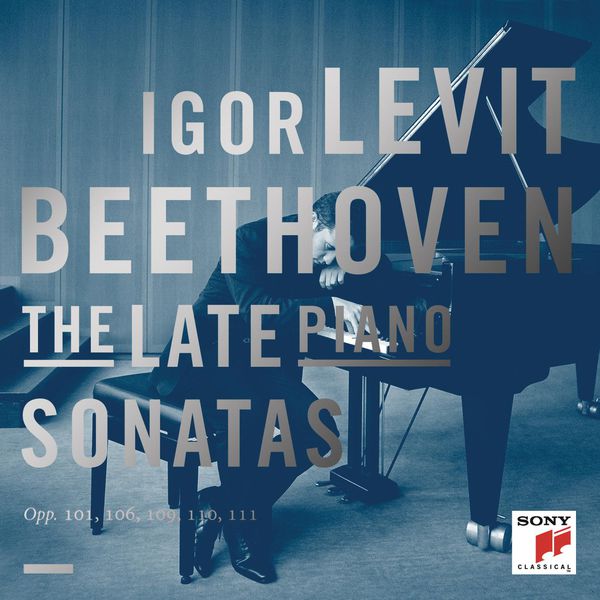
Igor Levit Beethoven The Late Piano Sonatas Sony Classical 24 96 2015

And how! This is not only technically impressive (the Hammerklavier always is) but such a high level of musicality. Again, watch this artist!


  • Ivan Moravec

Very simply, for the most beautiful Chopin Nocturne recording there is, see my review here. But basically, his other Chopin is also excellent. I actually don’t have any recording from other composers by him. I’ll investigate!

Ivan Moravec Chopin Nocturnes


  • Murray Perahia

No idea why I haven’t written more about Perahia. I’ve mentioned him as one of my favorite Goldberg players, and his Bach in general is excellent (will need to write about his new French suites at some point).

But fundamentally, this is one of the pianists that really adds new insights to whatever he touches. Never flashy, never show-off, but always nuanced.

As an example, let me take his Schumann, which is among the best recordings I know of these little gems:
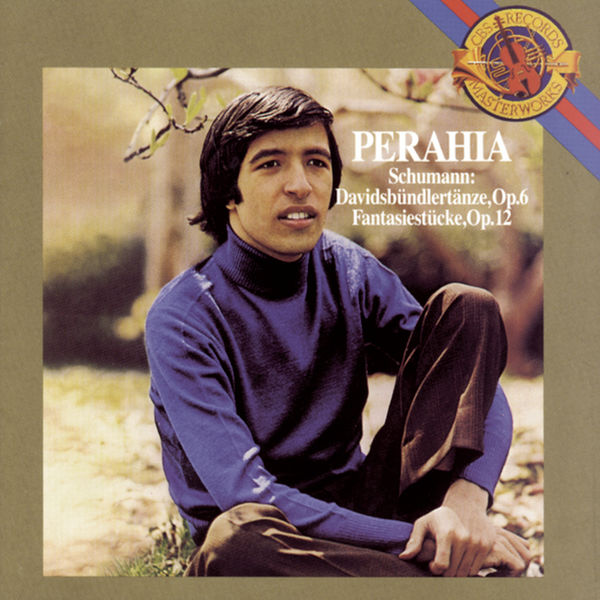
Schumann: Davidsbündlertänze, Fantasiestücke Murray Perahia CBS Sony


  • Krystian Zimerman

Again, an artist I haven’t mentioned enough. A living legend to me, winner of the 1975 Chopin competition in Warsaw (he’s the third from this illustrous list, together with Argerich and Blechacz).

Which album to mention? Usually he records relatively few albums, so you can pretty much trust them to be top notch in general.

My preferred is probably his Chopin Ballades:
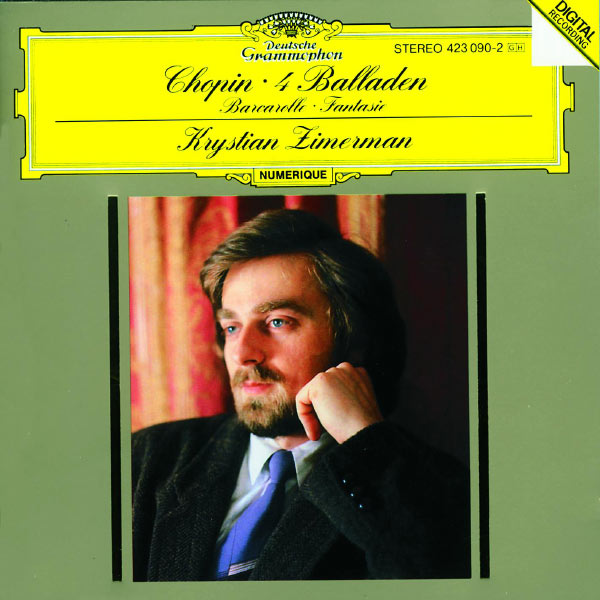
Chopin: 4 Ballades, Barcarolle, Fantasie Krystian Zimerman Deutsche Gramophon

I’ve heard him play live couple of years ago, including the Barcarolle. He maybe the most intellectual pianist I’m aware of, and you can hear the cerebral approach he takes. That said, this isn’t to say that his music isn’t full of emotion.

I could also have mentioned his Chopin piano concerto recordings, be it with the LA Phil or the Polish Festival orchestra, both are among the best there is for these works.


What do You think?

So, here we go. What do you think? Do you agree, disagree? Did I miss anybody (I’m sure I did, with this artificial cut off of 10). Please let me know?

You can find the albums mentioned here in the respective links to previous posts, or below:


Schumann’s Cello Concerto by Jean-Guihen Queyras – A Review

A Trilogy

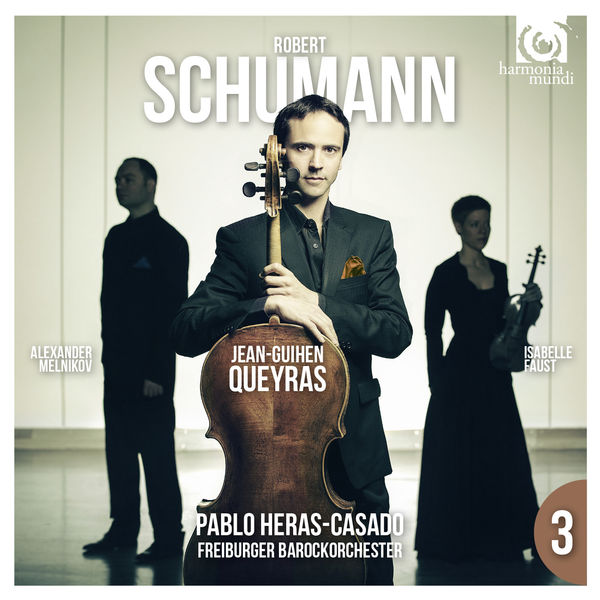
This is now the third and presumably album of an exciting series by three outstanding musicians.

The German violinist Isabelle Faust (yes, I’m a big fan, see here or here), the Russian pianist Alexander Melnikov, and the French cellist Jean-Guihen Queyras are all great musicians individually, but get even better when they play together.

An excellent example is their recording of some Beethoven Trios on Harmonia Mundi some years ago, and Faust’s and Melnikov’s collaboration on Beethoven’s and Brahms’ violin sonatas are among my absolute favorites (the latter made it as part of my top 5 classical albums in 2015).

In this particular project, the three have decided to attack Schumann, and to couple one of his 3 piano trios with one of his orchestral solo works, playing with the Freiburger Barockorchester under Pablo Heras-Casado, on Harmonia Mundi.

Faust started, coupling his piano trio with his relatively unknown violin concerto back in early 2015. I really like this album.

Some month later Melnikov got his chance to play the famous piano concerto (see my 4 star review here) with piano trio no. 2.

So here we are at release no. 3, focusing obviously on the Cello concerto, and the remaining trio no. 1.

Schumann: Cello Concerto and Piano Trio No. 1 – Jean Guihen Queyras – Pablo Heras-Casado – Freiburger Barockorchester (Harmonia Mundi 2016)

Schumann: Cello Concerto / Piano Trio No. 1 Jean-Guihen Queyras Alexander Melnikov Isabelle Faust Pablo Heras-Casado Freiburger Barockorchester 2016 Harmonia Mundi

I expected quite a lot from this album, given that I really liked the two predecessors. However, on the Cello concerto I’m not exactly getting what I expected.

Schumann to me is one of the highest points of romanticism. I really like the energy, passion, and drama in his orchestral works. However, both Queyras and Heras-Casado chose a more subdued approach here, and I unfortunately constantly feel I’m missing something.

To explain what I mean, let me refer to my two personal reference versions for this concerto, by the legendary Jacqueline du Pré (playing with Daniel Barenboim), and even more, Janos Starker with Antal Dorati and the London Symphony. Do you hear the passion,  the power?

Here is a Youtube example of du Pré:

Maybe I just need to listen to the Queyras version more to get used to it, but so far it just doesn’t pull me in enough.

Obviously, we are talking about an excellent soloist (I really like his Bach Cello Suites for example) with a great orchestra, so fundamentally this remains a good recording, it is just not my cup of tea.

However, going back to the chamber music, all is well. These three trios, spread over 3 albums, will remain my reference version of these works for a foreseeable future.

My rating: 4 stars, averaging 3 stars for the Cello Concerto and 5 stars for the trio.

You can find it here (Qobuz) or here (Prostudiomasters)

Brahms Sonatas: Another Masterpiece from Faust and Melnikov

Yes I know, I come across a an Isabelle Faust fan boy (see my review of her Brahms concerto here and of her contribution to the Schumann trio here). Well what the heck, I stand by it, she’s great.

And in the fabulous combination with Alexander Melnikov even more. Their Beethoven violin sonatas are my absolute favorite version.

And now they release a Brahms recording! As you have seen from the title of my blog, I’m a big Johannes fan as well. So, expectation were high, high enough for me to even pre-order the album (don’t know why I bother doing this, it’s not that you get it any sooner, and I could otherwise stream the content before making my purchase to check). Well, call it dedication, or silliness.

Brahms Violin Sonatas 2 & 3

Brahms Isabelle Faust Alexander Melnikov Violin Sonatas 2 & 3 Harmonia Mundi 2015

Well, this one’s got tough competition, as my reference version is none less than Szeryng and Rubinstein for op. 108! (to be fair, this was also my first ever recording of the sonatas, so I may be biased.

On top of the sonatas 2&3 (op. 100 and 108) from Brahms, you get a set of Romances (op. 94) by Schumann, and a very rarely played work, the “F.A.E.” (“frei aber einsam“, free but lonely) collaboration of Brahms, Schumann, and Schumann’s unknown pupil Albert Dietrich. Frei aber einsam was the motto of Joseph Joachim, the famous violin player, friend of both Schumann and Brahms, he actually introduced the two in the first place. Both “fillers” are beautiful pieces that are well worth being discovered.

But you’ll obviously buy this mainly for the sonatas, and you won’t be disappointed. Alexander Melnikov plays a beautiful 1875 Bösendorfer period instrument, and Faust her regular “Sleeping Beauty” Stradivarius. You get energy, passion, but also extremely nuanced quieter moments.

Does this kick my Szeryng/Rubinstein version from the throne? Maybe not quite. But it stands on equal foot right next to it.

Highly recommended. Plus you get the beautiful Harmonia Mundi sound.

My rating: 5 stars

You can buy it here (Qobuz) or here (Prestoclassical)

P.S. My iMac bluetooth keyboard is going nuts, the “s” and “w” keys don’t work properly any more. Have you ever noticed how ubiquitous the letter “S” is? And guess what pleasure it is writing a post about “sonatas” without the letter “s”…. This took forever to write!

UPDATE Sep 29: Just noticed the latest Classica gave this album a “Choc”, i.e. 5 stars as well.

Captivating Period Schumann from Alexander Melnikov

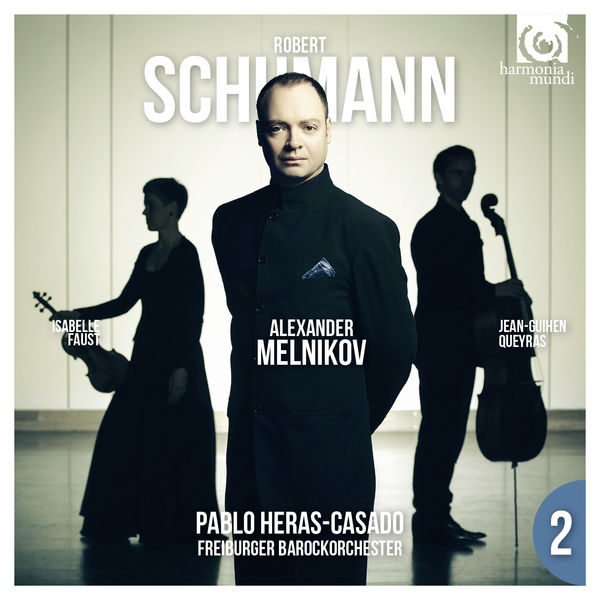
Alexander Melnikov / Isabelle Faust / Jean-Guihen Queyras

I’ve already praised Isabelle Faust and Alexander Melnikov for their excellent Hindemith chamber album, and the outstanding Brahms violin concerto, but they have done many other beautiful recordings together, including a recent version of the Beethoven Archduke trio with Queyras, or my preferred version of the Beethoven violin sonatas. Queyras is one of our leading cellists these days, and has recently recorded the complete Beethoven cello sonatas (very much worth checking out) with Melnikov. So as you can see, these three play regularly together, and you can hear it.

Schumann

This outstanding trio is now working for the second time together (hence the “2” on the cover) on their Schumann trilogy. This trilogy is twofold: it combines in each volume one of the three Schumann Piano Trios, and one of the three solo concertos (violin, piano, cello) he wrote, in collaboration with the Freiburger Barockorchester (which I usually like very much, although I was disappointed this week by their latest Bach release) under the young Spanish conductor Pablo Heras-Casado.

The series started with Faust playing the little known violin concerto (Clara Schumann even actively suppressed it, deeming it not worth of her husband’s legacy), which is very much worth checking out, and is now moving to the warhorse of the a-minor piano concerto.

The Schumann piano concerto

Schumann piano concerto Melnikov Freiburger Barockorchester Pablo Heras-Casado Harmonia Mundi 2015

This beautiful romantic work is one of the most recorded and best known piano concertos out there, and so you have literally hundreds of recordings to chose from, including some outstanding ones. Among my favorites you’ll find Dinu Lipatti with the young Herbert von Karajan, or Radu Lupu with André Previn.

However, I haven’t yet heard this romantic concerto on period instruments. The Freiburger Barockorchester, as their name indicates, are focused on HIP (historically informed) performance, and even more interesting, Melnikov plays on a 1837 Erard, which really gives the work a different color. I’m sure Schumann would have loved a modern Steinway, but it is interesting to hear how this sounded when it was composed.

However, period instruments are not a goal in itself. The performance has to match. And here I’m a bit torn. I love the way movements 1 and 2 are handled, but the third movement, while powerful, is just too slow,. which takes too much energy away for me. I wonder whether this choice was driven by Melnikov or Heras-Casado. In any case, it was clearly a very conscious choice. The overall movement takes 12:14, by far the longest I have in the 10+ versions in my library(as a comparison, my beloved Lipatti/Karajan took 10:01), and even the recent Pires/Gardiner  recording I didn’t particularly like (review here) was only 11:04.

That said, overall this concerto is still a real pleasure, and while it may not become my reference version, it is a very interesting alternative, to hear Schumann’s most famous work like you’ve never heard it before.

In any case, when you get to the trio, all is well, Melnikov, Faust, and Queyras play together as beautiful as ever, and this relatively unknown Schumann chamber work really shines.

I’m really looking forward to vol. 3 with Queyras playing the Cello concerto.

Overall rating: 4 stars (FYI, the reviews I’ve seen so far are divided, Gramophone loved it (Editor’s choice), the Guardian’s Kate Molleson didn’t like it very much with 3 stars), you really need to make up your own mind. It is absolutely worth checking out.

You can download it here (Qobuz), or here (eclassical)

Am I Deaf or How Could This Go So Wrong – Gardiner & Pires’ Schumann & Mendelssohn

Sometimes there are albums coming out where just looking at the artists involved you really anticipate something great.

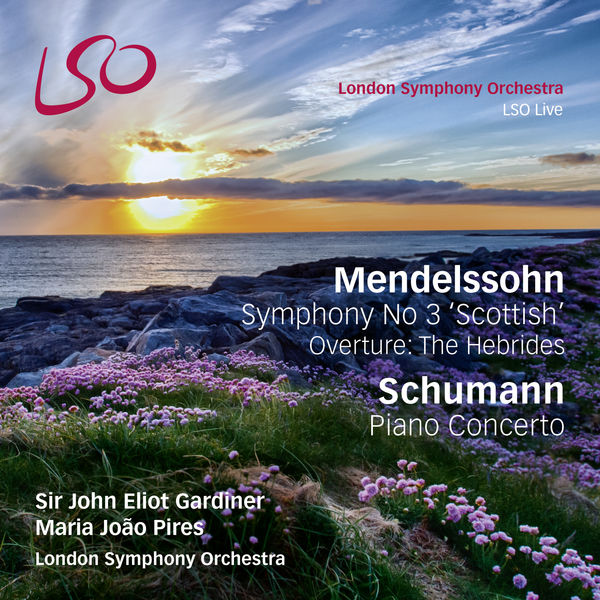
So when I read about this album of Maria João Pires playing the Schumann piano concerto together with the LSO conducted by Gardiner, I was really looking forward to hearing this. A beautiful pairing as well with Mendelssohn’s Scottish symphony that I really like.

Schumann piano concerto Mendelssohn Symphony No. 3 Maria Joao Pires John Eliot Gardiner LSO Live

Pires plays fantastic Mozart and Chopin (e.g. her Nocturnes are just beautiful), and I’m a big fan of Gardiner not only for his Bach cantatas, but also for his symphony recordings with the ORR. And obviously, the London Symphony is a great orchestra.

So all the stars are aligned. On top this album has received a Gramophone Editor’s Choice, plus some other great reviews.

And then I start listening (luckily I went for streaming first instead of just immediately buying), and can’t help to think I must have clicked on the wrong album. The Schumann piano concerto is just plain boring! Total lack of passion and energy. And a perceived speed that feels way too slow. Then I check, and it is really Gardiner and Pires playing here. How could this go wrong?

You have plenty of other alternatives here, go for Radu Lupu, Dino Lipatti (a disc to convert Karajan haters by the way), Andsnes again, etc. etc. etc.

But I don’t give up and check the Scottish symphony. Again, I can’t believe my ears. At best, an average performance. The worst is the forth movement which feels plump, and on some occasions (this is a live recording) the LSO even sounds out of sync. This is not the brilliant Gardiner of Schumann’s 4th with the ORR, this is somebody else entirely.

For Mendelssohn, I’d recommend you rather go with Abbado, or Christoph von Dohnanyi.

No idea what the guys at Gramophone heard here. I just don’t get it.

Overall rating: Just about 3 stars (It really pains me to give such a mediocre rating as these are all amazing musicians individually. But I just can’t help it.)

Classical Life

A classical music blog by music critic Tim Mangan

This Week's Music

Making Classical Accessible

From my Macbook to the Net

Evaporation of my thoughts and observations

Elestra

Author: Artienne

My Life in Music

Playing, Singing and Listening

ArsX3

A brand new journal reviewing books, cinema, music

LawrenceEz's Blog

Creative and Performing Arts: Writing, Classical Music, Photography

Laetitia Strauch-Bonart

Contemporary Politics & Culture

sibling revelry

reveling in all things classical

It's A Raggy Waltz

I collect jazz on vinyl, I dig the Dave Brubeck Quartet, & I write about it

La Musica

By two cousins

thejazzbreakfast

Dishing it out from the heart of England

only jazz

random thoughts about music that matters to me

The Culture Project

Exploring the world of literature, wine, art, music and more.

René Spencer Saller

The music causes me to dream of fabulous empires, filled with fabulous sins.

Breaking Baroque

Blog of Tafelmusik Baroque Orchestra and Chamber Choir

Tasting Nirvana

Eating your Dosha

The Immortal Jukebox

A Blog about Music and Popular Culture

April Greene

Writer + Editor

a pianist's musings

A history of your favorite classical music.

Classical music for all

Boris Giltburg's blog

I HEAR VOICES

An orchestra seat in the web space