Brahms Latest Work: The Clarinet Sonatas by Coppola and Staier

I’ve said it before, I’m a big fan of Andreas Staier. His Diabelli-Variations are outstanding (see review here). Therefore, I was rather disappointed not to like his recent release of the Bach harpsichord concertos (see here). It appears now that most other reviewers don’t share my opinion by the way. I’m still not convinced unfortunately.

But from Bach, let’s move more than a century later.

I haven’t reviewed any Brahms album for a while, which is weird given that he appears in my blog title.

Brahms’ Clarinet Sonatas op. 120

I must admit I wasn’t historically a big fan of these sonatas, I found them not very accessible.

These sonatas, as well as the Clarinet quintet & trio, were triggered by Brahms meeting the famous clarinet player Richard Mühlfeld.  But with Andreas Staier, I had to give them a go, so I went ahead and purchased this 2015 Harmonia Mundi album.
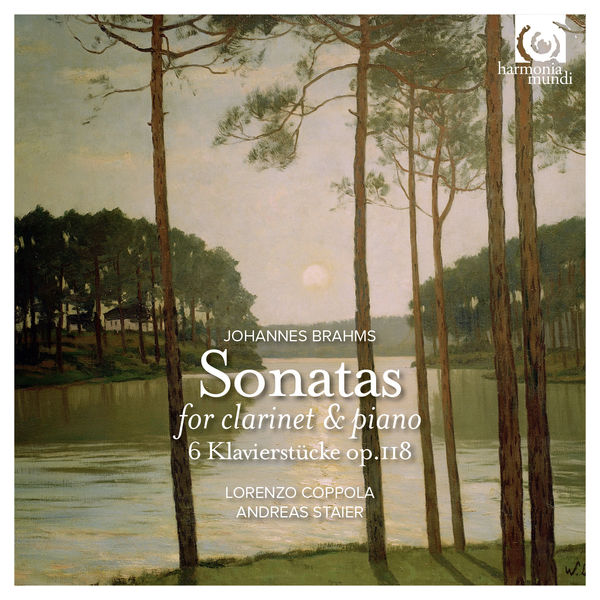
Lorenzo Coppola Andreas Staier Brahms Clarinet Sonatas Harmonia Mundi 2015

Andreas Staier plays a Steinway on this album, which could be considered somewhat unusual given that he is known for playing historical instruments. Well guess what, this Steinway actually is from 1875, apparently the type that Brahms really appreciated.

On clarinet, we get the Italian Lorenzo Coppola, who plays a 2001 reproduction of a historic clarinet which is very similar to the one Mühlfeld played.

So we’re getting really close to what Brahms could have listened to in his final years. And all over sudden, the full beauty of these late works really becomes apparent.

6 Klavierstücke op. 118

However, to me (with my piano background), the true highlight on this album are Staier’s version of the 6 piano pieces op. 118. Let me clarify first of all that I love Brahms late piano pieces from op. 116-119, and op. 118 is a particular favorite of mine.

And here, especially the second Intermezzo (track 6) is played more beautifully than on any of my other recordings (I’ll be writing about some of them soon). Staier uses tons of rubato, but it comes fully naturally. There is so much intensity in this playing that I’ve had them on constant repeats quite regularly recently. Or take the “Romanze”, truly romantic indeed.

As usual on Harmonia Mundi, this is well recorded.

My rating: 4 stars for the clarinet sonatas (rating my preference of the repertoire here, not the playing), 5 stars for the op. 118.

P.S. If you like op. 120, you should know that there is also a version of these sonatas replacing the clarinet by a viola. The well-known viola player Nils Mönkemeyer has just released an album on Sony playing these sonatas.
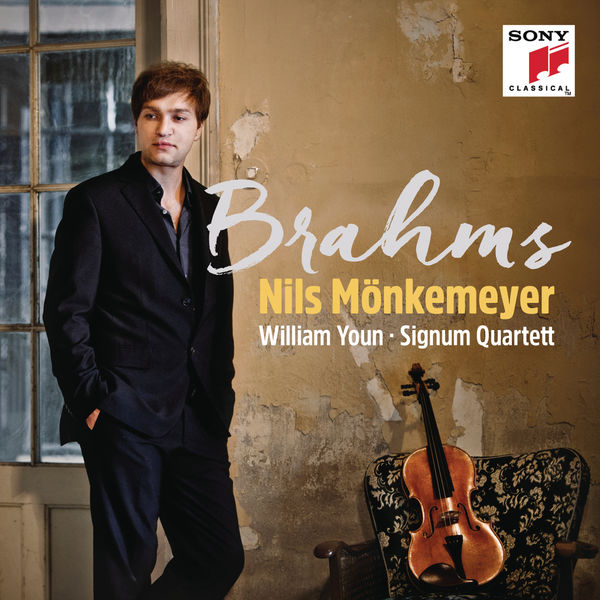
Nils Mönkemeyer Brahms Sony 2015

This album is really quite beautiful and also worth checking out.

You can download the Coppola/Staier here (Qobuz) or here (eclassical)
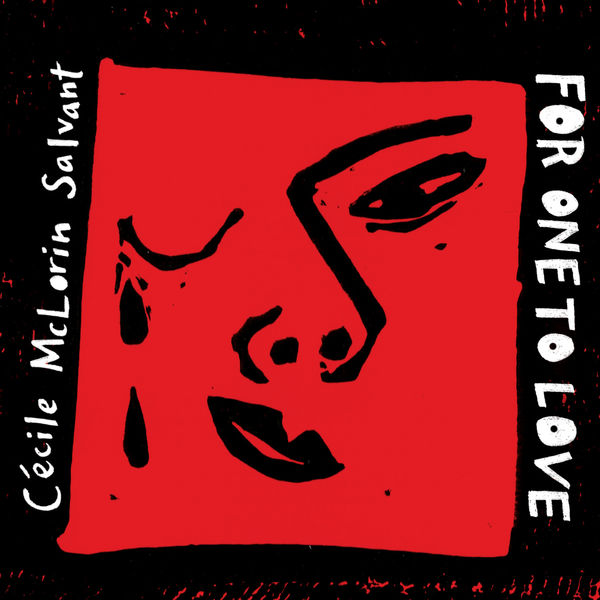
Will Cécile McLorin Salvant Become The Most Important Jazz Singer of Our Century? – A Review of For One To Love

As you can see from my posting history, I really like young contemporary artists. Too many lovers of Jazz and Classical music live in the past (“Ah, the times of Toscanini…” “Nobody plays like Bird anymore…” etc.).

Contemporary Artists

I disagree. We have so many fantastic artists around us right now, there is no need to live only in the past. That is not to say we should forget the past (case in point, my previous review was about a 1959 album from Oscar Peterson with music mainly from the 1930s), but the much more exciting treasure hunt is to find the contemporary gems, that don’t yet are household name.

Some examples I’ve already written about include Shai Maestro, Benjamin Grosvenor and Igor Levit, or Vilde Frang. Another one is Aaron Diehl, He by the way also plays on the album below.

Cécile McLorin Salvant

Well, to be fair, you really don’t have to be a musical truffle pig to know about the 26 year old Cécile McLorin Salvant. She’s been praised all over the place after she won the Thelonious Monk competition, so if you read any Jazz reviews at all, you should have heard about her great debut, WomanChild.

As you’ve seen from my post on my 25 Essential Jazz albums, I’m not such a big fan of vocal jazz overall. There are many singers out there with great voices, but the musical result is often a bit nondescript.

Not so here. You’ll recognize her voice immediately, she’s already developed a great style, and having the brilliant Aaron Diehl at her side is a great asset, in a way this could become a similar winning combination to Ella Fitzgerald and Oscar Peterson.

For One To Love

Cecile McLorin Salvant For One To Love MackAvenue 2015

I already liked WomanChild, but this album gets even better. There are intimate piano only ballads like Left Over, songs that could come straight out of a Jacques Brel album (Le Mal de Vivre), and the outstanding 10:33 Something’s Coming (I think I mentioned already that I have a thing for long jazz tracks, this one is no exception). There is no weak track on this album, and unlike many other vocal jazz albums, you really never get bored.

My rating: 5 stars

So to come back to the title of this post, my bold prediction is that in 30 years from now we will list Cécile in the Great Hall of Jazz along with Ella, Sarah, and Billie.

I trusted her enough that I had this album in pre-paid pre-order without even listening to it once, and will certainly do the same for her future releases!

You can get it here (Qobuz) and here (HDtracks)

UPDATE: Review  of her concert in Basel in 2015 here.

Mendelssohn’s Lieder Ohne Worte in Two Beautiful Versions by Perianes and Brautigam

Felix Mendelssohn

One of those famous underrated composers. I’ve read many times that Mendelssohn is “only” beautiful. Arrrgh! Even if his music were “only” beautiful, I’m sorry, but what would be wrong with this? Luckily, I don’t even agree with the “only”. Proof is here: these wonderful “Songs Without Words” – can somebody truly listen to this and call it “only beautiful” and not see the lyric depth?

These songs, actually 8 books of them, were written during nearly the entire lifetime of the composer.

There are many recordings of these available, one of the artists who is probably most closely associated with them is Daniel Barenboim.

However, I’d like to highlight here two very recent recordings from 2014 and 2014 respectively.

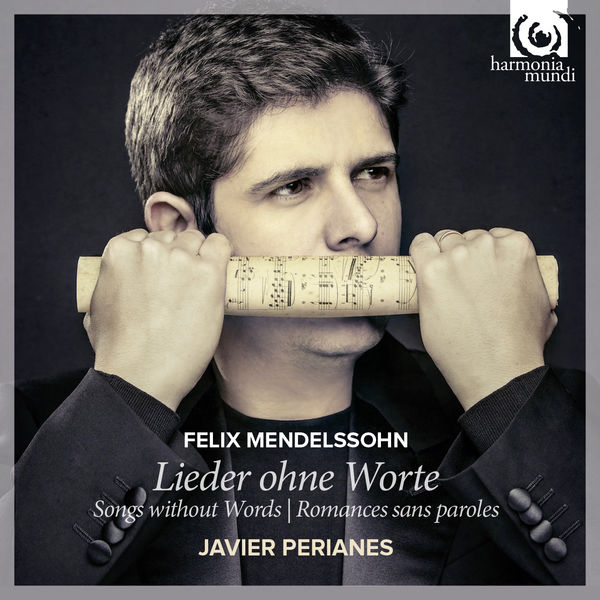
Javier Perianes

I have already reviewed his excellent Grieg recording here. Surprisingly enough, I had missed this great 2014 recording on Harmonia Mundi of a selection of the Lieder one Worte. Luckily, after discovering the Grieg, I ended up listening to this.

Felix Mendelssohn Lieder Ohne Worte Javier Perianes Harmonia Mundi

And what a beautiful recording it is. Nuanced, delicate, but passionate. Just what this music needs. On top of a selection of Mendelssohn’s Lieder you also get he Andante con variationi op. 82, the Rondo Capriccioso op. 14, a Prelude and Fuge, and his 17 Variations sérieuses op. 54.

This recording has received a lot of praise, the Classica “Choc”, 5 stars by Diapason and Fono Forum, and I full-heartedly agree with this! Sorry Mr. Barenboim, but this is my new reference.

However, if you’ve been following this blog for a bit, you may have noticed that I have a special weak spot for piano music on historic instruments. They just give a completely new and fresh perspective on familiar works, compared to the modern Steinway.

However, as I’ve noted in my review of Andras Schiff’s recent Schubert recording, the sound of a historic fortepiano is obviously much more variable than what Steinway’s factories produce these days, so you really need to make sure you like the sound of the particular historic instrument being recorded.

Luckily, in the next album, released on BIS, both the playing and the instrument are superb.

Ronald Brautigam

Mendelssohn Lieder Ohne Worte Ronald Brautigam  BIS

Brautigam is one of the leading pianists on historic instruments. His Beethoven cycle is one great example. He plays a modern reconstruction by Paul McNulty of a 1830 Pleyel. It just sounds beautiful. The Pleyels at the time, with their big local competitor Erard, were counted among the best pianos France produced, and this was at the time when Paris (closely followed by Vienna) ruled the cultural world.

Unlike Perianes, Brautigam plays systematically the first four books of the lieder, without adding any other material (with the exception of some more lieder without an individual opus number).

Again, the playing like with Perianes, is absolutely top-notch. Overall, I may have just a slight preference for Perianes, but the sound and the clarity of the Pleyel gives the music such a different character that it would really be a pity not to own both if you like this music.

My rating: 5 stars (Perianes), 4 stars (Brautigam)

Both Harmonia Mundi and BIS are known for paying attention to the recording quality, and both albums are no exception.

You can download them here (Perianes) and here (Brautigam)

UPDATE: You can find my review of the second volume of Brautigam’s recording here

Triosence: Turning Points – Delightful Contemporary Trio Jazz from Germany

I’ve written several times before about Jazz piano trios, as this is one of my favorite art forms, be it with Shai Maestro, Keith Jarrett, or Edgar Knecht.

I’ve already mentioned that Europe in the Shai Maestro post that many of today’s Jazz piano trios seem to come from Europe. Germany is one of the hotspots. Don’t ask me why, maybe it is because there are enough Jazz schools around to produce outstanding musicians, but these days, there are quite a number of German trios that deserve to be better known than they are, including Julia Hülsmann, the Tingvall Trio, the already mentioned Edgar Knecht, Michael Wollny’s excellent efforts, etc. etc.

Triosence

Triosence was started by Bernhard Schüler on piano, Stephan Emig on drums and Matthias Nowak on bass, but the latter has been replaced by Ingo Senst. Both Schüler and Emig come from the same German town of Kassel originally, a rather ugly industrial place that has been completely destroyed in the 2nd world war and unfortunately rebuilt with too much cheap concrete. It cannot be this city that has inspired so much beautiful music.

I currently have four of their seven officially released albums including First Enchantment, Away For A While, One Summer Night (Live), and Turning Points, and all of them are highly recommended. I’ll eventually add all of their albums to my collection.

As an example of their production, let me write about their 2013 Sony album “Turning Points”, which happens to be my favorite (but by a very slight margin, as the other are really great as well).

Turning Points (Sony Classical 2013)

Triosence Turning Points 2013 Sony Classical

It already starts with my favorite track, No One’s Fault.

Why do I like this track so much? Well, it gives me just what I want most: beautiful melodic development. I’m a sucker for melodies. My mind is probably rather simple, I just love melodies. This is probably one of the reasons why atonal classical, free jazz etc are just not my cup of tea, my little brain cannot cope with that freedom. But give me a beautiful melody, as developed here by Schüler, add beautiful bass lines including a lot of use of the bow by Emig, and just the right amount of drums (I personally hate it when drummers overdo it), and I’m in paradise.

My other 5 star tracks on this album are the ballad Your Nearness, the groovy Go For It, and their beautiful interpretation of the Kurt Weill standard Speak Low, where the bass gets to play the melody for a while.

If you do speak German, the 12 min documentary on their website is also worth checking out, explaining how on purpose they went to Norway to record this album: http://www.triosence.com/alben/turning-points/

My rating: 5 stars (well somewhere between 4-5 stars actually, but I love some of the 5 star tracks enough to put the balance towards the top rating)

You can find it here (Qobuz).

My Reflections on the 2015 Gramophone Award Nominees – Part III – Chamber

Following my two previous posts on the categories of Instrumental and Concerto, let me comment this time about the Chamber music category.

I have had the occasion to listen to four of the 6 nominated albums.

To quickly just list them, the ones I didn’t hear are:

Winds & Piano – Les Vents Français, Eric Le Sage

and

Langgard: String Quartets vol. 2 – Nightingale Quartet.

The ones I have heard are:

Hindemith: Sonatas –  Alexander Melnikov, Teunis van der Zwart, Alexander Rudin , Gerard Costes, Isabelle Faust

Hindemith Sonatas Melnikov Faust Harmonia Mundi 2015

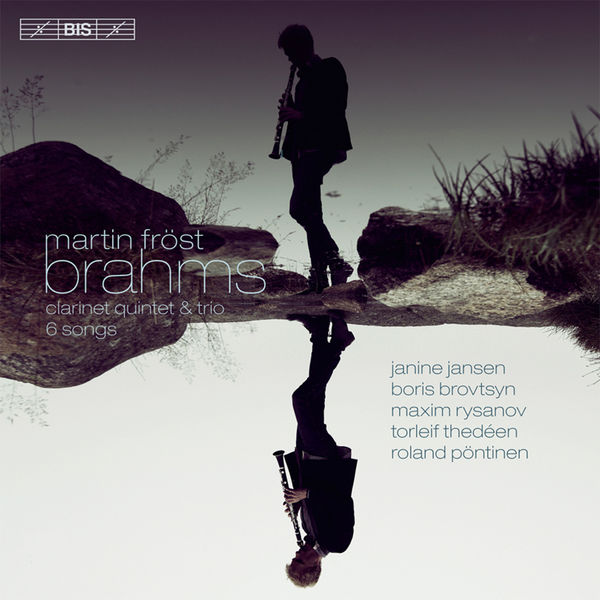
Brahms: Clarinet Quintet & Trio – Martin Fröst, Janine Jansen, Boris Brovtsyn, Maxim Rysanov, Torleif Thedéen, Roland Pöntinen

Brahms: Piano Quintet - Martin Fröst - Janine Jansen - Boris Brovtsyn - Maxim Rysanov, Torleif Thedeen, Roland Pötinen

Haydn: String Quartets op. 20 – Doric String Quartet

Haydn String Quartets op. 20 - Doric String Quartet - Chandos

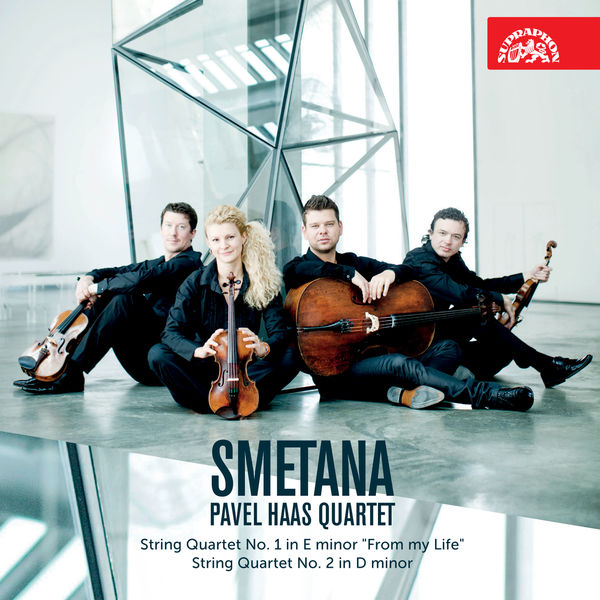
Smetana: String Quartets 1&2 – Pavel Haas Quartet

Smetana String Quartets Pavel Haas Quartet Supraphon 2015

Let’s start with the Haydn, as I’ve played this album only twice so far, it’s still a little bit too early to judge it properly. The issue is that on Haydn there’s obviously a lot of competition, but the Doric’s do a fine job. I guess in chamber music there’s always a trade-off between precision (which is outstanding here), and just pure joyfulness in playing, which I sometimes would like to have a little bit more here at first listen, especially with “Papa” Haydn (although the string quartets are certainly the works where general Haydn-skeptics like me have the least to complain). All right, let me shut up my rambling here and spend some more time listening. No rating here yet.

Next Brahms: I don’t know why, but the clarinet works have always been among my least favorite Brahms chamber compositions. However, two recent albums are making me change my mind right now, a) the excellent clarinet sonatas by Lorenzo Coppola and Andreas Staier, and b) this very nice album.

When it gets to the clarinet, Martin Fröst is one of the few superstars, and rightly so. He has released several outstanding recordings in recent years, e.g his Mozart concerto from 2013 with the Kammerphilharmonie Bremen which to my ears is even better than his previous recording with the Amsterdam Sinfonietta.

Not surprisingly, this Brahms album is very good as well. To be fair, he’s playing with some outstanding musicians here. Thorleif Thedeen and Roland Pöntinen have already recorded a very nice version of the Brahms Cello Sonatas, Janine Jansen is always a pleasure to listen to, and Maxim Rysanov is a safe bet on the Viola.

On top of the quintet and the trio, you get something that is really rather special, which is a an arrangement of some Brahms songs for Clarinet by Fröst himself. If you ever doubted that the clarinet can sing, here’s your proof.

Overall rating: 4 stars (playing is 5 stars, but I still need to fully overcome my issues with Brahms and the clarinet, so take this rating with a grain of salt)

Smetana: I assume the average classical listener knows exactly one work from this Czech composer, the ultra-famous Moldau. If they are a bit educated, they even know that the Moldau is just one part of the cycle Ma Vlast or “my homeland”. If you’re really into classical music, you may be aware of his opera “The Bartered Bride”. Beyond that, I’m pretty sure many would struggle to come up with other works from this composer.

So here’s a chance to change that. You get two of his chamber music works by one of the best string quartets that are currently out there. I’ve already praised them for their magnificent recording of the Schubert Quintet (see here), and they don’t disappoint here either. Their playing is outstanding, full of energy, but also very delicate and soft elements when needed.

My rating: 4 stars (not for the playing, which is certainly 5 stars) but at least to my ears, Smetana’s works are interesting, but there are chamber works I’d listen to first. Like for example the next one:

Hindemith: I’ve made it clear before that 20th century music, especially when we get to the borders of or beyond tonality, is really not my cup of tea. Well, exceptions confirm the rule. And this one is clearly one of those exceptions. This is a collection of sonatas with different musicians, and Alexander Melnikov on piano. Ever heard a Sonata for Trombone? Well here’s your chance. My beloved Isabelle Faust (see my admiring review of her Brahms concerto here), also get’s to play a sonata. Any album with Faust and Melnikov is usually a safe bet (take their outstanding Beethoven violin sonatas, the very nice Beethoven trio recording, their current cycle of Schumann works, etc. etc.)

And guess what, this album is truly outstanding throughout, and therefore my candidate for the Gramophone Award in the chamber category!

My rating: 5 stars. 

So, what are your favorites?

My Reflections on the 2015 Gramophone Award Nominees – Part II – Concerto

After my comments on the “Instrumental” category of the Gramophone Awards last Saturday here, let me highlight some more gems in the Concerto category.

Nominated are:

The Beethoven Journey – Leif Ove Andsnes with the Mahler Chamber Orchestra playing Beethoven’s piano concertos 2 & 4

The Beethoven Journey - Beethoven Piano Concertos 2 & 4 - Leif Ove Andsnes - Mahler Chamber Orchestra

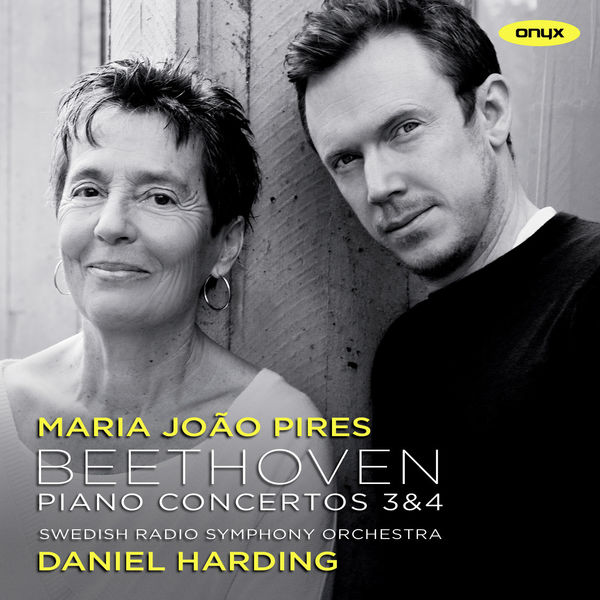
Beethoven again, piano concertos 3 & 4 by Maria Joao Pires with Daniel Harding and the Swedish Radio Symphony Orchestra

Beethoven Piano Concertos 3 & 4 - Maria Joao Pires - Daniel Harding - Swedish Radio Symphony Orchestra

Britten / MacMIllan / Vaughan Williams played by the Britten Sinfonia (not heard)

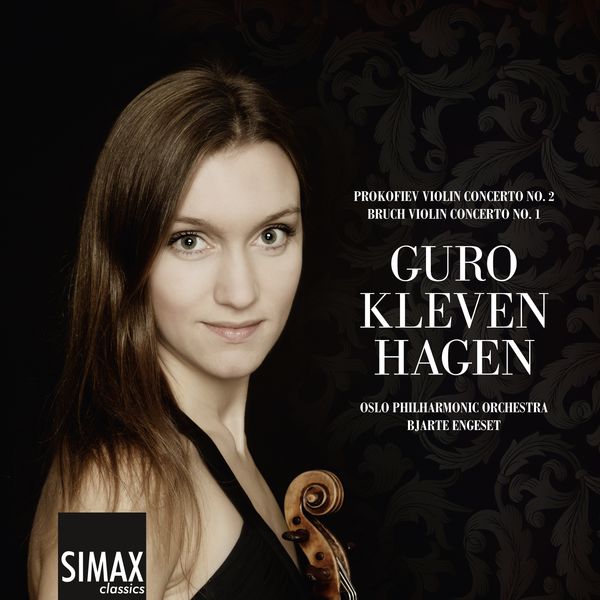
Bruch & Prokofiev’s Violin Concertos by Guro Kleven Hagen with the Oslo Phlharmonic and Bjarte Engeset

Bruch Prokofiev Violin Concertos Guro Kleven Hagen Oslo Philharmonic Bjaerte Engeset

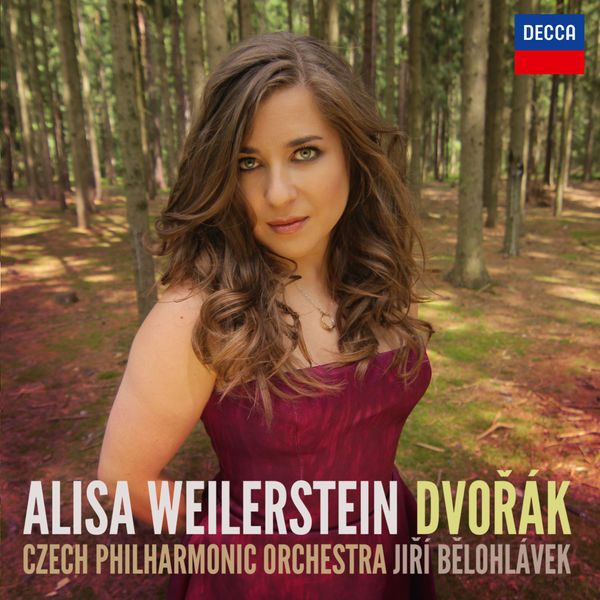
Dvorak’s Cello Concerto by Alisa Weilerstein with Jiri Belohlavek and the Czech Philharmonic Orchestra

Alisa Weilerstein Jiri Belohlavek Dvorak Cello Concerto Decca Classics

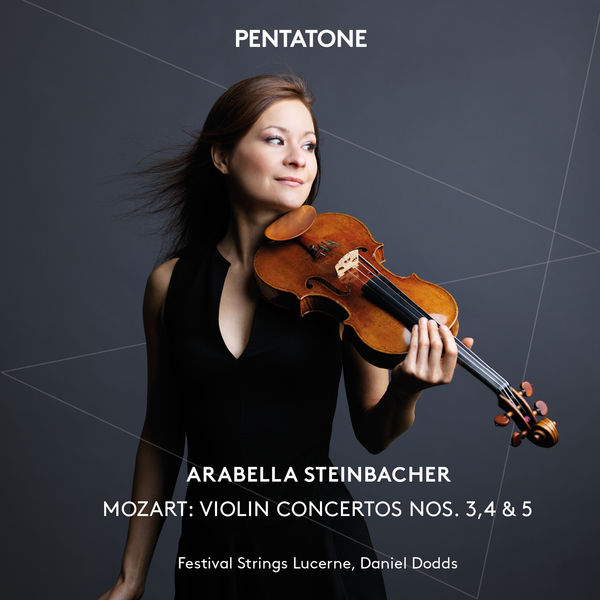
Mozarts Violin Concertos 3 – 5, Arabella Steinbacher, Daniel Dodds, Festival Strings Lucerne

Mozart Violin Concertos 3, 4, 5 - Arabella Steinbacher - Festival Strings Lucerne - Daniel Dodds

As said above, I haven’t heard the Britten album (and actually don’t care much about Britten in the first place, so wouldn’t be in a good place to talk about the album.

Two other albums I only gave a quick spin, so I’m not going to rate them, which are the Mozart concertos by Arabella Steinbacher, and the Prokofiev/Bruch combo by the young Norvegian violin player Guro Kleven Hagen, that I hadn’t heard of before. My admittedly superficial impression on both were solid performances, nothing wrong with them, but also nothing that would motivate me to go back. One argument in favor of the Arabella Steinbacher is that it is recorded on Pentatone, that usually has an outstanding recording quality, so if you have a good Hifi, you may want to check it out.

The three albums I have heard in more detail are the two Beethovens and the Dvorak.

Let me start with Maria Joao Pires first. I’m very happy to report that after my rather lukewarm review of her Schumann concerto with Gardiner, in this recording I can reconfirm that I’m a fan. Very delicate, nuanced playing. I’ve already praised Daniel Harding in his recording of the Brahms Violin Concerto, and also the Orchestral part is doing a fine job here.

My rating: 4 stars

However, to my ears, with Leif Ove Andsnes it gets even better. I’ve already declared how much I like his Grieg, and here on Beethoven with the excellent Mahler Chamber Orchestra which Andsnes conducts from the piano, the result is just really really nice. I’ve had the pleasure of hearing this combo play concertos 2-4 live late last year, and the recording fully  captures the energy and passion by both soloist and orchestra. No. 4 is anyhow my preferred Beethoven concerto, and this is definitely one of the best versions I have. However, to my ears, they are even better on piano concerto no. 2 (side note: wrongly numbered, this should have been his no. 1 chronologically), which really benefits from the lighter sound of the Mahler Chamber.

My rating: 5 stars

But who is my predicted category winner? Well, by exclusion you could have guessed it: Alisa Weilerstein’s Dvorak. We recently already got an excellent reading of this concerto with Stephen Isserlis on Hyperion, and obviously there are a lot of outstanding historic recordings (Starker, Du Pré, etc.), this version just gets what is the essential for me in this concerto (my favorite piece by Dvorak by the way): the romantic passion. (Side note: When Brahms, who mentored Dvorak for a while, read the score, he’s quoted: “If I had known that it was possible to compose such a concerto for the cello, I would have tried it myself!” If only he had…). This recording is pure emotion. I suppose having a Czech orchestra playing music by their most famous local composer helps. There are some minor technical glitches here and there, but they don’t really matter, you don’t even notice.

My rating: 5 stars

So, what do you think? What are your predictions?

My Reflections on the 2015 Gramophone Award Nominees – Part I – Instrumental

Gramophone Award Nominees

The Gramophone awards nominees are now officially declared. This award is probably among the most prestigious award in classical music (beyond the obvious Grammy), so it is always interesting to see who’s in.

As said before, I don’t always agree with Gramophone but their opinions are always worth checking out.

If you have an iPad, you can download the Gramophone magazine app (the primary way I read the magazine these days, no shipment, no paper wasted) and get the Gramophone awards nominee issue for free. It’s worth checking out.

Let me comment on some recordings I know well and also play Oracle of Delphi who will eventually win.

Instrumental

There are four album in here I own or have heard, three of which I’ll be talking about here.

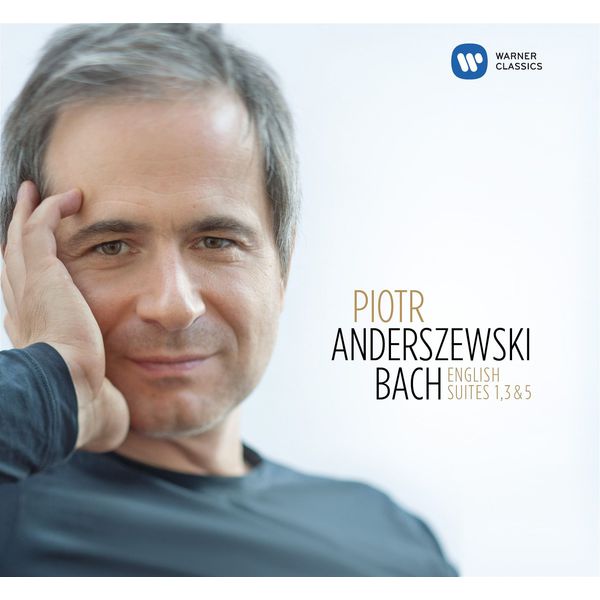
Bach’s English Suites with Piotr Anderszewski

Piotr Anderszewski Bach English Suites 1 3 5 Warner Classics

Well this one is a typical example where I don’t agree with Gramophone.  I can’t really put my finger on it but this album just doesn’t excite me. Maybe it is the tempo, maybe it is the touch, don’t know. Bach on a modern piano is always tricky, you really need to justify these days why you’d use the “wrong” instrument (instead of a harpsichord or similar).

My rating: 3 stars

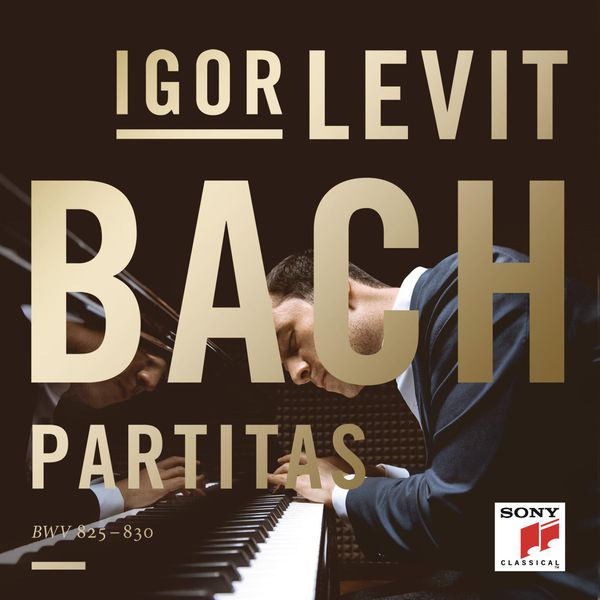
Bach: Partitas – Igor Levit

Igor Levit Bach Partitas Sony Classical

This album, however, is a typical example of getting it just right. I don’t mind one second not hearing a harpsichord. Levit is an extraordinary talent; his previous recording of the late Beethoven sonatas was outstanding as well.

I’ve been listening to this times and times over, it’s been replacing even Perahia as my go-to version. So this album to me is a hot contender to win this category.

My rating: 5 stars

However, if I had to bet, I’d say the following will be the category winner (and not only because let’s say Gramophone sometimes seems to have a certain preference for their countrymen):

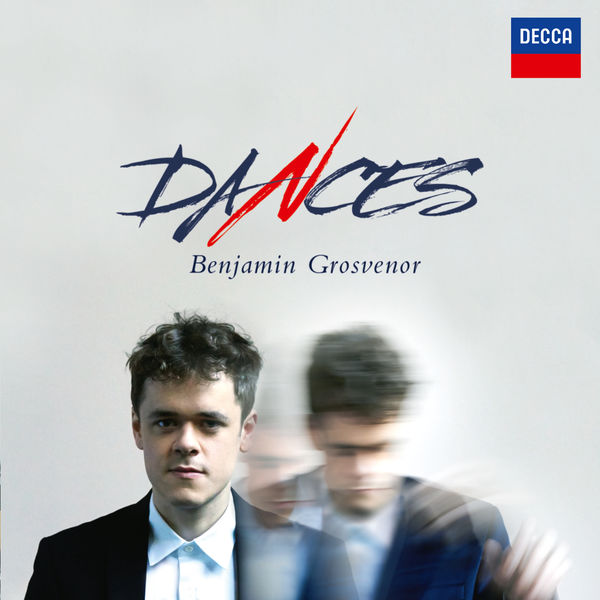
Benjamin Grosvenor – Dances

Benjamin Grosvenor Dances Decca Classics

5 years younger than the still very young Levit (years of birth 1992 and 1987 respectively), Grosvenor could be qualified as a Wunderkind. What a horrible term.

Actually, it really goes beyond this, he is just a truly brilliant artist who just happens to be very young. His previous album Chopin/Liszt/Ravel was truly fantastic, and his new release with “Dances” from Bach via Granados to Scriabin is another example of what he can achieve. With him, even relatively useless (sorry) pieces like Schulz-Evler’s questionable version of An der schönen Blauen Donau become enjoyable. (Ok, he could have skipped the Boogie-Woogie…).

An absolute must have!

My rating: 5 stars

Also nominated are a live recital of Mahan Esfahani (haven’t heard), Sokolov’s Salzburg recital (his Chopin Preludes here really aren’t my cup of tea, 3 stars), and La Fauvette passerinette by Peter Hill (haven’t heard either).

So what are your thoughts and ideas? Who would you have chosen?

Classical Life

A classical music blog by music critic Tim Mangan

This Week's Music

Making Classical Accessible

From my Macbook to the Net

Evaporation of my thoughts and observations

Elestra

Author: Artienne

My Life in Music

Playing, Singing and Listening

ArsX3

A brand new journal reviewing books, cinema, music

LawrenceEz's Blog

Creative and Performing Arts: Writing, Classical Music, Photography

Laetitia Strauch-Bonart

Contemporary Politics & Culture

sibling revelry

reveling in all things classical

It's A Raggy Waltz

I collect jazz on vinyl, I dig the Dave Brubeck Quartet, & I write about it

La Musica

By two cousins

thejazzbreakfast

Dishing it out from the heart of England

only jazz

random thoughts about music that matters to me

The Culture Project

Exploring the world of literature, wine, art, music and more.

René Spencer Saller

The music causes me to dream of fabulous empires, filled with fabulous sins.

Breaking Baroque

Blog of Tafelmusik Baroque Orchestra and Chamber Choir

Tasting Nirvana

Eating your Dosha

The Immortal Jukebox

A Blog about Music and Popular Culture

April Greene

Writer + Editor

a pianist's musings

A history of your favorite classical music.

Classical music for all

Boris Giltburg's blog

I HEAR VOICES

An orchestra seat in the web space