My Top 5 Classical Albums for 2016

My Top 5 Classical Albums for 2016

I know, people love lists. Especially men apparently. Remember Nick Hornby’s book High Fidelity? Subjectively speaking, half of the book are top 5 lists. Somebody even bothered to compile them.

Why do we love lists? Well, they are easily digestable, and give you the feeling that you really are getting the best of the best, right?

I must admit, I also pay quite a bit of attention to such lists, be it the Gramophone Awards, the Chocs de l’Année by Classica, or whoever else bothers to put together such best-of’s. Even on my own blog, my various best-of lists (from Mozart, to Christmas Jazz, to Jazz Covers) tend to be the ones with the most clicks.

So here we go again. Helpful even if you’re still looking for Christmas gifts (though in the age of downloads and streaming, giving away music becomes more tricky, an iTunes Gift Card is probably not very sexy under the tree).

They are ordered alphabetically, by composer. Please don’t ask me to rank them within.

So you DO ask me? Really?

Well, here you go. Note that this priority list may change next week if I’m in a different mood.

  1. Mozart: The Weber Sisters
  2. Schubert: String Quintet
  3. Bach: French Suites
  4. Mozart: Mass in C-minor
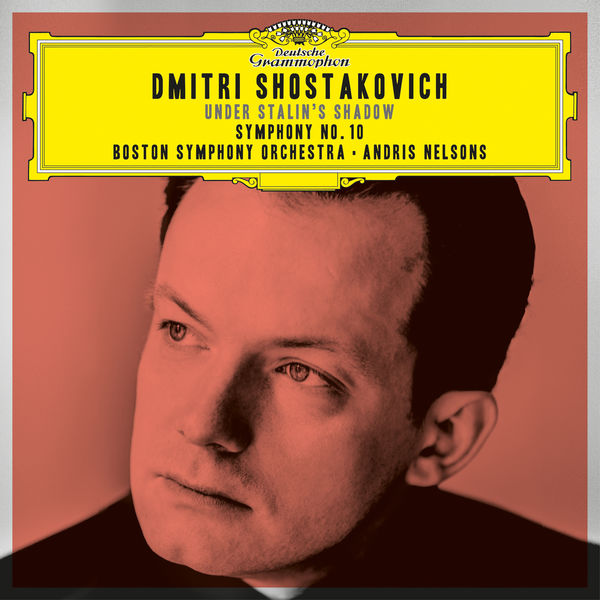
  5. Shostakovich: Symphonies No. 5, 8, and 9

Again, as all my reviews, this list is very subjective, and not only based on the performance itself, but how much fun I have listening to you.

Bach: French Suites – Murray Perahia
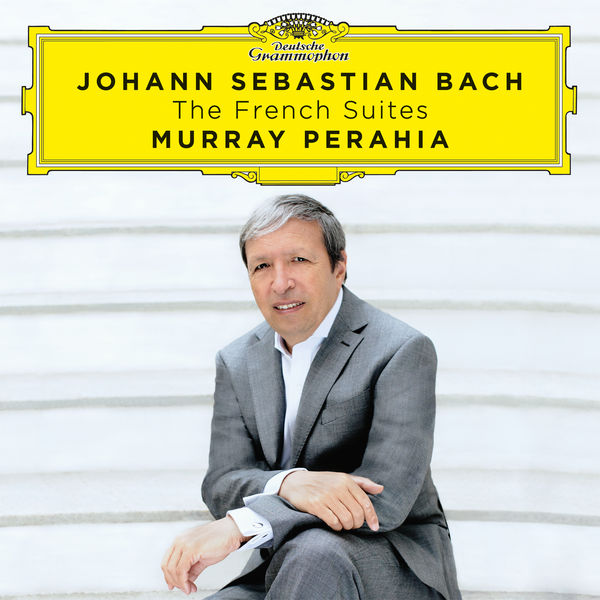
Johann Sebastian Bach: The French Suites - Murray Perahia (24/96) Deutsche Grammophon 2016

Perahia this year not only made it into my list of top 10 pianists (yes, yet another list), he is the only baroque album of 2016 onto this particular list.

A fantastic album (see my full review here), getting the well deserved Gramophone Editor’s Choice.

Mozart: Great Mass in C-Minor – Masaaki Suzuki 

Mozart appears twice in my top 5 list this year, this is not on purpose, but a very happy circumstance. The playing of Mozart has evolved so much since the days of big orchestral Karajan, historically informed practice really has given us so many new insights into Mozart. Here we have two excellent examples.
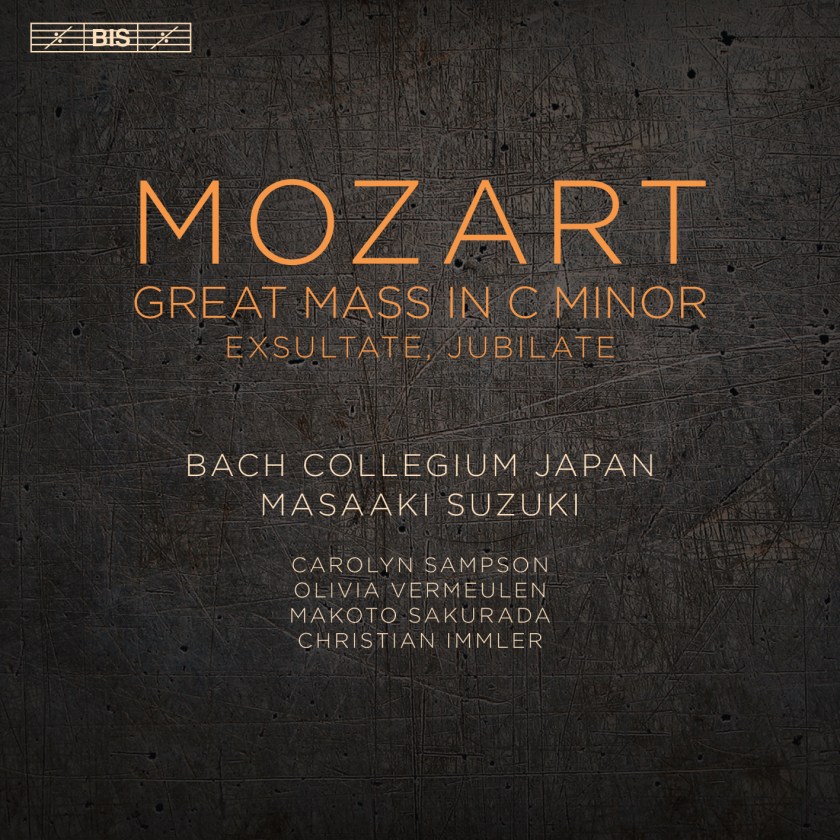
Mozart: Great Mass in C-Minor Exsultate Jubilate Masaaki Suzuki Bach Collegium Japan BIS 2016 24/96

Suzuki’s excellent new recording of the amazing C-minor Mass really is good enough to justify it’s place on this list. You’ll find my review here. Suzuki’s often very clean style doesn’t always convince me, but here we really have a winner.

Mozart: The Weber Sisters – Sabine Devielhe
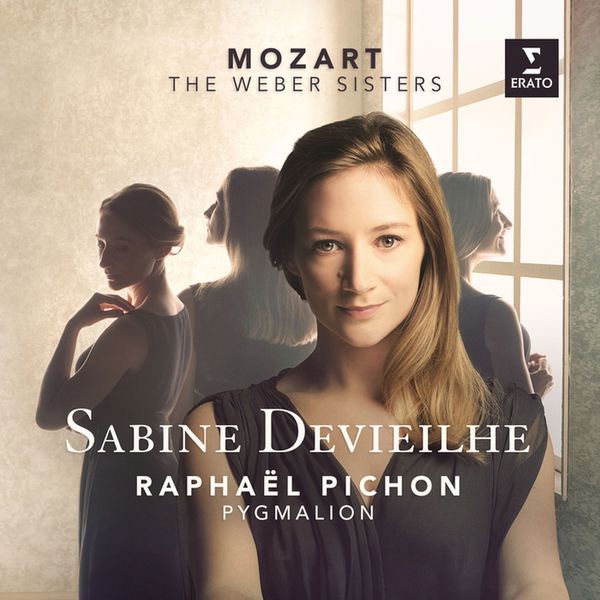
Mozart: The Weber Sisters Sabine Devielhe Raphael Pichon Pgymalion Erato 2015

Technically, this is an album that was released in November 2015 and I reviewed it last December. But I reviewed it after my Top 5 classical albums of 2015, so I it deserves to be highlighted here as well.

This is Mozart singing as beautiful as it gets. It’s a bit of a “concept album”, based on Mozart’s wife Constanze Weber, and her sisters. But honestly, you don’t need the booklet here to enjoy a voice that touches your heart directly.

Schubert: String Quintet – Quatuor Ebène & Gautier Capuçon
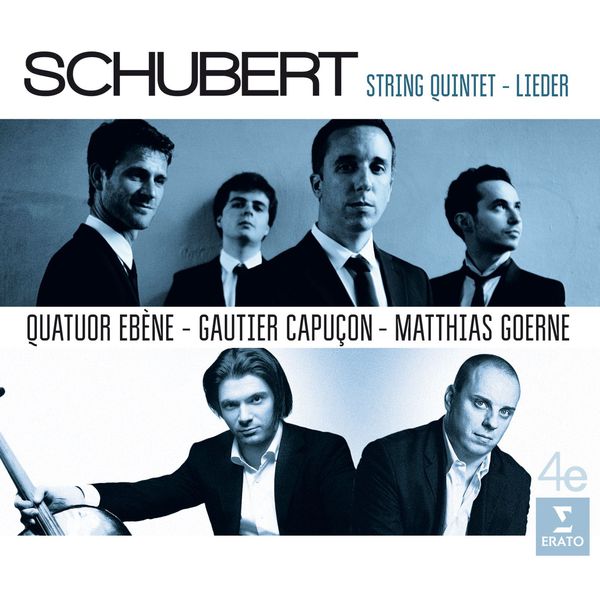
Schubert String Quintet - Lieder - Quatuor Ebène - Gautier Capuçon - Matthias Goerne ERATO 2016

As reviewed here, this is one of the best versions ever of the absolute masterpiece that is Schubert String Quintet. It was one of the Gramophone Award nominees in it’s category, I have no idea why it didn’t win.

Shostakovich: Symphonies No. 5, 8 and 9 – Andris Nelsons
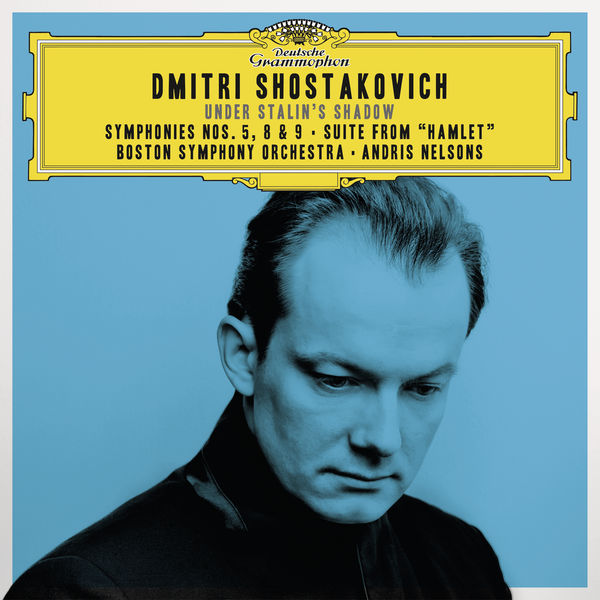
Shostakovich: Symphonies Nos. 5, 8 & 9 - Andris Nelsons - Boston Symphony Orchestra

I didn’t have time yet to write a formal review about this album.

As mentioned previously, I don’t often venture into 20th century music.

This album however, is really worth it. Shostakovich 5 and 9 are probably among the most approachable symphonies from the Russian genius, and these are so well played here by Nelsons in extremely engaging live recordings with the BSO.

My rating: 5 stars

So now it’s your turn

Do you agree, disagree? Anything I’ve missed? Anything that shouldn’t be on there? Please tell me in the comments!

You can find the albums here:

Bach Perahia:  here (Qobuz)

Mozart Great Mass: here (eclassical)

Mozart: the Weber Sisters: here (Qobuz) and here (Acoustic Sounds)
Schubert: here (Qobuz) and here (Prestoclassical)

Shostakovich: here (Qobuz) and here (Prostudiomasters)

Murray Perahia’s French Suites – A Must Have

Japanese Art – Ukiyo-e

I must admit while I feel at least somehow reasonably comfortable with my understanding of Western art and paintings, I’m pretty ignorant when it gets to Japanese art.

Nevertheless, Bach’s music often reminded me of the the abstracted image I have in my head of Japanese art (mainly the Ukiyo-e style) often depicting landscapes, with delicate details of trees and flowers.

Why am I writing this here? Well, the latest recording by Murray Perahia makes me permanently think of this. These Japanese artworks often are woodblock prints. This essentially woks by chiseling away wood around the outlines of the drawing.

Murray Perahia’s French Suites

Well, in a way, that is exactly how I hear Perahia play these little miniature gems that are the French suites. He chisels away all everything superfluous and only leaves you with the outlines, and what remains is something of outstanding beauty.

Johann Sebastian Bach: The French Suites - Murray Perahia (24/96) Deutsche Grammophon 2016

My first encounter, as so often with Bach, was via the Glenn Gould recordings, and I also had the version by Keith Jarrett for a long time. Since then I’ve added about 3-4 other versions to my collection.

However, this really is the new star for me. I’ve listed Perahia in my Top 10 Favorite Classical Pianists post, especially for his Bach (his Goldberg are among my absolute best versions there are out there).

And here again, he doesn’t disappoint. This is intellectual and emotional at the same time, something which is sometimes hard to achieve with Bach’s keyboard music, as artists tend to focus either on one or the other.

Here’s the official trailer so you get an idea what to expect:

By the way, Gramophone agrees and has listed this as their “Editor’s Choice” for their November issue. Classica is also globally positive,  giving 4 stars (the highest rating below the CHOC, their equivalent of a five star).

No hesitation on my side however:

My rating: 5 stars

You can find it here (Qobuz) and here (Prostudiomasters).

UPDATE Nov 29: if you need any further reassurance: French magazine Diapason has given this album it’s highest rating, the Diapason d’or, in the November issue. And it was named “recording of the month” by BBC Music magazine.

My Reflections on the 2016 Gramophone Awards (Part V): All The Rest

And All The Rest

After 4 parts on my favorite categories of the 2016 Gramophone Award nominations, I discovered that I simply don’t have enough to say about most albums in the other categories, so I decided to lump all remaining categories (Baroque Instrumental, Choral, Contemporary, Early Music, Opera, Orchestral, Recital, Solo Vocal) into one big “super-post” and only write about the albums I really care about in this remaining sections.

So, here we go:

Baroque Instrumental

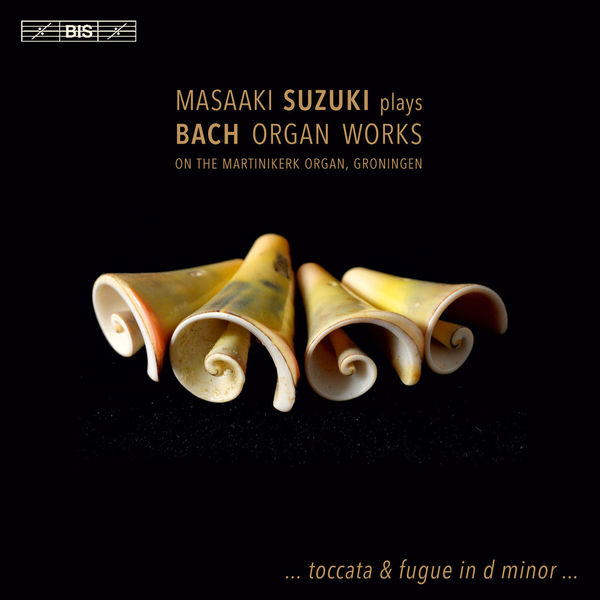
Masaaki Suzuki plays Bach Organ Works (BIS 2016)

I must admit, I bought this album initially because I finally wanted to have a well recorded modern version of the Toccata d-minor BWV565, probably Bach’s best known work even for lay people.

Masaaki Suzuki plays Bach Organ Works BIS 2016 24/96

Well, that and the fact that I truly admire Masaaki’s efforts with the Bach Collegium Japan, and have pretty much his entire Cantata cycle. So I was curious to hear him as a soloist.

Well, I wasn’t disappointed. BIS can usually be trusted for recording quality, and this recording delivers (although has quite a bit of reverb from the Marinikerk in Groninen, so if you don’t like this, look elsewhere).

The good thing of this album is as well that once you go beyond the Toccata earworm, there is lots of beautiful music to discover. I don’t listen to organ very regularly, so this album pushes me in the right direction.

And Masaaki surely knows how to play. This album has received some controversial reviews, some like Diapason and obviously Gramophone love it, some critisize Suzuki takes too many liberties. Well, I’m certainly in the first camp.

My rating: 4 stars


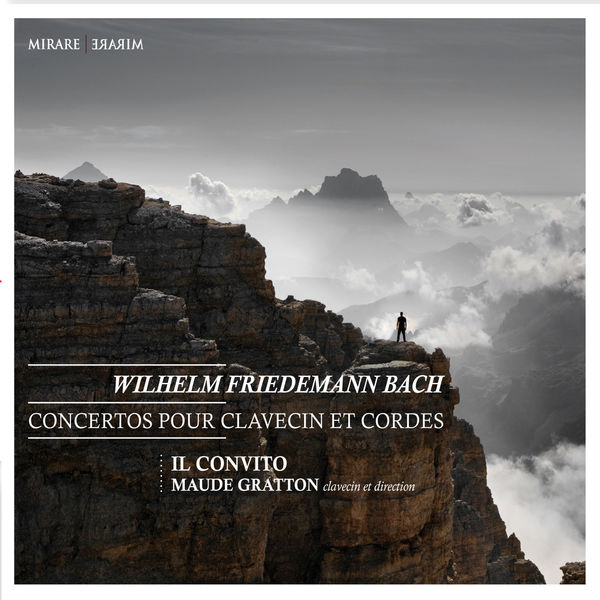
WF Bach Keyboard Concertos – Maude Gratton (Mirare 2015)

Wilhelm Friedemann Bach: Concertos pour Clavecin et Cordes / Cembalo Concerts Maude Gratton Il Convito

I’ve reviewed this album previously and unfortunately, it still isn’t my cup of tea.


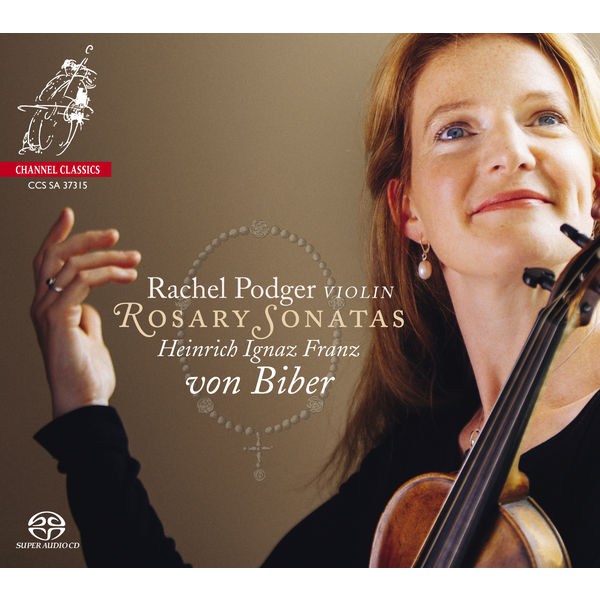
Biber: Rosary Sonatas – Rachel Podger (Channel Classics 2016)

Ah, Rachel Podger. I’m a big fan, and like pretty much everything she recorded, see also here.

Biber: Rosary Sonatas - Rachel Podger Channel Classics 2016 DSD

Sometimes, even in the music world, there seem to be trends.

You barely heard about Heinrich Ignaz Franz von Biber (to quote his full name) for years, and all over sudden, you get 3 recordings of the Rosary Sonatas in a row.

Not sure about the exact order, but we got Ariadne Daskalakis on BIS, Hélène Schmitt on Aeolus, and Rachel Podger in the space of about 12 months.

What’s even more difficult: all of the above are very good.

Nevertheless Podger has an edge over the two others in my ear due to the sheer beauty of the playing. Now, you could argue, is beauty the right approach for these works.

Well I’m not religious, but if Wikipedia is correct, the Mystery of the Rosaries are meditations on important moments in the life of Christ and the Virgin Mary. I personally would want these to be beautiful. The outstanding recording quality of Channel Classics in DSD only makes it more breathtaking. 

My rating: 5 stars

In any case, check out the two others as well before buying.

My prediction

So who will win in the category? Both Suzuki and Podger have made it into the final three, I’d expect a tight race here. I personally give the edge to Podger.

Opera

I recently bought Netrebko’s beautiful recording of Tchaikovsky’s Iolanta and enjoyed it a lot, so I really need to check out the recording of Pique Dame that Gramophone recommends here by Mariss Jansons, but I haven’t done so yet, so will refrain from any comment at this stage.

The only album in the opera category I’ve heard (and own) is:

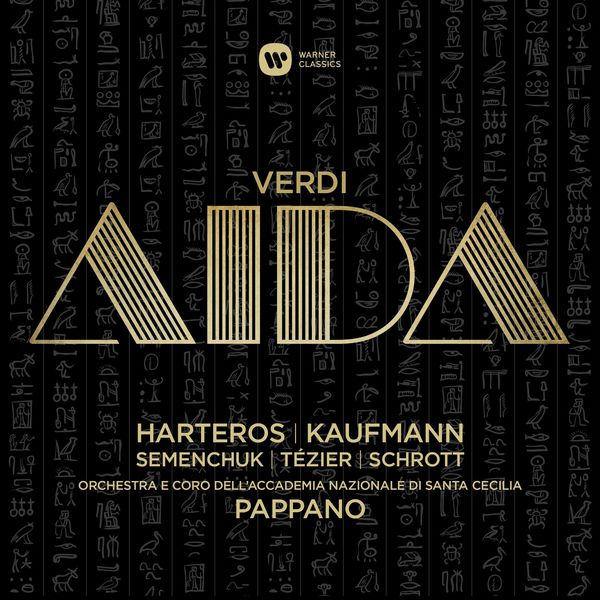
Verdi: Aidi – Antonio Pappano – Anja Harteros – Jonas Kaufmann (Warner 2015)

Verdi: Aida Pappanis Anja Harteros Jonas Kaufmann

Well, no change to my previous five star rating (see the review here), and I wouldn’t be surprised if this album will also win. Like the Tchaikovsky mentioned above, it made it into the final three candidates.

Orchestral

I’m a bit surprised myself that I wasn’t able to write a dedicated blog post about the Orchestral category, but there are simply too many albums nominated from composers that I dont’ care enough about, often 20th century, from Casella, Dutilleux, Elgar, to Vaughan Williams.

So just a quick note about two albums in this section:

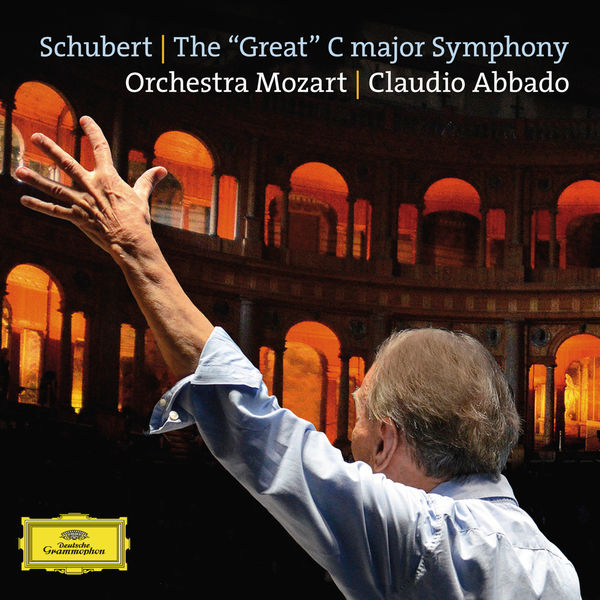
Schubert: Symphony No. 9 – Claudio Abbado – Orchestra Mozart

Schubert Symphony No. 9 Abbado Orchestra Mozart Deutsche Grammophon 2015

Going to be brief here, I love a lot of the stuff that Abbado did with his Orchestra Mozart, this isn’t my favorite. I’d much rather go with Dohnanyi as reviewed here.

And then there is Andris Nelson’s BSO recording of Shostakovich symphony no. 10. I don’t have that one yet, but really like his even more recent release of symphonies no. 5 and 9.

Shostakovich Symphony No. 10 Andris Nelson Boston Symphony Orchestra Deutsche Grammophon 2016 24 96

Given that I haven’t heard 90% of the albums in this category, predicting the winner is obviously preposterous. But I wouldn’t be surprised if Nelsons wins here.

Recital

I’ve only spent a decent amout of time with one album in this section, the excellent Weber Sisters.

A side note on the Ricercar Cavalli album, I skipped through it, but found the Christina Pluhar album released pretty much at the same time more exciting. I may need to revisit that though.

And I gave Jonas Kaufmann’s Nessun Dorma as a present to my mother-in-law, she’s a big Kaufmann fan, and I must admit, the album is really worth checking out.

Mozart and the Weber Sisters – Sabine Devieilhe – Raphael Pichon – Ensemble Pygmalion

Mozart: The Weber Sisters Sabine Devielhe Raphael Pichon Pgymalion Erato 2015

I’ve already reviewed this album, with 5 stars.

And I keep going back to it over and over again.

This is again one of the rare birds of albums where Classica (Choc de l’année), Diapason (5 stars), Gramophone (Editor’s choice, Gramphone Award nominee), and Telerama (4F) all agree.

She is nominated among the final 3 contenders in this category, I really hope she wins!


So in summary: Podger’s Biber, Pappano’s Aida, and Devielhe’s Mozart are the must have albums for me here, with Suzuki’s organ works also highly recommended.


What do you think? I’d love to hear your opinions!


You can find the albums here:

Bach Suzuki Organ Works

WF Bach Cembalo Concertos

Biber Rosary Sonatas Podger

Verdi Aida Pappano

Schubert 9 Abbado

Nelsons BSO Shostakovich 10

The Weber Sisters


My Reflections on the 2016 Gramophone Awards (Part III): Instrumental

You can find Part I (concerto) and part II (Baroque Vocal) of this blog post here and here

Instrumental

Again, one of my absolute favorite categories, and some beautiful gems this year.

Let’s get right into it:

Bach/Beethoven/Rzewski: Variations – Igor Levit (Sony 2015)

Igor Levit Bach Goldberg Variations Beethoven Diabelli Variations Rzewski The People United Will Never Be Defeated Sony 2015

I’ve already reviewed this fantastic album, by one of the pianists I admire most these days. What else is there to say but “wow”, or 5 stars?


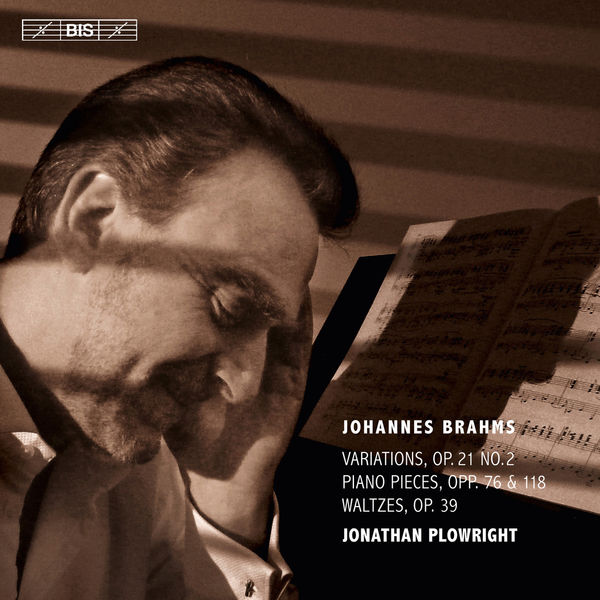
Brahms: The Complete Solo Piano Music vol. 3 – Jonathan Plowright (BIS 2016)

Brahms: The Complete Solo Piano Music, vol. 3 - Jonathan Plowright (BIS 2016)

I cannot really comment on this album very much, as BIS has a restriction on streaming albums for the first 6 months I believe, so I wasn’t able to hear more than 30 secs of each track, which really isn’t enough to review.

I must admit, that past releases from Plowright’s Brahms recordings (e.g. Sonata No. 3) were ok, but not so great that I was particularly motivated in purchasing this album blindly.

Plus, I’m not sure if Op. 21 no.2 and the Waltzes are essential Brahms (I love op. 76 and 118 though). Will check back when it frees up for streaming.


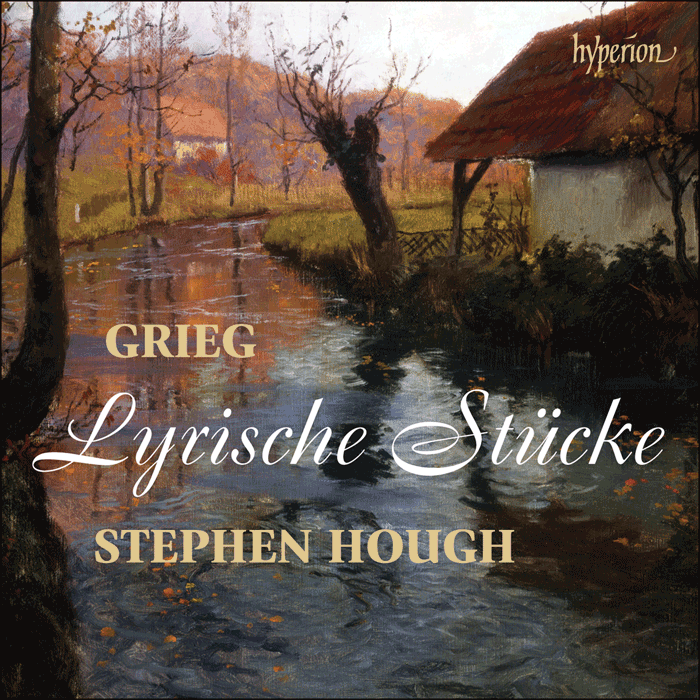
Grieg: Lyric Pieces – Stephen Hough

Grieg Lyric Pieces Stephen Hough Hyperion 2016

Hyperion is another one of the labels that refuses streaming, but unlike BIS not only for the first 6 months, but permanently. On the one hand, I get the point that artists make peanuts on streaming, so it is not something some labels want to endorse.

I must admit that even though I have a subscription to a lossless streaming services that let’s me listen to any album in full CD quality, when there’s something I really like I usually purchase the album anyhow. And in the few years I had access  to streaming, I got so used to being able to listen to an album fully before buying, that Hyperion is actually losing money with their policy on me. But I guess I’m rather the exception.

Long story short: again, only 30 secs samples available to me. Not enough to judge. First impression is quite positive though. I really like Grieg’s little gems so I may end up buying this anyhow.


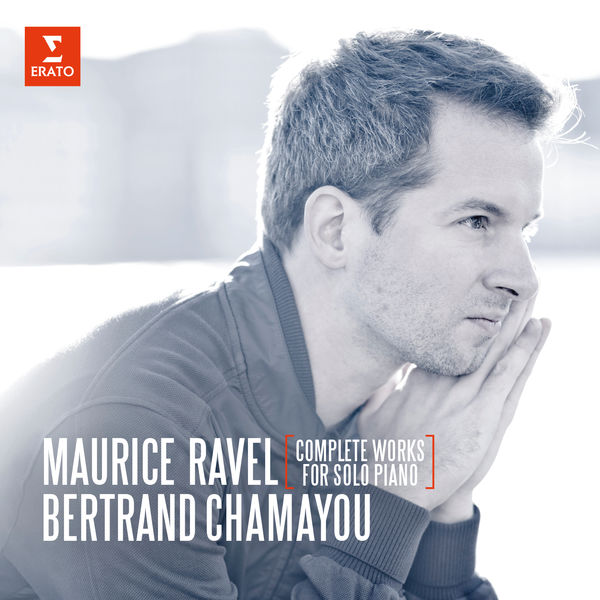
Ravel: Complete Works For Solo Piano – Bertrand Chamayou

Ravel: Complete Works For Solo Piano - Bertrand Chamayou Erato 2016

This album was my surprise of the year.

As mentioned previously, the so-called French impressionists (Ravel and Debussy) are usually only partially my cup of tea. So I wasn’t particularly excited when this came out, by a young French pianist I’d never heard about.

But then this album received a Gramophone Editor’s Choice AND a Choc from Classica. This really is rarer than you’d think, as my two favorite classical magazines rarely agree (Classica was only lukewarm on the Brahms Plowright above, for example).

So I went and checked it out, and Erato nicely enough IS available for streaming.

And what can I say: I don’t see how you could play these works any more beautifully than what Chamayou does here. Just magic. Go and loose yourself in the magic of the opening Jeux d’eau, take the amazing Gaspard de la Nuit, or even simple stuff like the Haydn inspired Menuet, all is just perfect. Nothing is ever Kitsch or Too Much, this is painted with a very light brush, his style doesn’t remind me of the Impressionism of a Monet, but more of the Pointilism of a Seurat, if you get the analogy.


My rating: 5 stars

Eugène Ysaÿe: Sonatas for Solo Violon – Alina Ibragimowa (Hyperion 2016)

Ysaye: Sonatas for solo violin - Alina Ibragimova Hyperion 2016

Let’s make this one quick: I really like Ibragimova, don’t know a lot about Ysaÿe (beyond that he was a Belgian superstar). Thanks to Hyperion’s no streaming policy, this is not likely to change any time soon. I’ve read a lot of positive reviews about this elsewhere, so don’t let my ignorance scare you off.


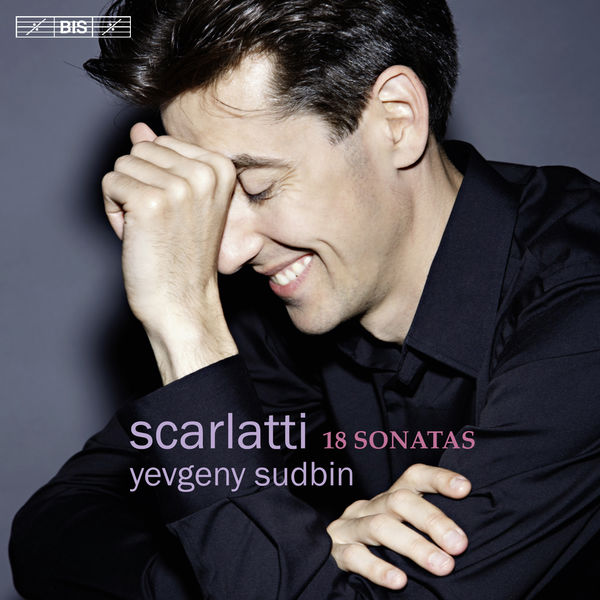
Scarlatti (D): 18 Sonatas – Yevgeny Sudbin (BIS 2016)

Scarlatti: 18 Sonatas - Yevgeny Sudbin BIS 2016

And here we go again, BIS’ no streaming policy will stop me for another couple of months or so to listen to this album.

What I can say is that I’m a big fan of Sudbin, but my expertise on Scarlatti is rather light anyhow, so I wouldn’t take my judgment very seriously even if I had listened to the album.

Be warned, this album also received some “meh” reviews, it’s apparently not everybody’s cup of tea.


Conclusion?

You may complain, only two albums I properly bothered to comment about? Well, as a policy I rather shut up where I don’t know what I’m talking about or am unable to properly review.

But in any case, both the Levit and the Chamayou are such exceptional albums, that we’re already very well served here.

So, who will win? 2 days ago Gramophone announced the 3 finalists, namely Levit, Chamayou, and Sudbin.

My prediction: Chamayou will win the category, and I hope Levit will win the “Artist of the Year”, a public poll (I already voted for Mr. Levit, but votes are closed since end of July now).

As always, I’d love to hear your feedback!


You can find the albums here:

Levit: http://www.qobuz.com/fr-fr/album/bach-beethoven-rzewski-igor-levit/0886444998161

Brahms Plowright: http://www.eclassical.com/labels/bis/brahms-the-complete-solo-piano-music-iii.html

Grieg Hough: http://www.hyperion-records.co.uk/dc.asp?dc=D_CDA68070

Ravel Chamayou: http://www.qobuz.com/fr-fr/album/ravel-complete-works-for-solo-piano-bertrand-chamayou/0825646026777

Ysaÿe Ibragimova: http://www.hyperion-records.co.uk/dc.asp?dc=D_CDA67993

Scarlatti Sudbin: http://www.eclassical.com/labels/bis/scarlatti-18-sonatas.html


Bach’s Well-Tempered Clavier – beautifully played by Céline Frisch

Das wohltemperierte Klavier

Yes, I know, Bach once more.

But to my defense, this is the first time I’ve written about this particular work, the famous Well-Tempered Clavier BWV 846-893.

Prelude no. 1 in C-major is probably known even to many  non-classical listeners, as it forms the basis of Gounod’s Ave Maria, and it is accessible enough for most piano students to attack it at some point during their classes (including me).

Obviously, there is much more to this cycle of works that takes you through every single key step by step. It consists of two “books” or parts of preludes and fugues covering all keys of our Western scale

Side note: In case you didn’t know, the term “well-temperament” refers to the tuning of the keyboard that was at that time recently invented. Before the well-tempered tuning, any given tuning used at the time worked well for some keys but didn’t really work for others. To simplify, the well-tempered scale by Andreas Werkmeister was the first where you could easily switch between keys without any of the keys sounding out of tune.

I already had a couple of nice recordings of this work, from old-fashioned but great Sviatoslav Richter to Andras Schiff (obviously), to both recordings of Angela Hewitt.

However, I never had a recording on harpsichord that really convinced me. Earlier I used to like Keith Jarrett’s recording on ECM. However, I’ve outgrown this recoding a bit. Both Egarr and Levin are very good, but still I wasn’t 100% satisfied.

Céline Frisch’s Well Tempered Clavier Book 1 

Céline Frisch The Well Tempered Clavier Book I Alpha 2015

I had first heard about Céline Frisch regarding her Goldberg Variation recording. But I never checked her out I must admit. I was too happy with Hantaï, and more recently Levit.

However, the February 2016 issue of Classica pointed me towards her Well-Tempered Clavier recording, so I went to Qobuz and gave it a listen. They awarded this album a “Choc“, their way of saying 5 stars, and called this “une interprétation magistrale“, probably best translated with “authoritative recording”. (It also received the highest rating from Diapason, the Diapason d’or).

And I was impressed, this version is so spot-on, so precise, but never technical, never dull. Bach on a harpsichord can easily get boring or annoying, when it is played too much like robot, or lacking any other kind of differentiation, as obviously on a harpsichord you cannot modulate your touch like you can do on a modern piano.

None of this here, you will be drawn into the music from the first second, and will want to listen to the entire thing. Not an easy achievement, given that this was composed to use Bach’s own words (translation thanks to Wikipedia) “for the profit and use of musical youth desirous of learning, and especially for the pastime of those already skilled in this study”, i.e. essentially a piece to study your skills, not really for public performance and for somebody else to listen to it.

Frisch plays a copy of a Silbermann harpsichord. This instrument at the beginning takes some getting used to, it being a bit bright and slim. However, you get into it really quickly, also thanks to Alpha’s usual good recording technique, and after a while you really appreciate the transparency that let’s you hear through even more complicated fugues.

My rating: 5 stars

You can find it here (Qobuz) and here (Prostudiomasters)

P.S. And you can be sure her Goldberg’s are next on my playlist.

A second addendum to Diabelli – this time from Gramophone

Diabelli and Gramophone

Following up to my own post on the Diabelli variations and the addendum with the input from Classica here, now my other favorite classical music magazine, Gramophone, in their recently released August edition, has tried to identify the best version of the Diabelli-Variations.

Andreas Staier

I’m glad to report that my personal preference, Andreas Staier, gets a special mention as “Period-Instrument Choice”, and therefore one of the four recommended versions out of more than 80. Staier’s ECM also gets a honorable mention.

A live recording from Rudolf Serkin gets the “Historic Choice”, Olli Mustonen’ RCA recording get’s the “Iconoclastic Choice” (the recording is on Qobuz streaming, so I’ll check it out later).

Top-Choice

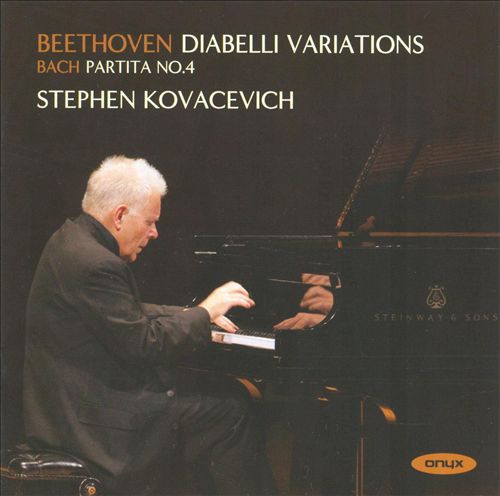
But their top-choice unfortunately is on the Onyx label, which is more restrictive on streaming, so I haven’t heard it yet. It is the 2008 recording by Stephen Kovacevich. Given that he started his career with this work in 1961, I’m not too surprised about this choice. Worth checking out, and on my list to purchase in the near future.

Stephen Kovacevich Ludwig van Beethoven Diabelli Variations Onyx 2008.

My Reflections on the 2015 Gramophone Award Nominees – Part I – Instrumental

Gramophone Award Nominees

The Gramophone awards nominees are now officially declared. This award is probably among the most prestigious award in classical music (beyond the obvious Grammy), so it is always interesting to see who’s in.

As said before, I don’t always agree with Gramophone but their opinions are always worth checking out.

If you have an iPad, you can download the Gramophone magazine app (the primary way I read the magazine these days, no shipment, no paper wasted) and get the Gramophone awards nominee issue for free. It’s worth checking out.

Let me comment on some recordings I know well and also play Oracle of Delphi who will eventually win.

Instrumental

There are four album in here I own or have heard, three of which I’ll be talking about here.

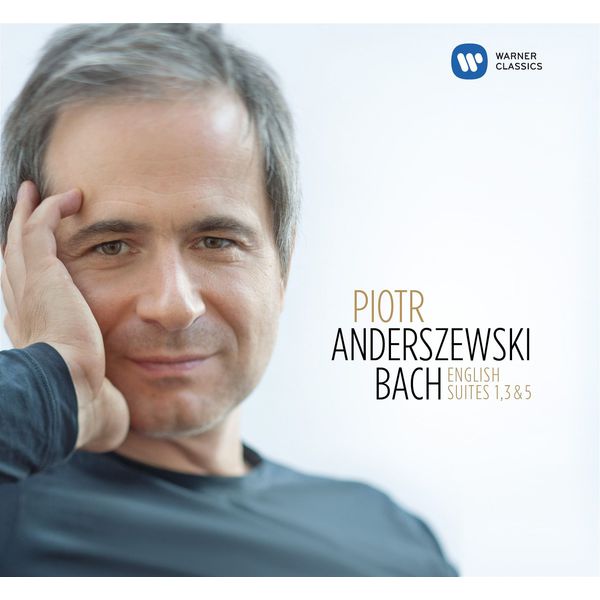
Bach’s English Suites with Piotr Anderszewski

Piotr Anderszewski Bach English Suites 1 3 5 Warner Classics

Well this one is a typical example where I don’t agree with Gramophone.  I can’t really put my finger on it but this album just doesn’t excite me. Maybe it is the tempo, maybe it is the touch, don’t know. Bach on a modern piano is always tricky, you really need to justify these days why you’d use the “wrong” instrument (instead of a harpsichord or similar).

My rating: 3 stars

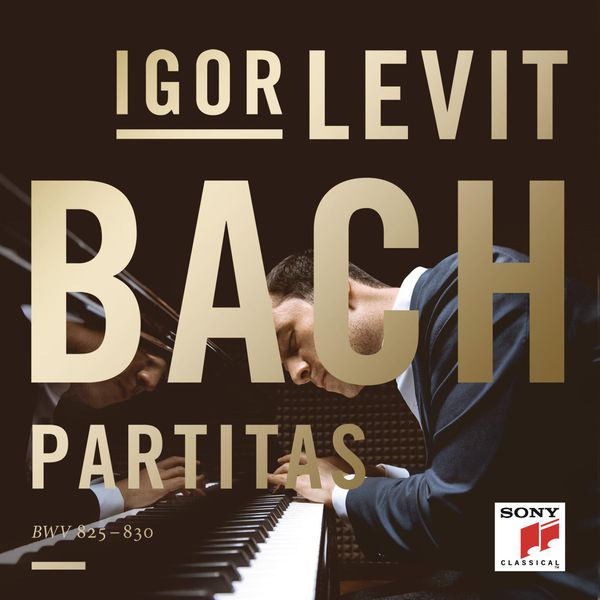
Bach: Partitas – Igor Levit

Igor Levit Bach Partitas Sony Classical

This album, however, is a typical example of getting it just right. I don’t mind one second not hearing a harpsichord. Levit is an extraordinary talent; his previous recording of the late Beethoven sonatas was outstanding as well.

I’ve been listening to this times and times over, it’s been replacing even Perahia as my go-to version. So this album to me is a hot contender to win this category.

My rating: 5 stars

However, if I had to bet, I’d say the following will be the category winner (and not only because let’s say Gramophone sometimes seems to have a certain preference for their countrymen):

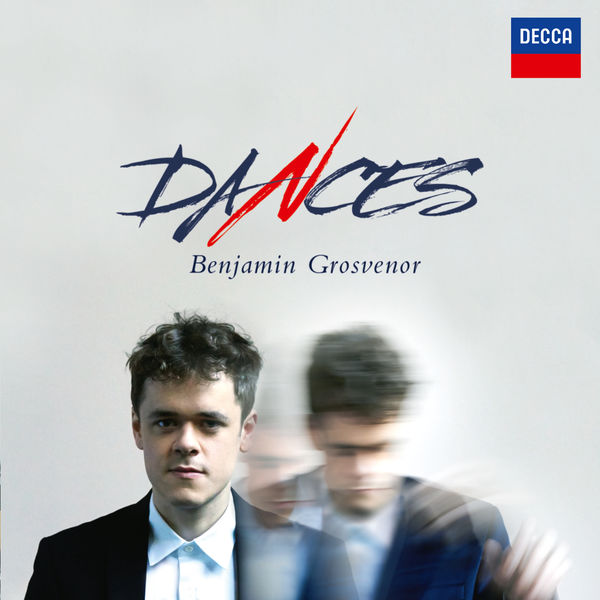
Benjamin Grosvenor – Dances

Benjamin Grosvenor Dances Decca Classics

5 years younger than the still very young Levit (years of birth 1992 and 1987 respectively), Grosvenor could be qualified as a Wunderkind. What a horrible term.

Actually, it really goes beyond this, he is just a truly brilliant artist who just happens to be very young. His previous album Chopin/Liszt/Ravel was truly fantastic, and his new release with “Dances” from Bach via Granados to Scriabin is another example of what he can achieve. With him, even relatively useless (sorry) pieces like Schulz-Evler’s questionable version of An der schönen Blauen Donau become enjoyable. (Ok, he could have skipped the Boogie-Woogie…).

An absolute must have!

My rating: 5 stars

Also nominated are a live recital of Mahan Esfahani (haven’t heard), Sokolov’s Salzburg recital (his Chopin Preludes here really aren’t my cup of tea, 3 stars), and La Fauvette passerinette by Peter Hill (haven’t heard either).

So what are your thoughts and ideas? Who would you have chosen?

Classical Life

A classical music blog by music critic Tim Mangan

This Week's Music

Making Classical Accessible

From my Macbook to the Net

Evaporation of my thoughts and observations

Elestra

Author: Artienne

My Life in Music

Playing, Singing and Listening

ArsX3

A brand new journal reviewing books, cinema, music

LawrenceEz's Blog

Creative and Performing Arts: Writing, Classical Music, Photography

Laetitia Strauch-Bonart

Contemporary Politics & Culture

sibling revelry

reveling in all things classical

It's A Raggy Waltz

I collect jazz on vinyl, I dig the Dave Brubeck Quartet, & I write about it

La Musica

By two cousins

thejazzbreakfast

Dishing it out from the heart of England

only jazz

random thoughts about music that matters to me

The Culture Project

Exploring the world of literature, wine, art, music and more.

René Spencer Saller

The music causes me to dream of fabulous empires, filled with fabulous sins.

Breaking Baroque

Blog of Tafelmusik Baroque Orchestra and Chamber Choir

Tasting Nirvana

Eating your Dosha

The Immortal Jukebox

A Blog about Music and Popular Culture

April Greene

Writer + Editor

a pianist's musings

A history of your favorite classical music.

Classical music for all

Boris Giltburg's blog

I HEAR VOICES

An orchestra seat in the web space