Musicophile’s 25 Essential Classical Music Albums – Part I

I Love Reader Feedback!

Hearing from your readers is just fantastic. Blogging is obviously sometimes a bit lonely exercise. You write something on your own, and then it’s out there, being read in places as far away as Turkmenistan, Mozambique, or Mongolia (I’m not making this up, the stats for my blog show user access from 157 different countries, including all of the above, and places like Micronesia, Myanmar, or Brunei).

So it is really great to hear back from readers, which luckily happens regularly, and even better if I get questions, because often these turn into blog posts, like for example My Must Have Mozart Albums.

So in this particular case, in my last blog entry about the CPE Bach keyboard concertos, reader Jim S asked me if I could do a similar post to my 25 Essential Jazz albums for classical music.

Sure, here we go!

25 Essential Classical Albums

However, now starts the tricky part. How do you define essential? Are we talking about the musical value of the work, or do you want to be as representative as possible of the 500+ years of what we call classical music today? And obviously, you’ll find many of these lists already online.

I’ve toyed with several ideas and concepts, but discarded all supposedly objective approaches to something purely subjective. Therefore, this list will simply be albums I truly don’t want to live without. Call them “desert island” albums (a cliché I hate, I’d much prefer to take an entire external hard drive to said island).

With this purely subjective list, there will be obvious gaps. Nothing prior to Bach, so the entire early music gets excluded. No Grieg, no Wagner, no Mahler, no Händel, no Debussy, no Ravel, no Haydn? All this doesn’t mean that I don’t appreciate these artists (and I’ve written about most of them on this blog already). They are just not as essential to my very personal taste. And if you’re listing only 25 albums you really have to do some tough choices.

Furthermore, I’ve cheated a bit, occasionally I’ve extended the concept of “album” to an entire multi-CD box by the same artist.

So, here we go. I decided to simply go alphabetically.

I’ve you’re following my blog regularly, you won’t be surprised that the entire first part of the blog post is exclusively dedicated the the “big B’s”, Bach, Beethoven, and Brahms. The entire rest of the alphabet will be covered in part II.

Bach: Brandenburg Concertos

This first entry is already controversial. The Brandenburgs are essentially music for entertainment. How can I put them in this list and for example, not put Beethoven’s Missa Solemnis? The answer is very simple, I just love them too much. I really never get tired from this music. So all musicologists out there, sorry!

Bach Brandenburg Concertos Rinaldo Alessandrini Naive 2005

I’ve already written about my favorite version here.

Bach: Goldberg Variations – Pierre Hantaï
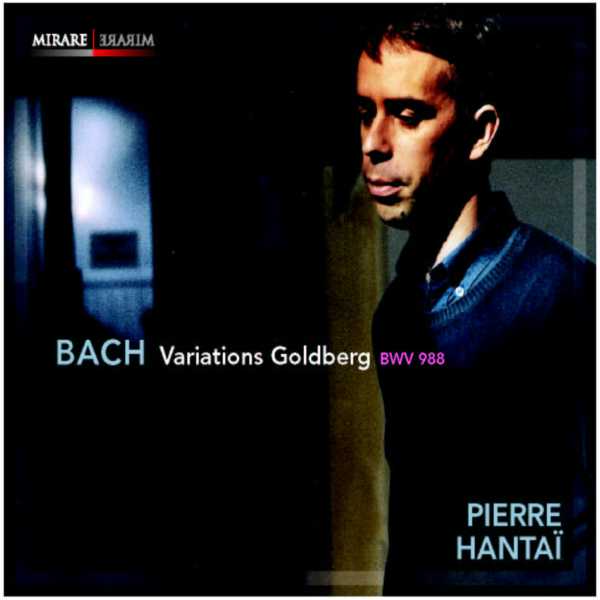
Pierre Hantai Goldberg variations Mirare 2003

This one was easy. No essential classical album list could be complete without this absolute pinnacle of keyboard music.

I’m recommending here Pierre Hantaï on harpsichord, given that this is the instrument for which this was originally written. You’ll find my original review here. if you prefer a modern piano version, go with Murray Perahia, or more recently, Igor Levit (see the review of the latter here).

Bach: B-minor mass – Herreweghe

Bach b-minor mass Herreweghe 2011 Phi

Again, another absolute masterpiece, that has to be in every collection. My review of my favorite version with Philippe Herreweghe can be found here.

Bach: St: Matthew Passion – Dunedin Consort

Here I could have chosen either the smaller St. John’s passion or the larger St. Matthew’s. I went for the larger one.
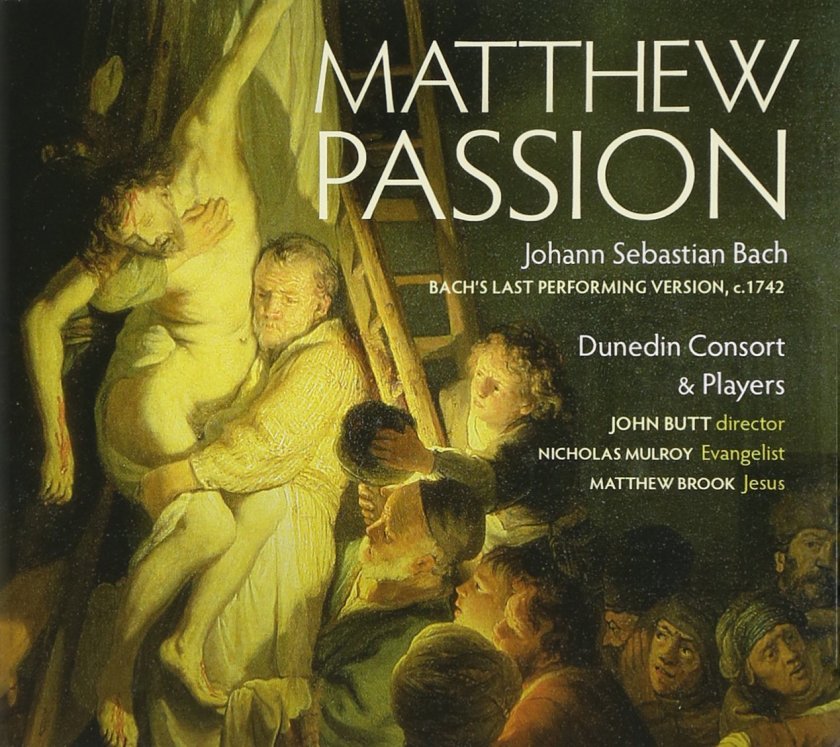
Matthew Passion Dunedin Consort John Butt Linnrecords 24 88

You’ll find my review of this truly essential masterpiece here.

Bach: Orchestral Suites

No. 5, the last of the great Johann Sebastian. And like with entry no. 1, the Brandenburgs, we’re getting into the “pop music” territory again. I would never claim that the Orchestral Suites (also known as Overtures) are of the same musical value as the b-minor mass for example.

But again, I listen to these over and over again. That’s why they feature here.

I haven’t reviewed my favorite version on this blog yet, so just a quick comment about this album. I usually really like the Freiburger Barockorchester, and this is probably my favorite album they’ve ever recorded. They just get the balance right between swing, brillance, and sheer fun.
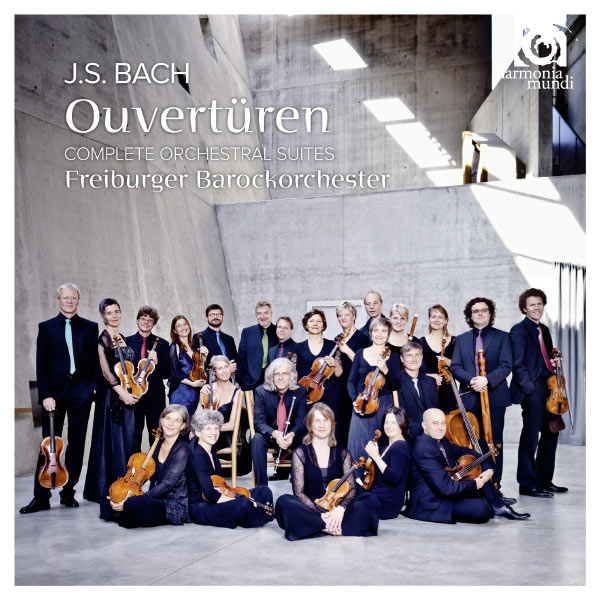
Bach: Ouvertüren - Complete Orchestral Suites - Freiburger Barockorchester Harmonia Mundi

Now, moving on to the next Big B:

Beethoven: Symphony No. 5 & 7

Among the Beethoven symphonies, I was very tempted to simply put Paavo Järvi’s complete cycle, that I’ve written about here. However, they actually haven’t been released as a single album yet, and anyhow, I just needed to feature this outstanding album below, as I hadn’t written about it yet:
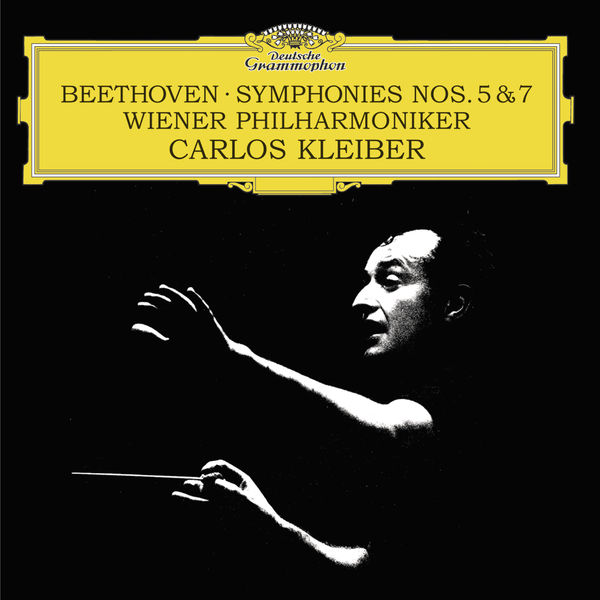
Carlos Kleiber Beethoven Symphonies 5 & 7 Wiener Philharmoniker Deutsche Grammophon 24 96

Carlos Kleiber, son of famous Erich Kleiber, is one of those conductor legends. Partially this is due to the fact that he has recorded relatively little, so a rarety factor comes into play here. But then again, this album above features in pretty much every “Best Of Classical” list I’ve consulted while doing the research for this post. And honestly, it very much deserves that place. There is really something special about it.

On top of everything else, you’re not only getting the famous “da da da daaaa” 5th, but my personal favorite of Beethoven’s symphonies, No 7.

A true must have.

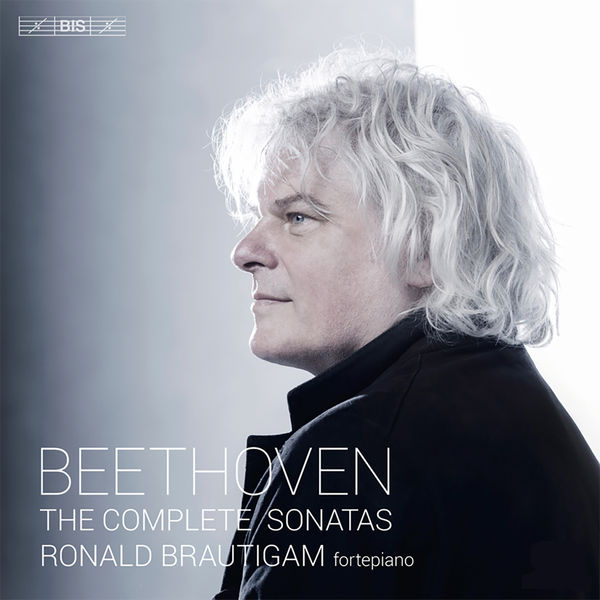
Beethoven Complete Piano Sonatas – Ronald Brautigam

I’ve already mentioned Brautigam and his complete Beethoven cycle in My Top 10 Favorite Classical Pianists.
7318599920009_600

I know not everybody appreciates the sound of the fortepiano. And if you don’t you’ll find plenty of alternatives in the catalogue on modern Steinways. But I really suggest you check this out. Not only you get outstanding playing, the different sound of the fortepiano opens up an entirely different world.

Beethoven: Complete Violin Sonatas – Isabelle Faust
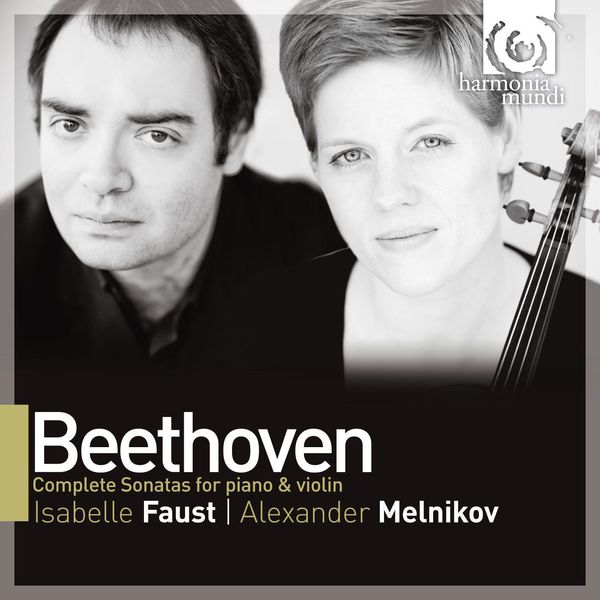
Beethoven: Complete Sonatas for piano & violon - Isabelle Faust - Alexander Melnikov - Harmonia Mundi 2013 24/44

Oh no you’re going to say – again Isabelle Faust? Yes I know, I’m a BIG fan. I’m not going to give links here to all the positive reviews I’ve written about her, there are simply too many (just enter “Faust” in the search box on the right, and you’ll see the long list).

But what can I do? She’s done one of the best, if not THE best cycle of Beethoven’s violin sonatas.

What you could argue about, if I choose chamber music from Beethoven, why the violin sonatas and not the string quartets? Well to be frank, I’m still in the process of fully absorbing all string quartets and have yet to make up my mind which version to prefer.

So, only 3 entries for Beethoven, but given that I’ve “cheated” with two complete boxes, I figured we can move on to the composer whose name features in the sub-title of my blog.

Brahms: Piano Concerto No. 1 – Leon Fleisher – George Szell

Brahms first piano concerto was my first big love in music. I started out with a decent, but not outstanding version, with Sir Georg Solti, and Andras Schiff on piano, and by now have collected more than 20 versions.

Among the more recent recordings, I really like the version by Riccardo Chailly with Nelson Freire, but when we’re getting a bit back in time, I guess there is simply no beating of George Szell.

The only problem I’m having is, which version? George Szell has recorded piano concerto no. 1 with several pianists, including Rudolf Serkin, Leon Fleisher, and Clifford Curzon, among others.

I guess, overall the version with Leon Fleisher wins by a very small margin, but tomorrow I may well recommend Curzon instead. But I guess I have to decide, so Fleisher it is:

Leon Fleisher: Brahms Piano Concerto No. 1 and Beethoven Piano concerto No. 2 Cleveland Orchestra George Szell

Brahms: Piano Concerto No. 2 – Richter – Leinsdorf

Brahms Piano concerto no. 2 Beethoven Sonata No. 23 Sviatoslav Richter, Erich Leinsdorf - Chicago Symphony RCA

Again, for piano concerto no. 2 I could have recommended a lot of albums. I’ve previously written about Emil Gilels,  and could have recommended Gilels with Reiner, or again Chailly/Frere.

But I guess there is something truly special about this particular recording with the great Sviatoslav Richter, that I had the pleasure of hearing live once in a solo recital.

A must have.

Brahms: Symphony No. 1 – Wilhelm Furtwängler

Here it gets complicated. In one of my very first blog posts I’ve written about my quest to find a modern version to replace my love for Wilhelm Furtwängler in Brahms first symphony. I’ve also written about why this symphony is so important to me, so I simply couldn’t keep it of the list.

Therefore, be warned, the recording I’m recommending here is a historic performance, that may not please everyones ears from a technical perspective (musically it is hard to beat though).

Furtwängler has recorded this symphony several times, and my favorite version is either with the Berlin Philharmonic, or with the NDR Sinfonieorchester Hamburg.

Let’s pick the BPO version here. Unfortunately it is not that easy to find. It can be found on the Furtwängler Anniversary Box, which is worth having:
Wilhelm Furtwängler Anniversary Tribute Deutsche Grammophon

Brahms: Symphony No. 4 – John Eliot Gardiner

Brahms 4 is my other favorite Brahms symphony. I really love the variations in the 4th movement!

I could have given a lot of recommendations here, Chailly, Szell again, or as above, Carlos Kleiber.

But let me stick to this version, the 2010 recording by John Eliot Gardiner with his Orcheste Revolutionnaire et Romantique. I know the concept of historically informed performance is controversial, especially for late 19th century works.

Anyhow, I really like what I hear, especially the transparency.

If you want more traditional Vienna Philharmonic sound, just get the Carlos Kleiber instead!

Brahms Symphony No. 4 John Eliot Gardiner SDG 2010

Brahms: Violin Concerto – Isabelle Faust
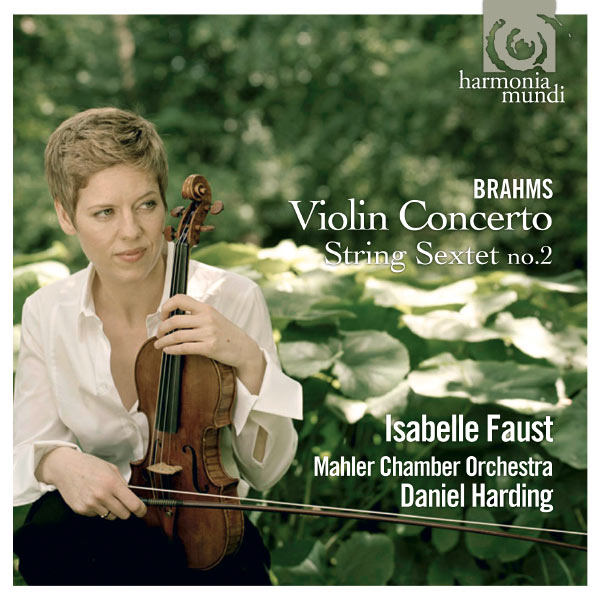
Isabelle Faust Brahms Violin Concerto Daniel Harding Mahler Chamber Orchestra Harmonia Mundi 2011

Yes, sorry, Faust pops up twice in this post, here we go again for Brahms Violin Concerto, as reviewed here. If you want an alternative, just get Jascha Heifetz with Fritz Reiner, or Janine Jansen (see here)

To be continued next week…..

All of the albums above that weren’t reviewed previously are obviously full 5 star ratings!

And while I’m preparing part II, I’d love to hear your feedback on the selection above? Am I nuts? What do you think? What are your favorites?

You can find the albums here:

  • Bach: Brandenburgs: Qobuz
  • Bach Goldberg: Qobuz
  • Bach: B-minor mass: Qobuz
  • Bach: Orchestral suites: Qobuz
  • Beethoven 5 & 7 Kleiber: Qobuz
  • Beethoven: Complete piano sonatas here (Qobuz) and here (eclassical)
  • Beethoven: Complete violin sonatas Qobuz
  • Brahms piano concerto no. 1 Fleisher Qobuz
  • Brahms piano concerto no. 2 Leinsdorf Prestoclassical
  • Brahms 1 Furtwängler Berliner Prestoclassical
  • Brahms 4 Gardiner Qobuz
  • Brahms Violin concerto Faust Qobuz
Recommended: The 2nd volume of Mendelssohn’s Songs Without Words by Ronald Brautigam

Yes, I really like Mendelssohn (this is already my 5th blog entry on him). His works are unfortunately still underrated by many.

And his Lieder ohne Worte (Songs without Words) are truly among my favorite works, quite simple if you listen superficially, but so much beauty and detail can be found in there.

I’ve spoken very highly of the first volume of the Lieder ohne Worte by Ronald Brautigam.

Recently, he has released the second volume, the books 5-8 of these now complete recordings of these beautiful musical poems.

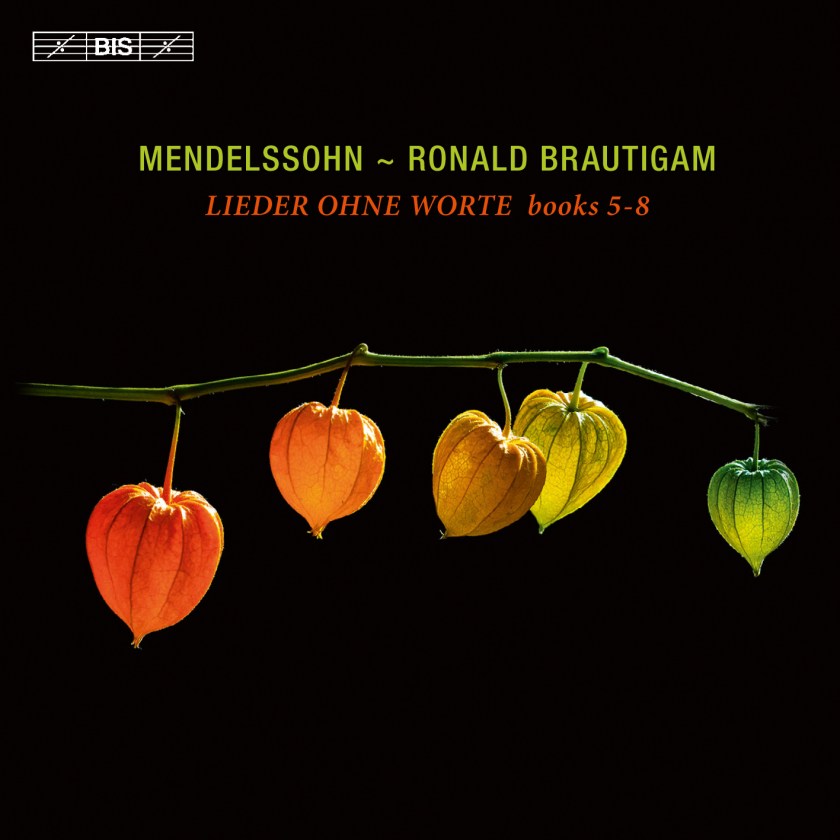
Mendelssohn: Lieder Ohne Worte books 5-8 – Ronald Brautigam (BIS 2016)

Felix Mendelssohn Lieder Ohne Worte Books 5-8 Ronald Brautigam 24 96 BIS 2016

If, like me, you liked the first edition of the books 1-4, this is a clear must have.

It is again played on a contemporary copy by Paul McNulty of a Pleyel piano from the 1830s, with a beautiful mellow sound, which I’ve already praised in my previous review.

The booklet is also very much worth checking out, not only for getting a picture of the instrument being used on p. 30. Horst A. Scholz really does an excellent job in describing the individual pieces. Given that eclassical offers the booklets for free, I highly suggest you have a look.

In short: if you like Chopin or Schumann, and are curious about the sound of a piano the way Mendelssohn may have  heard and played it, go for it!

My rating: 4 stars (although the more I listen to it, the closer this fortepiano recording  gets to the 5 stars I gave to Perianes modern piano version).

You can find it here (eclassical) and here (Prestoclassical)

Update December 28,2016: In their December issue, Classica agrees and gives this album a 4 star rating.

Schubert: A Journey Through 11 Versions of Schubert’s Piano Sonata D959

The Cross Eyed Pianist

Sometimes, as a blogger, you may feel a bit alone. With my rather niche topic of Jazz and Classical music, I really don’t have that many people to exchange ideas with in my immediate surroundings, as most of my friends and family don’t care enough about this topic (my mother-in-law is the exception, she is a loyal reader, even if she often disagrees with my opinions).

Luckily, on the internet, you’ll be able to find like-minded people for every kind of interest, as small as it may be. I’ve met people virtually on several discussion forums and via this blog that I feel I have very compatible musical tastes.

And obviously then, there are the other bloggers. You can find on this blog the long list of all blogs I follow (at least those on WordPress), but some are really outstanding, and to be fair, much better than my little enterprise here.

One blog I follow very closely is Frances Wilson’s The Cross Eyed Pianist. Well, she’s got an advantage over me, she’s an actual pianist (my piano hasn’t been touched for over a year now, shame on me). I strongly recommend you check her out.

Schubert’s Late Piano Sonatas

I’ve mentioned Franz Schubert several times now on this blog, as I’m a big fan.

Unfortunately he died way too young, so there is only a number of categories I really admire in Schubert. Not necessarily his symphonies (see my comment on his last symphony here), but his Lieder (still only getting into them), his amazing chamber works (see here and here among others), and obviously, his piano music, which was his very own instrument.

I’ve previously written about David Fray’s beautiful album, as well as Andras Schiff’s recent recording on a fortepiano. Note that you can always click on the composer link on the right hand side of this blog to see all my articles on a given composer.

But I’ve not fully talked about the 3 masterpieces of his late piano sonatas, D958-960, which really give you a glimpse of what Schubert could have achieved had he lived longer. These were all recorded in his last year alive, at the tender age of 31. Imagine Beethoven dying after the Moonlight, no Waldstein, no Appassionata, no Hammerklavier!

To get back to Frances Wilson, what trigger this blog post was her excellent article on Schuberts D959 in A-Major, which not only inspired me to write this post, but also the title.

Frances Wilson and others are the reason why I don’t write a lot about the works themselves on my blog, these others are so much more talented.

So let me focus on what I typically tend to write about, which is “reviewing” (or probably rather commenting) the recorded versions of these pieces.

10 versions…

I often get asked, which is the “best version” of a classical piece. If I’d be honest, I cannot answer this. Most classical works have been recorded hundreds of times, and comparing them all is just really not feasible. Gramophone and Classica try, and have monthly articles around individual works where they try to achieve this, but even these traditional magazines with their decades of experience usually limit themselves to a smaller number of versions (or I guess, leverage their archived reviews).

So, as I said inspired by Wilson’s article, I wanted to write about the best version of Schuberts D959 I have on my hard disk, plus Paul Lewis from Qobuz (I could have included all versions available on Qobuz streaming, but then you wouldn’t read another blog post from me for a least 3 years)

I have a total of 10 versions (thanks to years spend on meta-tagging I can actually now easily find them):

  • Leif Ove Andsnes
  • Alfred Brendel
  • Martin Helmchen
  • Paul Lewis
  • Wilhelm Kempff
  • Radu Lupu
  • Murray Perahia
  • Arthur Schnabel
  • Andreas Staier
  • Mitsuko Uchida

You’ll noticed Andsnes and Perahia from my Top 10 Classical Pianists I just published, actually, the preparation for this review triggered the idea of that post.

I’m not going to review all 10 versions here in detail, but just highlight those that really stood out to me (which is tough, because there wasn’t really a negative outlier in this list.

… and not a single winner

I’ll name 3 in detail here, and honestly, I’m not going to name my winner, as it is just impossible.


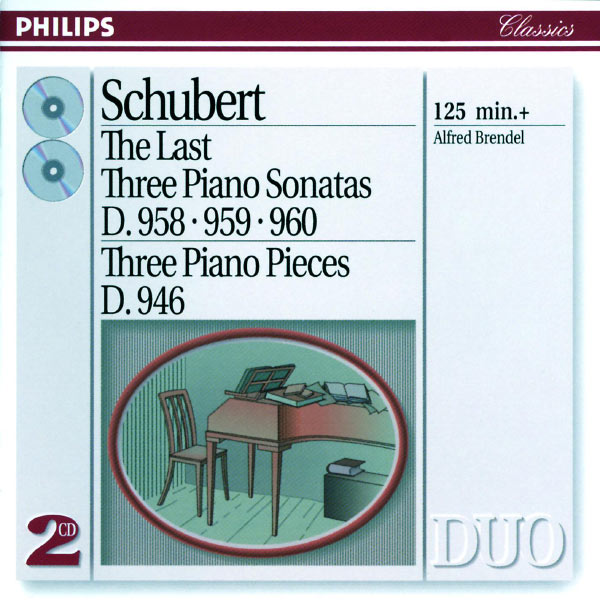
Alfred Brendel

Schubert: The Last Three Piano Sonatas Three Piano Pieces D 958 959 960 946 Alfred Brendel Philips

This was my first ever version, and I can still count it among the best out there. Brendel is an extremely intellectual pianist, and he’s probably one of the key people who put Schubert’s piano music on the world stage. I haven’t included him in my Top 10 pianist list, as I’m not a universal fan of his playing, but for Schubert, he really is among the top references.


Murray Perahia


Perahia actually made it into my Top 10 list. He’s a pianist I admire from Bach to romantic repertoire, he always seems to get it right. Same here, this is really worth checking out.

And, last but absolutely NOT least,


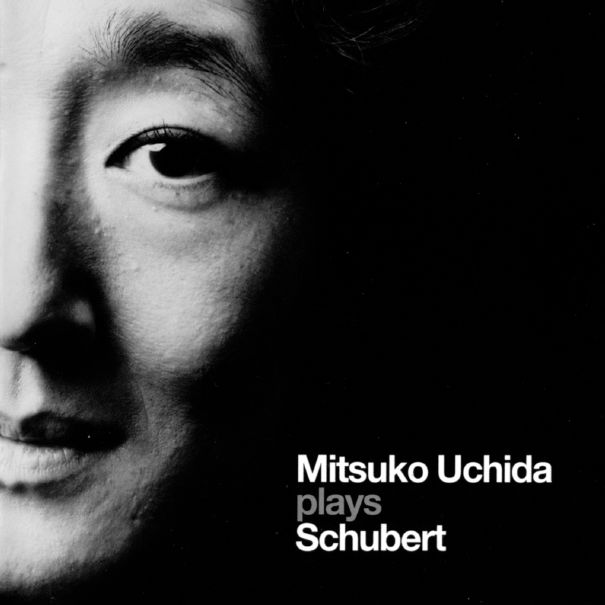
Mitsuko Uchida

Mitsuko Uchida plays Schubert

I’ve already previously mentioned her in my article about Andras Schiff, she absolutely remains among my favorite versions of this work.

She has such a light, delicate and beautiful touch. To me Schubert’s piano music is even closer to Mozart than to Beethoven, even if Schubert was a great admirer of the latter. Uchida is one of the best Mozart players we have, and approaching Schubert in Mozart style really feels right.

My rating for all 3: 5 stars

Two lessons learned here:

  1. Never ask for “THE BEST” version of a certain work. It just doens’t exist, you’ll almost always find several versions that are each outstanding in their own way
  2. I’ll almost certainly not do another of those huge comparisions in the near future, they are just so time consuming. I’ll leave that to the professionals. It was fun though.

As usual, I’d be interested in your opinion, are there other versions out there?

Frances mentioned Goode and Pires, which I both haven’t heard, anything else out there?

You can find the albums here:

Alfred Brendel: here (Qobuz)

Perahia: here (Qobuz)

Mitsuko Uchida: here (Qobuz) and here (Prestoclassical)

Musicophile’s Top 10 Favorite Classical Pianists

Top 10 and Best-Ofs

I don’t do top 10 lists often. I probably should to them more often, as if you’re a blogger you know that they tend to generate higher than average traffic, somehow either Google or more likely the average reader tends to like this kind of lists (and I must admit, I tend to click on other peoples “best of lists” as well), but I usually prefer to write about individual albums instead.

My Personal Top 10 Pianists

That said, the idea for this particular blog post came along while doing some comparative listening for a future blog post on Schubert’s piano sonatas. I noticed I always keep going back to a certain number of pianists, that I love and respect, and that usually always have something to say.

Obviously, this list is highly subjective. This is not supposed to be “Great pianists of the century” or Top 100 pianists of all times, you’ll find plenty of those on the internet already.

So obviously, there will be great names missing, Schnabel, Arrau, Rubinstein, Brendel, Trifonov, etc. etc. etc.

I’ll be listing them in alphabetical order, as there is absolutely no way I’ll try to rank them.

So, here we go:

  • Leif Ove Andsnes

Not very suprisingly, given that I’ve already listed him here for my all time favorite version of Grieg’s piano concerto, and have praised his recent Beethoven cycle with the Chamber orchestra of Europe.

I’ve seen him live playing Beethoven’s concerti 2-4 in a row, without a conductor. An amazing experience.

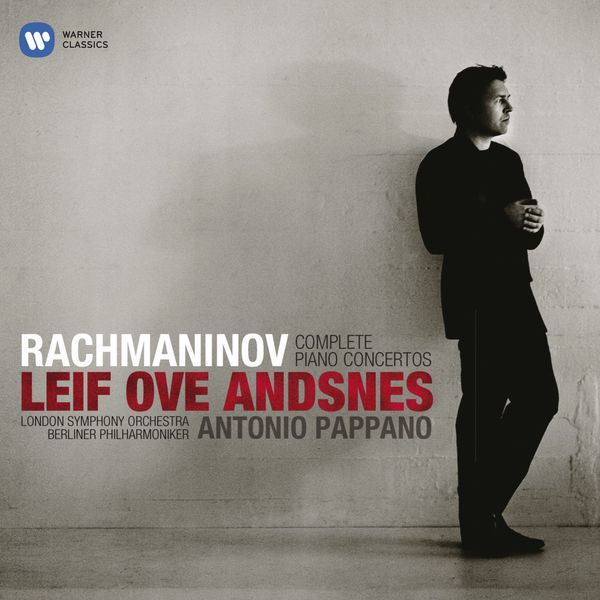
What I haven’t mentioned yet is that Andsnes has also recorded an excellent version of Rachmaninov’s piano concertos with Antonio Pappano, which I have yet to review.

Rachmaninov Complete Piano Concertos Leif Ove Andsnes London Symphony Orchestra Berliner Philharmoniker Antonio Pappano Warner Classics

I guess that covers such a large range of the romantic piano concertos that it is pretty clear why I’m choosing him. Note I could have mentioned many other beautiful recordings, including solo piano or chamber music.


  • Martha Argerich

Well I said I’m not going to rank the pianists, but Martha clearly makes it all the way to the top of the list.

With her, you can really start at the beginning, with her legendary debut album following her winning the 1965 Warsaw Chopin competition. 

Or go to a very recent recording around 50 years later of Argerich playing Mozart’s concertos, as mentioned in My Must Have Mozart Albums.

Or, for the sake of it, pretty much everything she has recorded in between. The only exception are some of the live recordings from her beloved Lugano festival, not all of them are necessarily must haves. But beyond that, you can be sure that her energy to enchant you!

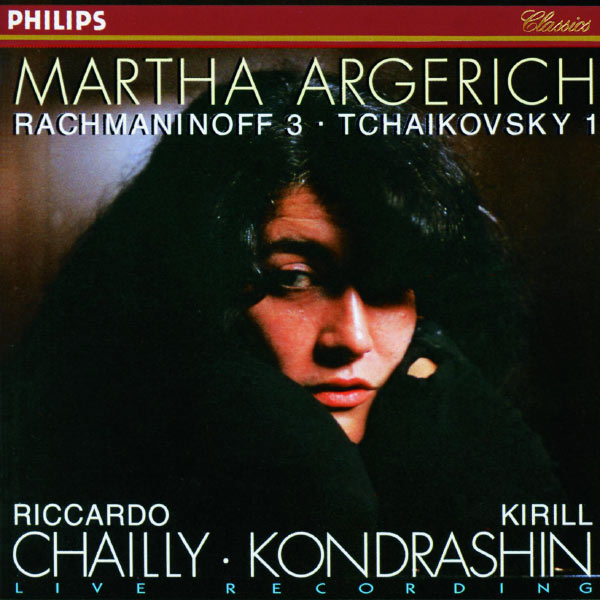
Here is another example:

Martha Argerich Rachmaninov 3 Tchaikovsky 1 Riccardo Chailly Kirill Kondrashin

There are several “complete”, “best of”  and “collection” boxes out there. All are highly recommended.


  • Rafal Blechacz

Together with Benjamin Grosvenor and Igor Levit, among the youngest on this lists.

I had to list him already for his outstanding Chopin Préludes, as reviewed previously.

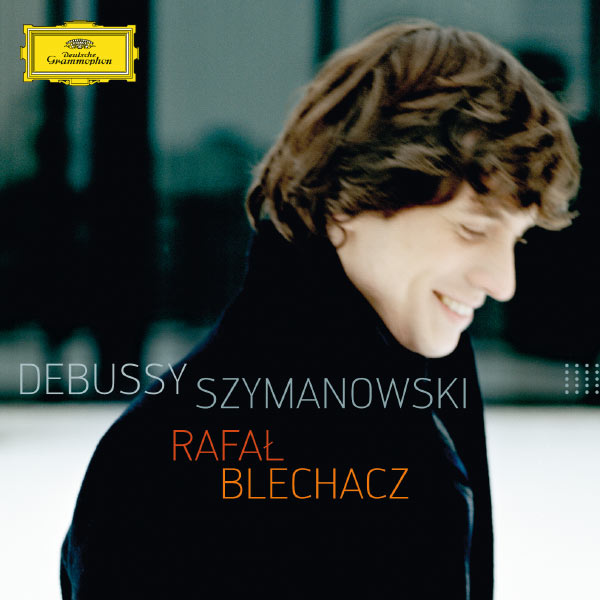
Another recording I can recommend is his Debussy and Szymanowksi album from 2012.

Debussy Szymanowksi Rafal Blechacz Deusche Grammophone 2012

I’ve seen him live play Chopin and Szymanowski, and I was really impressed by this timid young man and the intimacy of his playing. Somebody to watch.


  • Ronald Brautigam

Playing on an “authentic” piano that sounds like the composer would have heard the piece is a relatively recent trend, as techniques in the reconstruction of the fortepiano, and alongside the specific playing skills for these instruments have evolved.

I’ve already mentioned his beautiful version of Mendelssohn’s Lieder Ohne Worte (review of part I here, part II here).

However, what I recommend most often is his outstanding complete Beethoven sonata cycle. Obviously this doesn’t replace the efforts on modern piano from Schnabel to today, but you really owe it to yourself to discover how Beethoven can sound on a piano of that time, exceptionally well played by this amazing artist.

7318599920009_600


  • Emil Gilels

Why Gilels as a representative of the great pianists of the 1950s-70s, and not Rubinstein, or Richter, or Horowitz?

Well, honestly, all of them would have deserved to be listed here. I’m just having a very special attraction to his Brahms concertos, be it with Jochum (reviewed here) or with Fritz Reiner and the CSO.

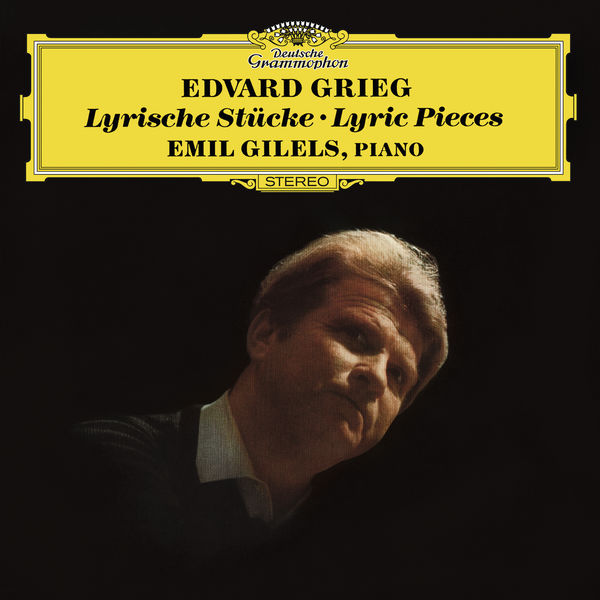
Another album that is his outstanding recording of Grieg’s Lyric Pieces, an all time classic.


Edvard Grieg Lyric Pieces Emil Gilels Deutsche Grammophon 24 96


  • Benjamin Grosvenor

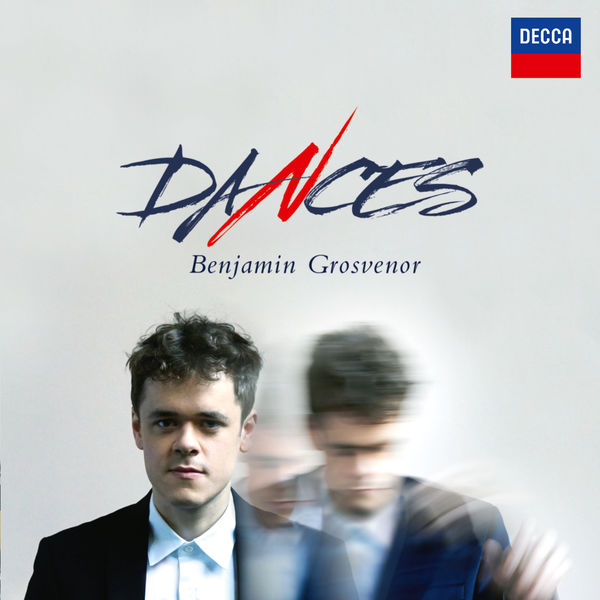
I’ve just recently praised his latest album, Homages (review here), and given 5 stars to his Chopin Liszt Ravel album here. He was also nominated for the Gramophone awards for his album Dances in 2015, which he should have won (IMHO).

Benjamin Grosvenor Dances Decca Classics

He is probably the youngest of my list (note to self, do some fact checking), and among his few recordings, all are just amazing. This is one of the most outstanding talents I’m aware of.


  • Igor Levit

Regular readers of my blog know that I’ve praised this great young artist several times already.

Most lately for his Gramophone Album of the Year: Bach / Beethoven /Rzewski, see here for my review, and here as well, as well as in my article about the top 5 classical albums of 2015.

Back in 2015, his Bach Partitas album was also nominated by Gramophone for an Award in the Instrumental category.

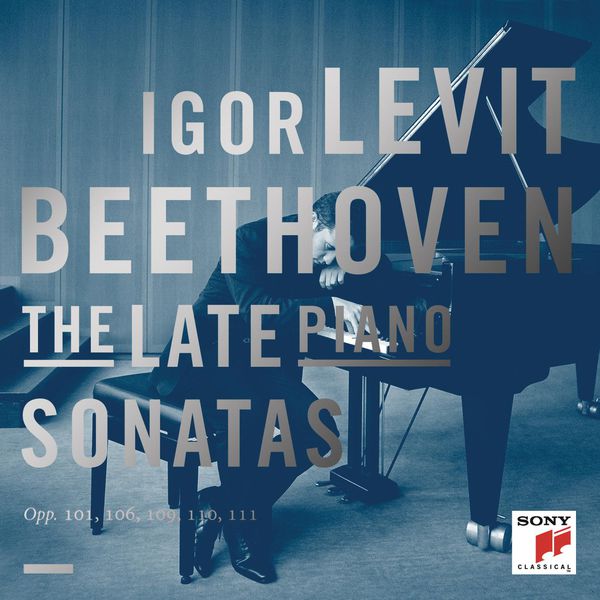
But there is one album I haven’t mentioned yet on my blog, which I also like very much, his debut on Sony.

And no, he didn’t start easy, he tackled immediately Beethoven’s late piano sonatas.

Igor Levit Beethoven The Late Piano Sonatas Sony Classical 24 96 2015

And how! This is not only technically impressive (the Hammerklavier always is) but such a high level of musicality. Again, watch this artist!


  • Ivan Moravec

Very simply, for the most beautiful Chopin Nocturne recording there is, see my review here. But basically, his other Chopin is also excellent. I actually don’t have any recording from other composers by him. I’ll investigate!

Ivan Moravec Chopin Nocturnes


  • Murray Perahia

No idea why I haven’t written more about Perahia. I’ve mentioned him as one of my favorite Goldberg players, and his Bach in general is excellent (will need to write about his new French suites at some point).

But fundamentally, this is one of the pianists that really adds new insights to whatever he touches. Never flashy, never show-off, but always nuanced.

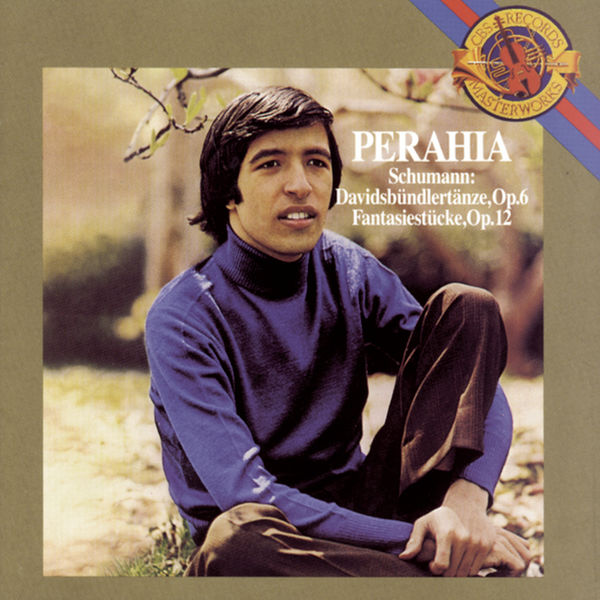
As an example, let me take his Schumann, which is among the best recordings I know of these little gems:

Schumann: Davidsbündlertänze, Fantasiestücke Murray Perahia CBS Sony


  • Krystian Zimerman

Again, an artist I haven’t mentioned enough. A living legend to me, winner of the 1975 Chopin competition in Warsaw (he’s the third from this illustrous list, together with Argerich and Blechacz).

Which album to mention? Usually he records relatively few albums, so you can pretty much trust them to be top notch in general.

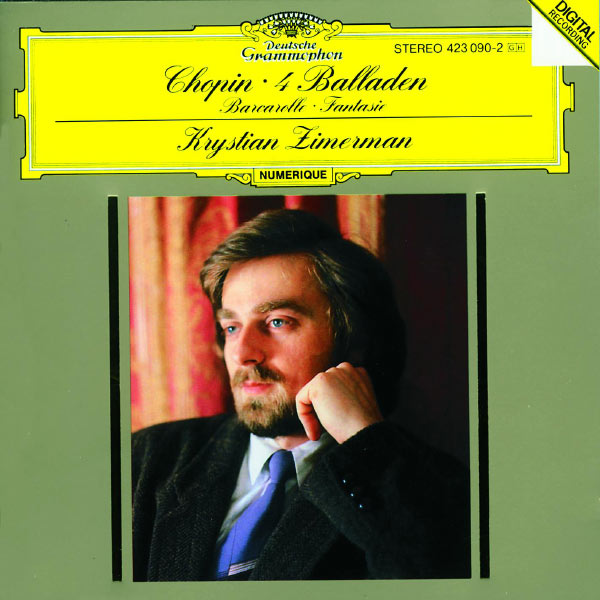
My preferred is probably his Chopin Ballades:

Chopin: 4 Ballades, Barcarolle, Fantasie Krystian Zimerman Deutsche Gramophon

I’ve heard him play live couple of years ago, including the Barcarolle. He maybe the most intellectual pianist I’m aware of, and you can hear the cerebral approach he takes. That said, this isn’t to say that his music isn’t full of emotion.

I could also have mentioned his Chopin piano concerto recordings, be it with the LA Phil or the Polish Festival orchestra, both are among the best there is for these works.


What do You think?

So, here we go. What do you think? Do you agree, disagree? Did I miss anybody (I’m sure I did, with this artificial cut off of 10). Please let me know?

You can find the albums mentioned here in the respective links to previous posts, or below:


My Reflections on the 2016 Gramophone Awards (Part III): Instrumental

You can find Part I (concerto) and part II (Baroque Vocal) of this blog post here and here

Instrumental

Again, one of my absolute favorite categories, and some beautiful gems this year.

Let’s get right into it:

Bach/Beethoven/Rzewski: Variations – Igor Levit (Sony 2015)

Igor Levit Bach Goldberg Variations Beethoven Diabelli Variations Rzewski The People United Will Never Be Defeated Sony 2015

I’ve already reviewed this fantastic album, by one of the pianists I admire most these days. What else is there to say but “wow”, or 5 stars?


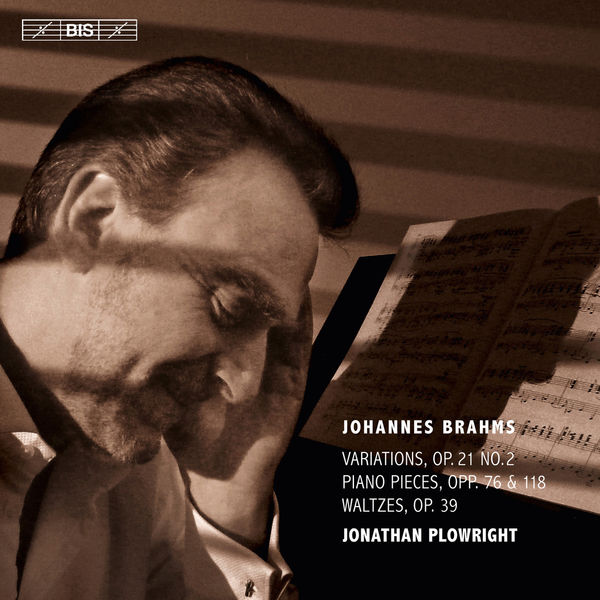
Brahms: The Complete Solo Piano Music vol. 3 – Jonathan Plowright (BIS 2016)

Brahms: The Complete Solo Piano Music, vol. 3 - Jonathan Plowright (BIS 2016)

I cannot really comment on this album very much, as BIS has a restriction on streaming albums for the first 6 months I believe, so I wasn’t able to hear more than 30 secs of each track, which really isn’t enough to review.

I must admit, that past releases from Plowright’s Brahms recordings (e.g. Sonata No. 3) were ok, but not so great that I was particularly motivated in purchasing this album blindly.

Plus, I’m not sure if Op. 21 no.2 and the Waltzes are essential Brahms (I love op. 76 and 118 though). Will check back when it frees up for streaming.


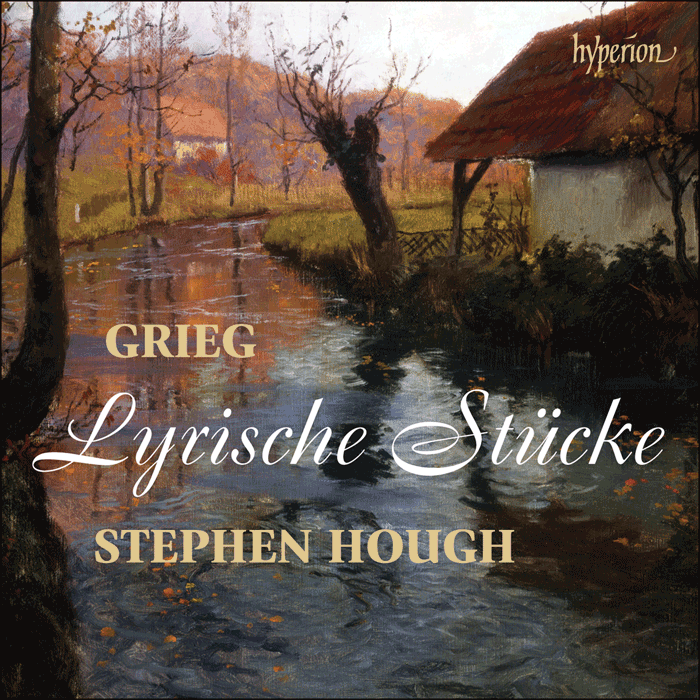
Grieg: Lyric Pieces – Stephen Hough

Grieg Lyric Pieces Stephen Hough Hyperion 2016

Hyperion is another one of the labels that refuses streaming, but unlike BIS not only for the first 6 months, but permanently. On the one hand, I get the point that artists make peanuts on streaming, so it is not something some labels want to endorse.

I must admit that even though I have a subscription to a lossless streaming services that let’s me listen to any album in full CD quality, when there’s something I really like I usually purchase the album anyhow. And in the few years I had access  to streaming, I got so used to being able to listen to an album fully before buying, that Hyperion is actually losing money with their policy on me. But I guess I’m rather the exception.

Long story short: again, only 30 secs samples available to me. Not enough to judge. First impression is quite positive though. I really like Grieg’s little gems so I may end up buying this anyhow.


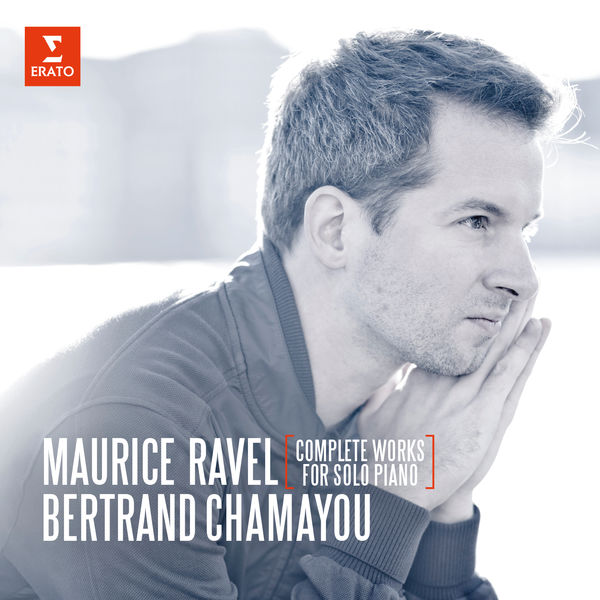
Ravel: Complete Works For Solo Piano – Bertrand Chamayou

Ravel: Complete Works For Solo Piano - Bertrand Chamayou Erato 2016

This album was my surprise of the year.

As mentioned previously, the so-called French impressionists (Ravel and Debussy) are usually only partially my cup of tea. So I wasn’t particularly excited when this came out, by a young French pianist I’d never heard about.

But then this album received a Gramophone Editor’s Choice AND a Choc from Classica. This really is rarer than you’d think, as my two favorite classical magazines rarely agree (Classica was only lukewarm on the Brahms Plowright above, for example).

So I went and checked it out, and Erato nicely enough IS available for streaming.

And what can I say: I don’t see how you could play these works any more beautifully than what Chamayou does here. Just magic. Go and loose yourself in the magic of the opening Jeux d’eau, take the amazing Gaspard de la Nuit, or even simple stuff like the Haydn inspired Menuet, all is just perfect. Nothing is ever Kitsch or Too Much, this is painted with a very light brush, his style doesn’t remind me of the Impressionism of a Monet, but more of the Pointilism of a Seurat, if you get the analogy.


My rating: 5 stars

Eugène Ysaÿe: Sonatas for Solo Violon – Alina Ibragimowa (Hyperion 2016)

Ysaye: Sonatas for solo violin - Alina Ibragimova Hyperion 2016

Let’s make this one quick: I really like Ibragimova, don’t know a lot about Ysaÿe (beyond that he was a Belgian superstar). Thanks to Hyperion’s no streaming policy, this is not likely to change any time soon. I’ve read a lot of positive reviews about this elsewhere, so don’t let my ignorance scare you off.


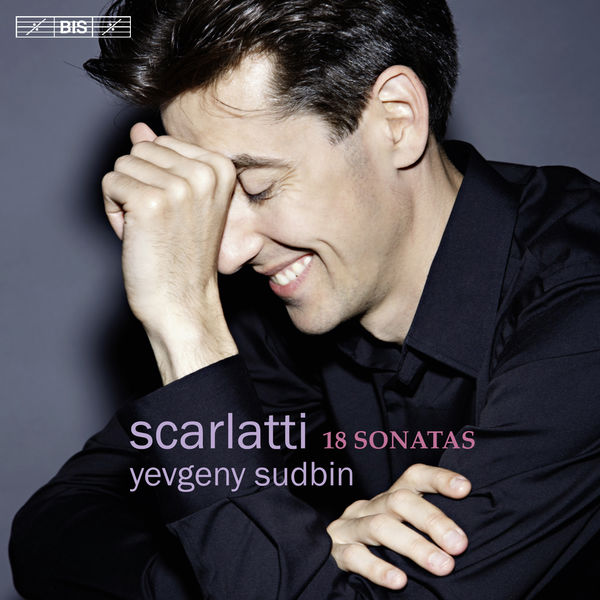
Scarlatti (D): 18 Sonatas – Yevgeny Sudbin (BIS 2016)

Scarlatti: 18 Sonatas - Yevgeny Sudbin BIS 2016

And here we go again, BIS’ no streaming policy will stop me for another couple of months or so to listen to this album.

What I can say is that I’m a big fan of Sudbin, but my expertise on Scarlatti is rather light anyhow, so I wouldn’t take my judgment very seriously even if I had listened to the album.

Be warned, this album also received some “meh” reviews, it’s apparently not everybody’s cup of tea.


Conclusion?

You may complain, only two albums I properly bothered to comment about? Well, as a policy I rather shut up where I don’t know what I’m talking about or am unable to properly review.

But in any case, both the Levit and the Chamayou are such exceptional albums, that we’re already very well served here.

So, who will win? 2 days ago Gramophone announced the 3 finalists, namely Levit, Chamayou, and Sudbin.

My prediction: Chamayou will win the category, and I hope Levit will win the “Artist of the Year”, a public poll (I already voted for Mr. Levit, but votes are closed since end of July now).

As always, I’d love to hear your feedback!


You can find the albums here:

Levit: http://www.qobuz.com/fr-fr/album/bach-beethoven-rzewski-igor-levit/0886444998161

Brahms Plowright: http://www.eclassical.com/labels/bis/brahms-the-complete-solo-piano-music-iii.html

Grieg Hough: http://www.hyperion-records.co.uk/dc.asp?dc=D_CDA68070

Ravel Chamayou: http://www.qobuz.com/fr-fr/album/ravel-complete-works-for-solo-piano-bertrand-chamayou/0825646026777

Ysaÿe Ibragimova: http://www.hyperion-records.co.uk/dc.asp?dc=D_CDA67993

Scarlatti Sudbin: http://www.eclassical.com/labels/bis/scarlatti-18-sonatas.html


Argerich vs. Angelich – Liszt’s B-Minor Sonata

Gramophone

The new July issue of Gramophone appeared rather early on my iPad (I’m not into paper subscriptions any more).

As usual, impatient that I am, I jump immediately to the Editor’s Choices, starting with the Recording of the Month. This time, Nicolas Angelich recent Dedication Liszt/Schumann/Chopin album. Cool, I think to myself, another great recording to check out of Liszt’s b-minor sonata.

Liszt’s b-minor sonata

I’m not a huge fan of Liszt in general (too much, especially his orchestral works). But there are certain works I really like, including most of all his great b-minor sonata.

My favorite version by the way is Michael Pletnev’s recording on DG by the way (maybe to be reviewed at some point in the future).

In any case, I must admit, I didn’t really even get to listen to the entire Angelich album, I stopped about 5 minutes into the b-minor sonata. I was really stunned. Liszt was supposed to be the greatest virtuoso of his time, and this version, well, let’s just say, it didn’t touch me at all.

To be fair, my taste may not be universal, as I really liked Katia Buniatishvili’s recording on Sony, which was anything if not controversial, to say the least (some just hated it, stating is was too much…).

But again, this post won’t be about Angelich (which I have yet to properly listen to beyond my 5 minute trial) nor about Pletnev or Buniatishvili, but about one of the greatest pianists  of all times:

Martha Argerich

Yes, the fiery Argentine pianist. She has a very particular sound and style (in a blind test on Swiss radio, two experts blindly identified her vs another artist on 5 out of 5 different pieces, and even I got 3 out of 5), and once you’ve heard her, you’ll never forget her.

So I recently found myself buying her legendary debut album, remastered and released as a 24/96 download (I had bought in on CD ages ago, but hadn’t listened to it regularly enough).

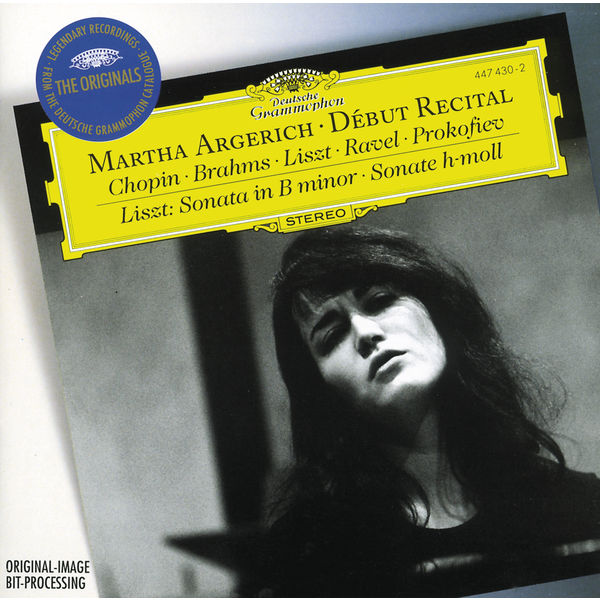
Martha Argerich: Debut Recital (DG)

Martha Argerich Debut Recital Deutsche Gramophon 24 96

Wow.

Somehow, the Chopin competition really means something. Look at the winners, Pollini, Blechacz (see here), Yundi, and Argerich! (well, this year seems to be a bit of an outlier, see my comment here). Basically she was a pure genius from day one.

Her Chopin barcarolle, so beautiful. And the Scherzo no. 3, my favorite! Her Brahms is ok, not outstanding, but when we get to Liszt, all hell breaks loose! Already the Hungarian Rhapsody is full of fire and energy, her trademark, but go to b-minor, and check out every savory moment, from the quiet introvert moments to the amazing prestissimo (track 17).

If this leaves you bored, you’re probably deaf.

And now go back to your streaming provider of choice and check out the Angelich against it, and I guess you’ll understand what I mean.

My rating: 5 stars plus!

You can find it here (Qobuz) and here (Prostudiomasters)

Note that getting the 24/96 remaster is not necessarily a must, unfortunately the original recording was already rather poor, and even the remaster still sounds rather like a shoe box.


UPDATE June 11: Another word about the Angelich recording that I browsed over a little bit superficially above.

The Angelich album not only got high praises from Gramophone as mentioned above, but also a Choc from Classica magazine, and this recording of the b-minor sonata was just selected in their June 2017 issue as best version in a blind test comparing 10 recordings out of the ones released in the last 20 years.

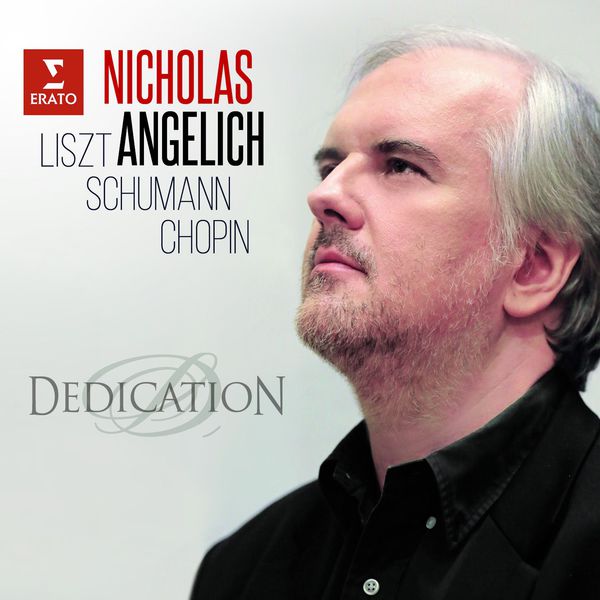
Nicholas Angelich Liszt Schumann Chopin Dedication Erato 2017

Triggered by this I listened again to Angelich. Well, to be fair, it is a good recording. However, I still prefer much more the more extreme versions like Argerich, Bunatishvili, etc. For me, this extreme work requires extreme playing. I find the Angelich a bit too “middle of the road”. But given that several reviewers I really respect disagree with me, you have to check it out.

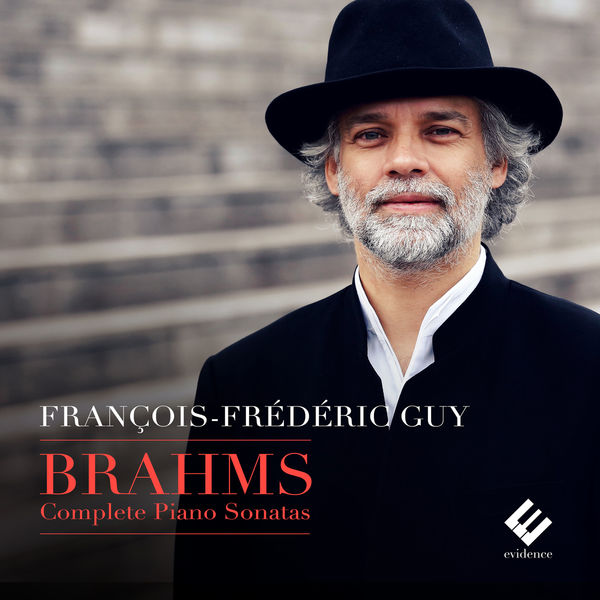
Brahms Complete Piano Sonatas by François-Frédéric Guy – A Review

Brahms’ Piano Sonatas

I’m a fan of Johannes Brahms (see my blog’s subtitle). I’m a fan of his piano works, especially op. 116-119 (which are among his latest works).

However, until recently, his three piano sonatas never really touched me. I just didn’t get them. We’re talking about his op. 1, 2, and 5, so pretty much his first “official” compositions.

No. 3, op. 5, is the most well-known of the works. It is this piece that Robert Schumann heard when the shy 20-year old young man Brahms was at the time was introduced to the famous composer, which lead Schumann to write his famous article about Brahms being” one of those who comes as if straight from God”, and “He has a great future before him, for he will first find the true field for his genius when he begins to write for the orchestra”. 

Well, with hindsight, Schumann was obviously more than right, but it’s amazing he was able to cast such a judgment based on these works. So I always knew there must have been something in these works that I was missing.

My first version ever of op. 5 was by Radu Lupu (not a bad choice actually), and I very quickly also got the famous complete Brahms piano works box from Julius Katchen.

So I didn’t have a bad starting point, but as said before, I never really was drawn into his early sonatas.

But obviously, I try to check out as many new Brahms piano releases as I can. Recently, Geoffroy Couteau released a box of complete Brahms piano works, which got great reviews by the French press. I’m still making my way through that box, but so far I don’t share the enthusiasm of Classica and Diapason. Anyway, more about this later.

Brahms: Complete Piano Sonatas – François Frédéric Guy (Evidence Classics 2016)

Brahms Complete Piano Sonatas François-Frédéric Guy Evidence 2016 24 48

In any case,  I didn’t expect much when I checked out another French pianist, François-Frédéric Guy’s recent recording of the complete piano sonatas.

And I was very positively surprised! Guy actually specialized in German composers, especially Beethoven and Brahms.

So what makes this recording special? Basically, one thing, passion. I can really hear the 20 year old genius playing at the Schumann’s home in Düsseldorf in this album.

This album doesn’t necessarily sound like “typical” Brahms to me (if there were such a thing). Some softer elements remind me of Chopin, some more energetic moments even sound a bit like Rachmaninov (who obviously wasn’t even born yet when these pieces were composed).


There is a really nice example on Youtube:


This album is absolutely worth checking out.

My rating: 4 stars

You can find it here (Qobuz) or here (Highresaudio)

Classical Life

A classical music blog by music critic Tim Mangan

This Week's Music

Making Classical Accessible

From my Macbook to the Net

Evaporation of my thoughts and observations

Elestra

Author: Artienne

My Life in Music

Playing, Singing and Listening

ArsX3

A brand new journal reviewing books, cinema, music

LawrenceEz's Blog

Creative and Performing Arts: Writing, Classical Music, Photography

Laetitia Strauch-Bonart

Contemporary Politics & Culture

sibling revelry

reveling in all things classical

It's A Raggy Waltz

I collect jazz on vinyl, I dig the Dave Brubeck Quartet, & I write about it

La Musica

By two cousins

thejazzbreakfast

Dishing it out from the heart of England

only jazz

random thoughts about music that matters to me

The Culture Project

Exploring the world of literature, wine, art, music and more.

René Spencer Saller

The music causes me to dream of fabulous empires, filled with fabulous sins.

Breaking Baroque

Blog of Tafelmusik Baroque Orchestra and Chamber Choir

Tasting Nirvana

Eating your Dosha

The Immortal Jukebox

A Blog about Music and Popular Culture

April Greene

Writer + Editor

a pianist's musings

A history of your favorite classical music.

Classical music for all

Boris Giltburg's blog

I HEAR VOICES

An orchestra seat in the web space