The 2015 Chopin Competition – I Don’t Get It

Subjectivity

As you know if you’ve read this blog, before, I have absolutely no problem with subjectivity (see also how do I rate?) even if it may be controversial, and so I don’t hesitate putting my opinion out there, even if I may be a minority (e.g. with Staier’s Bach concertos that the whole world but me seems to love).

The 2015 Chopin Competition

However, things were slightly different with the 2015 Chopin competition. I mean we’re talking about one of the most important, if not the most important piano competition in the world, only held every 5 years! Former winners include legends like Martha Argerich and Maurizio Pollini, and in more recent years Yundi and Rafal Blechacz. Martha, Yundi, and Chopin specialist Nelson Goerner were part of the Jury this year!

So I felt rather belittled compared to those giants, and when the recording of the winner, South-Jorea’s Seong-Jin Cho came out on Deutsche Grammophon, and I didn’t really like the recording, I felt it must be me. Maybe these geniuses saw or heard something I don’t.

So I didn’t write about it yet on my blog and decided to give the album some more spins before I formally make up my mind. And then I must admit I forgot about it.

Seong-Jin Cho At the 2015 Warsaw Chopin Competition (Deutsche Grammophon 2015)

Song-Jin Cho Winner of the 17th International Fryderyk Chopin Piano Competition Warsaw 2015

Just recently, the two classical journals I subscribe to, Gramophone and Classica, came out with their latest issue, and both reviewed it. And guess what, in both cases, the reviewers were significantly underwhelmed (3 out of 5 stars for Classica, and rather negative comments from Gramophone).

So at least it wasn’t just me. Don’t get me wrong, this is fine Chopin playing, but compare his preludes to Blechacz, and sorry but we’re talking night and day in my personal opinion. And then you get Sonata No. 2. Compare this to Argerich herself, or Pogorelich, or Rubinstein, again, this is absolutely no match.

Not sure what happened, maybe Deutsche Grammophon just released the wrong takes, maybe Cho will develop over time, but so far I really don’t get it.

But even if you take the pressure of a competition and live performance into account, just compare Cho to Blechacz’ final performance in Warsaw 11 years ago, and really, there is so much more presence:


Obviously, you can’t have a new Argerich every year, but still my expectations were higher.

So what do YOU think?

My rating: 3 stars

In any case, you can find it here (Qobuz) and here (Prestoclassical)
 

My Must-have Mozart Albums

This post was directly triggered by a question I got to my last post on Mozart’s Violin Sonatas:

To quote jpas1954:

If someone, like me, wanted to listen to Mozart but didn’t know where to start, what would you recommend?

I figured instead of hiding it in the blog comments, I may as well make a post out of it.

So here we go.

The first 3 I already immediately answered from the top of my head, now a post with some additional recommendations,based on some more thinking about it.

The Clarinet Concerto

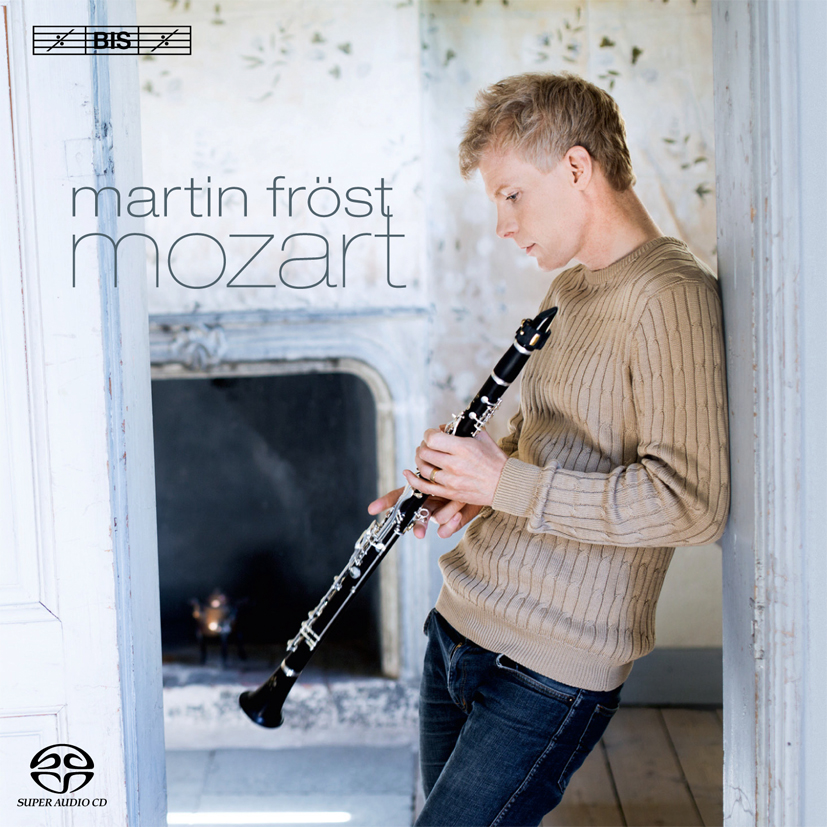
Take the second movement of the clarinet concerto, and you’re in heaven. The brillian Clarinetist Martin Fröst has recorded this twice, I prefer his second recording with the Deutsche Kammerphilharmonie. On top of the clarient concerto, you also get the beautiful Kegelstatt Trio, and a less well known Allegro, with brilliant guests such as Leif-Ove Ansdnes or Janine Jansen.

Mozart Clarinet Concerto Kegelstatt Trio Martin Fröst Deutsche Kammerphilhamonie Bremen BIS

The Late Symphonies

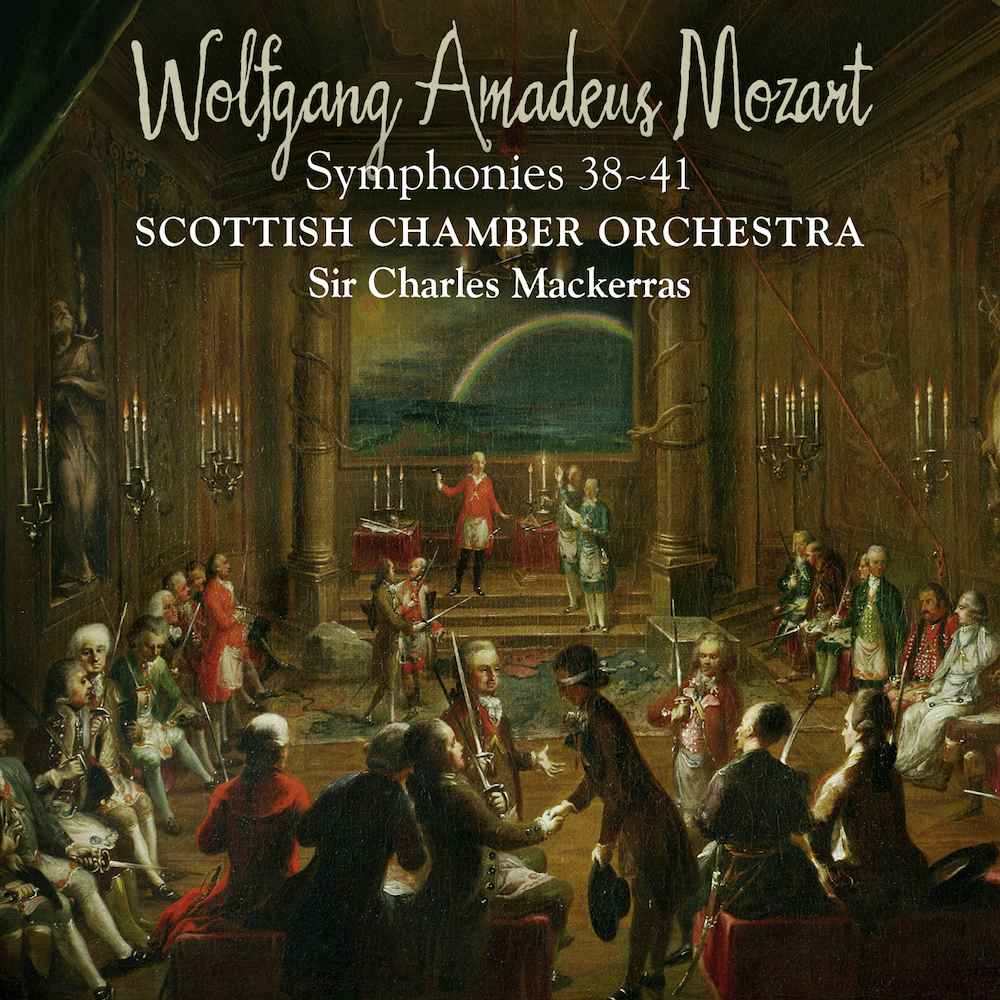
For a newbie, I’d focus on the late symphonies 38-41, with the famous no. 40 a-minor and no. 41 “Jupiter”. My favorite version is by Charles Mackerras. He also has recorded the symphonies twice, once in Prague, once with the Scottish Chamber Orchestra. I prefer the latter, but the former is a good one if you want to get all 41 symphonies rather cheaply (and still very well played).

Mozart Symphonies 38-41 Charles Mackerras Scottish Chamber Orchestra Linn 24 88

Piano Concerto no. 20 & 25

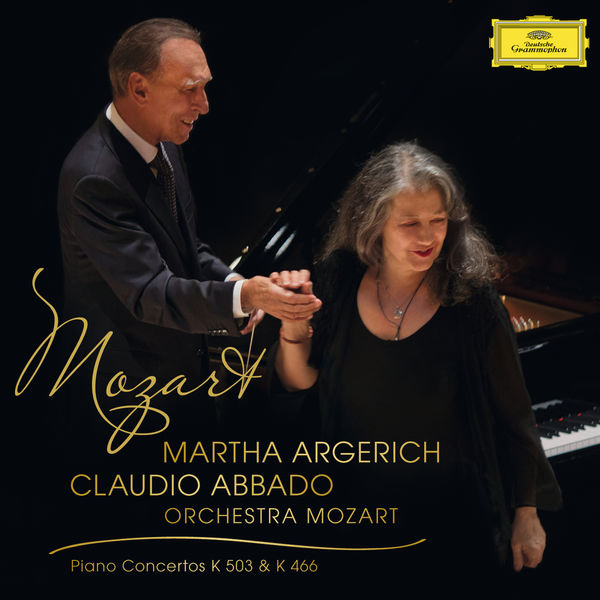
So many good recordings out there. But as I just admire Martha Argerich very much, I had to put this one out there. Is it the best? Probably not, but it is very special, and one of the last recordings of Maestro Abbado.

Mozart Piano Concerto 25 & 20 Martha Argerich Claudio Abbado Orchestra Mozart

Good alternatives on fortepiano include Bezuidenhout and Brautigam, and on modern piano the Perahia recordings are also outstanding.

The Violin Concertos

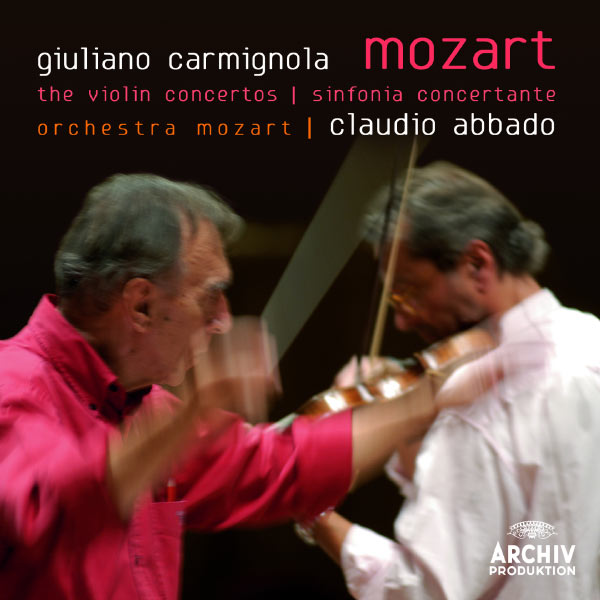
Again Abbado with his own Orchestra Mozart,  and this time the brilliant Giuliano Carmignola (see my review of his outstanding Four Seasons here), have recorded one of the best versions of the violin concertos and Sinfonia Concertante out there.

Mozart Violin Concertos Giuliano Carmignola Claudio Abbado Orchestra Mozart DG Archiv

Another very good version is Richard Tognetti with the Australian Chamber Orchestra.

Solo Piano Works

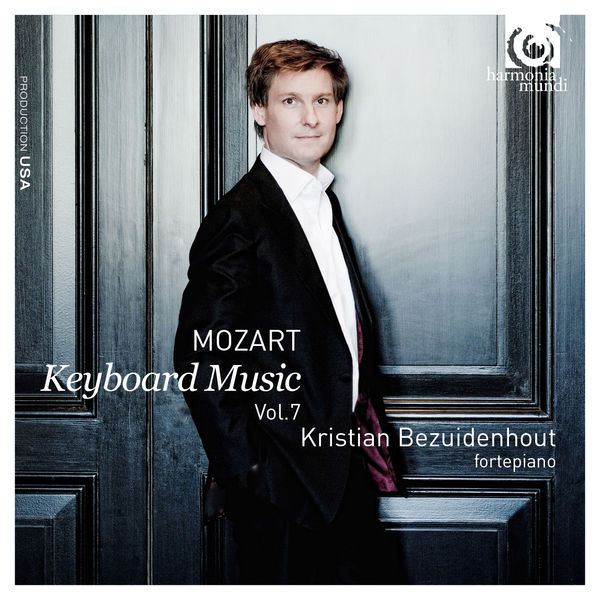
Kristian Bezuidenhout is one of the best Mozart players of these days. His latest release of the complete piano works, vol. 7, is particularly well-played.

Mozart Keyboard Music vol. 7 Kristian Bezuidenhout Harmonia Mundi

For modern piano, try Uchida or Brendel.

The Requiem

Sadly, never finished, so you only get versions that were completed by others, like Mozart’s pupil Süssmayr.

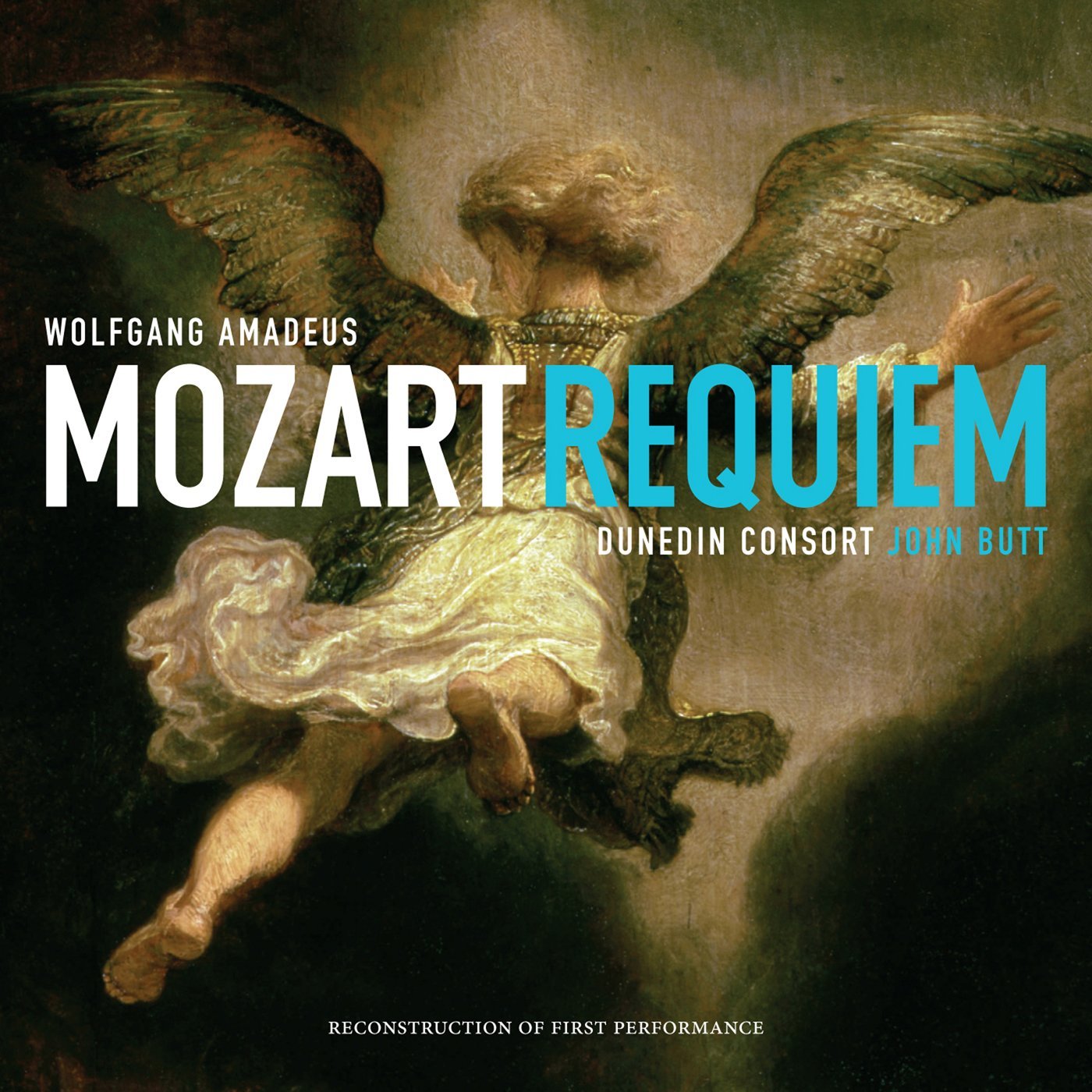
Again, so many great versions out there; this recent release by the Dunedin Consort is excellent both on the playing and on the recording quality.

Mozart Requiem Dunedin Consort John Butt Linn Records

Alternatives include Gardiner, Harnoncourt, and many others.

The Violin Sonatas

See my previous post on Rachel Podger.

Mozart Complete Violin Sonatas vol. 2 Rachel Podger Gary Cooper Channel Classics

And finally, the Operas: Idomeneo

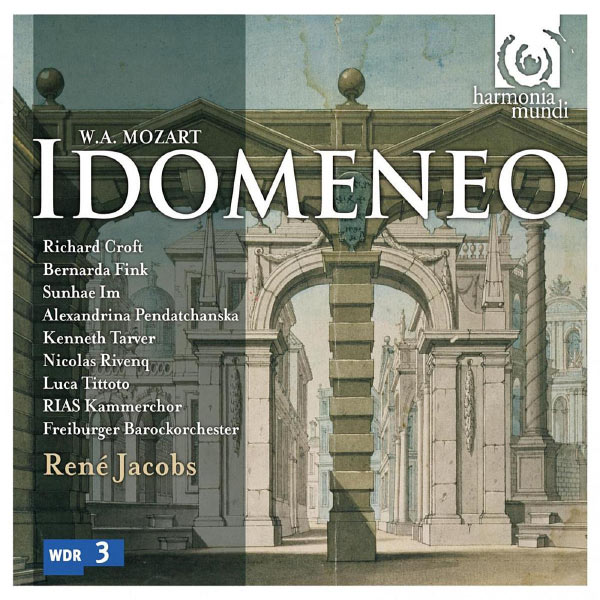
i’ll certainly write more about my favorite operas Don Giovanni, Le Nozze di Figaro, and Cosi Fan Tutte (see my review of Nézet-Séguins version here) in the future, all are absolute must-haves. Let me promote here the Opera that was Mozart’s own favorite apparently (at least some booklet told me at some point): Idomeneo

René Jacobs Mozart is always worth discovering, not always very orthodox, but certainly exciting.

This one is really very good, and is among the top Idomeneos out there.

Mozart Idomeneo René Jacobs Freiburger Barockorchester Harmonia Mundi

This is certainly only an early starting point.

I still need to write about the string quartets, the Great Mass in c-minor, the piano quartets, the horn concertos, etc. etc. etc.

But you need to start somewhere, and for a newbie, you probably have an excellent starting point here.

Please add and suggest other alternatives in the comments!

You can find the recordings here:

Clarinet Concerto: here

Symphonies: here

Piano concerto: here

Violin Concertos: here

Solo piano: here

Mozart Requiem: here

Idomeneo: here

My Favorite Versions of Chopin’s Nocturnes

Another post on Chopin? Why not, given that the Chopin competition in Warsaw is going on right now, and I’ve mentioned in my previous post on the Préludes how important this competition is.

The Nocturnes

Furthermore, I’ve just had an interesting discussion on the Nocturnes on a forum, which triggered me to listen to several of my Nocturnes again.

The Nocturnes actually are not one single opus, they are individual or coupled words Chopin wrote over nearly 20 years. They share however a common character,  not surprisingly, nocturnal.

Chopin is the name everybody associates with this “genre” these days, but actually other composers (e.g. the Irishman John Fields) have used this title previously.

They are less focused on virtuosity and glamour, but are much more intimate. So you don’t need all the pianistic firepower to shine here, you need delicacy and insight.

Moravec

The are many good recordings out there. Rubinstein has recorded them at least 3 times (my preferred version dates from the 1930s), the Chopin legend Samson François has done a version, Claudio Arrau, Nelson Freire, and many others are worth considering.

However, my personal favorites are Ivan Moravec and Maria  Joao Pires.

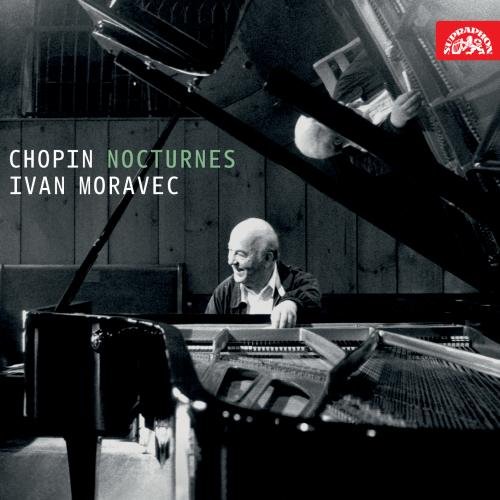
Ivan Moravec Chopin Nocturnes

Moravec’s Nocturnes are legendary, are rightfully so. I’ve never heard the Nocturnes played with more intensity and emotion. The recording is from the 1960s with only average sound quality but you’ll quickly for get that listening to this album. Just outstanding.

Chopin The Nocturnes Maria Joao Peres Deutsche Grammophon

I haven’t been very friendly to Pires in my recent review of her album with Gardiner, but there  is absolutely no fault to be found with this recording. Less intense then Moravec, but even more intimate. You feel like you’re sitting at home late at night in front of your fireplace, having a nice glass of wine in your hand, and she’s in the room playing just for you. This is the image that ever always comes up when I listen to her version.

I wouldn’t want to miss either one of these two outstanding recordings.
My rating for both albums: 5 stars

You can find the remastered Moravec here (Prestoclassical).

Rafal Blechacz’ Magnificent Chopin Préludes

The Chopin Piano Competition

It feels like these days there are so many competitions out there for young musicians. One one hand, that is a good thing, increasing their exposure, on the other hand it is hard for the outside to judge the quality of the different competitions.

Well, there is one competition that clearly has proven its relevance over time, the Chopin Piano competition in Warsaw. First of all it is only held every five years. Furthermore, it’s been around for nearly a century. Several times, the jury was critical enough not go give a first price.

And then, most importantly, are the winners. What is the common ground between Maurizio Pollini, Martha Argerich, Krystian Zimerman, and Yundi Li, beyond the fact that they are all recognized world-class artists today? Well you’ve guessed it.

In 2005, after Krystian Zimerman, another Pole won this competition (you probably know that Chopin, in spite of his French name, was Polish by origin), Rafal Blechacz.

I have added below a link to a Youtube video from Polish television of the recital of the winner. I suggest you ignore the poor image and sound quality and skip the introduction, and go directly to the music. Amazing isn’t it?

(Update Jan 31, 2016: see also my blog post on the winner of the 2015 competition, Song-Jin Cho here)

Rafal Blechacz

I’ve had the pleasure of seeing Blechacz live two years ago, he still looks rather shy and is not your flashy Lang Lang-style virtuoso at first sight. But then he sits down at the piano and you cannot be but amazed but how beautiful he plays.

Chopin’s Préludes

Chopin’s préludes, especially op. 28, are among his most famous works. And in my opinion, they are among the most beautiful pieces for piano ever written. Don’t get me wrong, Beethoven sonatas are amazing, Schubert’s late works are very beautiful, etc. But there is a certain intensity in the Preludes that makes them very special to me.

Obviously, they’ve been recorded many times, both Argerich and Pollini, Blechacz predecessors in Warsaw, have done excellent versions. You also wouldn’t go wrong with Rubinstein (obviously) or Chopin Complete The Preludes Rafal Blechacz Deutsche Grammophon

But my favorite these days is Rafal Blechacz recording on Deutsche Grammophon. Particularly beautiful are no. 13 in F sharp minor, and the Raindrops no. 15 is so delicately played it really reminds you of a light summer drizzle.

My rating: 5 stars

You can find it here (Prestoclassical), both physically and as download.

And as promised above, the Polish TV show on the winning recital at the 2005 Warsaw competition.

Brahms Latest Work: The Clarinet Sonatas by Coppola and Staier

I’ve said it before, I’m a big fan of Andreas Staier. His Diabelli-Variations are outstanding (see review here). Therefore, I was rather disappointed not to like his recent release of the Bach harpsichord concertos (see here). It appears now that most other reviewers don’t share my opinion by the way. I’m still not convinced unfortunately.

But from Bach, let’s move more than a century later.

I haven’t reviewed any Brahms album for a while, which is weird given that he appears in my blog title.

Brahms’ Clarinet Sonatas op. 120

I must admit I wasn’t historically a big fan of these sonatas, I found them not very accessible.

These sonatas, as well as the Clarinet quintet & trio, were triggered by Brahms meeting the famous clarinet player Richard Mühlfeld.  But with Andreas Staier, I had to give them a go, so I went ahead and purchased this 2015 Harmonia Mundi album.

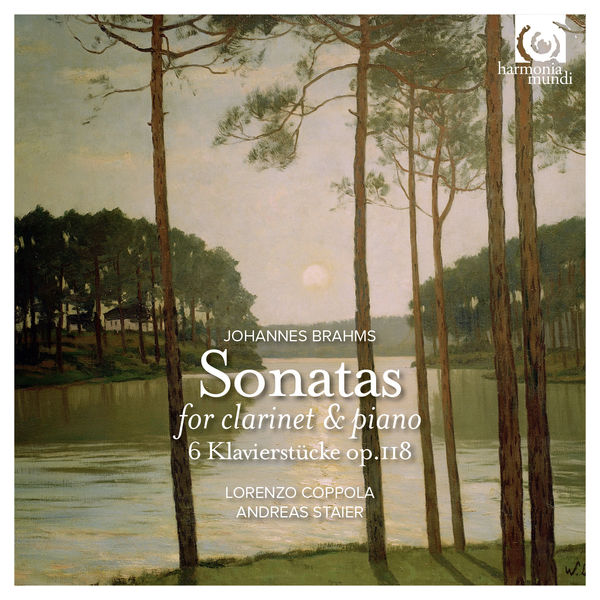
Lorenzo Coppola Andreas Staier Brahms Clarinet Sonatas Harmonia Mundi 2015

Andreas Staier plays a Steinway on this album, which could be considered somewhat unusual given that he is known for playing historical instruments. Well guess what, this Steinway actually is from 1875, apparently the type that Brahms really appreciated.

On clarinet, we get the Italian Lorenzo Coppola, who plays a 2001 reproduction of a historic clarinet which is very similar to the one Mühlfeld played.

So we’re getting really close to what Brahms could have listened to in his final years. And all over sudden, the full beauty of these late works really becomes apparent.

6 Klavierstücke op. 118

However, to me (with my piano background), the true highlight on this album are Staier’s version of the 6 piano pieces op. 118. Let me clarify first of all that I love Brahms late piano pieces from op. 116-119, and op. 118 is a particular favorite of mine.

And here, especially the second Intermezzo (track 6) is played more beautifully than on any of my other recordings (I’ll be writing about some of them soon). Staier uses tons of rubato, but it comes fully naturally. There is so much intensity in this playing that I’ve had them on constant repeats quite regularly recently. Or take the “Romanze”, truly romantic indeed.

As usual on Harmonia Mundi, this is well recorded.

My rating: 4 stars for the clarinet sonatas (rating my preference of the repertoire here, not the playing), 5 stars for the op. 118.

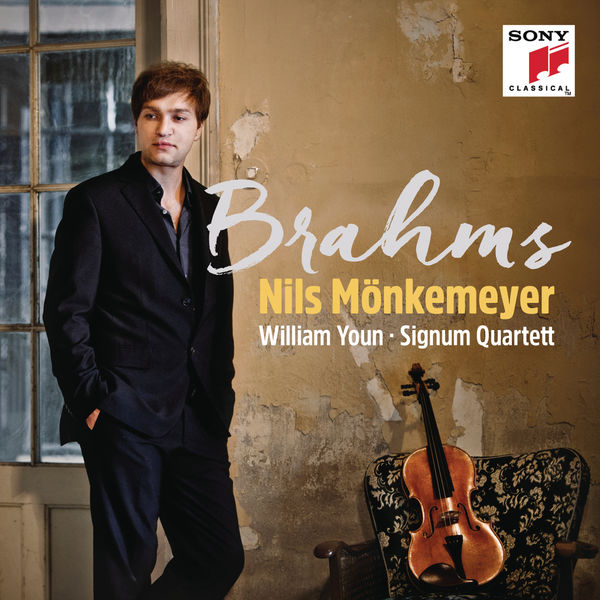
P.S. If you like op. 120, you should know that there is also a version of these sonatas replacing the clarinet by a viola. The well-known viola player Nils Mönkemeyer has just released an album on Sony playing these sonatas.

Nils Mönkemeyer Brahms Sony 2015

This album is really quite beautiful and also worth checking out.

You can download the Coppola/Staier here (Qobuz) or here (eclassical)

My Reflections on the 2015 Gramophone Award Nominees – Part I – Instrumental

Gramophone Award Nominees

The Gramophone awards nominees are now officially declared. This award is probably among the most prestigious award in classical music (beyond the obvious Grammy), so it is always interesting to see who’s in.

As said before, I don’t always agree with Gramophone but their opinions are always worth checking out.

If you have an iPad, you can download the Gramophone magazine app (the primary way I read the magazine these days, no shipment, no paper wasted) and get the Gramophone awards nominee issue for free. It’s worth checking out.

Let me comment on some recordings I know well and also play Oracle of Delphi who will eventually win.

Instrumental

There are four album in here I own or have heard, three of which I’ll be talking about here.

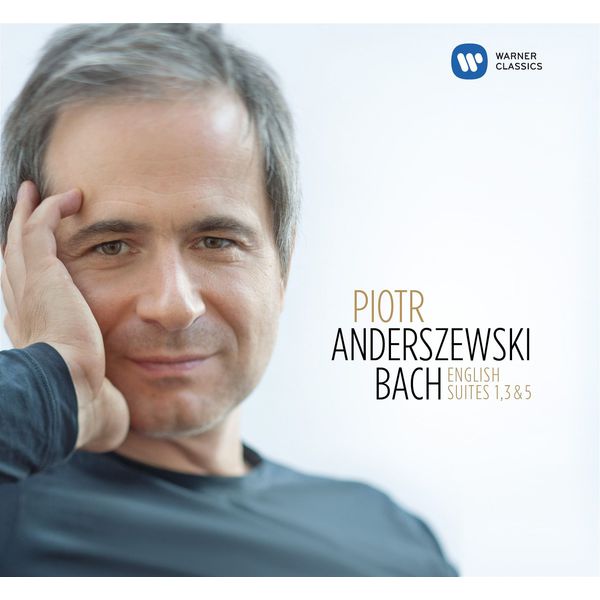
Bach’s English Suites with Piotr Anderszewski

Piotr Anderszewski Bach English Suites 1 3 5 Warner Classics

Well this one is a typical example where I don’t agree with Gramophone.  I can’t really put my finger on it but this album just doesn’t excite me. Maybe it is the tempo, maybe it is the touch, don’t know. Bach on a modern piano is always tricky, you really need to justify these days why you’d use the “wrong” instrument (instead of a harpsichord or similar).

My rating: 3 stars

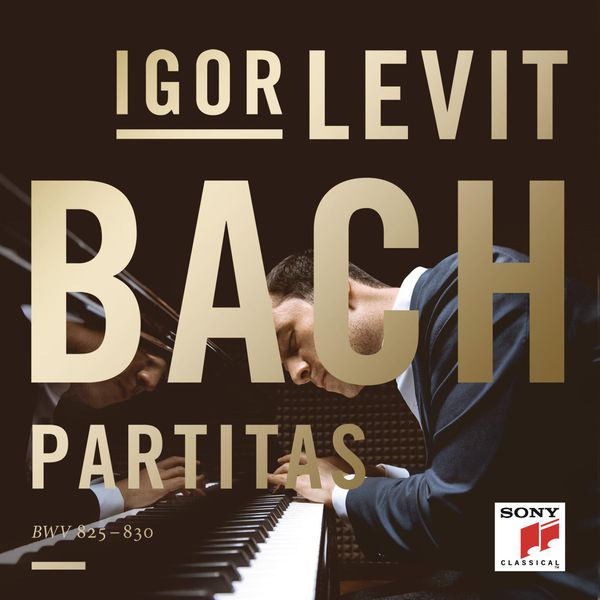
Bach: Partitas – Igor Levit

Igor Levit Bach Partitas Sony Classical

This album, however, is a typical example of getting it just right. I don’t mind one second not hearing a harpsichord. Levit is an extraordinary talent; his previous recording of the late Beethoven sonatas was outstanding as well.

I’ve been listening to this times and times over, it’s been replacing even Perahia as my go-to version. So this album to me is a hot contender to win this category.

My rating: 5 stars

However, if I had to bet, I’d say the following will be the category winner (and not only because let’s say Gramophone sometimes seems to have a certain preference for their countrymen):

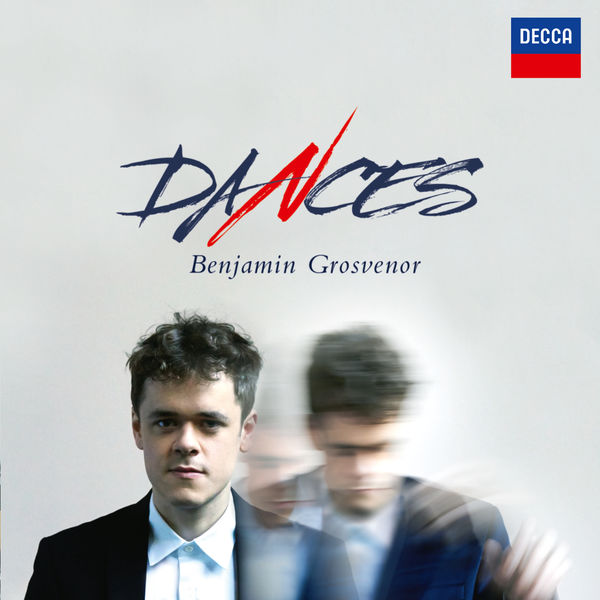
Benjamin Grosvenor – Dances

Benjamin Grosvenor Dances Decca Classics

5 years younger than the still very young Levit (years of birth 1992 and 1987 respectively), Grosvenor could be qualified as a Wunderkind. What a horrible term.

Actually, it really goes beyond this, he is just a truly brilliant artist who just happens to be very young. His previous album Chopin/Liszt/Ravel was truly fantastic, and his new release with “Dances” from Bach via Granados to Scriabin is another example of what he can achieve. With him, even relatively useless (sorry) pieces like Schulz-Evler’s questionable version of An der schönen Blauen Donau become enjoyable. (Ok, he could have skipped the Boogie-Woogie…).

An absolute must have!

My rating: 5 stars

Also nominated are a live recital of Mahan Esfahani (haven’t heard), Sokolov’s Salzburg recital (his Chopin Preludes here really aren’t my cup of tea, 3 stars), and La Fauvette passerinette by Peter Hill (haven’t heard either).

So what are your thoughts and ideas? Who would you have chosen?

Debussy’s Images – Impressionism For Your Ears

20th century music

Let me first of all do a quick detour here: You won’t find a lot of 20th century classical music on my blog. It is very simple, the further we go away from tonality, the less I like it.

So the territory of the impressionism of a Ravel or Debussy are still borderline, some Prokofiev is as well, but I rarely really enjoy Shostakovich, and don’t even get me started on true twelve-tone and other stuff. I just don’t get it.

As I know some smart people who really adore Schönberg, Webern, Boulez et al. I’ve often wondered why I have this barrier. You see, the visual arts took a similar turn from concrete motives to abstract concepts, and I actually like a 1950 Picasso usually significantly more to a Turner, or any 18th century art. I really appreciate Jason Pollock and Sam Francis (especially the latter). So here I am much more open-minded (OK, when it gets to Duchamp’s Fountain or most of Joseph Boys, I’m out, but at least I get (or believe so) intellectually what they are trying to get at).

But atonal music (and sorry, while some will say there is no atonal music, I think most readers here will get the concept). is something I just don’t get. Probably my brain is to small or too hard-wired in the well-tempered scale to go there.

Claude Debussy’s Images

Back to the early 20th century, and more specifically Debussy. Why write about this right now? Well, I think I’ve mentioned before the excellent Swiss radio show “Diskothek Im 2“, that gets two experts in the studio and compares 5 different version of a given classical work, and this fully blindly.

A very interesting exercise which I should do even more often at home (you’ll be surprised how much your most beloved conducted can disappoint when you don’t know it’s him, or vice versa).

So, a recent show compared 5 recordings of Debussy’s Image. These 6 little poems, with beautiful names like Reflets dans l’eau (reflections on the water), or Poissons d’or (goldfish) are probably among the best known examples of what we call today impressionism, similar to the earlier period in the visual arts (Debussy apparently didn’t like the term by the way).

The editor chose 5 contemporary recordings, and so the classical reference version of these, by the amazing Arturo Benedetti Michelangeli on DG in 1971 was out. By the way, I’m just re-listening to this version right now and it is outstanding, so don’t hesitate to get it in spite of its age.

The versions reviewed included Jean-Yves Thibaudet, Pierre-Laurent Aimard, Alain Planès on a 1902 Blüthner piano (very interesting to discover by the way), Marc-André Hamelin, and the “winner” of this little contest, Jean-Efflam Bavouzet

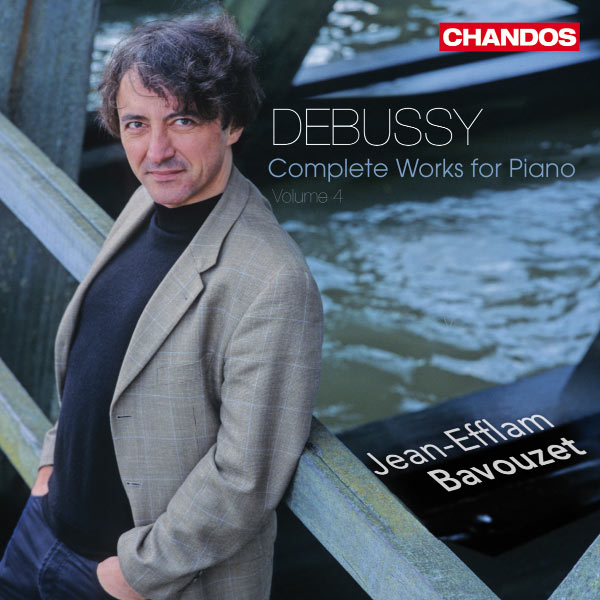
Complete Debussy vol. 4 – Jean-Efflam Bavouzet

Jean-Efflam Bavouzet Debussy vol. 4 Images Chandos

And here I must admit, while I had heard his name before, I didn’t have a single Bavouzet recording in my collection. Something to be corrected ASAP, as while I don’t always agree with the invited experts, in this case, recording number 4 clearly stood out (in spite of no recording of the 5 being a negative outlier, all had their qualities). I suppose it’s the mixture between extreme precision and the ability to just get sucked into the music.

Have you ever sat in the small west-end Musée Marmottan in Paris? It doesn’t draw the gazillions of visitors that the Musée d’Orsay gets, but it actually has an exceptional Monet collection. There are two main reasons to got there. A, there is an entire corner where you sit surrounded by Monet’s water lilies. Believe me, they are better than the original in Giverny. And there is one, rather little painting, depicting a rising sun over foggy harbor waters, with some small boats passing by, called Impression, Soleil Levant. And yes, this is what gave Impressionism its name.

Sorry for the detour, but watching this particular painting, and listening to Et la lune descend sur le temple qui fut played by Bavouzet gives about the same feeling, that is somewhere out of this world.

This is actually album number 4 of Bavouzet recording Debussy’s complete works, I assume all other volumes are equally worth having, but I didn’t yet have time to check them out.

My rating: 5 stars

You can get it here directly from the label.

Classical Life

A classical music blog by music critic Tim Mangan

This Week's Music

Making Classical Accessible

From my Macbook to the Net

Evaporation of my thoughts and observations

Elestra

Author: Artienne

My Life in Music

Playing, Singing and Listening

ArsX3

A brand new journal reviewing books, cinema, music

LawrenceEz's Blog

Creative and Performing Arts: Writing, Classical Music, Photography

Laetitia Strauch-Bonart

Contemporary Politics & Culture

sibling revelry

reveling in all things classical

It's A Raggy Waltz

I collect jazz on vinyl, I dig the Dave Brubeck Quartet, & I write about it

La Musica

By two cousins

thejazzbreakfast

Dishing it out from the heart of England

only jazz

random thoughts about music that matters to me

The Culture Project

Exploring the world of literature, wine, art, music and more.

René Spencer Saller

The music causes me to dream of fabulous empires, filled with fabulous sins.

Breaking Baroque

Blog of Tafelmusik Baroque Orchestra and Chamber Choir

Tasting Nirvana

Eating your Dosha

The Immortal Jukebox

A Blog about Music and Popular Culture

April Greene

Writer + Editor

a pianist's musings

A history of your favorite classical music.

Classical music for all

Boris Giltburg's blog

I HEAR VOICES

An orchestra seat in the web space