Gramophone Award Nominees – Baroque Instrumental – A Quick Note Before It’s Too Late

The list of nominees in the Baroque Instrumental category looked less attractive to me this year, already driven by the fact that I didn’t own any of the listed recordings. Plus the fact that the list contains 3x Vivaldi, who isn’t very high on my priority list.

But given that the winners will be formally announced tomorrow, I had a quick rather unprofessional scan, and let me pull out my crystal ball here on who should win in my humble rather biased opinion. Please take this with a huge grain of salt, it is based on rather limited listening and even more on gut feel than my previous posts here (instrumental), here (concerto), and here (chamber), where I actually spent some decent amount of time listening.

Too much Vivaldi

Just looking at the nominee list, without listening to the albums, I would have predicted Rachel Podger to win, as I usually love what she does. Based on the snippets I heard, she does well on the Vivaldi, too. But I don’t care enough about Vivaldi to actually buy this album.

Same goes for the two other candidates with Vivaldi albums, which I quickly streamed. I didn’t particularly like the Venice Golden Age album, although I usually like AKAMUS a lot. Maurice Steger’s flute concerto sounds ocasionally like Papageno on speed, but actually is quite a bit of fun. I may end up buying this eventually just for the good mood.

I only quickly skimmed the CPE Bach album of Rebecca Millers approach to the symphonies, but this is not repertoire I listen to a lot (CPEs keyboard concertos with Staier are much better), and what I heard didn’t motivate me to go much further.

I like Mahan Esfahani’s work elsewhere, but Hyperion is another label not allowing streaming, so I didn’t properly listen to this one either. I’m also much less familiar with Rameau overall, so anyhow I wouldn’t be a good judge. Probably worth checking out.

David Watkin

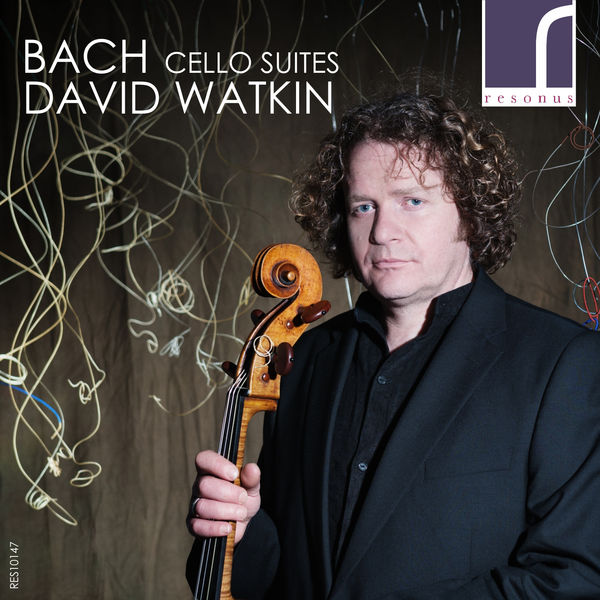
So let me get to the positive surprise of this lot: David Watkin’s Cello Suites on Resonus. I must admit that initially I kind of thought to myself “Seriously, another recording of the Cello Suites is all what we need” (note that I’ve recently praised Steven Isserlis excellent recording here).

I even had missed all the praise in the press this recording had previously received, probably due to the same biased thinking.

David Watkin Bach Cello Suites Resonus

But then I started listening.

And honestly, I was very positively surprised, this version sounded incredibly “right” to me, intuitively exactly like it should have sounded. The historic cello he plays is probably part of it, I don’t know what it is, but if this recording doesn’t win in the category I’d be very surprised!

In less than 24h we’ll know more.

Musicophile’s 25 Essential Jazz Albums – Part I

To be fair, I could never live with only 25 albums, I’d be totally bored at some point. There is too much great music out there to discover, that’s why I’m purchasing a lot of new music every month.

But if I had to choose my personal favorite 25 Jazz artists and list one of their albums (didn’t go for top 10 as this would have really been TOO narrow), I’d go for these. I wouldn’t call this a “must have” list, this is obviously completely subjective, as all of the rest of my blog. But you wouldn’t go wrong in checking them out and see if you like them. There are some obvious candidates in there that you’ll find in every TopXX list out there (I checked many, to make sure I don’t miss anything), some hopefully less obvious personal choices as well. They range from 1958 to 2013.

By the way, I’m cheating a bit, I’m talking about 25 albums, not CDs, so you’ll find a couple of multi-CD albums in there. In the age of the digital download, it doesn’t make any difference anyhow.

The ordering is completely random, I just numbered them so I don’t lose track. As said before, I try to limit to one album per artists, as you could easily build a list of top 25 albums with Keith Jarrett or Bill Evans on their own (maybe this will come in a future post).

This is part I, with no. 1-12, part II can be found here.

1. Keith Jarrett –  At The Blue Note (1995)
Keith Jarrett At The Blue Note The Complete Recordings ECM 1995

Well, obviously my selection had to have a Keith Jarrett album. As I wanted to choose only one per artist, I’m really under pressure here. With so many good Jarrett trio albums out there, which one do you choose? This choice is a bit arbitrary, and could change tomorrow, but I find myself to go back to this album very very often. However, it could have been easily as well Standards Live, Standards in Norway, Whisper Not, or Inside Out.

This album is mastered by the same Jan Erik Kongshaug, that also is responsible for Badgers and other Beings by Helge Lien (see my review here) and many other audiophile treasures.

 2. Miles Davis – Kind Of Blue (1959)
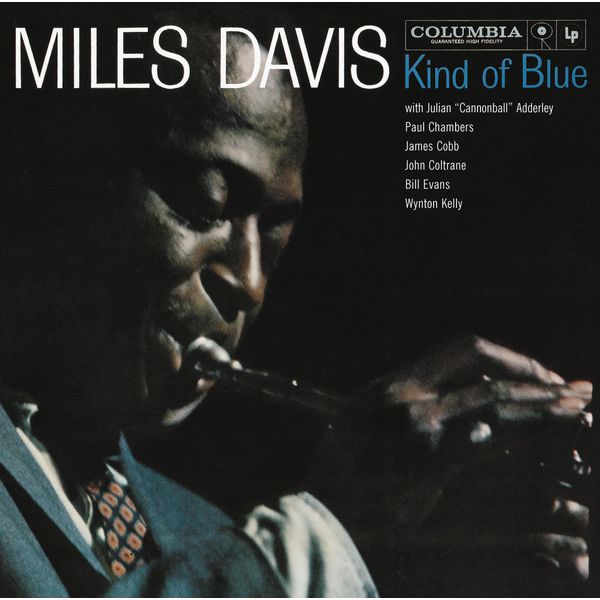
Milles Davis Kind of Blue 24 192 remaster Stereo Blue Note

Sorry, BIG no brainer alarm here. But this is just so freakingly good (thanks probably mainly to Bill Evans), that no matter how often you listen, you just get drawn into the atmosphere over and over again.

Plus, the recent 24/192 remaster (available in mono or stereo, I personally prefer the stereo version) sounds so great that you think you’re sitting in the studio with the guys.

3. Giovanni Mirabassi –  Architectures (1998)
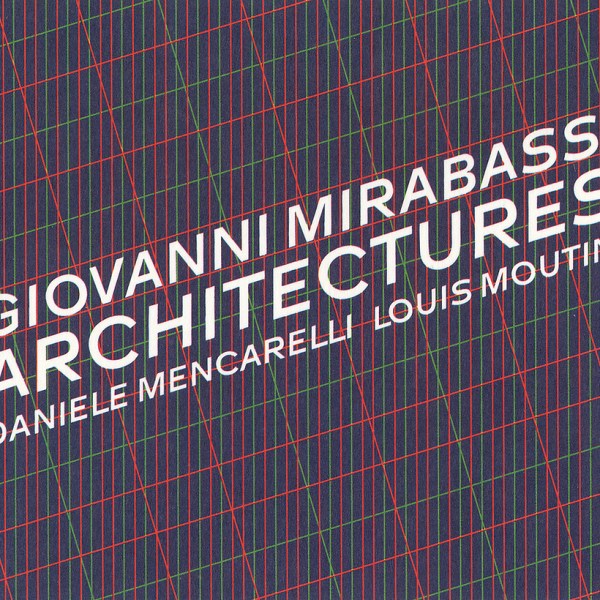
Giovanni Mirabassi Architectures

I haven’t written about Mirabassi on my blog yet. What a shame. Will rectify that soon. In the meantime, this is trio jazz at its best (a guitar is added in some songs).

Mirabassi is still one of my favorite musicians, especially live, however, I still prefer his earlier albums to the more recent ones. Again, more to come.

4. Lee Morgan – The Sidewinder (1963)
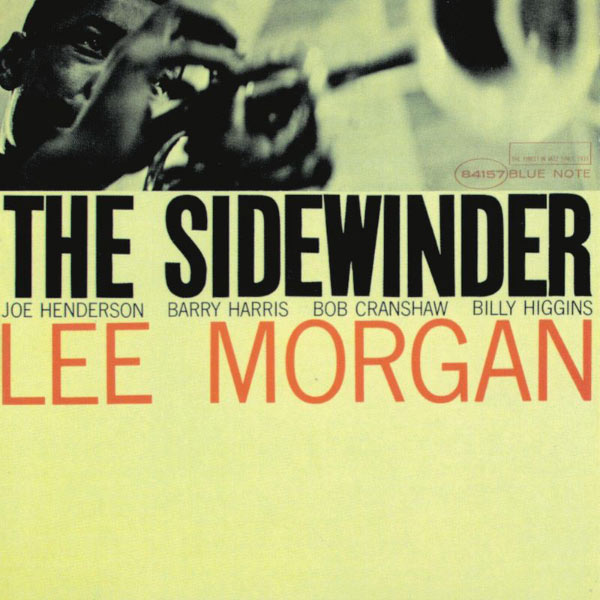
Lee Morgan The Sidewinder 24/192 Blue Note

Already reviewed here. Another mega-seller, but nothing wrong with that.

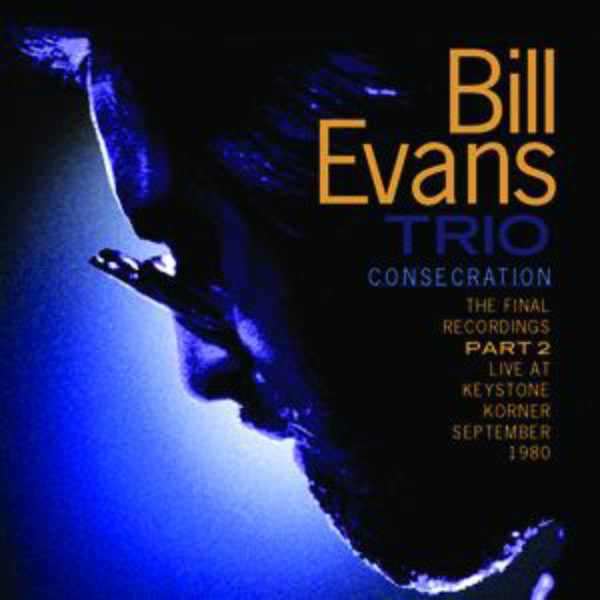
5. Bill Evans – Consecration – The Final Recordings Part 2 (1980)

Bill Evans Consecration The Final Recordings Part 2 Live At The Keystone Korner September 1980 Fantasy Recordings

Bill Evans, another genius, and I haven’t even mentioned him on this blog yet (except for above in the Kind of Blue entry). What a sin. Again, plenty of outstanding albums to choose from. Which trio? LaFaro and Motian, Gomez and Morell, or Johnson and LaBarbera? Well, all are great, so hard to judge. I nevertheless have a particularly strong relationship to this album, as a 1 CD compilation of this last concert series of his was among my first even Bill Evans albums.

Is it really necessary to purchase this 8CD box? And to e.g. get 5 different versions of “Your Story” (the album has takes from different days, so quite some repeats in the playlist). And it get’s even worse, “The Last Waltz” is another 8CD box from the same setting. Well, maybe not universally. And there is obviously the great tragedy of knowing that shortly after these concerts this genius was finally killed by his drug habits.

But when you listen to these recordings, there is so much intimacy, so much creativity, so much melancholy, that you can’t help but be fully absorbed by the music.

Anyway, more to come on Bill Evans on my blog in the future.

6. Horace Silver: Song For My Father (1964)

Horace Silver Song For My Father 24 192 BLue Note

Already reviewed here.

7. Brad Mehldau: The Art Of The Trio Vol. 3 (1998)
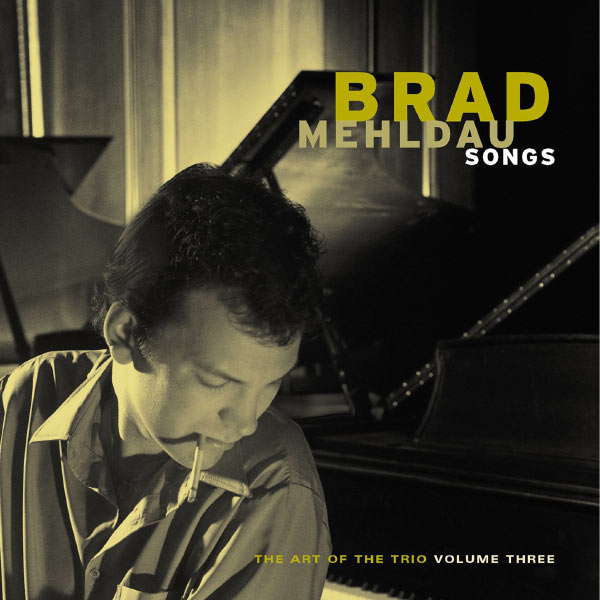
Brad Mehldau Art of the Trio vol 3 Songs Warner Jazz 1998

I’m not a universal fan of Brad Mehldau, there are a lot of albums I just cannot stand at all (e.g. Largo), but this one is trio jazz at it’s best.

8. Nina Simone: Little Girl Blue or “Jazz As Played In An Exclusive Side Street Club” (1958)
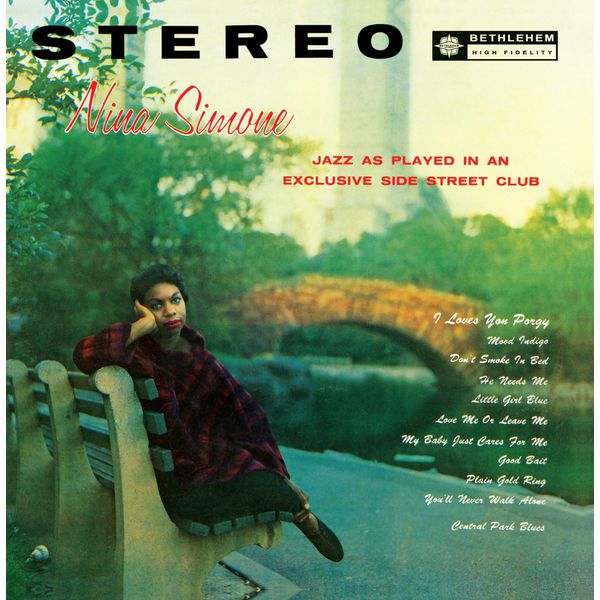
Nina Simone Little Girl Blue 1958 Bethlehem

Her outstanding debut, with many amazing songs.

9. Triosence: Turning points (2013)

Triosence Turning Points 2013 Sony Classical

Already reviewed here

10. Herbie Hancock – Maiden Voyage (1965)
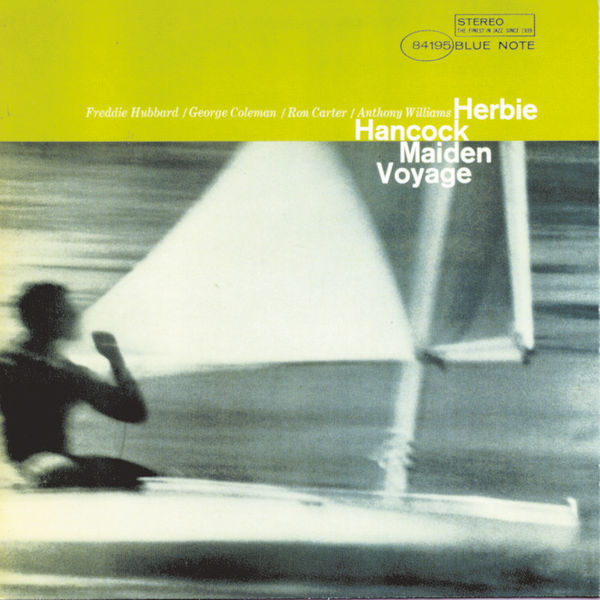
Herbie Hancock Maiden Voyage 24 192 Blue Note

My favorite Hancock album for the famous title track and Dolphin Dance.

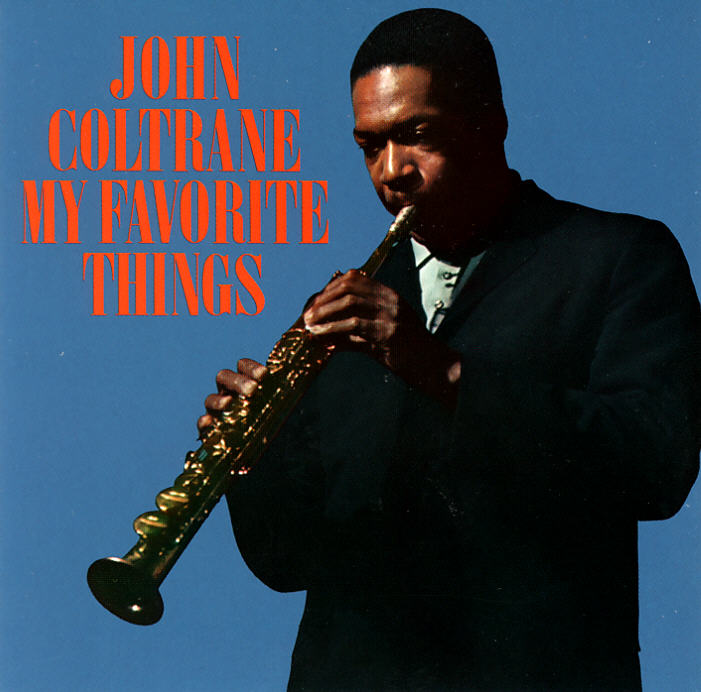
11. John Coltrane – My Favorite Things (1961)
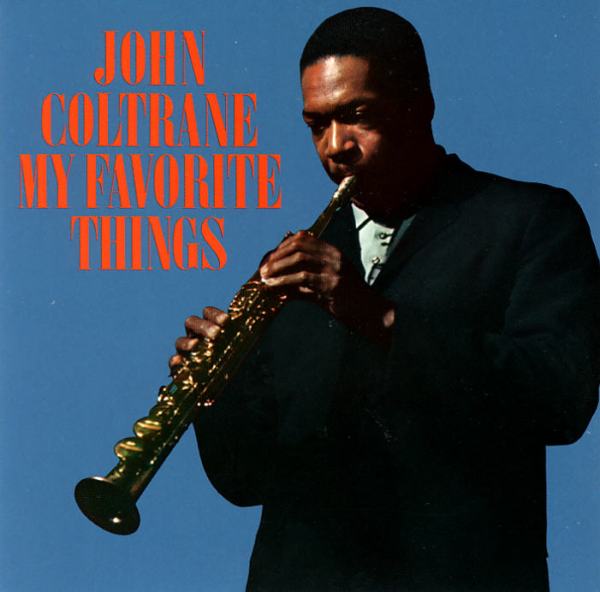
John Coltrane My Favorite Things

Well, obviously Coltrane had to be there. I hesitated quite a bit if I should nominate A Love Supreme or Giant Steps, but somehow this album personally touches me even more, both for the title track and one of my favorite versions of Summertime.

12. Shai Maestro – Shai Maestro Trio (2011)
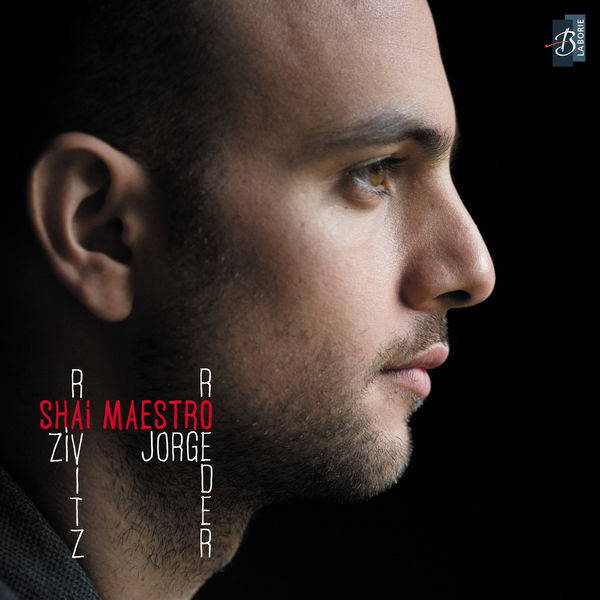
Shai Maestro Trio Laborie Jazz 2012

Already reviewed here. 

As said before, Part II with nos. 13-25 can be found here.

Download Sources

Keith Jarrett At The Blue Note: here  (Qobuz) and here

Kind of Blue: Here (Qobuz) and here (HDTracks)

Architectures: unfortunately, hard to find as download. You will occasionally find the CD on Amazon

Consecration: here (Qobuz)

Sidewinder: here (Qobuz)

Brad Mehldau Songs: here (Qobuz)

Song for My Father: here (Qobuz)

Nina Simone: here (Eclassical)

Triosence: here (Qobuz)

Maiden Voyage: here (Qobuz)

My Favorite Things: here (HDTracks)

Shai Maestro: here (Highresaudio)

Helge Lien’s Badgers and Other Beings – A Scandinavian Trio to Watch

Last week I wrote about Triosence, who recorded their latest album in Norway, at Jan Erik Kongshaug’s legendary Rainbow Studios. The album below is recorded at the same studio, however, unlike the German trio above, they didn’t have a long trip to get there, as they are from Norway.

Helge Lien, before getting relatively well-known with his own trio, was playing with singers like Silje Neergard.

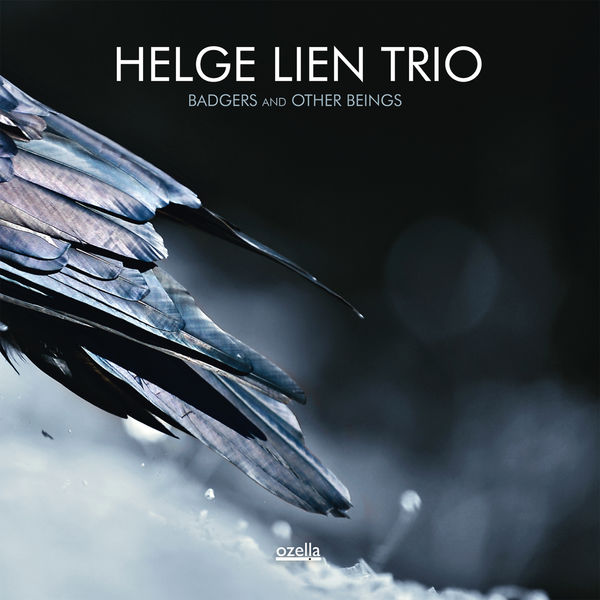
Helge Lien Trio Badgers And Other Beings Ozella Music 2014

Since 2008 the Helge Lien Trio (with Frode Berg on bass and Per Oddvar Johansen on drums) has released three albums, approximately every three years, Hello Troll (2008), Natsukashii (2011), and Badgers and Other Beings in 2014, all on the excellent Ozella Music label (see also my review of Edgar Knecht from the same label). For the audiophiles among my readers, all are available as high-res downloads and worth it. Note that this is the first time Johansen joins the trio, replacing Knut Aalefjær (who get’s a dedication in the song Knut).

Badgers and Other Beings

I could have chosen to review here any of the three, when I checked my iTunes ratings, all have the same mix of four star tracks with 3-4 five stars on each, and I wouldn’t want to miss any of them in my collection. So let me just take the latest release, which has been in pretty heavy on my system since I bought it just after it came out.

All tracks on this album, as usual with Lien, are his originals, no standards here. Already the starter track is very beautiful, Mor (apparently meaning mother in Norvegian).

The example above shows everything I like about this album, beautiful, complex melodies, and an interaction between the musicians that shows that they’ve been together for a long time and can follow each other blindly, and this in spite of the fact that Johansen is a new addition to the trio.

The following Joe is more uptempo, but keeps the same mood, and is another one of my five star tracks. My other two favorites are The New Black and the final track, Badgers Lullaby, where Johanssen on drums gets featured more prominently, and where time truly stands still, while fully drawing you into this very particular Nordic world.

My rating: 4 stars (but pretty borderline to five, I’m still hesitating whether I should start giving 4.5 stars at some point).

You can download it here (Highresaudio.com) and here (Qobuz) in 24/192 resolution, and at Bandcamp you’ll get a cheaper regular CD resolution download and you can even purchase a limited edition vinyl edition.

Captivating Period Schumann from Alexander Melnikov

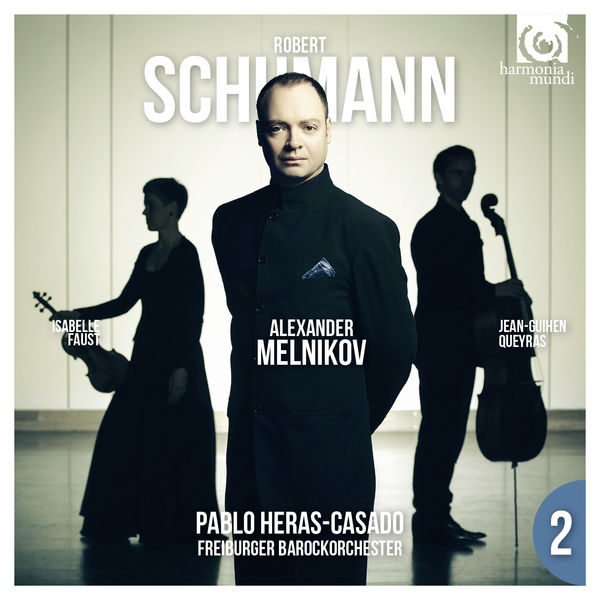
Alexander Melnikov / Isabelle Faust / Jean-Guihen Queyras

I’ve already praised Isabelle Faust and Alexander Melnikov for their excellent Hindemith chamber album, and the outstanding Brahms violin concerto, but they have done many other beautiful recordings together, including a recent version of the Beethoven Archduke trio with Queyras, or my preferred version of the Beethoven violin sonatas. Queyras is one of our leading cellists these days, and has recently recorded the complete Beethoven cello sonatas (very much worth checking out) with Melnikov. So as you can see, these three play regularly together, and you can hear it.

Schumann

This outstanding trio is now working for the second time together (hence the “2” on the cover) on their Schumann trilogy. This trilogy is twofold: it combines in each volume one of the three Schumann Piano Trios, and one of the three solo concertos (violin, piano, cello) he wrote, in collaboration with the Freiburger Barockorchester (which I usually like very much, although I was disappointed this week by their latest Bach release) under the young Spanish conductor Pablo Heras-Casado.

The series started with Faust playing the little known violin concerto (Clara Schumann even actively suppressed it, deeming it not worth of her husband’s legacy), which is very much worth checking out, and is now moving to the warhorse of the a-minor piano concerto.

The Schumann piano concerto

Schumann piano concerto Melnikov Freiburger Barockorchester Pablo Heras-Casado Harmonia Mundi 2015

This beautiful romantic work is one of the most recorded and best known piano concertos out there, and so you have literally hundreds of recordings to chose from, including some outstanding ones. Among my favorites you’ll find Dinu Lipatti with the young Herbert von Karajan, or Radu Lupu with André Previn.

However, I haven’t yet heard this romantic concerto on period instruments. The Freiburger Barockorchester, as their name indicates, are focused on HIP (historically informed) performance, and even more interesting, Melnikov plays on a 1837 Erard, which really gives the work a different color. I’m sure Schumann would have loved a modern Steinway, but it is interesting to hear how this sounded when it was composed.

However, period instruments are not a goal in itself. The performance has to match. And here I’m a bit torn. I love the way movements 1 and 2 are handled, but the third movement, while powerful, is just too slow,. which takes too much energy away for me. I wonder whether this choice was driven by Melnikov or Heras-Casado. In any case, it was clearly a very conscious choice. The overall movement takes 12:14, by far the longest I have in the 10+ versions in my library(as a comparison, my beloved Lipatti/Karajan took 10:01), and even the recent Pires/Gardiner  recording I didn’t particularly like (review here) was only 11:04.

That said, overall this concerto is still a real pleasure, and while it may not become my reference version, it is a very interesting alternative, to hear Schumann’s most famous work like you’ve never heard it before.

In any case, when you get to the trio, all is well, Melnikov, Faust, and Queyras play together as beautiful as ever, and this relatively unknown Schumann chamber work really shines.

I’m really looking forward to vol. 3 with Queyras playing the Cello concerto.

Overall rating: 4 stars (FYI, the reviews I’ve seen so far are divided, Gramophone loved it (Editor’s choice), the Guardian’s Kate Molleson didn’t like it very much with 3 stars), you really need to make up your own mind. It is absolutely worth checking out.

You can download it here (Qobuz), or here (eclassical)

A Disappointment From Andreas Staier – How Can That Be? – My Review of the Bach Harpsichord Concertos

Andreas Staier

Let me start by pointing out that I’m a big fan of Andreas Staier. I’ve praised his Diabelli Variations here, I like his approach to Mozart and Schumann, as well as his album “Pour Passer la Mélancholie”. His 2012 album of the 6 piano concertos by Carl Philipp Emmanuel Bach is outstanding.

Freiburger Barockorchester

The same goes for the Freiburger Barockorchester (who joins Staier on excellent the CPE Bach album above). Their recording of the Bach Orchestral Suites is my go-to version, and the recently started Schumann cycle with Isabelle Faust, Alexander Melnikov and Jean-Guihen Queyras (more about the Melnikov in the next days) is very very good.

The Bach “Piano” concertos

Bach wrote quite a number of concertos for harpsichord. As was not unusual at the time, several of them were probably recycled from other sources, e.g. other solo concertos or cantatas. You’ll find concertos for 1-4(!) soloists.

So far, I still haven’t found “my” version. My currently preferred versions are the 2011 Linn recording of the Retrospect Ensemble with Matthew Halls conducting and playing, Pierre Hantai’s slightly idiosyncratic but very interesting version with Le Concert Français (see my review of his Goldberg variations here), and most of all Café Zimmermann’s energetic readings, which are unfortunately spread over 6 albums (all worth getting anyhow!) and only have the concertos with several instruments.

Therefore, when I heard about this recording by Staier with the Freiburger, I was very excited and already had it on pre-order. Luckily, I was distracted, didn’t get to click on buy, and therefore ended up listening to it on Qobuz streaming first.

Bach: Harpsichord Concertos - Andreas Staier - Freiburger Barockorchester - Harmonia Mundi 2015

I’m happy I did, because at this stage I don’t think I will end up buying this album.Maybe it was just that I was expecting too much, but my “inner ear” has a very different idea on how these concertos should sound.

It pains me to write critical words about musicians that I admire very much, but the album generally sounds a bit heavy and slow, and does not at all the lightweight “swing” I so much love about most recent Historically Informed Performances.

In a way this reminds me of Karl Richter’s way of playing Bach. There is obviously nothing wrong with approaching the music this way, it is just really not my cup of tea.

Obviously this approach, and the sometimes slower tempi also allow for more nuances and there are very beautiful moments in this album, e.g. in the Largo of BWV1056.

But most of the time, this is not for me.

Overall rating: 3 stars. I really didn’t expect ever to give such a relatively low rating to these outstanding musicians. is it just me? I’d really love to hear your feedback especially if you disagree!

EDIT August 28, 2015: I seem to be the odd one out here with my opinion. Classica “Choc”, 5 stars from Diapason, 5 stars from the Guardian. So be warned, I may just be a crazy lunatic in not particularly liking this album. I’d appreciate even more your feedback on this, as after 4 more listenings, I stand by my opinion. Please tell me if I need a new pair of ears!

EDIT Oct 11, 2015: Just reading the review in the October issue of Gramophone, and at least Jonathan Freeman-Atwood seems to have heard what I’ve heard. To quote: “If you’re looking for fun, abandon, lyricism, radiant lift off […] and luminosity, then maybe this one is not for you”. He’s spot on, that’s exactly what’s lacking for me.

A second addendum to Diabelli – this time from Gramophone

Diabelli and Gramophone

Following up to my own post on the Diabelli variations and the addendum with the input from Classica here, now my other favorite classical music magazine, Gramophone, in their recently released August edition, has tried to identify the best version of the Diabelli-Variations.

Andreas Staier

I’m glad to report that my personal preference, Andreas Staier, gets a special mention as “Period-Instrument Choice”, and therefore one of the four recommended versions out of more than 80. Staier’s ECM also gets a honorable mention.

A live recording from Rudolf Serkin gets the “Historic Choice”, Olli Mustonen’ RCA recording get’s the “Iconoclastic Choice” (the recording is on Qobuz streaming, so I’ll check it out later).

Top-Choice

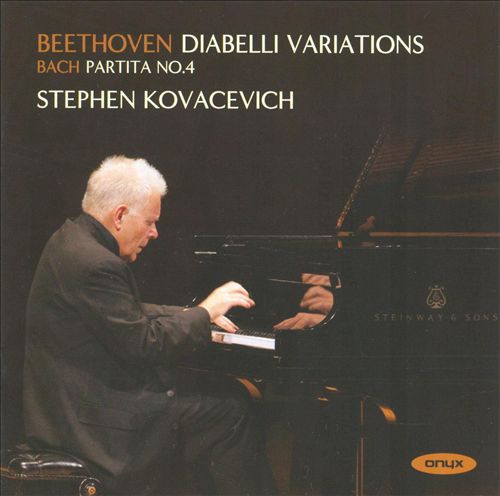
But their top-choice unfortunately is on the Onyx label, which is more restrictive on streaming, so I haven’t heard it yet. It is the 2008 recording by Stephen Kovacevich. Given that he started his career with this work in 1961, I’m not too surprised about this choice. Worth checking out, and on my list to purchase in the near future.

Stephen Kovacevich Ludwig van Beethoven Diabelli Variations Onyx 2008.

Mendelssohn’s Lieder Ohne Worte in Two Beautiful Versions by Perianes and Brautigam

Felix Mendelssohn

One of those famous underrated composers. I’ve read many times that Mendelssohn is “only” beautiful. Arrrgh! Even if his music were “only” beautiful, I’m sorry, but what would be wrong with this? Luckily, I don’t even agree with the “only”. Proof is here: these wonderful “Songs Without Words” – can somebody truly listen to this and call it “only beautiful” and not see the lyric depth?

These songs, actually 8 books of them, were written during nearly the entire lifetime of the composer.

There are many recordings of these available, one of the artists who is probably most closely associated with them is Daniel Barenboim.

However, I’d like to highlight here two very recent recordings from 2014 and 2014 respectively.

Javier Perianes

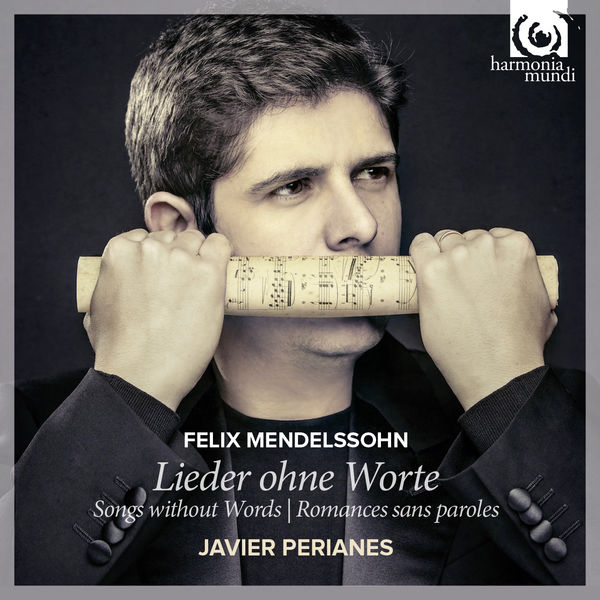
I have already reviewed his excellent Grieg recording here. Surprisingly enough, I had missed this great 2014 recording on Harmonia Mundi of a selection of the Lieder one Worte. Luckily, after discovering the Grieg, I ended up listening to this.

Felix Mendelssohn Lieder Ohne Worte Javier Perianes Harmonia Mundi

And what a beautiful recording it is. Nuanced, delicate, but passionate. Just what this music needs. On top of a selection of Mendelssohn’s Lieder you also get he Andante con variationi op. 82, the Rondo Capriccioso op. 14, a Prelude and Fuge, and his 17 Variations sérieuses op. 54.

This recording has received a lot of praise, the Classica “Choc”, 5 stars by Diapason and Fono Forum, and I full-heartedly agree with this! Sorry Mr. Barenboim, but this is my new reference.

However, if you’ve been following this blog for a bit, you may have noticed that I have a special weak spot for piano music on historic instruments. They just give a completely new and fresh perspective on familiar works, compared to the modern Steinway.

However, as I’ve noted in my review of Andras Schiff’s recent Schubert recording, the sound of a historic fortepiano is obviously much more variable than what Steinway’s factories produce these days, so you really need to make sure you like the sound of the particular historic instrument being recorded.

Luckily, in the next album, released on BIS, both the playing and the instrument are superb.

Ronald Brautigam

Mendelssohn Lieder Ohne Worte Ronald Brautigam  BIS

Brautigam is one of the leading pianists on historic instruments. His Beethoven cycle is one great example. He plays a modern reconstruction by Paul McNulty of a 1830 Pleyel. It just sounds beautiful. The Pleyels at the time, with their big local competitor Erard, were counted among the best pianos France produced, and this was at the time when Paris (closely followed by Vienna) ruled the cultural world.

Unlike Perianes, Brautigam plays systematically the first four books of the lieder, without adding any other material (with the exception of some more lieder without an individual opus number).

Again, the playing like with Perianes, is absolutely top-notch. Overall, I may have just a slight preference for Perianes, but the sound and the clarity of the Pleyel gives the music such a different character that it would really be a pity not to own both if you like this music.

My rating: 5 stars (Perianes), 4 stars (Brautigam)

Both Harmonia Mundi and BIS are known for paying attention to the recording quality, and both albums are no exception.

You can download them here (Perianes) and here (Brautigam)

UPDATE: You can find my review of the second volume of Brautigam’s recording here

Classical Life

A classical music blog by music critic Tim Mangan

This Week's Music

Making Classical Accessible

From my Macbook to the Net

Evaporation of my thoughts and observations

Elestra

Author: Artienne

My Life in Music

Playing, Singing and Listening

ArsX3

A brand new journal reviewing books, cinema, music

LawrenceEz's Blog

Creative and Performing Arts: Writing, Classical Music, Photography

Laetitia Strauch-Bonart

Contemporary Politics & Culture

sibling revelry

reveling in all things classical

It's A Raggy Waltz

I collect jazz on vinyl, I dig the Dave Brubeck Quartet, & I write about it

La Musica

By two cousins

thejazzbreakfast

Dishing it out from the heart of England

only jazz

random thoughts about music that matters to me

The Culture Project

Exploring the world of literature, wine, art, music and more.

René Spencer Saller

The music causes me to dream of fabulous empires, filled with fabulous sins.

Breaking Baroque

Blog of Tafelmusik Baroque Orchestra and Chamber Choir

Tasting Nirvana

Eating your Dosha

Shadow of Iris

Poetry, fiction, short stories, more ...

The Immortal Jukebox

A Blog about Music and Popular Culture

April Greene

Writer + Editor

a pianist's musings

A history of your favorite classical music.

Classical music for all

Boris Giltburg's blog

I HEAR VOICES

An orchestra seat in the web space