A Review of CPE Bach’s Cembalo Concertos by Andreas Staier – Just Beautiful

Carl Philipp Emanuel Bach

Johann Sebastian Bach, as it is rather well known, had a large family. A total of 6 sons. Most of them did some composing. Unfortunately, the only descendant of Bach that I personally find interesting is Carl Philipp Emanuel, often abbreviated as CPE (I’ve written a bit about Wilhelm Friedemann here).

CPE had a major influence on music, including on one of the greatest names ever, Mozart. Mozart did meet CPE, and reportedly has said about him “Er ist der Vater; wir sind die Bubn. Wer von uns was Rechts kann, hats von ihm gelernt.” (which roughly translates into “he (CPE) is the father, we are the children. Whoever of us know how to compose, has learned from him”).

CPE Bach in a way, musically speaking is the “missing link” between the Baroque period of JS Bach and Händel, and the Viennese classical period of Mozart and Haydn. In his music you still have some elements of the former, but much more points to the latter. I suggest you check out this nice Guardian article if you want to know more about the composer.

Andreas Staier

I’ve written several times about the German pianist and harpsichordist Andreas Staier. Most of the time I just love his recordings (e.g. Schubert’s Winterreise, Bach’s Clarinet Sonatas, or his great Diabelli variations). Occasionally I’m disappointed, particularly with his recording of the JS Bach keyboard concertos (see A Disappointment From Andreas Staier – How Can That Be?).

I was particularly disappointed in the JS Bach recording mentioned above as I just love this CPE bach recording I’m writing about here, so I had particularly high expectations.


CPE Bach: Six Harpsichord Concertos – Andreas Staier – Petra Müllejans – Freiburger Barockorchester (Harmonia Mundi 2011)
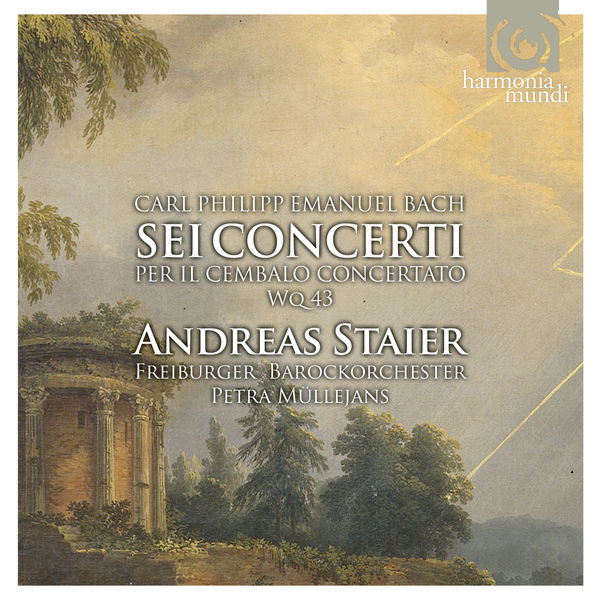
Carl Philipp Emanuel Bach Sei concerti per il cembalo concertato (six harpsichord concertos) Andreas Staier Freiburger Barockorchester Petra Müllejans Harmonia Mundi 24/44


So what do you get? Sheer brilliance! Staier and the Freiburgers really put all their energy in making this music shine. And what beautiful music it is. I personally would put CPE Bach higher than Haydn in my personal appreciation.

This is really exicing and passionate playing, which will draw you in. This album deservedly received the Gramophone Award in its category in 2011 (interestingly, they put it under “baroque instrumental”, not sure I’d 100% agree).

Check it out!

My rating: 5 stars

You can find it here (Qobuz) and here (Prestoclassical)
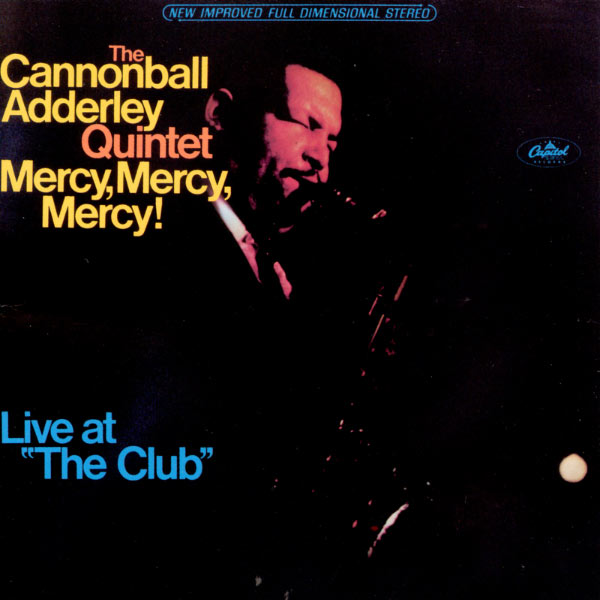
 

Mercy, Mercy, Mercy! Cannonball Adderley Live

Cannonball Adderley

So far, I’ve written only about one album (see my review of “Know What I Mean here) by the great alto saxonphonist Julian “Cannonball” Adderley.

This is a bit of a sin as I really like him. I recognize that Parker and Coltrane were the more creative and influential artists, but in real life I listen to Adderley albums quite regularly, and more often than the first two giants. So watch this spot for more on him.

Mercy Mercy Mercy! Live At “The Club” (Capitol 1966)

So what triggered me writing about this particular album? Well, quite simply, I heard it on the radio. In this case it was Radio Swiss Jazza music only channel run by the Swiss public radio, which unlike it’s classical counterpart, actually often plays really good music.

Who else do we have at this live gig at Club de Lisa in Chicago? Let’s start with Nat Adderley on Cornet, his brother. They often played together and are very complementary.

Then on piano we have Joe Zawinul, the Austrian pianist & keyboarder, who had joined Adderley earlier, but became much more famous later playing with Miles Davis on Bitches Brew, and with Wayne Shorter on the fusion band Weather Report.

To finish the quintet’s line up, on drums we have Victor Gaskin, and on  bass Roy McCurdy.

The Cannonball Adderley Quintet Mercy, Mercy, Mercy Live at "The Club" Capitol / Blue Note 1966

So what do we get on this album?

This is 1966, so just the end of the hardbop era before things started moving on towards Free Jazz and Fusion. None of that here, this is still 100% solid hard bop. What you get, is essentially Fun and Games, as the first two titles are called.

Honestly, I probably wouldn’t even mention this album which is nothing but solid, non-outstanding hard bop (with a lot of energy though), if it didn’t include the title track, Mercy Mercy Mercy, written by Joe Zawinul earlier this year, and which became a chart hit (yes, in the 1960s Jazz tracks still could be come chart hits), and has been covered a lot since.

What is so special about this track, no. 3? It’s 5:10 of pure drive, but laid back. Not sure how they pull of this contradiction in terms, but I guess it is Joe Zawinul on his Wurlitzer e-piano is the one who really kills here. The Adderley brothers get to play occasionally, but fundamentally this truly is a Zawinul song through and through.

Check it out:


My rating: 4 stars (with Mercy Mercy Mercy deserving 5 stars on its own).

You can find it here (Qobuz) and here (Amazon)

Mozart’s Violin Concertos with Isabelle Faust – Highly Enjoyable

Happy New Year!

Dear readers, I hope many of you were able to have some days off during the holidays over the last weeks. I’d like to thank you again for your interest in my blog, and look forward to sharing more exciting music with you in 2017.

As always, I really appreciate any form of feedback. Do you like my articles? Let me know! Hate them, let me know as well! Any form of feedback is useful.

Mozart’s Violin Concertos

Let me start by saying that as much as I like Mozart, his violin concertos aren’t very high on my priority list. They are the works of a teenager, written between ages 16 and 20. That said, they are enjoyable, and at least one version of them should be in any classical music library.

But which one? In My Must-have Mozart Albums, I’ve already recommended Giuliano Carmignola’s great recording with the late Claudio Abbado and the Orchestra Mozart  he founded (which unfortunately lost funding some time ago).

However, regular readers will know that I’m a big fan of Isabelle Faust (see here, or here), so when she released a recording of the complete Mozart concertos, I obviously had to check it out. Unfortunately, it took some months for reasons unknown to me for this to be available on Qobuz, my streaming provider (and I didn’t want to buy this blindly).Now Qobuz finally has it, so here comes my review.

Mozart: Violin Concertos – Isabelle Faust – Il Giardino Armonico (Harmonia Mundi 2016)

Mozart: Violin Concertos Isabelle Faust Il Giardino Armonico Giovanni Antonini Harmonia Mundi 2016 24/96

Not only you get Isabelle Faust here, as mentioned above one of my all-time favorite violinists, but you also get Giovanni Antonini with his Giardino Armonico. They have done countless excellent baroque albums in the last 30 years. More recently they moved up to the Viennese Classical period with Haydn, in their excellent Haydn2032 cycle (see my review of vol. 3 here), so Mozart is a logical next step.

So, how does it sound? Two words, transparency and energy! Antonini takes the same inspiring approach he uses to awaken Papa Haydn, and plays it with a lot of verve and swing. And even Faust, who can be a tiny bit intellectual in her approach at times, gets fully into the mood and goes with the flow, making this youthful music just highly enjoyable. I seriously wouldn’t know what to criticize on this recording. This really is on par with Carmignola, if not even slightly better.

In summary: highly recommended (all reviews I’ve seen vary between very good and outstanding, so I’m not really going against the consensus here).

My rating: 4 stars (full 5 star playing, but as mentioned above I don’t think Mozart’s violin concertos are truly essential, so one point off for repertoire).

You can find it here (Qobuz) and here (HDTracks)


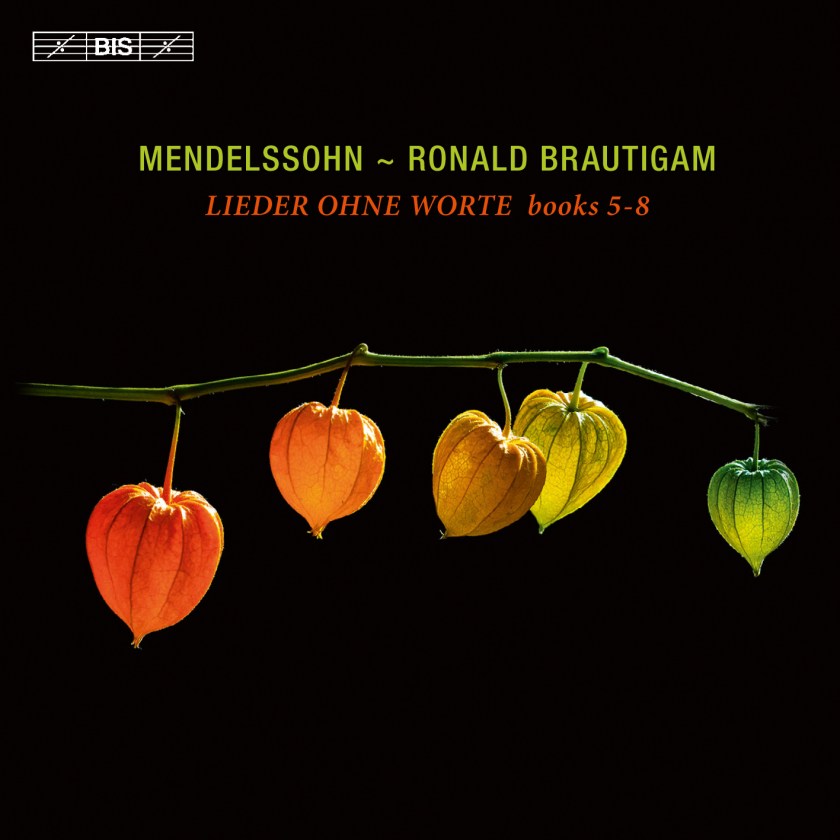
Recommended: The 2nd volume of Mendelssohn’s Songs Without Words by Ronald Brautigam

Yes, I really like Mendelssohn (this is already my 5th blog entry on him). His works are unfortunately still underrated by many.

And his Lieder ohne Worte (Songs without Words) are truly among my favorite works, quite simple if you listen superficially, but so much beauty and detail can be found in there.

I’ve spoken very highly of the first volume of the Lieder ohne Worte by Ronald Brautigam.

Recently, he has released the second volume, the books 5-8 of these now complete recordings of these beautiful musical poems.

Mendelssohn: Lieder Ohne Worte books 5-8 – Ronald Brautigam (BIS 2016)

Felix Mendelssohn Lieder Ohne Worte Books 5-8 Ronald Brautigam 24 96 BIS 2016

If, like me, you liked the first edition of the books 1-4, this is a clear must have.

It is again played on a contemporary copy by Paul McNulty of a Pleyel piano from the 1830s, with a beautiful mellow sound, which I’ve already praised in my previous review.

The booklet is also very much worth checking out, not only for getting a picture of the instrument being used on p. 30. Horst A. Scholz really does an excellent job in describing the individual pieces. Given that eclassical offers the booklets for free, I highly suggest you have a look.

In short: if you like Chopin or Schumann, and are curious about the sound of a piano the way Mendelssohn may have  heard and played it, go for it!

My rating: 4 stars (although the more I listen to it, the closer this fortepiano recording  gets to the 5 stars I gave to Perianes modern piano version).

You can find it here (eclassical) and here (Prestoclassical)

Update December 28,2016: In their December issue, Classica agrees and gives this album a 4 star rating.

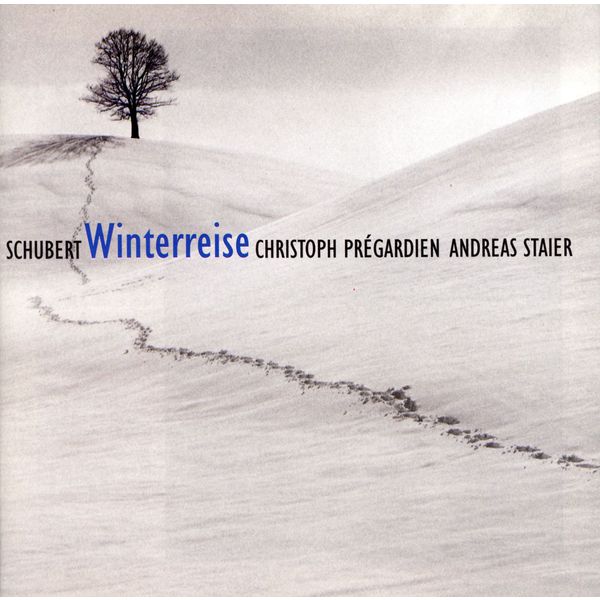
My Favorite Winterreise by Christoph Prégardien and Andreas Staier

Lieder

Lied” is a German word that literally just means song. Interestingly enough, the word “Lied” or the plural, “Lieder“, has made it’s way into the English language, at least for those interested in 19th century classical music.

In German, there is another word, Kunstlied, literally Art Song, that differentiates this particular category from anyother Lied, which could be anything from a childrens lullaby to Justin Bieber’s latest hit.

This art form really peaked in the romantic times of the 19th century. People at the time loved romantic literature, romantic poems, and obviously romantic music. The latter followed what is commonly known as Wiener Klassik.

What is so special about the Kunstlied, is the combination of masterful composing by greats like Schumann or Schubert, and the great poetry of Goethe, Schiller and others. Obviously, if you don’t speak German, you’ll have to rely on your booklet or internet translation of the lyrics. I strongly recommend you do, the text often is breathtakingly beautiful.

If I’m not mistaken, I haven’t yet written about any Lied recording on my blog. This is because I really dived into this art form only rather recently, and am still in the process of discovery. It is a gratifying journey, as this, together with chamber and piano music, is where my beloved Franz Schubert really shines.

Schubert’s Winterreise

Winterreise is one of the best known song cycles. This blog post was triggered by a post I read yesterday by fellow blogger The Well Tempered Ear (which you should check out).

Winterreise just is the perfect music for these cold winter days (assuming you’re somewhere in the Northern hemisphere). Here you really need to follow the lyrics. These 24 songs are based on poems by a lesser known poet, Wilhelm Müller, and losely tells a story of a wayfarer in Winter. Just make sure you put on the fireplace (if you have one) or turn on the heating, get a nice cup of your favorite hot beverage, and start listening to the journey. You’ll be glad you’re inside in the warm.

My Favorite Version: Christoph Prégardien with Andreas Staier (Teldec/Warner Classics 1997)

As said above, I am still at the beginning of my discovery of the Schubert song cycles, but I’ve been through already quite a number of versions of the Winterreise. Probably every great tenor of this world has recorded it, and sticking to just one version is pretty much impossible. I’m pretty sure I’ll have future posts on other versions coming.

Schubert: Die Winterreise - Christoph Prégardien - Andreas Staier Warner Classics

So why this one now? Well, it is just the intricate balance of Prégardien, one of the best tenors of our time, and Andreas Staier’s beautiful and nuanced Fortepiano.

Most of the recordings obviously are with modern Steinways. Don’t get me wrong, I love the sound of these (and still aspire to own one in the future). But for a work written in 1827, it pays off to get the more subtle sound of a fortepiano. This gets you to a whole new level of transparency. A must have.

My rating: 5 stars


You can find it here (Qobuz) or here (Prestoclassical)


P.S. This will most likely be the last post of the year, as I’m looking forward to some relaxing days with the family over the Christmas holidays.

I thank all my readers for their continued interest in my blog, and wish all of you a great holiday break, wherever you are in the world!

Jazz Loves Disney – Who Would Have Thought This Actually Is A Great Album?

Verve

Verve obviously is one of the great classic record labels of the Jazz history, where Norman Granz to produce all the classics from Billie Holiday to Ella Fitzgerald to Oscar Peterson.

These days, Verve, as most other traditional Jazz labels, is part of one of the big players, in this case Universal Music. However, in spite of being part of this large multinational company, and some major restructuring, Verve still puts out some beautiful recordings

They also able to pull together artists from other labels to do some great compilations. Interestingly enough, these compilations aren’t best-of’s of previously recorded material, but actually new productions that were done just for these albums. A great example is the beautiful album Autour de Nina, reviewed here.

Walt Disney

Well, I must admit, for my side, I’m not a huge disney fan. OK, I liked the Jungle Book as a kid, but hated Mickey Mouse.

That said, Disney truly cared about music in his movies.

Did you actually know that the Jazz standard Someday My Price Will Come made famous by Miles Davis actually came from Disney’s Snow White? I must admit, I completely forgot about that.

Walt Disney’s movie A Silly Symphony from 1935 is another great example of the usage of classical music in a movie.

Anyway, I wasn’t prepared at all to actually like the following album:

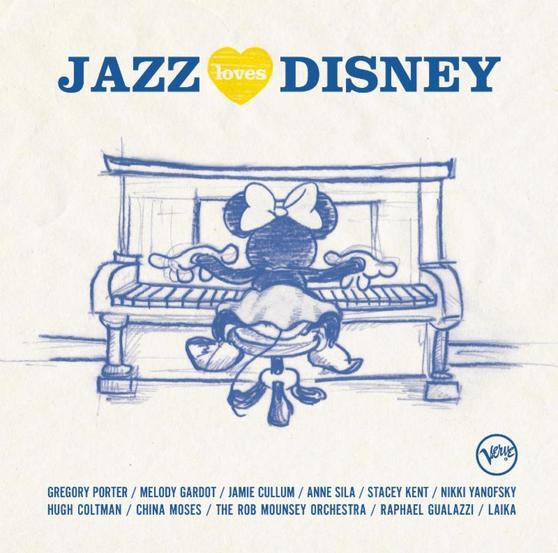
Jazz Loves Disney (Verve 2016)

Jazz Loves Disney 24/44 Verve 2016 Gregory Porter Jamie Cullum Stacey Kent Melody Gardot

Well, first of all, look at the names of the artists here: We’ve got Melody Gardot and Stacey Kent, two of the best current Jazz singers out there, but the other names are equally impressive.

As usual with this kind of album, the production is quite perfectionist. So this could all feel as artificial as being trapped as a character of Arielle, but it actually doesn’t.

It really swings nicely, and really shows a whole new aspect of these songs.

My absolute favorite is The Bear Necessities in a beautiful duet by Raphael Gualazzi and Melody Gardot (yes, Jungle Book again), but there really isn’t a really weak track on this album

Check out these trailers to get an impression:

Check it out!

My rating: 4 stars
You can find it here (Qobuz) and here (Acoustic Sounds)

My Top 5 Jazz Albums of 2016

My Top 5 Jazz Albums of 2016

Following my Top 5 Classical albums of 2016, here’s my take on Jazz this year.

2016 was tricky with regards to Jazz albums. Actually, usually I build these top 5 lists simply from my 5 star reviews. The thing is, in 2016 I only had one single 5 star Jazz album, GoGoPenguin’s latest release. All others are “only” 4 stars, but still I can wholeheartedly recommend all of them!


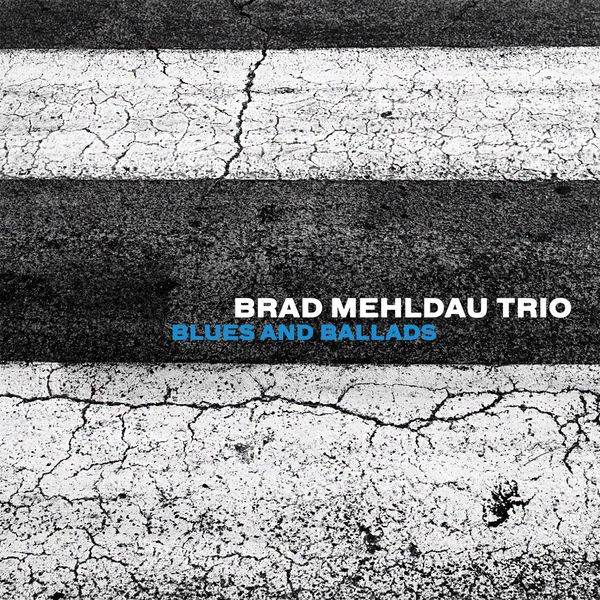
Brad Mehldau Trio: Blues And Ballads

Brad Mehldau Trio Blues and Ballads 24 88 Nonesuch 2016

I mentioned it before, I’m not always a fan of Brad Mehldau.

I have The Art Of The Trio vol. 3 in my 25 essential Jazz albums and find it to be a true gem of piano jazz, but run away from many of his more recent releases (YMMV).

This one again is really to my taste, he goes back to his roots, and does it well!

See my initial review here.

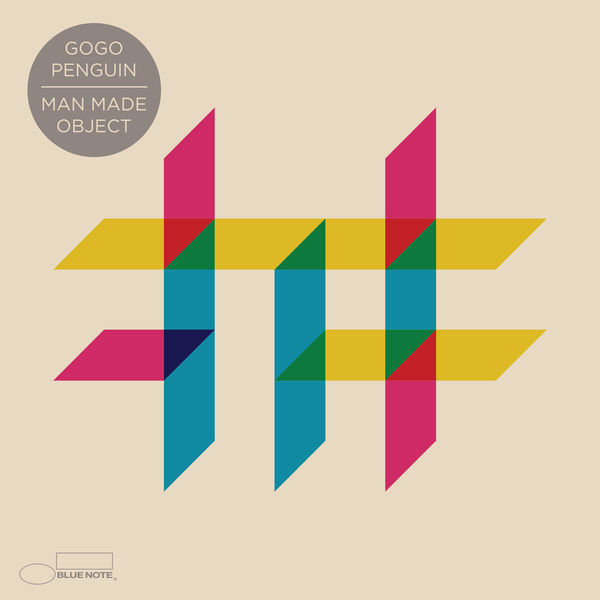
GoGoPenguin – ManMade Object

GoGo Penguin Man Made Object 24/44 Blue Note 2016

As mentioned above, the only 5 star album in this list. As you can see in my initial review, this is probably the true successor to Esbjörn Svenssons trio, bringing the Jazz trio into the age of Electronica.

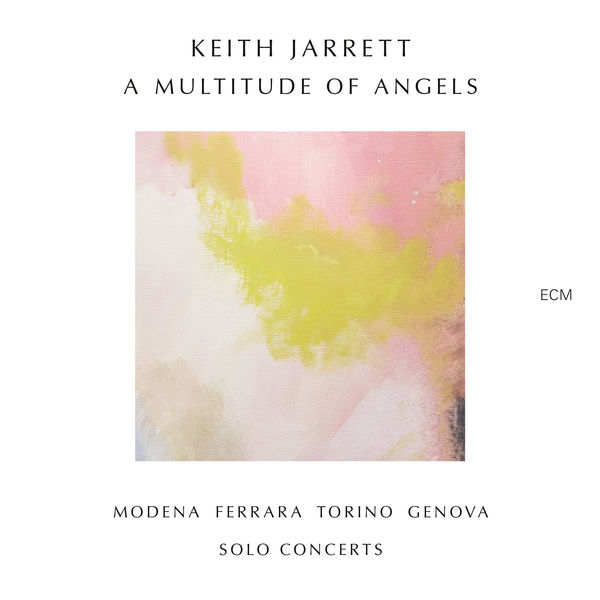
Keith Jarrett – A Multitude of Angels

Keith Jarrett A Multitude Of Angels Modena Ferrara Torino Genova Solo Concerts ECM 2016

A new Keith Jarrett solo album is always an event, even if in this case we’re talking about previously unreleased material from 20 years ago. As you can see in my recent review, I really like it.

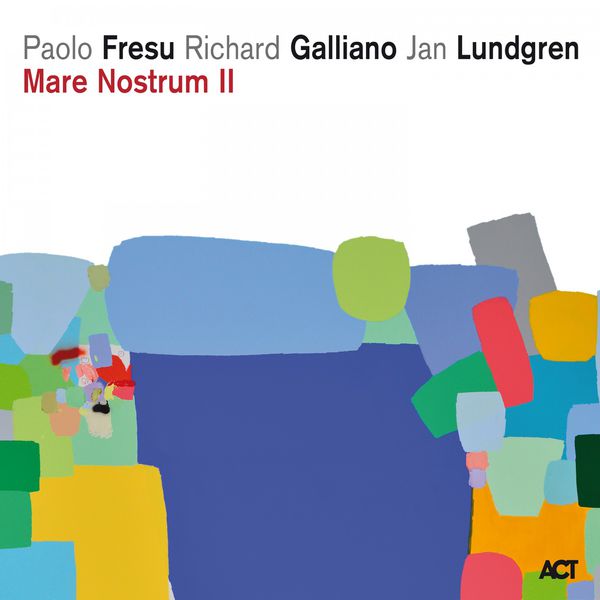
Paolo Fresu Richard Galliano Jan Lundgren: Mare Nostrum II

Paolo Fresu Richard Galliano Jan Lundgren Mare Nostrum II (24/88) ACT Music

Check out my review here. Essentially, if you like the accordion, get this. If you don’t like the accordion, at least check it out. It is worth it.


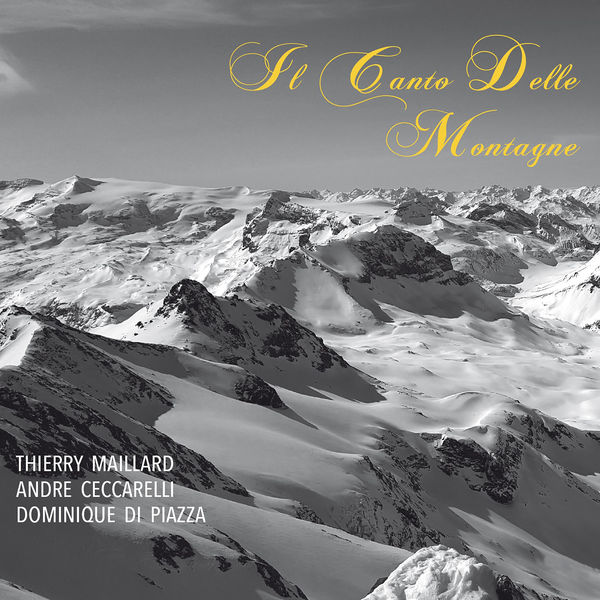
Thierry Maillard – Il Canto Delle Montagne

Thierry Maillard Andre Ceccarelli Dominique di Piazza Il Canto Delle Montagne 24/88 2016 Ilona Records

See my review here, beautiful trio jazz from France.

Your turn now.

As you can see, I was struggling  a bit to find truly oustanding Jazz albums this year. I’m sure there’s stuff I must have missed. Please do point me to albums that I may not have seen or heard that you’d recommend in 2016!


You can find the albums here:

Brad Mehldau:  here (Qobuz) and here (Nonesuch’s own online store)

Keith Jarrett: here (Qobuz) or here (Amazon)

Paolo Fresu et al:here (Qobuz)

Thierry Maillard: here (Qobuz)


Classical Life

A classical music blog by music critic Tim Mangan

This Week's Music

Making Classical Accessible

From my Macbook to the Net

Evaporation of my thoughts and observations

Elestra

Author: Artienne

My Life in Music

Playing, Singing and Listening

ArsX3

A brand new journal reviewing books, cinema, music

LawrenceEz's Blog

Creative and Performing Arts: Writing, Classical Music, Photography

Laetitia Strauch-Bonart

Contemporary Politics & Culture

sibling revelry

reveling in all things classical

It's A Raggy Waltz

I collect jazz on vinyl, I dig the Dave Brubeck Quartet, & I write about it

La Musica

By two cousins

thejazzbreakfast

Dishing it out from the heart of England

only jazz

random thoughts about music that matters to me

The Culture Project

Exploring the world of literature, wine, art, music and more.

René Spencer Saller

The music causes me to dream of fabulous empires, filled with fabulous sins.

Breaking Baroque

Blog of Tafelmusik Baroque Orchestra and Chamber Choir

Tasting Nirvana

Eating your Dosha

Shadow of Iris

Poetry, fiction, short stories, more ...

The Immortal Jukebox

A Blog about Music and Popular Culture

April Greene

Writer + Editor

a pianist's musings

A history of your favorite classical music.

Classical music for all

Boris Giltburg's blog

I HEAR VOICES

An orchestra seat in the web space