My Reflections On the Classica Magazine “Chocs de l’année 2019” – part II

This is the continuation of a blog post started last weekend.

Marc-Antoine Charpentier – Histoires sacrées – Christophe Daucé – Ensemble Correspondances – Harmonia Mundi 2019

Yet another French composer that I know very little about. If like me you’ve grown up in Central Europe and have been watching television, you typically know Charpentier as the composer of the Eurovision theme, the fanfare that was played when several European countries decided to do a joint production.

This theme is actually the prelude to his Te Deum.

Beyond this, again giving away my ignorance, I barely knew anything about him. He occasionally pops up on some French baroque compilation I own, but in my entire library which really isn’t that small, I have a total of 2 albums featuring this composer.
Marc-Antoine Charpentier Histoires Sacrées Ensemble Correspondances Sébastien Daucé Harmonia Mundi 2019 24 96

Listening to this album as part of writing this blog post made it clear to me that I really missed something here. I have zero benchmark to compare the version to obviously, but Sebastien Daucé’s Ensemble Correspondances plays truly engaging early baroque vocal music, beautifully sung and played. It immediately reminded me of Monteverdi, which turns out isn’t misleading. Monteverdi’s operas clearly influenced the Versailles court and Charpentier’s composing.

Really worth checking out. No formal rating given my ignorance of the composer, but informally this is 4 stars upwards.

Antonio Vivaldi: Il Giustino – Ottavio Dantone (Naïve 2019)

Vivaldi Il Giustino Ottavio Dantone Accademia Bizantina Naive 2019 24 96 Galou Barath Gang Cangemi

Only two things to say here from my side: Dantone’s Vivaldi playing is truly fantastic, but unfortunately I can stand Vivaldi’s operas in doses of 10 min max.

So don’t expect a formal review here. But if you like Vivaldi, this is a no brainer.

Bach: 6 Partitas – Robert Levin (2019

J.S. Bach: Six partitas BWV 825-830 Robert Levin 2019

I was already confused when I saw the original review of this in Classica some months ago. I tried it again, and I just don’t get it: the interpretation is so bland and boring to my ears, I really don’t understand what Classica likes about this.

I prefer Igor Levit or Perahia any time.

Camille Pépin – Chamber Music (NoMad 2019)

Camille Pépin Chamber Music Ensemble Polygones (Nomad 2019)

I had already checked this out when I read the original review. A contemporary composer (born 1990), and female, which unfortunately is still a rarity, I was intrigued.

No formal review here, I still struggle with contemporary music, but this is not atonal, and actually quite rhythmic, so I encourage you to check this out, especially if you like e.g. the ECM New Series style.

Weinberg: Symphony No. 2 and 21 – Mirga Grazinyte-Tyla – City of Birmingham Symphony – Gidon Kremer (DG 2019)

A 20th century composer, with a young female conductor (also here we have way to few), and Gidon Kremer to top it all off, again I was interested. This album actually got huge praise by both Gramophone and Classica, and these two magazines don’t often overlap.

Mirga Grazinyte Tyla Gidon Kremer Weinberg Symphonies No. 2 & 21 City of Birmingham Symphony Orchestra Kremerata Baltica Deutsche Grammophon 2019

I checked this out several times, initially liking the tonal passages, then the music drifts into chordal progressions that just leave me confused. Which typically makes me give up to quickly. Now that I’m getting more and more (with baby steps) into Shostakovich, I may start to appreciate it more. I’ll certainly come back to this and so should you.

And keep an eye on Mirga Grazinyte-Tyla. This young Lithuanian conductor is a great talent worth watching.

Classica also recommends another Weinberg album by Gidon Kremer, also on DG; focusing on his chamber music.

Saint-Saëns: Piano Concertos 3-5 – Kantorow (x2) – Tapiola Sinfonietta (BIS 2019)
Saint Saens: Piano Concertos 3 4 5 Alexandre Kantorow Tapiola Sinfonietta BIS 2019

Sure, Classica likes French composers. Fair enough for a French classical music magazine. But actually, for Camille Saint-Saëns I truly share their enthousiasm. I must again admit my ignorance, but 2019 has been my year of discovery of his piano concertos. After the fantastic recording with Bertrand Chamayou which won a well deserved Gramophone Award, comes another outstanding recording, by French pianist Alexandre Kantorow, playing here with his father, Jean-Jacques at the baton. Kantorow is a fantastic pianist (see my review of his recent Russian album here, which also made it into my top classical albums of 2017). In short, a five star album that you should really own!

Mozart: Libertà – Raphaël Pichon
Liberta Mozart Et L'opera Raphael Pichon Pygmalion 24 96 Harmonia Mundi 2019

I’ve already shared my passion for this fantastic album in my review here. A must have.

Brahms: Clarinet Sonatas & Trio – Moraguès – Braley – Poltera (Indésens 2018)

Brahms: Clarinet Sonatas & Trio Moraguès Braley Poltéra Indesens 2019

Brahms’ chamber music for clarinet is still a part of his oeuvre that I find among the least accessible. I’ve so far only reviewed the recording of the sonatas with Lorenzo Coppola and Andreas Staier, but have never written about the clarinet trio.

This excellent album is a good occasion to change the latter, you get very nuanced and delicate playing that really helps exploring these beautiful and intimate works. Give them a try!

So, any feedback from your side? What do you think about this selection?

You can find the albums I mention above here (or in the original review):
Daucé – Charpentier

Dantone – Vivaldi

Levin – Bach

Pepin – Chamber music

Grazinyte-Tyla – Weinberg

Kantorow – Saint Saëns

Moraguès – Brahms

My Reflections On the Classica Magazine “Chocs de l’année 2019” – part I

Classica Magazine

Regular readers of my blog know that I mainly follow two classical magazines as a reference. One is the UK’s Gramophone, the other France’s Classica Magazine.

Interestingly enough, Classica really is the magazine where I have the most overlap with their reviews, for Gramphone it is a bit more hit and miss.

I’ve commented nearly every year on the Gramophone Awards nominees and winners, but I’ve never written a lot about the equivalent of Classica Magazine, the “Chocs de l’année”.

Classica has a five star rating system for all albums (although I hardly ever see 1 stars appear), but on top of the 5 stars, they also select every months the albums “Choc”, similar to Gramophone’s Editor’s Choice.

And, once per year, Classica publishes their “Chocs de l’année”, i.e the overall best albums of the year.

Let’s have a look together.

Les Chocs de l’année 2019 – Classica Magazine – Artist of the Year

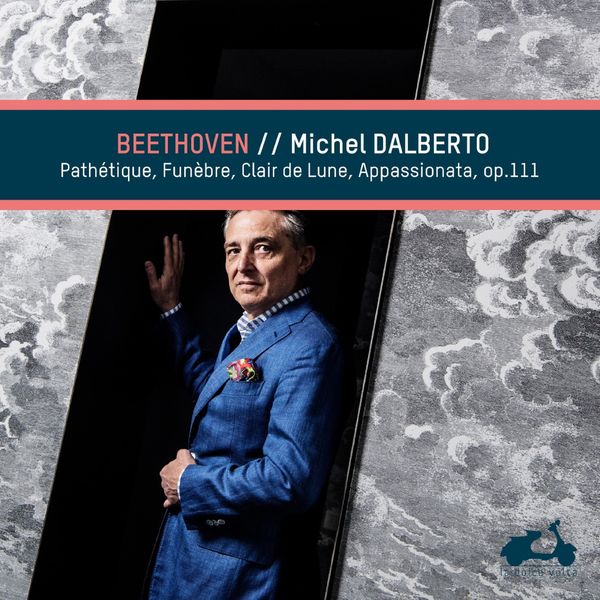
First category is “L’artiste de l’année”, winner is French pianist Michel Dalberto (I can’t help but notice that while Gramophone is a bit biased towards UK artists, Gramophone has the same for their local talent.)

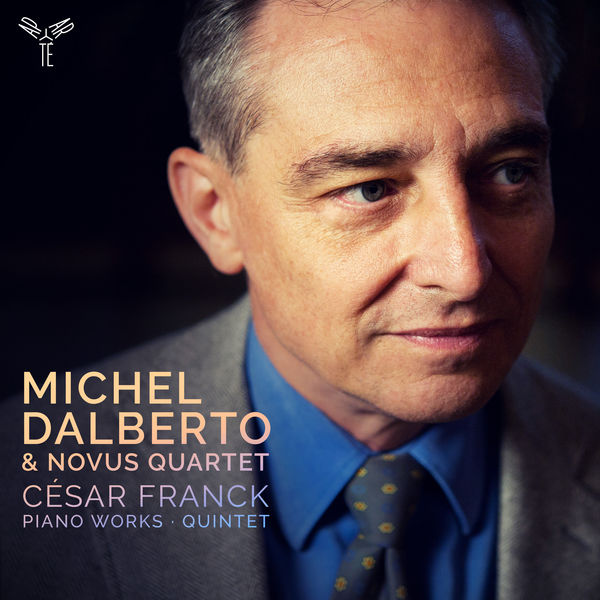
Two albums get a particular mention, his recent 2019 Beethoven sonata album on La Dolce Volta, as well as César Franck solo piano and chamber album on Aparte.

Beethoven Michel Dalberto Pathetique Funebre Claire de Lune Appassionata op. 111 Erato 2019
Michel Dalberto & Novus Quartet César Franck Piano works quintet Aparte 2018

I must admit I really don’t share their excitement for the Beethoven album. Sure, it’s not bad, but I’d clearly prefer others here (among recent choices, Levit, Perahia, Lewis).

The Franck album I haven’t really listened to a lot, he is one of those lesser known French composers that I just have much less experience with. But I’ll check it out more systematically in the future, and so should you.

Label of the Year

Label of the year is the French label Alpha, and here I fully agree. In 2019, the smaller dedicated labels like Alpha, Hyperion, BIS, Chandos, have just become so much more important that the old majors like DG, Sony, Decca, etc.

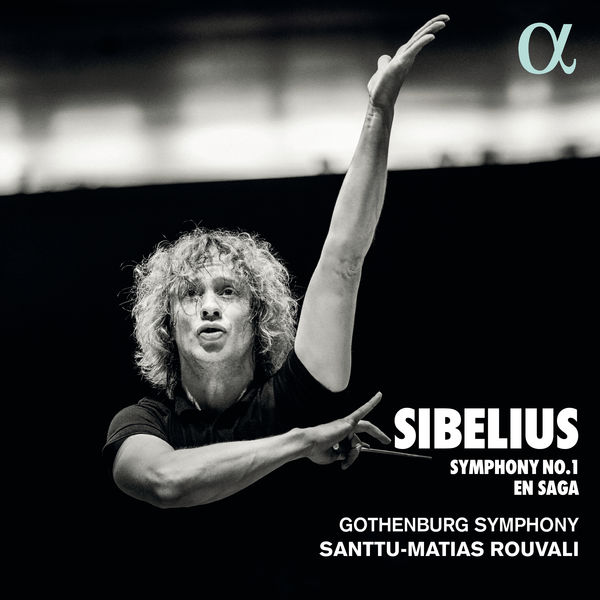
Among other albums they specifically mention Celine’s Frisch Well Tempered Clavier recording (my 5 star review here), and Rouvali’s Sibelius 1 (also featured in the Gramophone Award nominees).

Sibelius Symphony No. 1 En Saga Gothenburg Symphony Santtu-Matias Rouvali Alpha 2019

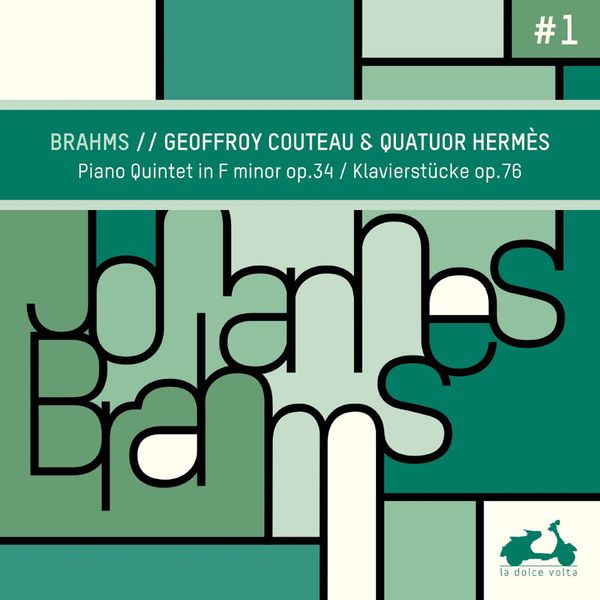
Brahms: Piano Quintet & Klavierstücke op. 76 – Quatuor Hermes & Geoffroy Cocteau – LaDolce Volta 2019

Brahms Geoffrey Couteau & Quatuor Hermes Piano Quintet F minor op. 34 Klavierstücke op. 76 La Dolce Volta 2019 24 96

I had already noticed this album earlier this year when I saw it got a Choc from Classica and a 5 star review from Diapason.

I have yet to fully review this album, but overall I like it quite a bit. Not sure if it is a full 5 star to me, but I promise I come back to this more formally. In any case, it is worth discovering.

François Xavier Roth

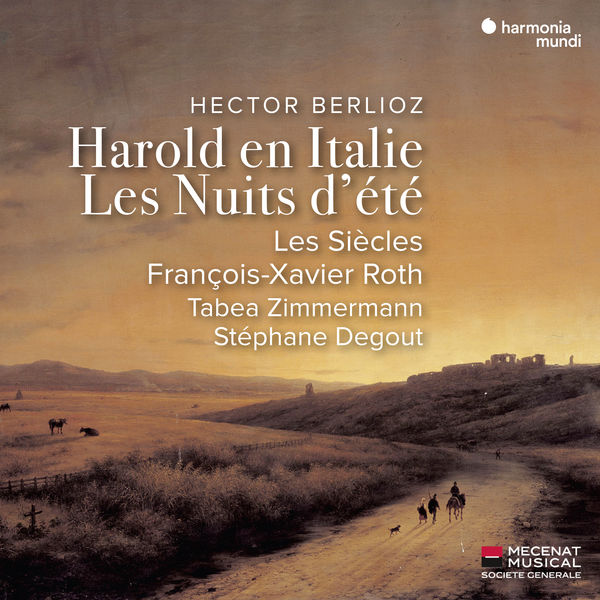
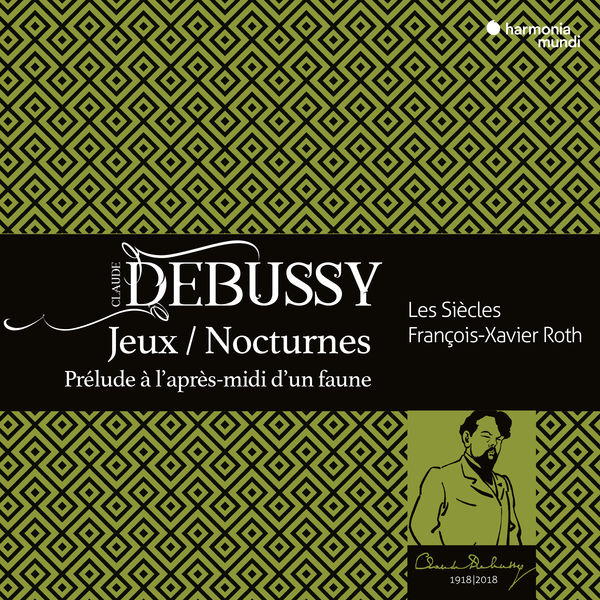
Roth gets even two mentions, with his Berlioz Harold en Italie, as well as the recent Debussy album.

Hector Berlioz Harold en Italie Les Nuits d'été Les Siècles François-Xavier Roth Tabea Zimmermann Stéphane Degout Harmonia Mundi 2019 24 96

I can’t really comment on the Berlioz, again I’m only slowly getting to know the broader French repertoire better.

But I fully agree that Roth is a great talent, and also like his Debussy album very much, which also was nominated for a Gramophone Award.

Debussy Jeux Nocturnes Francois Xavier Roth Les Siècles Harmonia Mundi 2019

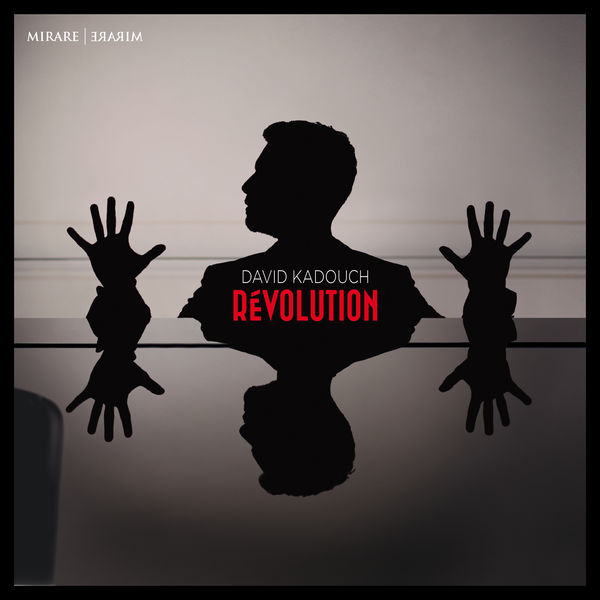
David Kadouch – Révolutions

David Kadouch Révolution 24 96 2019 Mirare

Here I really can’t comment, I’ve never heard of this album nor of this pianist before. Turns out he’s French as well (did I mention there seems to be some geographical bias somewhere).

In any case, the program of this concept album (obviously around the Revolution) is quite intriguing, from Dussek (yes, I also had to google him), via Beethoven, Chopin, Liszt, Janacek, Debussy, to Rzewski. I only quickly sampled works I know well, like the Chopin Revolutionary Etude, or the Scherzo no. 1, in both cases I wasn’t blown away. But don’t take this as a proper review, and have a look.

Rachmaninov – The Piano Concertos – Trifonov – Nézét-Séguin (DG 2019)

Daniil Trifonov Yannick Nézet-Séguin The Philadelphia Orchestra Destination Rachmaninov - Departure Deutsche Grammophon 2018 24/96
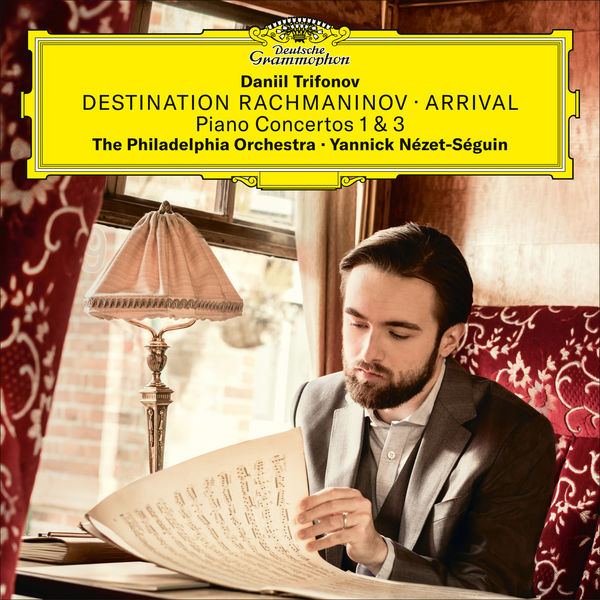
Destination Rachmaninov - Arrival - Piano Concertos 1 & 3 Daniil Trifonov Yannick Nézéz-Séguin The Philadelphia Orchestra Deutsche Grammophon 2019 24 96

While I absolutely loved Trifonov’s recording of Rach 2, and was right at predicting that this would be a very controversial version, I still haven’t been able to properly review his approach to Rach 3 (sorry I typically disregard Rach 1 and 4) which was released quite recently.

Classica praises both of them, but I honestly would caution you before you buy the Rach 3 blindly. I can’t put my finger on it, but something is there that I just don’t like as much. I’d be very curious to hear your opinions. Personally, I rather stick to other versions like Leif Ove Andsnes with the LSO.

Two Gounod Operas

Gounod, yet another composer I barely know. A good friend of mine loves his Faust, but to this day, I really haven’t found my way around this composers’ work.

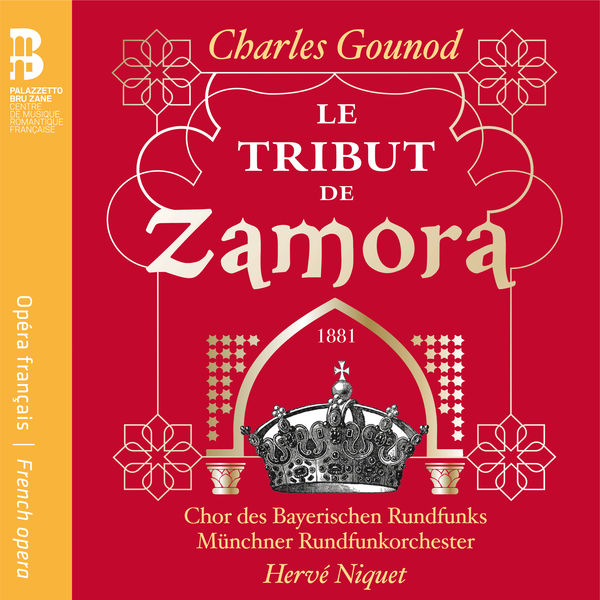
Let me nevertheless mention the two operas here that Classica likes, they clearly know more about French composers than I do. Both come from conductors I personally like very much, Hervé Niquet and Christophe Rousset, you probably won’t go wrong with any of these recordings.

Le Tribut de Zamora Charles Gounod Hervé Niquet Chor des Bayerischen Rundfunks Münchener Rundfunkorchester
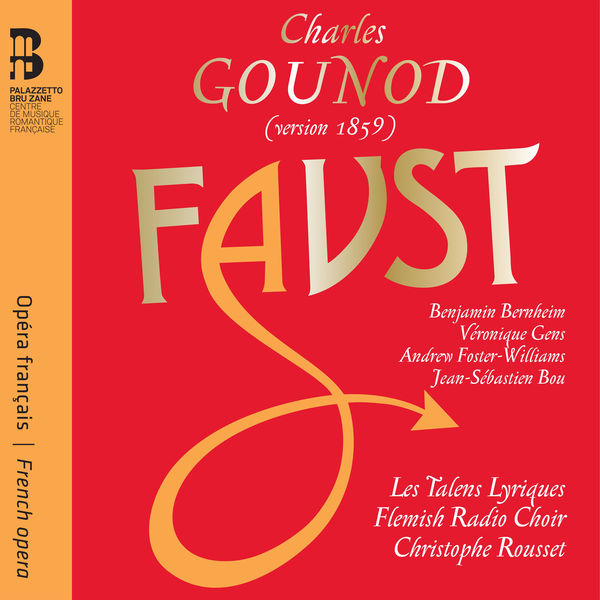
Gounod Faust version 1859 Les Talens Lyriques Flemish Radio Choir Christophe Rousset Faust

Look out for part II of this blog post in the next days. You’ll find it here.

You can find the new albums of this blog post here (Qobuz), or in the link to the original review.

Michel Dalberto – Franck

Quatuor Hermes – Brahms

Roth – Berlioz

Kadouch – Révolution

Trifonov – Rach 3

Niquet – Gounod

Rousset – Gounod

Igor Levit’s Fascinating Complete Beethoven Cycle

This is not a “review”

Let me be clear from the start, this is not a formal “review” as I normally write them. I find it impossible to properly review all 32 sonatas, as I simply don’t have enough references for every single one of these fascinating works.

I must admit that to this day although I listen to them a lot in the complete cycles of e.g. Kempff, Arrau, Brendel, Goode, or Lewis, but there are still some of the lesser known sonatas that I really don’t know that well yet.

But I still want to bring this cycle to your attention, and am pretty sure you won’t regret checking it out.

Igor Levit

Igor Levit has been mentioned over and over on this blog. It is no secret I’m a big fan. He’s been mentioned in the list of My Top 10 Favorite Classical Pianists, and I’ve already written about most of his recordings, be it the Bach Partitas, his Goldberg & Diabelli variations, or his recent, very personal album Life, and he’s pretty much consistently every year made the list of my top classical recordings of the year.

I’d also already mentioned his recording of the late Beethoven sonatas, the recording that put him on the map as one of the most promising young artists.

Levit decided not to re-record the late sonatas he previously released, so if you have the “old” album and now by the new box, you’ll have some redundancy.

Beethoven: The Complete Sonatas – Igor Levit (Sony 2019)

Igor Levit Beethoven Complete Piano Sonatas Sony Classical 2019 24 96

I recently had the pleasure of seeing Levit perform some of these sonatas live. At the 2019 Lucerne festival, he in a series of concerts has played all of the sonatas live, I’ve attended one of these concerts.

This was already an impressive performance. The studio recordings follow a very similar approach.

One this is for sure, Levit’s approach will never leave you bored. He often chooses quite extreme tempi, going quite slow or breathtakingly fast in some parts.

Therefore, to me this is one of the most exciting new Beethoven releases in recent years.

Gramophone agrees, giving this the Editor’s Choice, Jed Distler on Classicstoday calls it “significant and stimulating”, giving it a 10/10 rating, and most other professional reviewers agree that this is a cycle worth having.

To conclude, no formal rating from my side this time, just a very strong “check this out” message from my side, which in the days of streaming, is easier than ever. I really don’t think you’ll be disappointed!

Really looking forward to your opinions this time.

You can find it here (Qobuz)

2019 Gramophone Awards – And The Winners Are…

Gramophone has just revealed the 2019 award winners here. Let’s have a look at how my predictions turned out.

Concerto

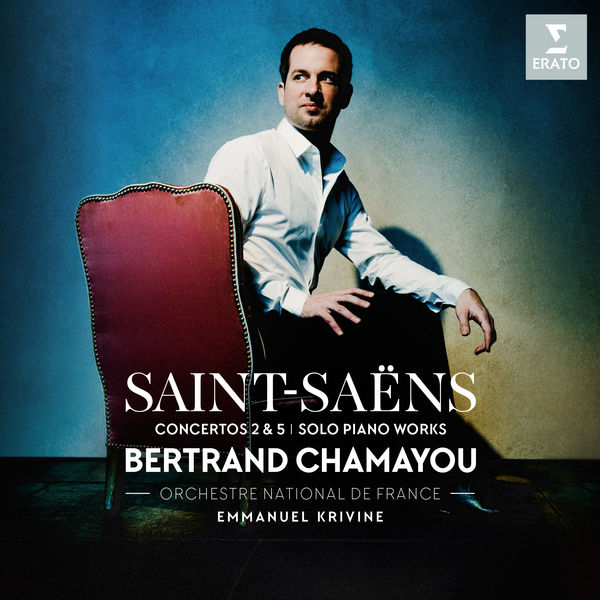
Saint Saens Concertos 2& 5 solo piano works Bertrand Chamayou Orchestre National de France Emmanuel Krivine Erato 2019 24 96

Chamayou’s recording deserves the price. (As I predicted in my post, though my personal favourite would have been Isabelle Faust Bach album which I love).

Orchestral

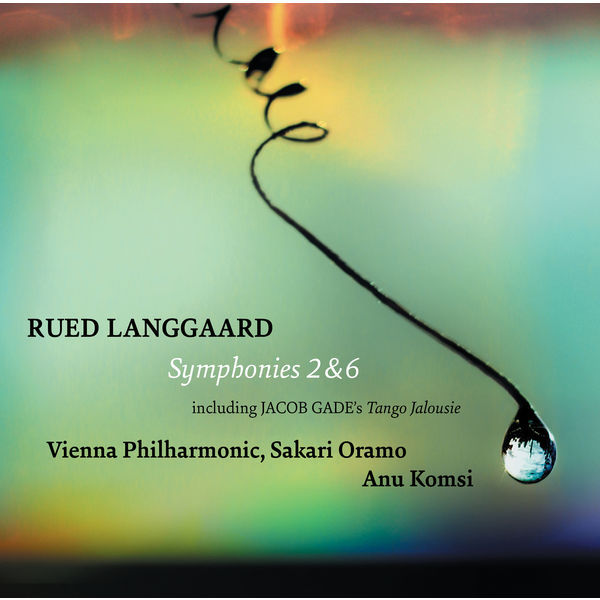
Rued Langgaard Symphonies 2 & 6 Vienna Philharmonic Sakari Oramo Anu Komst Dacapo 2019

Gramophone went with the Langgaard recording, while my personal preference would have been for the Sibelius, I predicted again that this album would win (sorry for all the bragging). And it is a really interesting discovery. Not sure it will make my personal top 5 for 2019 though.

Chamber

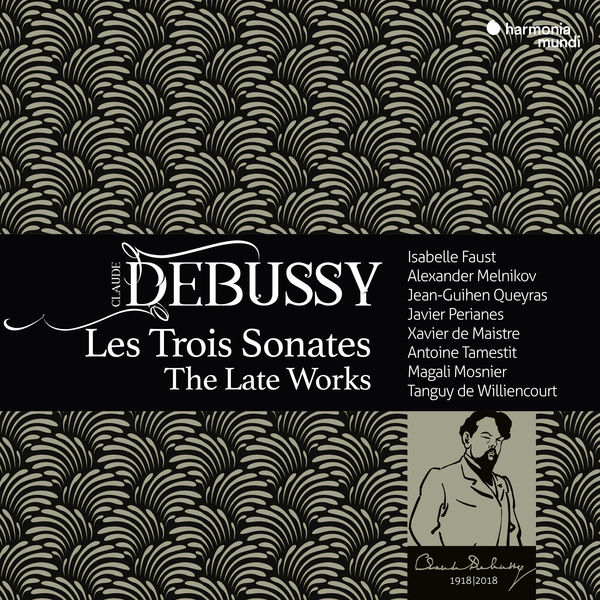
Debussy Les trois sonates The Late Works - Isabelle Faust Alexander Melnikov, Jean-Guihen Queyras, Javier Perianes, Xavier de Maistre, Antoine Tamestit, Magali Mosnier, Tanguy de Williencourt Harmonia Mundi

So Isabelle Faust did win another award after all, just in a different category. I agree this album is very good. Here my prediction was completely off (can’t win all the time…)

Instrumental

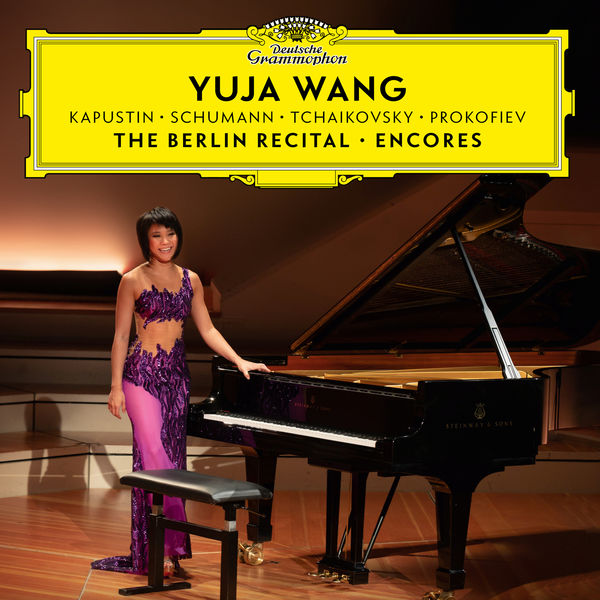
Yuya Wang The Berlin Recital Encores Deutsche Grammophon 2019 24 96

And yes, 3/4 predictions correct! (last time bragging, promised!). In any case, Gramophone was spot on when they said (much better than I could ever have, there’s clearly an advantage to being a native speaker…) “Anyone hitherto more put off than drawn in by Yuja Wang’s glamorous image may have to do some rethinking in the light of this recital.”

So, with such a success rate, Grammophone, do you have a job for me? (Just kidding, I’m happily employed in a completely unrelated industry).

Take home for you as a reader: get the Wang & get the Chamayou. And sure, also get the Debussy while you’re at it. You won’t regret any of these purchases, I promise.

And if you disagree, just let me know in the comments (I don’t offer any money back guarantee though, that’s why we have streaming in 2019…).

My reflections on the 2019 Gramophone Awards part IV – Instrumental

This is another favorite category of mine, as typically it is mainly piano recordings.

This year, interestingly enough a solo violin recording starts the selection, Giuliani Carmignola’s recent recording of the Bach Sonatas and Partitas. I’m really puzzled by this choice. Let me make it clear, I really like Carmignola (his Four Seasons are among my absolute favorites), and I also love the solo sonatas and partitas. However, Carmignola’s version sounds completely “wrong” to me. I know this is a very unspecific remark, and I’m not going to dwell on it, as this won’t be helpful for my readers. But I’ll stick with Milstein anytime.

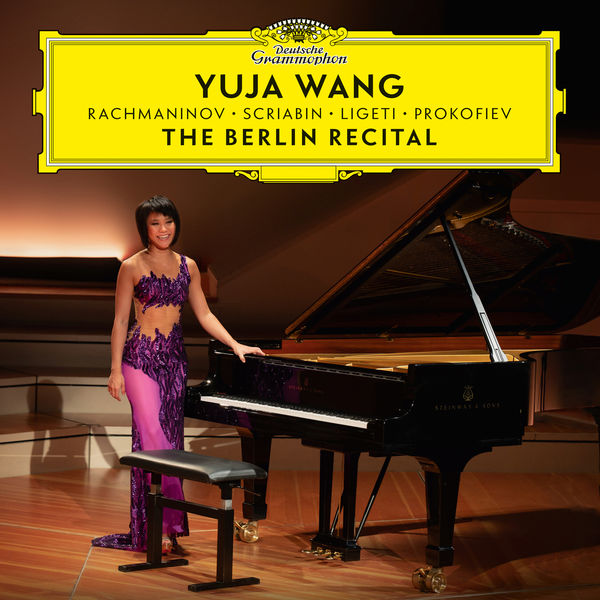
So let’s rather go directly to the recording that is most likely going to make my Top 5 Classical albums of the year 2019, and that I sincerely hope will win this category: Yuja Wang’s fantastic Berlin recital.

Yuja Wang The Berlin Recital Rachmaninov Scriabin Ligeti Prokofiev 24 96 Deutsche Grammophon 2018

As you can see from my review, I really love this album. It has completely changed my perception of Wang as an artist. This recital combines a fantastic selection of repertoire, a playing that is both nuanced and passionate.

I’d like to thank my reader Ed for his comment on the article flagging the extra album of the 4 encores she played at this concerto. This is a must have as well. You could argue with DG why they simply didn’t include this into the main album, but in any case this 4 track album is very cheap, and a must have.

Yuya Wang The Berlin Recital Encores Deutsche Grammophon 2019 24 96

Next in line is another favorite artist of mine, Igor Levit. I haven’t yet formally reviewed his latest recording of the Beethoven sonatas, but have seen him play a selection live at this year’s Lucerne festival, and can already say his set is worth checking out. You may not like all his choices, especially on his sometimes extreme tempi, but this will be a worthy addition to the long catalogue of complete sonata recordings, more to come).

But Gramophone focused on Levit’s other release in the last 12 months, his very personal album “Life”.

I’ve reviewed it here, and if you haven’t done so yet, you should absolutely check out this five star gem.

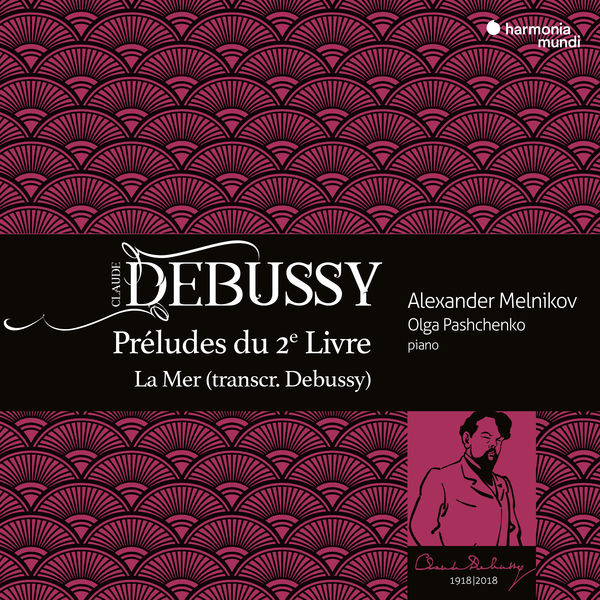
I’ve only just started listening to another recommendation of this selection, Alexander Melnikov’s recording of Debussy’s 2nd book of Préludes.

Debussy Préludes du 2e livre La Mer Alexander Melnikov Olga Pashchenko Harmonia Mundi 2018 24 96

As you know, I’m far from being a Debussy expert, I typically just go to my complete Debussy recordings by Jean-Efflam Bavouzet, but my first impression of this album is very positive. What is very interesting about this recording is the sound of the piano, an Erard, presumably from the time of Debussy. Melnikov has recorded quite a bit on period instruments, and it truly gives a different color and perspective.

I can’t comment on the two other albums that made the original 6 album shortlist, Steven Osborne’s recording o fthe late Beethoven sonatas, and Stephen Hough’s “Dream Album”, as Hyperion still refuses to stream and I refuse to buy albums blindly.

Now, as you know in the meantime Gramphone has narrowed down the shortlist from 6 to 3 albums. The finalists are Carmignola, Wang, and Levit.

I’m willing to bet that Wang will be the winner this year, and it would be well deserved!

I presume this will be the last part of this year’s mini-series on the Gramophone Awards. Maybe I’ll do one more post on the remaining categories lumped together (Choral, Contemporary, Early Music, and Opera, Recital, Solo Vocal) if I find time, but I’m much less comfortable and familar here, so let’s see. So most likely you’ll hear back from me on the Gramphone Awards once the winners are announced on October 1st.

What do you think? What would be your favorites among all these albums?

My reflections on the 2019 Gramophone Awards Part III – Chamber

Chamber is a particularly rewarding catogory for the Gramophone awards this year, at least from my perspective. Out of the 6 initially shortlisted (now narrowed to 3, see below), I fully support and like 5. Nice quota.

So let’s take them one by one:

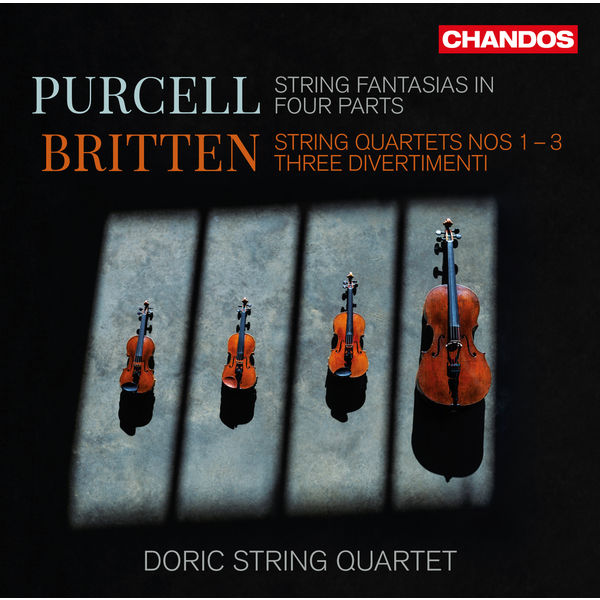
Britten’s string quartets played by the Doric quartet is the only album I’m not going to comment about. I like the Doric as an excellent quartet, but Britten is a composer I just don’t get. Probably again, mainly due to my general issue with 20th century music.

Britten Purcell String Fantasias in four parts String quartets no 1 - 3 Doric String Quartet Chandos

Another 20th century album that I had completely missed comes from Debussy (a lot of Debussy recordings due to the 100 years of his death in 1918). We’re talking about an album called in a nice international mixture Les Trois SonatesLate Works. Not sure how I missed this as it features my heroine, Isabelle Faust. I’ve only started streaming it over the last few days but really like it. Also look at the list of musicians, Queyras, Melnikov, Perianes. Wow! Expect a more detailed review, but in any case, this is really promising!

Debussy Les trois sonates The Late Works - Isabelle Faust Alexander Melnikov, Jean-Guihen Queyras, Javier Perianes, Xavier de Maistre, Antoine Tamestit, Magali Mosnier, Tanguy de Williencourt Harmonia Mundi

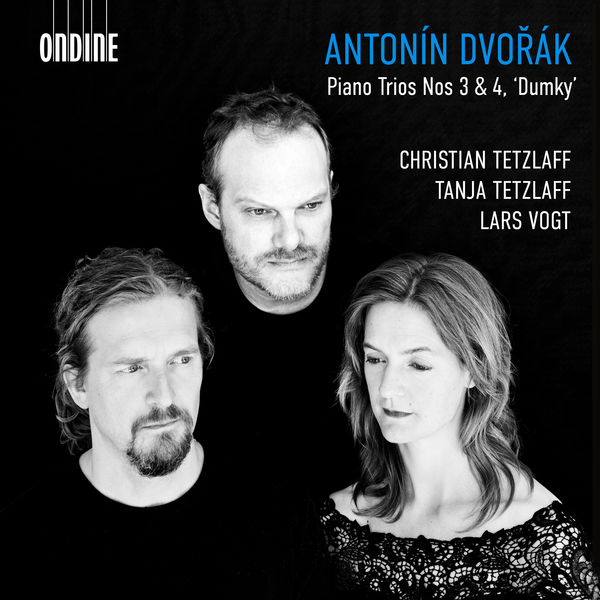
Next on the list is another favourite of mine, Christian Tetzlaff and his sister Tanja and Lars Vogt on piano playing the piano trios no. 3 & 4 by Antonin Dvorak.

This trio is truly fantastic, having recorded some outstanding Brahms albums previously, and from the first bars of this album it is very clear this new release is also very special. Dvorak isn’t part of my most core repertoire, but this album could easily make it into heavy rotation on my computer.

Antonin Dvorak Piano Trios No. 3 & 4 Dumky Christian Tetzlaff Tanja Tetzlaff, Lars Vogt Ondine 2019

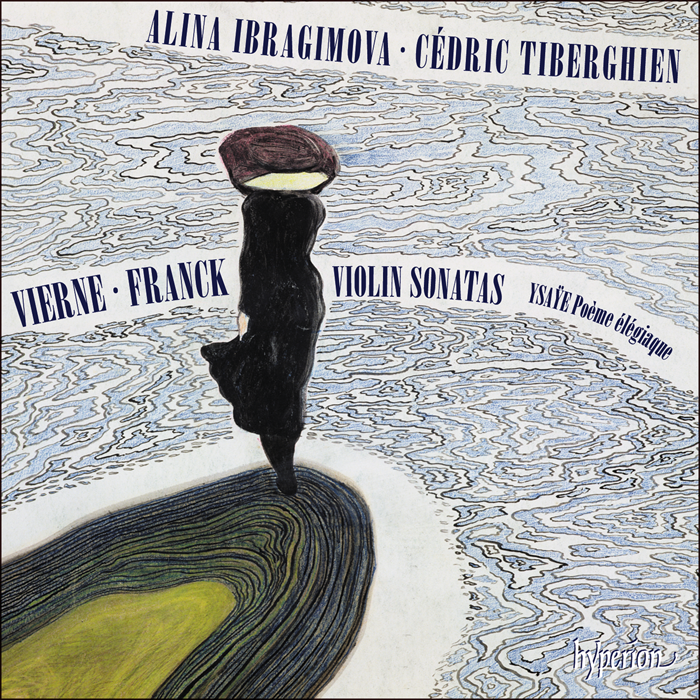
I have a special relationship to the next album as well, given that I’ve seen the artists perform it live in concert. Alina Ibragimova and Cédric Tiberghien, two fantastic artists on their own, but even more special as a perfect duo. The composers on this album, Franck, Vierene, Boulanger and Ysaÿe are less known, but the music is very much worth discovering. The two of them have also recently recorded the Brahms sonatas, and I’ll probably have to get my credit card out soon.

Vierne Franck Ysaye Violin Sonatas Alina Ibragimova Cedric Tiberghien Hyperion 24 96 2019

“Papa Haydn” really isn’t my favourite composer. That said, his symphonies are being freshly recorded by Giovanni Antonini (see here), his string quartets are fantastic, and his trios are also really worth exploring.

The French Trio Wanderer has recorded some very good albums before, check out their complete Beethoven trios for example. What is there to say, beautiful playing, charming music, a treat!

Joseph Haydn Piano trios Trio Wanderer 24 96 2019 Harmonia Mundi

And, to wrap up the list of the 6 shortlisted albums, Shostakovich.

I must admit I’m still new to most of Shostakovich’s oeuvre, and finding my way through the very special world of this composer. But I’ve recently acquired the piano quintet which is really worth discovering. I bought the version by the Takacs Quartet with Marc-André Hamelin on Hyperion, but the album selected here was truly the best alternative and I probably will add it to my collection soon.

We’re talking about the Belcea quartet, with Piotr Anderszewski. You also get String Quartet no. 3.

Shostakovich String Quartet No. 3 Piano Quintet Belcea Quartet Piotr Anderszewski Alpha 2019 24 96

So, out of the 6 albums above, which ones made the shortlist of the shortlist? Let’s make it short (sorry for the bad pun): the Britten, Debussy, and the Franck. Given Gramophones slightly patriotic tendencies, I’m willing to bet that the Britten album will win, but I’d prefer Faust or Ibragimova to get the price. We’ll know more soon.

Overall, a very strong selection this year, or what do you think?

My reflections on the 2019 Gramophone Awards Part II – Orchestral

This is part II of my mini-series on the 2019 Gramophone awards. I need to hurry up with my posts, as the winners will be revealed early October. You’ll find part I (concerto) here.

Orchestral

This is another section where I normally feel very much at home with.

That said, this year this comment will be quite a bit shorter as there is only one selected album that I can actually comment on.

Let me quickly start by skimming over the recordings that Gramophone selected that I won’t be writing about, as I don’t feel qualified enough or don’t know them:

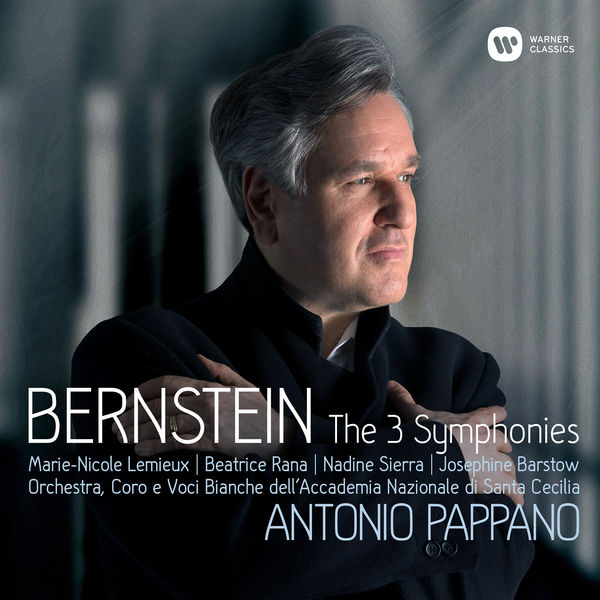
The recommendations start with a box of Bernstein orchestral works played by Antonio Pappano with his Accademia Nazionale di Santa Cecilia. As much as I appreciate this conductor, I really can’t comment here as Bernstein really isn’t my cup of tea (both as a composer and conductor with few exceptions).

Bernstein the 3 symphonies Antonio Pappano

The next one is an album I should be going back to more in-depth for a review, orchestral works by Debussy played by François-Xavier Roth with his Les Siècles. As I mentioned here, I like the conductor quite a bit, and I had a very good impression when I briefly checked this album out when it was released, but then left it for quite a while given that Debussy isn’t my core repertoire (I mentioned before that the 20th century isn’t my favourite).

Debussy Jeux Nocturnes Francois Xavier Roth Les Siècles Harmonia Mundi 2019

Talking about the 20th century, the next album is also from this era, as it is Langgaard’s 2nd and 6th symphony by Sakari Oramo and the Vienna Philharmonic. I must admit I had skipped this so far, but I’m streaming it right now as I write this and will have to have a closer look, as I like what I hear. So I recommend checking it out as well.

Rued Langgaard Symphonies 2 & 6 Vienna Philharmonic Sakari Oramo Anu Komst Dacapo 2019

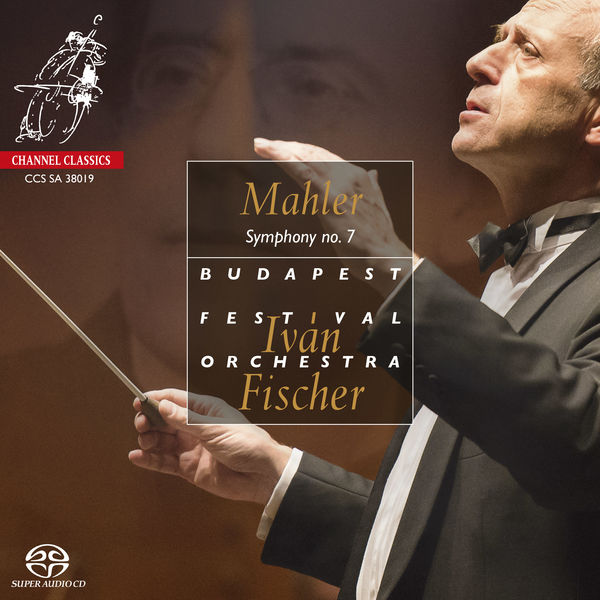
The next one is Ivan Fischer’s Mahler 7. Fischer’s Mahler recordings are often love it or hate it affairs (see my article here on his 9th). Personally, I like his 1st and 4th symphony recordings, even if they are a bit “middle of the road”, but his approach to the 7th doesn’t blow me away. I’d rather stick with Klemperer on this one, but don’t consider this a formal review, as I’m really no expert on the later Mahler symphonies.

Mahler symphony no. 7 Budapest Festival Orchestra Ivan Fischer Channel Classics 2019

The final album of the list is Stenhammar’s 2nd symphony with Herbert Blomstedt and the Gothenburg Symphony Orchestra. I have a huge respect for Herbert Blomstedt, but Stenhammar’s work is again really not my cup of tea. Another 20th century composition (there seems to be a pattern in this years Concerto awards category), so don’t expect me to comment here.

Stenhammar Symphony no. 2 serenade Gothenburg Symphony Orchestra Herbert Blomstedt BIS 2019

OK, so after this long rambling section talking about stuff I really don’t know much about, let me write about the only album from this list that I actually have listened to several times.

Given the pattern of the other nominated recordings it had to be either late 19th century or 20th century. This selection fits, as we’re talking about Sibelius 1st symphony, composed in 1899.

Sibelius Symphony No. 1 En Saga Gothenburg Symphony Santtu-Matias Rouvali Alpha 2019

I’ve mentioned in my review of Sibelius’ violin concerto, I still struggle really getting into Sibelius symphonic works. So this album, by young Finnish conductor Santtu-Matias Rouvali, was an eye-opener for me. Similar to Petrenko’s recording of Tchaikovsky’s Pathétique, this recording really made me more interested in Sibelius. I hope he’ll record more.

Congrats to the Gothenburg Symphony for being featured twice in this selection.

As usual, I’d love to hear what you think. Any feedback, any different opinions on the presented works?

Update Sep 19: I just noticed that in the October issue of Gramophone only 3 albums remain shortlisted: the Bernstein, the Langgaard, and the Stenhammar. My personal preference among these three would go to the Langgaard.

Update Sep 26: As I mentioned above, Mahler reviews are even more inconsistent than others. The French magazine Classica, who when in doubt I often agree with more than with Gramophone, gives the latest Fischer Mahler 7 only 3 stars, which is much closer to my opinion.

Classical Life

A classical music blog by music critic Tim Mangan

This Week's Music

Making Classical Accessible

From my Macbook to the Net

Evaporation of my thoughts and observations

Elestra

Author: Artienne

My Life in Music

Playing, Singing and Listening

ArsX3

A brand new journal reviewing books, cinema, music

LawrenceEz's Blog

Creative and Performing Arts: Writing, Classical Music, Photography

Laetitia Strauch-Bonart

Contemporary Politics & Culture

sibling revelry

reveling in all things classical

It's A Raggy Waltz

I collect jazz on vinyl, I dig the Dave Brubeck Quartet, & I write about it

La Musica

By two cousins

thejazzbreakfast

Dishing it out from the heart of England

only jazz

random thoughts about music that matters to me

The Culture Project

Exploring the world of literature, wine, art, music and more.

René Spencer Saller

The music causes me to dream of fabulous empires, filled with fabulous sins.

Breaking Baroque

Blog of Tafelmusik Baroque Orchestra and Chamber Choir

Tasting Nirvana

Eating your Dosha

Shadow of Iris

Poetry, fiction, short stories, more ...

The Immortal Jukebox

A Blog about Music and Popular Culture

April Greene

Writer + Editor

a pianist's musings

A history of your favorite classical music.

Classical music for all

Boris Giltburg's blog

I HEAR VOICES

An orchestra seat in the web space