My Favorite Versions of Bach’s Christmas Oratorio

Christmas Music

Only three weeks left until Christmas. Usually, during this time there are three unavoidable things: Some singer releasing a Christmas album (that reminds me that I need to write a post about my favorite Jazz Christmas albums, watch this space), you hear Wham again on the radio 5 times per day, and most households that have some form of love for classical music play the Christmas oratorio, in a similar frequency to the Last Christmas repetitions on popular radio.

I’m very similar, during the month of December the Oratorio gets played at least 10-20 times. I wonder myself why I still like it. But let’s face it, this is Bach, and you can never get too much Bach.

Listening to this work you’re best of when you speak at least some German, as you get the entire beautiful Christmas story told to you by the Evangelist, but if you don’t, either get the booklet or just enjoy the music

(Side note: I’m not religious, but having grown up in a Western country Christmas has become more of a family tradition than a religious event for me like for many others).

Gardiner / Monteverdi Choir (DG Archiv 1987)
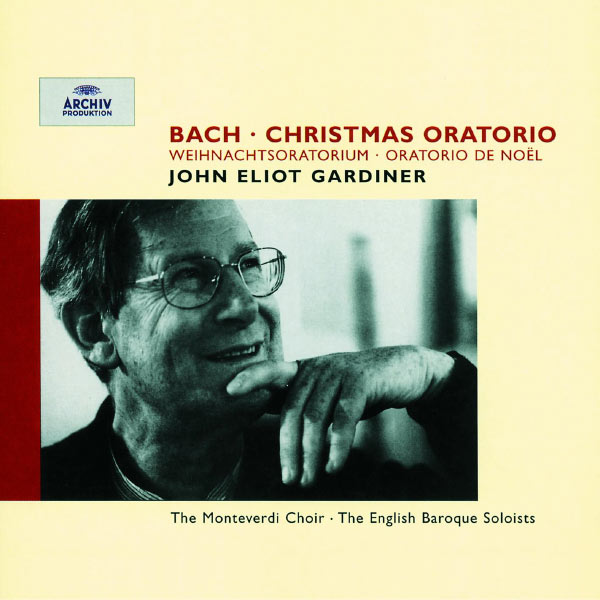
Bach Christmas Oratorio John Eliot Gardiner Monteverdi Choir English Baroque Soloists DG Archiv 1987

Gardiner’s version from 1987 is probably the best known, and it is still my favorite version. I’m not sure if my preference isn’t biased by the fact that I’ve heard it so much over and over again, but Gardiner plays with so much drive and energy, that although I must have heard this hundreds of times, it still doesn’t get boring.

There are obviously many alternatives.

Philippe Herreweghe (Erato 1992)

One of my favorite alternatives around is also a bit older. Philippe Herreweghe’s version is a bit more mellow than Gardiner, but still has all the beauty in both playing and singing.
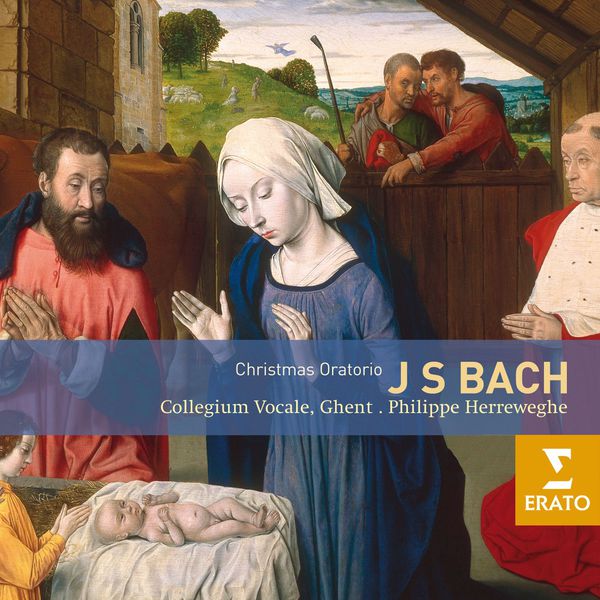
Bach Christmas Oratorio Philippe Herrweghe Collegium Vocale Ghent Erato

I have listened to a number of more recent versions, but still go back to these two above most of the time. Among the more recent alternatives I’ve tried are Mazaaki Suzuki (polished, but a bit too behaved), Diego Fasolis (really fast, not my cup of tea), and Gramophone’s favorite version, Harnoncourt 2nd version on Deutsche Harmonia Mundi (good but I like both versions above better).

My rating: 4 stars for both (I’m still waiting for the perfect version, but both come pretty close)

You can download the Gardiner here (Qobuz) and the Herreweghe here (Qobuz again)

Nearly (But Not Quite) Perfect – Gardiner’s New Recording of Bach’s B-Minor Mass

Bach’s b-minor mass was the subject of one of my first blog posts nearly six months ago. I just love and admire this monumental work of beauty.

John Eliot Gardiner

I’m also a big fan of Gardiner. Many of his recordings with the Orchestre Révolutionnaire et Romantique of the classical and romantic symphonies are outstanding (e.g. his Schumann cycle), and his entire Bach cantata cycle with the Monteverdi choir is among my favorite versions.

The 2015 recording of the B-minor Mass (SDG 2015)

So when Gardiner released a new recording of the b-minor mass (his first dates back to 1985 for Deutsche Grammophon, still early days for the historically informed practice movement) I was all ears and have listened to it now for several times.

Obviously, a lot of thought and the experience gained from the entire cantata cycle went into this new recording (there is a great article about it in the November 2015 issue of Gramophone).

Bach: Mass in B-Minor - Gardiner (2015) - SDG

How does it compare to my reference version, Herreweghe’s 2012 recording? Well, it’s really very good, but doesn’t replace it. Let me try to explain why.

With this monumental work, one thing you need to get right is the balance between power and nuance. The old recordings of the 1960s and 70s (e.g. Otto Klemperer’s legendary version, or Karl Richter) are powerful grandiose affairs, and then you have other versions that very much limit the number of singers, resulting in a very light and transparent sound.

Gardiner choses something more on the lighter side (approx 30 singers), and also goes for a very clear and natural orchestral playing.

And here we get to the only minor bit of criticism to the otherwise beautiful and near perfect recording, very occasionally, I’d just like a little bit more power and brilliance, exactly what Herreweghe does.

Basically, the little additional sparkle, which he so often has in his cantata cycles, but here it feels somehow a little bit held back, not going at their full power.

Enough nitpicking, this is an excellent recording, and really worth checking out. But I’m in love with Herreweghe and will stick to his version for the moment.

My rating: 4 stars

You can download it here (Qobuz) or here (Prostudiomasters)

UPDATE Dec 5: Gramophone really likes this album and gives it an Editor’s Choice in the December 2015 issue

Bach / Beethoven / Rzewski – Igor Levit Attacks Goldberg and Diabelli – Wow!

Wunderkinder?

The classical music scene, like all other entertainment industries, likes hypes. Quite often those are a bit fabricated, and at a closer look tend to disappoint (sorry, Lang Lang), or their presence in the limelight is very short-lived just to be replaced by the next wunderkind. And I’m afraid, the big classical labels have their share of the blame (well, they have to sell their stuff, too).

That said, in this long list of young stars and starlets, every once in a while you’ll find a true artist. I’ve already written about Rafal Blechacz and Benjamin Grosvenor, both of which will end up in the pantheon of the best pianists of the 21st century, I’m willing to be a lot of money on that.

Igor Levit

My third name in the triumvirate of 21st century giants is Igor Levit. I’ve already praised his outstanding partitas here, and his first album, the late Beethoven sonatas, is also exceptional.

Levit was born in Russia but moved at the age of 8 to Hanover, Germany, where he lives to this day (why somebody would stay in what is probably the dullest city in Germany escapes me, but at least nothing there distracts him from practicing, which is good for the rest of us).

He has now released his third album, a massive 3 CD affair (or what used to be 3 CDs in the pre-download area). It takes some guts to start your recording career on nothing less than Beethoven’s late piano sonatas at the age of 26. Well, with his latest release, he doesn’t attack only one, but two of the absolute summits of the piano repertoire, the Goldberg AND the Diabelli variations. So will he lose his breath in this Himalaya?

Goldberg and Diabelli

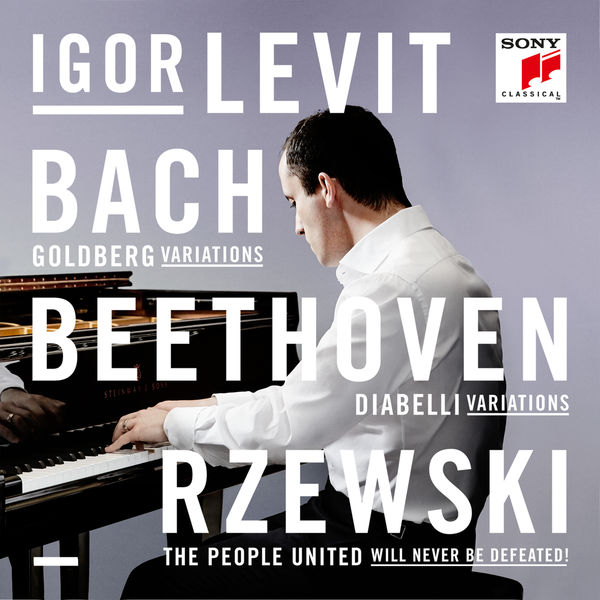
Igor Levit Bach Goldberg Variations Beethoven Diabelli Variations Rzewski The People United Will Never Be Defeated Sony 2015

I’ve already shared my preference on both (see here for the Goldberg’s and here for the Diabelli’s), so how does Levit compare to Hantaï, Schiff, and Staier?

Well, let’s make it quick: this is yet another outstanding album. His Goldberg’s are really among the best I’ve ever heard on modern piano. All you Gould lovers out there, check this out! Really. You may miss Glenn’s humming, but honestly there is nothing else to miss here.

Levit plays with astonishing precision, but at the same time you just hear every note is just there, just at the right moment, with just the right weight. This immediately becomes my go-to version on modern piano (although I still prefer harpsichord here, so will remain loyal to Hantaï nevertheless).

Now to the Diabelli’s. I’ve already given my preference with Schiff’s ECM recording and Staier on pianoforte. And now I immediately have to add this recording to this list.

Again, what wins me over immediately is the precision and timing. And don’t get me wrong, just because I mention precision so much doesn’t mean this is heartless robot playing. To the contrary.

Just to quote some examples: On the slow variations 14 and 20, time just seems to stop. For a moment you are in a different time and space. Absolutely absorbing.

Or take variation 21. moving from fast to slow all the time, which on some recordings can make you feel a bit sea-sick. Not here, any tempo change just comes along completely natural.

You get a glimpse of his virtuosity in the breathtaking speed of variation 27. But Levit is anything but your classical virtuoso, he uses his outstanding technical capabilities only for purely musical purposes, never to impress (although I’d be very curious to hear Levit eventually moving away from Bach and Beethoven and attack Rachmaninov et al, unfortunately he’s already said he doesn’t want to play Chopin as Blechacz does it so well).

I’m not going to comment on the Rzewski, I’m just completely incompetent to add any meaningful comment to any music that goes beyond traditional tonality. That said, this piece has enough moments that make me want to listen to more, which is more that I can say about a lot of other 21st century classical music.

So, overall, yet another absolute must have album from Levit.

My rating: 5 stars

UPDATE Nov 6, 2015: Gramophone agrees with me and gives this album a “Recording of the Month”.

UPDATE Nov 29: My other preferred classical review magazine, Classica, is also pleased and gives this recording 4 stars.

You can get it here (Qobuz) and here (Prestoclassical)

The Gramophone Awards Winners 2015

So, the cat is out of the bag.

Let’s see how my crystal ball did:

Baroque Instrumental

Let’s start with Baroque Instrumental: As I predicted here, David Watkin wins. Gramophone calls it a “definitive” recording, and I concur.

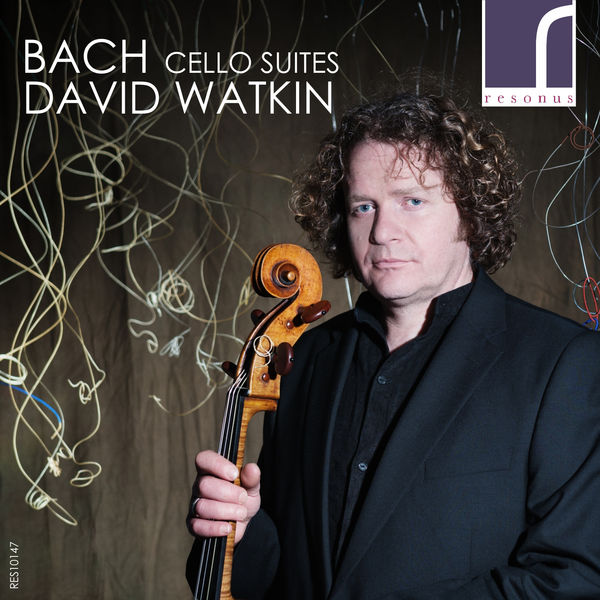
David Watkin Bach Cello Suites Resonus

Unfortunately, this is where my Crystal Ball stops working, or to put it otherwise my taste is not aligned with the panel at Gramophone.

Concerto

Let’s continue to Concerto.

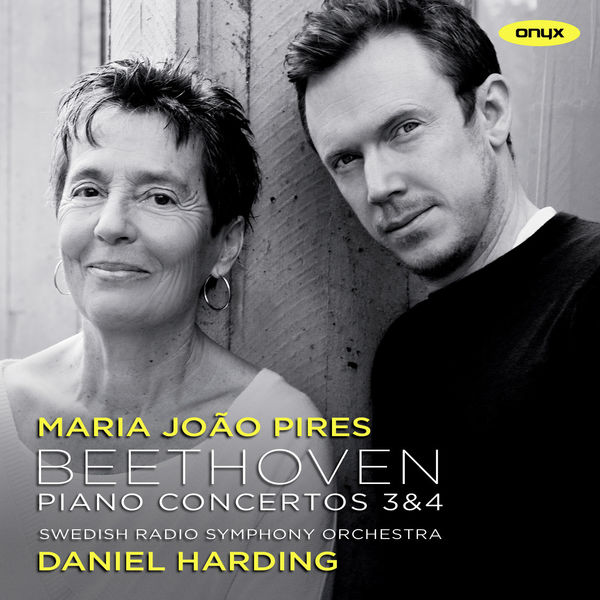
Beethoven Piano Concertos 3 & 4 - Maria Joao Pires - Daniel Harding - Swedish Radio Symphony Orchestra

Pires’ and Harding’s Beethoven wins. Well, as outlined here, this to me is a solid 4 star recording, but I’d have rather chosen both Weilerstein and Andsnes.

Chamber

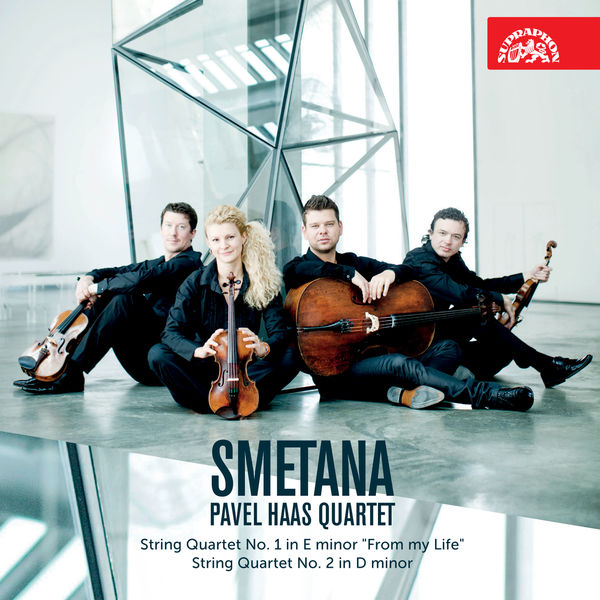
Smetana String Quartets Pavel Haas Quartet Supraphon 2015
I concur that the winning recording of the Pavel Haas Quartet is outstanding playing, it’s just the music that is less my cup of tea. But you really cannot blame the Pavel Haas quartet for that obviously.

Instrumental

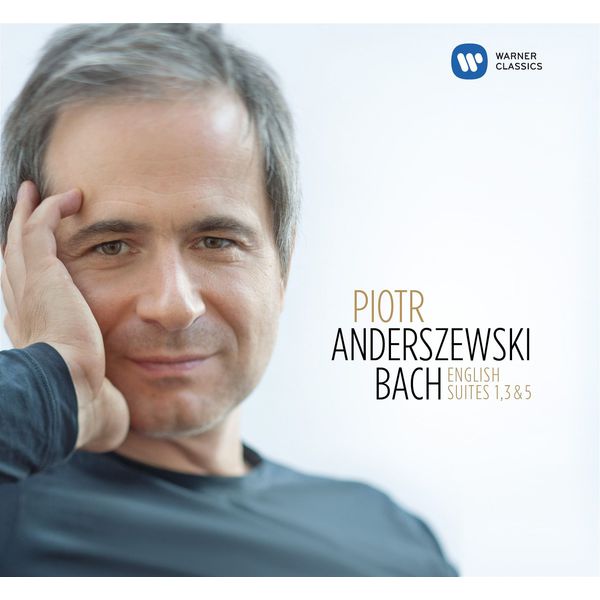
Piotr Anderszewski Bach English Suites 1 3 5 Warner Classics

Here I’m truly puzzled. I already wrote in my post that I wasn’t a particular fan of this album. How on earth this album could win over the magnificent albums of Levit and Grosvenor beats me.

Orchestral

One more comment on the Orchestral category, which I had kind of ignored as I’m not comfortable enough with Sibelius and Elgar to add value. Luckily, the only album that I actually know and like won:

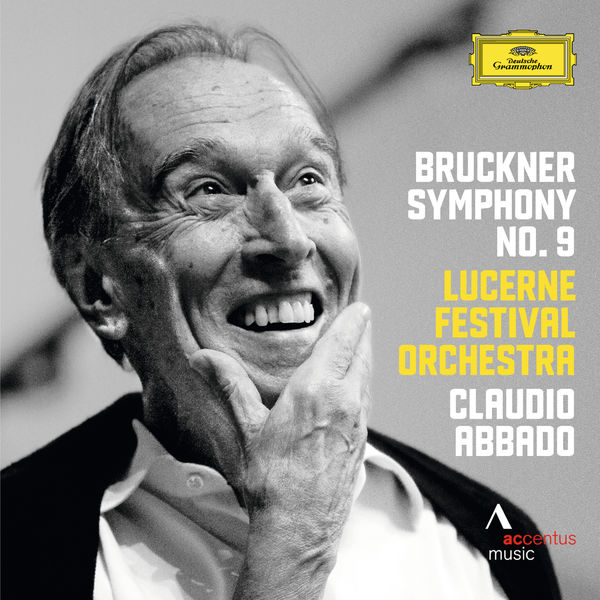
Anton Bruckner Symphony No. 9 - Abbado - Lucerne Festival Orchestra DG 2014

This recording from the Lucerne festival is really Abbado at it’s best. I wasn’t a universal fan of his time in Berlin, but he’s done magnificent recordings both with the Mahler Chamber Orchestra he founded and also in Lucerne. He will be missed!

Gramophone Award Nominees – Baroque Instrumental – A Quick Note Before It’s Too Late

The list of nominees in the Baroque Instrumental category looked less attractive to me this year, already driven by the fact that I didn’t own any of the listed recordings. Plus the fact that the list contains 3x Vivaldi, who isn’t very high on my priority list.

But given that the winners will be formally announced tomorrow, I had a quick rather unprofessional scan, and let me pull out my crystal ball here on who should win in my humble rather biased opinion. Please take this with a huge grain of salt, it is based on rather limited listening and even more on gut feel than my previous posts here (instrumental), here (concerto), and here (chamber), where I actually spent some decent amount of time listening.

Too much Vivaldi

Just looking at the nominee list, without listening to the albums, I would have predicted Rachel Podger to win, as I usually love what she does. Based on the snippets I heard, she does well on the Vivaldi, too. But I don’t care enough about Vivaldi to actually buy this album.

Same goes for the two other candidates with Vivaldi albums, which I quickly streamed. I didn’t particularly like the Venice Golden Age album, although I usually like AKAMUS a lot. Maurice Steger’s flute concerto sounds ocasionally like Papageno on speed, but actually is quite a bit of fun. I may end up buying this eventually just for the good mood.

I only quickly skimmed the CPE Bach album of Rebecca Millers approach to the symphonies, but this is not repertoire I listen to a lot (CPEs keyboard concertos with Staier are much better), and what I heard didn’t motivate me to go much further.

I like Mahan Esfahani’s work elsewhere, but Hyperion is another label not allowing streaming, so I didn’t properly listen to this one either. I’m also much less familiar with Rameau overall, so anyhow I wouldn’t be a good judge. Probably worth checking out.

David Watkin

So let me get to the positive surprise of this lot: David Watkin’s Cello Suites on Resonus. I must admit that initially I kind of thought to myself “Seriously, another recording of the Cello Suites is all what we need” (note that I’ve recently praised Steven Isserlis excellent recording here).

I even had missed all the praise in the press this recording had previously received, probably due to the same biased thinking.

David Watkin Bach Cello Suites Resonus

But then I started listening.

And honestly, I was very positively surprised, this version sounded incredibly “right” to me, intuitively exactly like it should have sounded. The historic cello he plays is probably part of it, I don’t know what it is, but if this recording doesn’t win in the category I’d be very surprised!

In less than 24h we’ll know more.

A Disappointment From Andreas Staier – How Can That Be? – My Review of the Bach Harpsichord Concertos

Andreas Staier

Let me start by pointing out that I’m a big fan of Andreas Staier. I’ve praised his Diabelli Variations here, I like his approach to Mozart and Schumann, as well as his album “Pour Passer la Mélancholie”. His 2012 album of the 6 piano concertos by Carl Philipp Emmanuel Bach is outstanding.

Freiburger Barockorchester

The same goes for the Freiburger Barockorchester (who joins Staier on excellent the CPE Bach album above). Their recording of the Bach Orchestral Suites is my go-to version, and the recently started Schumann cycle with Isabelle Faust, Alexander Melnikov and Jean-Guihen Queyras (more about the Melnikov in the next days) is very very good.

The Bach “Piano” concertos

Bach wrote quite a number of concertos for harpsichord. As was not unusual at the time, several of them were probably recycled from other sources, e.g. other solo concertos or cantatas. You’ll find concertos for 1-4(!) soloists.

So far, I still haven’t found “my” version. My currently preferred versions are the 2011 Linn recording of the Retrospect Ensemble with Matthew Halls conducting and playing, Pierre Hantai’s slightly idiosyncratic but very interesting version with Le Concert Français (see my review of his Goldberg variations here), and most of all Café Zimmermann’s energetic readings, which are unfortunately spread over 6 albums (all worth getting anyhow!) and only have the concertos with several instruments.

Therefore, when I heard about this recording by Staier with the Freiburger, I was very excited and already had it on pre-order. Luckily, I was distracted, didn’t get to click on buy, and therefore ended up listening to it on Qobuz streaming first.

Bach: Harpsichord Concertos - Andreas Staier - Freiburger Barockorchester - Harmonia Mundi 2015

I’m happy I did, because at this stage I don’t think I will end up buying this album.Maybe it was just that I was expecting too much, but my “inner ear” has a very different idea on how these concertos should sound.

It pains me to write critical words about musicians that I admire very much, but the album generally sounds a bit heavy and slow, and does not at all the lightweight “swing” I so much love about most recent Historically Informed Performances.

In a way this reminds me of Karl Richter’s way of playing Bach. There is obviously nothing wrong with approaching the music this way, it is just really not my cup of tea.

Obviously this approach, and the sometimes slower tempi also allow for more nuances and there are very beautiful moments in this album, e.g. in the Largo of BWV1056.

But most of the time, this is not for me.

Overall rating: 3 stars. I really didn’t expect ever to give such a relatively low rating to these outstanding musicians. is it just me? I’d really love to hear your feedback especially if you disagree!

EDIT August 28, 2015: I seem to be the odd one out here with my opinion. Classica “Choc”, 5 stars from Diapason, 5 stars from the Guardian. So be warned, I may just be a crazy lunatic in not particularly liking this album. I’d appreciate even more your feedback on this, as after 4 more listenings, I stand by my opinion. Please tell me if I need a new pair of ears!

EDIT Oct 11, 2015: Just reading the review in the October issue of Gramophone, and at least Jonathan Freeman-Atwood seems to have heard what I’ve heard. To quote: “If you’re looking for fun, abandon, lyricism, radiant lift off […] and luminosity, then maybe this one is not for you”. He’s spot on, that’s exactly what’s lacking for me.

My Reflections on the 2015 Gramophone Award Nominees – Part I – Instrumental

Gramophone Award Nominees

The Gramophone awards nominees are now officially declared. This award is probably among the most prestigious award in classical music (beyond the obvious Grammy), so it is always interesting to see who’s in.

As said before, I don’t always agree with Gramophone but their opinions are always worth checking out.

If you have an iPad, you can download the Gramophone magazine app (the primary way I read the magazine these days, no shipment, no paper wasted) and get the Gramophone awards nominee issue for free. It’s worth checking out.

Let me comment on some recordings I know well and also play Oracle of Delphi who will eventually win.

Instrumental

There are four album in here I own or have heard, three of which I’ll be talking about here.

Bach’s English Suites with Piotr Anderszewski

Piotr Anderszewski Bach English Suites 1 3 5 Warner Classics

Well this one is a typical example where I don’t agree with Gramophone.  I can’t really put my finger on it but this album just doesn’t excite me. Maybe it is the tempo, maybe it is the touch, don’t know. Bach on a modern piano is always tricky, you really need to justify these days why you’d use the “wrong” instrument (instead of a harpsichord or similar).

My rating: 3 stars

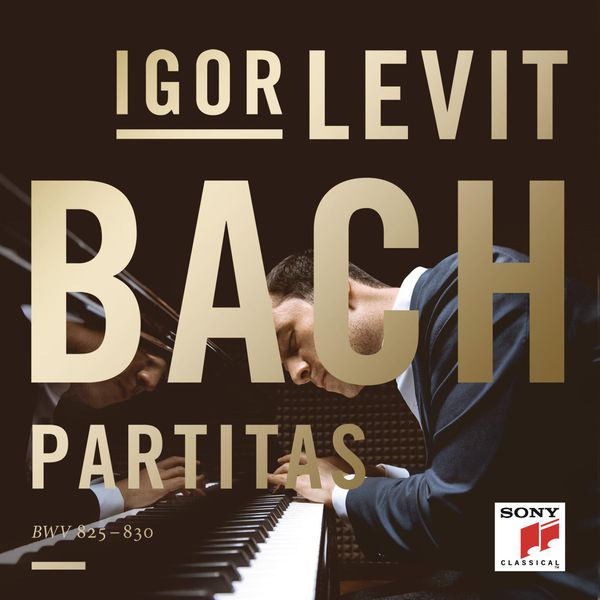
Bach: Partitas – Igor Levit

Igor Levit Bach Partitas Sony Classical

This album, however, is a typical example of getting it just right. I don’t mind one second not hearing a harpsichord. Levit is an extraordinary talent; his previous recording of the late Beethoven sonatas was outstanding as well.

I’ve been listening to this times and times over, it’s been replacing even Perahia as my go-to version. So this album to me is a hot contender to win this category.

My rating: 5 stars

However, if I had to bet, I’d say the following will be the category winner (and not only because let’s say Gramophone sometimes seems to have a certain preference for their countrymen):

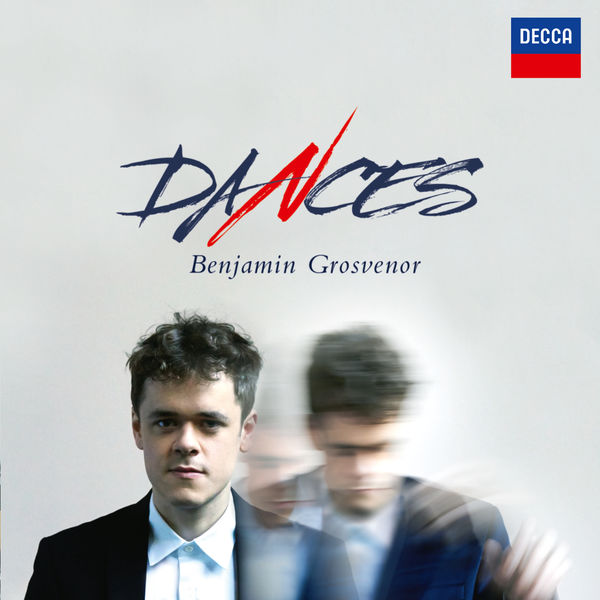
Benjamin Grosvenor – Dances

Benjamin Grosvenor Dances Decca Classics

5 years younger than the still very young Levit (years of birth 1992 and 1987 respectively), Grosvenor could be qualified as a Wunderkind. What a horrible term.

Actually, it really goes beyond this, he is just a truly brilliant artist who just happens to be very young. His previous album Chopin/Liszt/Ravel was truly fantastic, and his new release with “Dances” from Bach via Granados to Scriabin is another example of what he can achieve. With him, even relatively useless (sorry) pieces like Schulz-Evler’s questionable version of An der schönen Blauen Donau become enjoyable. (Ok, he could have skipped the Boogie-Woogie…).

An absolute must have!

My rating: 5 stars

Also nominated are a live recital of Mahan Esfahani (haven’t heard), Sokolov’s Salzburg recital (his Chopin Preludes here really aren’t my cup of tea, 3 stars), and La Fauvette passerinette by Peter Hill (haven’t heard either).

So what are your thoughts and ideas? Who would you have chosen?

Classical Life

A classical music blog by music critic Tim Mangan

This Week's Music

Making Classical Accessible

From my Macbook to the Net

Evaporation of my thoughts and observations

Elestra

Author: Artienne

My Life in Music

Playing, Singing and Listening

ArsX3

A brand new journal reviewing books, cinema, music

LawrenceEz's Blog

Creative and Performing Arts: Writing, Classical Music, Photography

Laetitia Strauch-Bonart

Contemporary Politics & Culture

sibling revelry

reveling in all things classical

It's A Raggy Waltz

I collect jazz on vinyl, I dig the Dave Brubeck Quartet, & I write about it

La Musica

By two cousins

thejazzbreakfast

Dishing it out from the heart of England

only jazz

random thoughts about music that matters to me

The Culture Project

Exploring the world of literature, wine, art, music and more.

René Spencer Saller

The music causes me to dream of fabulous empires, filled with fabulous sins.

Breaking Baroque

Blog of Tafelmusik Baroque Orchestra and Chamber Choir

Tasting Nirvana

Eating your Dosha

The Immortal Jukebox

A Blog about Music and Popular Culture

April Greene

Writer + Editor

a pianist's musings

A history of your favorite classical music.

Classical music for all

Boris Giltburg's blog

I HEAR VOICES

An orchestra seat in the web space