I meant to complement my Top of the Year 2019 article I wrote on classical music with a similar one for Jazz. I didn’t get to finish that last year, so at least it is the first thing I do in the still very fresh year of 2020. Hope all of you had a nice New Year’s Eve last night.
Why is this post called “Top 3” and not “Top 5” as I typically do? Well, for one I did review significantly less albums in 2019 than in the years before, due to very extensive business travel.
Furthermore however, I find less and less new Jazz albums that truly excite me. Not sure if it is the Jazz scene, or my taste is evolving. Anyhow, let’s get to it.
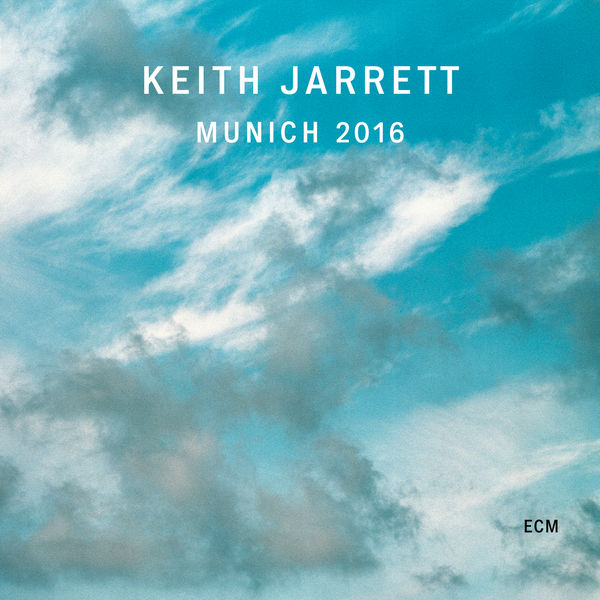
Keith Jarrett – Munich 2016
Any new Keith Jarrett solo album is an event, but this is a particularly nice one. I’m slightly biased as me attending the 2015 concert in Lucerne that was part of the same tour triggered me to start this blog in the first place Highly recommended. You’ll find my original review of Munich 2016 here.
GoGo Penguin – Ocean in a Drop
Ocean In A Drop is a very special album. Not even originally intended to be released, it really captures a very special atmosphere of an improvised film soundtrack. I still haven’t seen the movie it refers to, but keep going back to the album on a regular basis.
Triosence: scorpio rising
I’ve written about Triosence previously (here and here), but never got to formally review this album. They are a relatively unknown group from Germany, but their style is very much to my taste. So this may be the most subjective of my recommendations. Triosence are all about melody. Therefore, some may consider them a bit too mainstream. So check them out before you buy, but if you like modern trio jazz, they are a worthy discovery. You’ll find it here (Qobuz)
So, over to you, enlighten me! I’m sure I’ve missed plenty of good new releases in 2019 that should have been mentioned here. What would you recommend I check out?
Wishing you again a Happy New Year and thank you for all the great feedback and discussions we had in 2019!
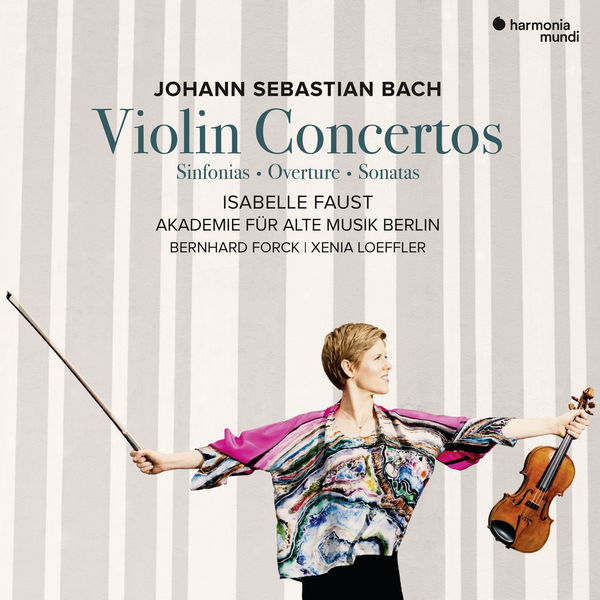
This album just had to be there. I’m a big Isabelle Faust fan, as most of my regular readers know.
This is just a fantastic album overall, and an must have. Hugely enjoyable, Faust’s signature Sleeping Beauty Stradivarius sound, and the AKAMUS is a perfect partner. I had heard the same combination live in 2018, and it was already a great experience.
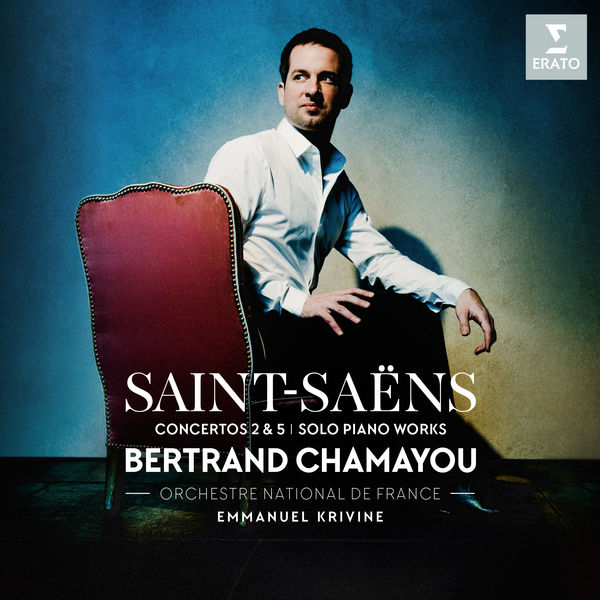
The Chamayou album got the 2019 Gramophone award, and I can only highly recommend this, particularly for the concerto no. 2 which really has become a favourite of mine now.
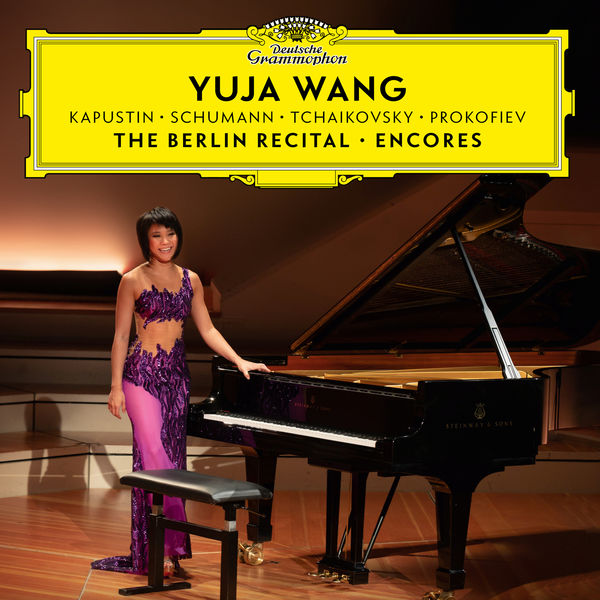
Yuya Wang’s Berlin Recital
I’ve said it in the review, I wasn’t a big fan of Yuja Wang before this album. This live recital really has become one of my absolute favourites, for the playing, the recording quality, and the exciting repertoire. Highly recommended.
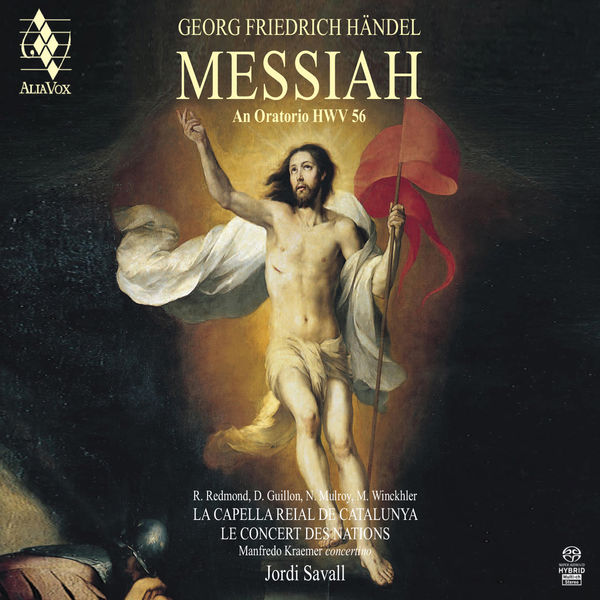
Savall’s mesmerising Messiah
This album, which only came out some weeks ago, has been in constant rotation on my playlist. Being in the Christmas season helps, but this album constantly keeps playing in the back of my head, even when not listening to music at all. You’ll find my original review here.
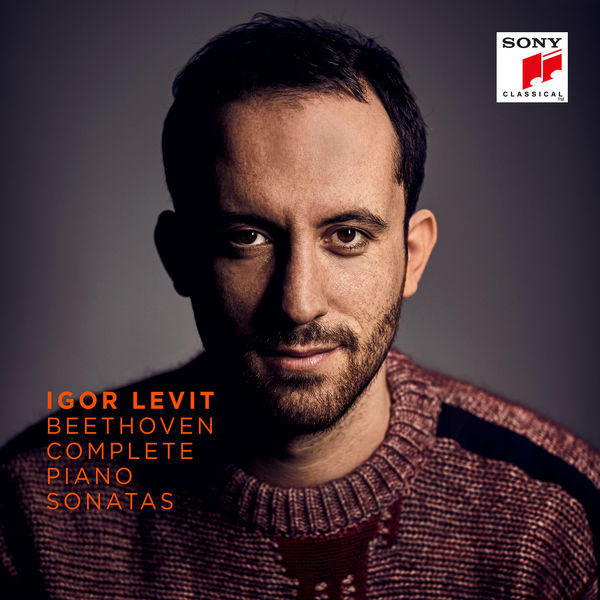
Igor Levit’s Beethoven Cycle
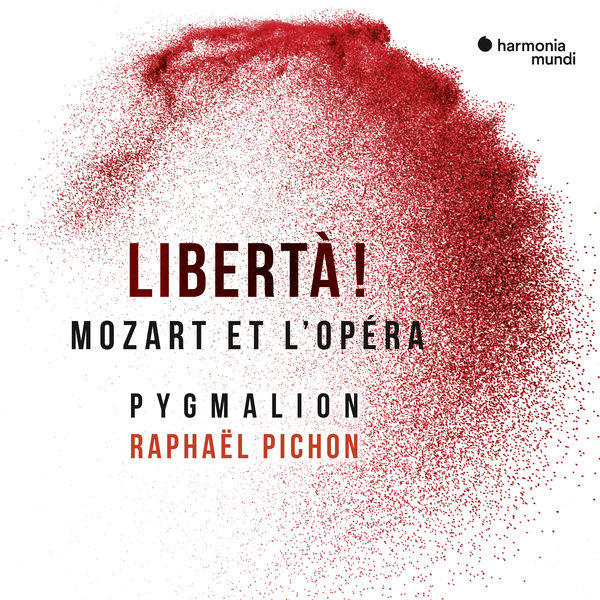
I had several contenders for the last spot on this list. There’s Volodos’ beautiful recording of the Schubert sonata D959 (not yet reviewed), Pichon’s Liberta compilation, several of the great Debussy recordings on Harmonia Mundi (e.g. Faust, or Roth), or Petrenko’s Tchaikovsky Pathétique. But ultimately I ended up choosing this fantastic cycle. I have yet to fully discover in detail every of the 32 sonatas (there’s just so much material), and I don’t think I’ll ever feel fully qualified to review all 32 sonatas in detail.
And I don’t necessarily agree with every single choice of style or particularly tempo. But one this is for sure, this cycle is special, and will make you think. Isn’t this what musical enjoyment is all about?
You’ll find the download links to all of the above in the original reviews.
So, up to you? Do you agree with my choices? Anything I missed?
I’ve already written several blog posts on music for the Christmas season.
By the way, should you follow any other faith, please be aware that while I grew up in a Christian country, I’m agnostic and really see Christmas more as a beautiful family tradition, that nicely enough has led to the creation of some really beautiful music.
Both works I’ll be discussing here, Tchaikovsky’s Nutcracker and Händel’s Messiah, are not properly speaking Christmas music, but the Nutcracker is obviously strongly associated with the season, and at least part I of the Messiah deals directly with the birth of Jesus, so has a more direct connection.
The last couple of weeks saw the release of two new great recordings of these old warhorses. Jordi Savall has attacked the Messiah, and Vladimir Jurowski the Nutcracker. Let me start with Savall
Händel: The Messiah – Jordi Savall – Le Concert des Nations (AliaVox 2019)
I’ve already written about 3 excellent versions of the Messiah. So is there really a need to add another one? Well I just bought it, so for me, the answer is yes.
Here’s why: I really like Jordi Savall, his early music and baroque recordings are always worth exploring, see for example his recording of the Bach and Vivaldi Magnificat. So I clearly had high expectations.
Nicely enough, I wasn’t disappointed. Let’s compare this to my preferred version so far by Emmanuelle Haïm. Haïm really has an incomparable swing, which really makes baroque music so enjoyable.
Savall often takes slower tempi, but the entire recording has just so much brilliance, shine and sparkle, that I was immediately reminded of one of those giant Christmas trees that many cities put up (e.g. the Rockefeller one in NYC).
And this is music you really want to sparkle. The singers really shine as well. One of my favourites is “He shall feed his flock” from part II, with Rachel Redmond and Damien Guillon. Just beautiful.
The Nutcracker – Vladimir Jurowski – State Academic Symphony Orchestra of Russia “Evgeny Svetlanov” (Pentatone 2019)
Some say Russian music only should be played by Russian orchestras. My favourite version of the Nutcracker proves otherwise, but still there is something to be said for the combination.
Jurowski had already recorded a very beautiful Swan Lake, so I was curious to hear what he did with the Nutcracker, especially in an all live recording.
I wasn’t disappointed. In a way, this album is kind of the reversal of the Messiah situation, here my favourite Rattle version is the shiny Christmas tree, whereas the Jurowski version clearly has a lot of swing and verve. You are drawn in from the first minute of the overture, and if you can sit still during the enchanting Flower Waltz, you’re probably deaf.
The only minor issue I have with this album is the occasional imprecision in timing of the orchestra, these are due to the live recording here, I’m sure in a studio version these would have been edited out.
But this is nitpicking, overall this is a truly engaging and beautiful Nutcracker.
So in a nutshell, both are albums that are a must have for the season, and as a cherry on the cake, are actually quite well recorded on top of everything else.
My rating: 5 stars for both
You can find them here (Messiah) and here (Nutcracker), both on Qobuz.
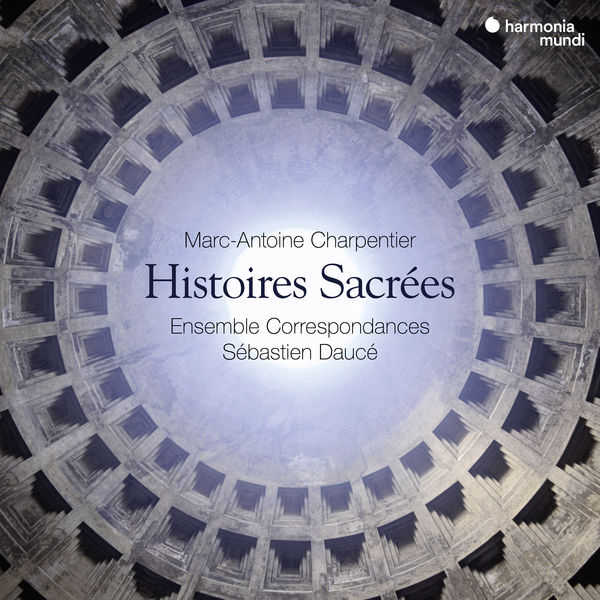
Yet another French composer that I know very little about. If like me you’ve grown up in Central Europe and have been watching television, you typically know Charpentier as the composer of the Eurovision theme, the fanfare that was played when several European countries decided to do a joint production.
This theme is actually the prelude to his Te Deum.
Beyond this, again giving away my ignorance, I barely knew anything about him. He occasionally pops up on some French baroque compilation I own, but in my entire library which really isn’t that small, I have a total of 2 albums featuring this composer.
Listening to this album as part of writing this blog post made it clear to me that I really missed something here. I have zero benchmark to compare the version to obviously, but Sebastien Daucé’s Ensemble Correspondances plays truly engaging early baroque vocal music, beautifully sung and played. It immediately reminded me of Monteverdi, which turns out isn’t misleading. Monteverdi’s operas clearly influenced the Versailles court and Charpentier’s composing.
Really worth checking out. No formal rating given my ignorance of the composer, but informally this is 4 stars upwards.
Antonio Vivaldi: Il Giustino – Ottavio Dantone (Naïve 2019)
Only two things to say here from my side: Dantone’s Vivaldi playing is truly fantastic, but unfortunately I can stand Vivaldi’s operas in doses of 10 min max.
So don’t expect a formal review here. But if you like Vivaldi, this is a no brainer.
Bach: 6 Partitas – Robert Levin (2019
I was already confused when I saw the original review of this in Classica some months ago. I tried it again, and I just don’t get it: the interpretation is so bland and boring to my ears, I really don’t understand what Classica likes about this.
I had already checked this out when I read the original review. A contemporary composer (born 1990), and female, which unfortunately is still a rarity, I was intrigued.
No formal review here, I still struggle with contemporary music, but this is not atonal, and actually quite rhythmic, so I encourage you to check this out, especially if you like e.g. the ECM New Series style.
Weinberg: Symphony No. 2 and 21 – Mirga Grazinyte-Tyla – City of Birmingham Symphony – Gidon Kremer (DG 2019)
A 20th century composer, with a young female conductor (also here we have way to few), and Gidon Kremer to top it all off, again I was interested. This album actually got huge praise by both Gramophone and Classica, and these two magazines don’t often overlap.
I checked this out several times, initially liking the tonal passages, then the music drifts into chordal progressions that just leave me confused. Which typically makes me give up to quickly. Now that I’m getting more and more (with baby steps) into Shostakovich, I may start to appreciate it more. I’ll certainly come back to this and so should you.
And keep an eye on Mirga Grazinyte-Tyla. This young Lithuanian conductor is a great talent worth watching.
Classica also recommends another Weinberg album by Gidon Kremer, also on DG; focusing on his chamber music.
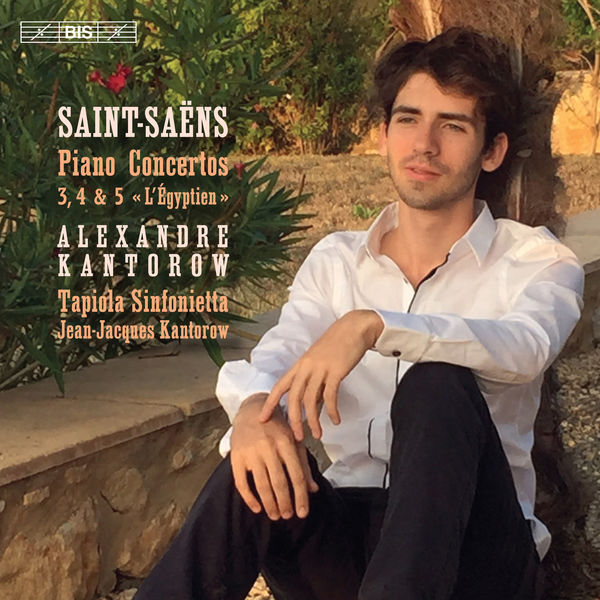
Sure, Classica likes French composers. Fair enough for a French classical music magazine. But actually, for Camille Saint-Saëns I truly share their enthousiasm. I must again admit my ignorance, but 2019 has been my year of discovery of his piano concertos. After the fantastic recording with Bertrand Chamayou which won a well deserved Gramophone Award, comes another outstanding recording, by French pianist Alexandre Kantorow, playing here with his father, Jean-Jacques at the baton. Kantorow is a fantastic pianist (see my review of his recent Russian album here, which also made it into my top classical albums of 2017). In short, a five star album that you should really own!
Brahms’ chamber music for clarinet is still a part of his oeuvre that I find among the least accessible. I’ve so far only reviewed the recording of the sonatas with Lorenzo Coppola and Andreas Staier, but have never written about the clarinet trio.
This excellent album is a good occasion to change the latter, you get very nuanced and delicate playing that really helps exploring these beautiful and intimate works. Give them a try!
So, any feedback from your side? What do you think about this selection?
You can find the albums I mention above here (or in the original review):
Regular readers of my blog know that I mainly follow two classical magazines as a reference. One is the UK’s Gramophone, the other France’s Classica Magazine.
Interestingly enough, Classica really is the magazine where I have the most overlap with their reviews, for Gramphone it is a bit more hit and miss.
I’ve commented nearly every year on the Gramophone Awards nominees and winners, but I’ve never written a lot about the equivalent of Classica Magazine, the “Chocs de l’année”.
Classica has a five star rating system for all albums (although I hardly ever see 1 stars appear), but on top of the 5 stars, they also select every months the albums “Choc”, similar to Gramophone’s Editor’s Choice.
And, once per year, Classica publishes their “Chocs de l’année”, i.e the overall best albums of the year.
Let’s have a look together.
Les Chocs de l’année 2019 – Classica Magazine – Artist of the Year
First category is “L’artiste de l’année”, winner is French pianist Michel Dalberto (I can’t help but notice that while Gramophone is a bit biased towards UK artists, Gramophone has the same for their local talent.)
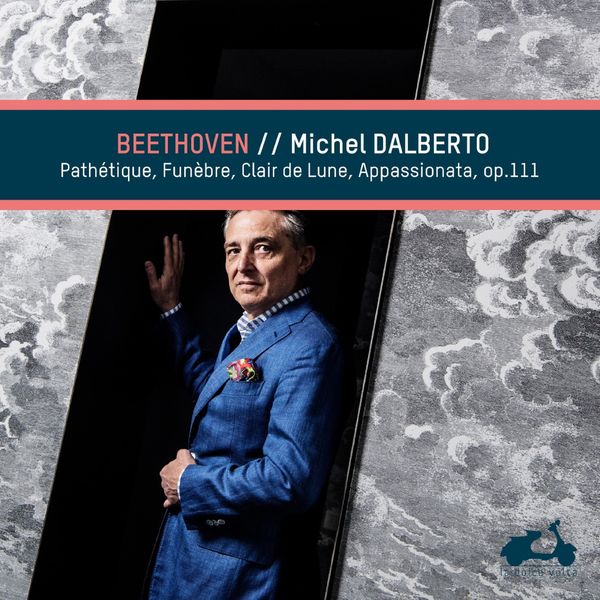
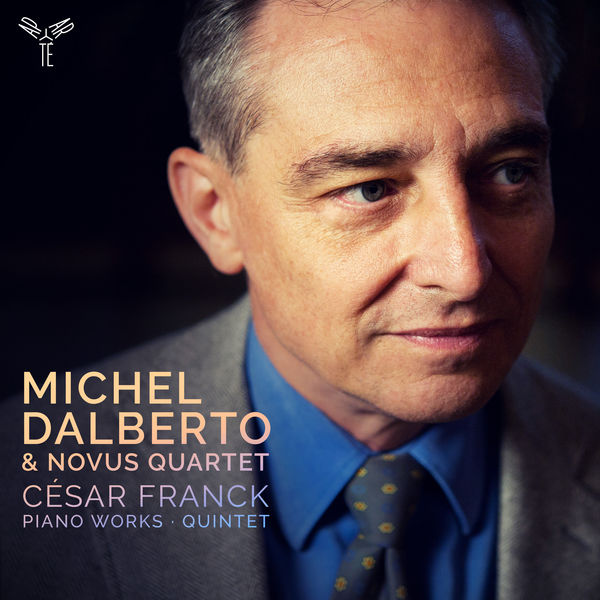
Two albums get a particular mention, his recent 2019 Beethoven sonata album on La Dolce Volta, as well as César Franck solo piano and chamber album on Aparte.
I must admit I really don’t share their excitement for the Beethoven album. Sure, it’s not bad, but I’d clearly prefer others here (among recent choices, Levit, Perahia, Lewis).
The Franck album I haven’t really listened to a lot, he is one of those lesser known French composers that I just have much less experience with. But I’ll check it out more systematically in the future, and so should you.
Label of the Year
Label of the year is the French label Alpha, and here I fully agree. In 2019, the smaller dedicated labels like Alpha, Hyperion, BIS, Chandos, have just become so much more important that the old majors like DG, Sony, Decca, etc.
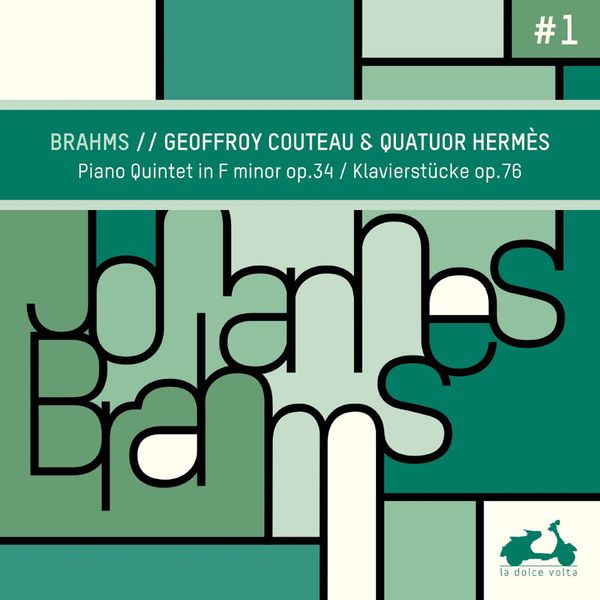
Brahms: Piano Quintet & Klavierstücke op. 76 – Quatuor Hermes & Geoffroy Cocteau – LaDolce Volta 2019
I had already noticed this album earlier this year when I saw it got a Choc from Classica and a 5 star review from Diapason.
I have yet to fully review this album, but overall I like it quite a bit. Not sure if it is a full 5 star to me, but I promise I come back to this more formally. In any case, it is worth discovering.
François Xavier Roth
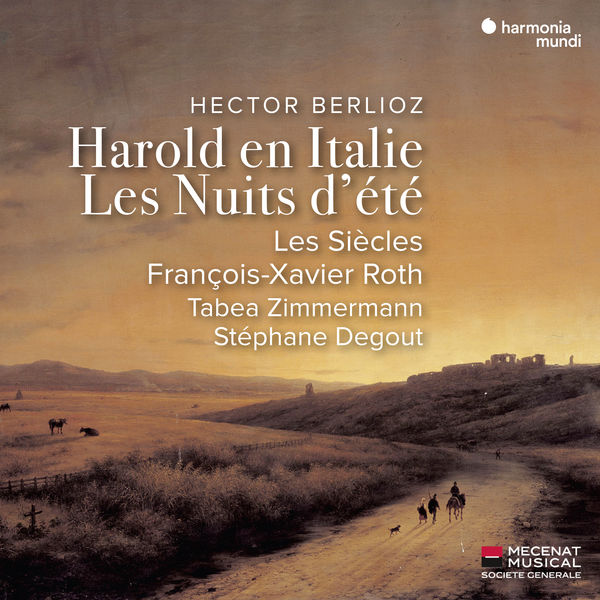
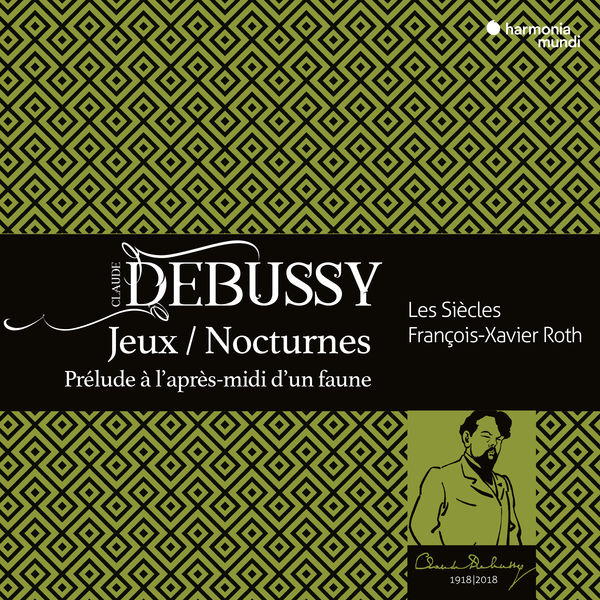
Roth gets even two mentions, with his Berlioz Harold en Italie, as well as the recent Debussy album.
I can’t really comment on the Berlioz, again I’m only slowly getting to know the broader French repertoire better.
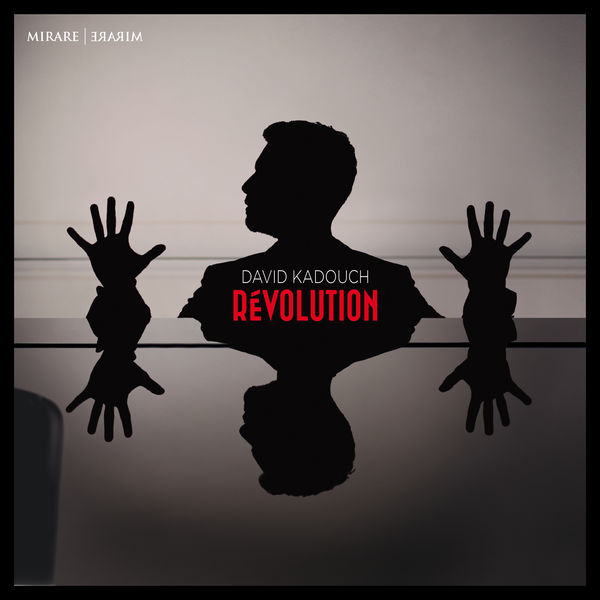
Here I really can’t comment, I’ve never heard of this album nor of this pianist before. Turns out he’s French as well (did I mention there seems to be some geographical bias somewhere).
In any case, the program of this concept album (obviously around the Revolution) is quite intriguing, from Dussek (yes, I also had to google him), via Beethoven, Chopin, Liszt, Janacek, Debussy, to Rzewski. I only quickly sampled works I know well, like the Chopin Revolutionary Etude, or the Scherzo no. 1, in both cases I wasn’t blown away. But don’t take this as a proper review, and have a look.
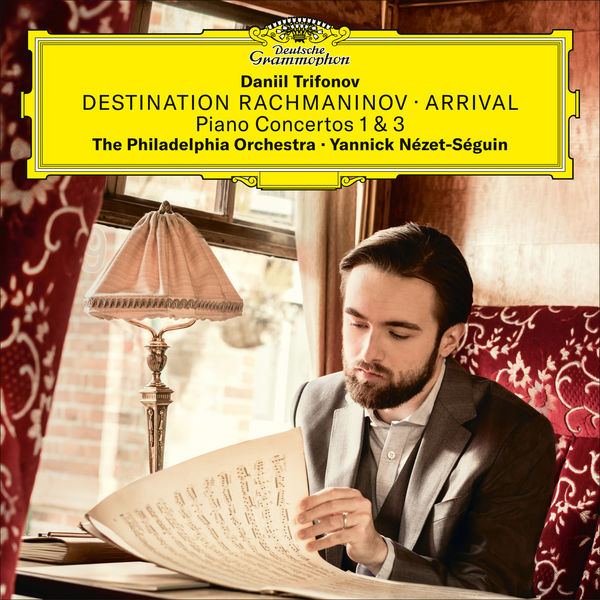
Rachmaninov – The Piano Concertos – Trifonov – Nézét-Séguin (DG 2019)
While I absolutely loved Trifonov’s recording of Rach 2, and was right at predicting that this would be a very controversial version, I still haven’t been able to properly review his approach to Rach 3 (sorry I typically disregard Rach 1 and 4) which was released quite recently.
Classica praises both of them, but I honestly would caution you before you buy the Rach 3 blindly. I can’t put my finger on it, but something is there that I just don’t like as much. I’d be very curious to hear your opinions. Personally, I rather stick to other versions like Leif Ove Andsnes with the LSO.
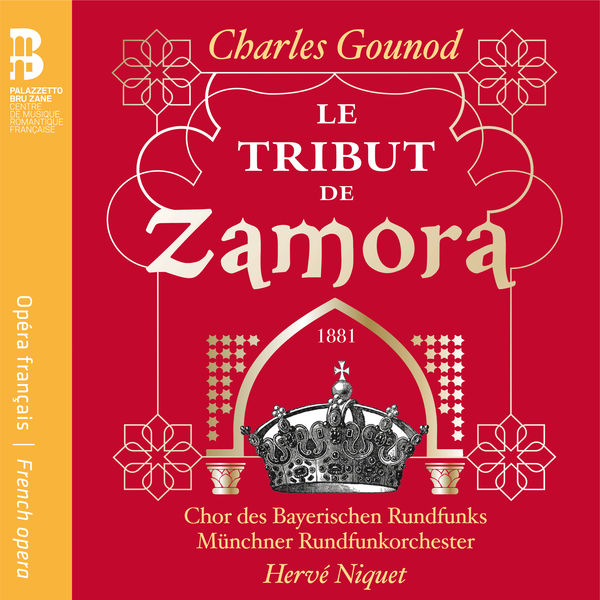
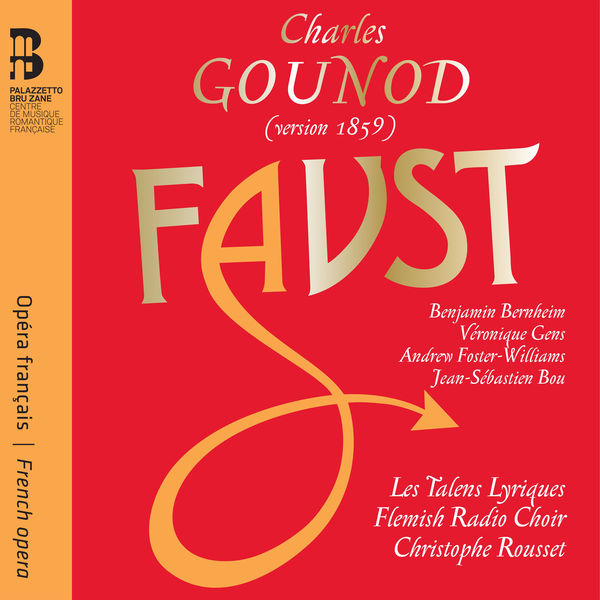
Two Gounod Operas
Gounod, yet another composer I barely know. A good friend of mine loves his Faust, but to this day, I really haven’t found my way around this composers’ work.
Let me nevertheless mention the two operas here that Classica likes, they clearly know more about French composers than I do. Both come from conductors I personally like very much, Hervé Niquet and Christophe Rousset, you probably won’t go wrong with any of these recordings.
Look out for part II of this blog post in the next days. You’ll find it here.
You can find the new albums of this blog post here (Qobuz), or in the link to the original review.
Each of these albums is worth having, my ratings typically are either 4 or 5 stars.
So I was obviously very happy when Jarrett finally released a new (well, 3 years old) solo concert recording again.
Keith Jarrett – Munich 2016 (ECM 2019)
This album was recorded live in Munich in July 2016, about one year after my “own” live experience in Lucerne, and it has a very similar feel.
Jarrett has moved away from the very long improvisations of the Köln concert era to shorter pieces, simply titled “Part”. The concert is split into 12 parts, with roman numerals, plus two encores.
Don’t be afraid by the slightly atonal start in Part I, there is so much more to come.
Part V for example is are the kind of melodic improvisations that fans of the Köln concert (including me) are just loving so much
Part VI and VIII are yet another of the slowly flowing parts, 5 minutes of absolute bliss.
In part IX, Jarrett all over sudden starts a boogie woogie. For most other artist, this would make me run away. Not so with Jarrett, here it is just 3 minutes of a lot of fun, which he’s clearly having.
I personally am not such a big fan of when Jarrett goes much more crazy like in part VII, but these wilder improvisations are typically short.
And I’m so happy to report, that nearly 20 years after La Scala, Jarrett goes back to Somewhere Over The Rainbow as his final encore. And in a way, this improvisation is even better. It must be my sentimental side, but I just love this song.
Let me be clear from the start, this is not a formal “review” as I normally write them. I find it impossible to properly review all 32 sonatas, as I simply don’t have enough references for every single one of these fascinating works.
I must admit that to this day although I listen to them a lot in the complete cycles of e.g. Kempff, Arrau, Brendel, Goode, or Lewis, but there are still some of the lesser known sonatas that I really don’t know that well yet.
But I still want to bring this cycle to your attention, and am pretty sure you won’t regret checking it out.
I’d also already mentioned his recording of the late Beethoven sonatas, the recording that put him on the map as one of the most promising young artists.
Levit decided not to re-record the late sonatas he previously released, so if you have the “old” album and now by the new box, you’ll have some redundancy.
Beethoven: The Complete Sonatas – Igor Levit (Sony 2019)
I recently had the pleasure of seeing Levit perform some of these sonatas live. At the 2019 Lucerne festival, he in a series of concerts has played all of the sonatas live, I’ve attended one of these concerts.
This was already an impressive performance. The studio recordings follow a very similar approach.
One this is for sure, Levit’s approach will never leave you bored. He often chooses quite extreme tempi, going quite slow or breathtakingly fast in some parts.
Therefore, to me this is one of the most exciting new Beethoven releases in recent years.
To conclude, no formal rating from my side this time, just a very strong “check this out” message from my side, which in the days of streaming, is easier than ever. I really don’t think you’ll be disappointed!
Really looking forward to your opinions this time.











 musicophilesblog - From Keith Jarrett to Johannes Brahms