Another Disappointing New Release by Seong-Jin Cho

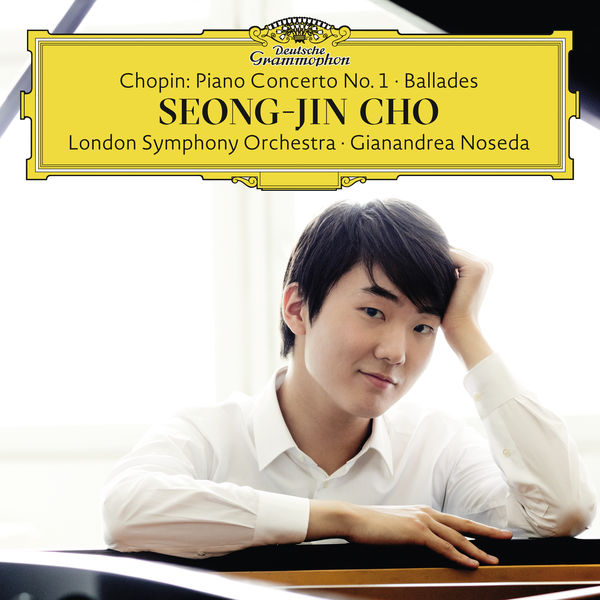
Seong-Jin Cho

Cho is the winner of last years Warsaw Chopin competition, that in the past used to launch piano legends, e.g. Krystian Zimerman, or Martha Argerich.

However, in my previous review of his debut recording, I already was quite surprised by the choice of last years jury.

And unfortunately, his latest release, a full Chopin album with the piano concerto no. 1 and the ballades, confirms my disappointment.

Chopin: Piano Concerto No. 1 / Ballades – Seong-Jin Cho (Deutsche Grammophon 2016)

Let’s start with the good part. Piano concerto no. 1 is an overall convincing performance. He uses a lot of rubato, which I really like in Chopin, the brilliant parts are brilliant as expected, but the slower parts also get a well reflected treatment.

We are clearly not yet beating Zimerman’s both recordings on Deutsche Grammophon, but at least this is interesting and worth listening to.

The LSO under Gianandrea Noseda are a quite powerful partner. Let’s face it, the Chopin piano concertos aren’t the most satisfying material for orchestras, they often are nothing more than “background” for the soloist. But their playing here cannot be faulted.

Chopin: PIano Concerto No. 1 / Ballades Seong-Jin Cho, London Symphony Orchestra, Giandandrea Noseda Deutsche Grammophon 2016 24/96

The Ballades

The Chopin ballades are just amazingly beautiful. My favorite version is again, Zimerman, as already featured in my Top 10 Classical Pianists posts. Another favorite of mine, Murray Perahia, is also exceptional.

Getting to Cho, something is just wrong. The slow parts are often just plain boring, I can’t even fully put my finger on it.

When it gets fast, like after 2 min into Ballade No. 2 he becomes impressive, but more technically than musically, unfortunately.

It is very clear that Cho has amazing technical reserves that are barely even challenged here in these works. Maybe he would be perfect for Liszt, but here in the simple ballades, what you really need are nuances, and these are missing to my simple ear.

It pains my heart writing this, but I don’t think Cho is up there with his peers from previous competitions.

Let me know what you think, do you agree? Disagree? Think I’m completely nuts? Please share your comments.

My rating: 3 stars

You can find it here (Qobuz) and here (HDTracks)

UPDATE January 5, 2016: By now, some other reviewers have had more positive opinions than me about this album, I’d say the general consensus is around 4 stars. Doesn’t change my personal rating but I wanted to flag this to ensure you get a balanced view.


Mozart’s C-minor Mass: A New Reference by Masaaki Suzuki

Masaaki Suzuki and the Bach Collegium Japan

Can a Japanese ensemble play Bach? Of course they can, and even at an astonishing level.

I’ve yet to hear a recording with Suzuki and his Bach collegium Japan that wasn’t worth checking out at least.

The only thing you can sometimes say about their recordings is that they can be a bit too polished, too perfectionist, and therefore a bit too well behaved.

Moving from Bach to Mozart, they already released a quite beautiful recording of the requiem in 2014.

The C-Minor Mass

I’ve written previously about this absolute masterpiece by Mozart, and recommended Louis Langrées version, and Herreweghe’s classic. This recommendation is still valid,  however, the Japanese really throw in a new very serious competitor.

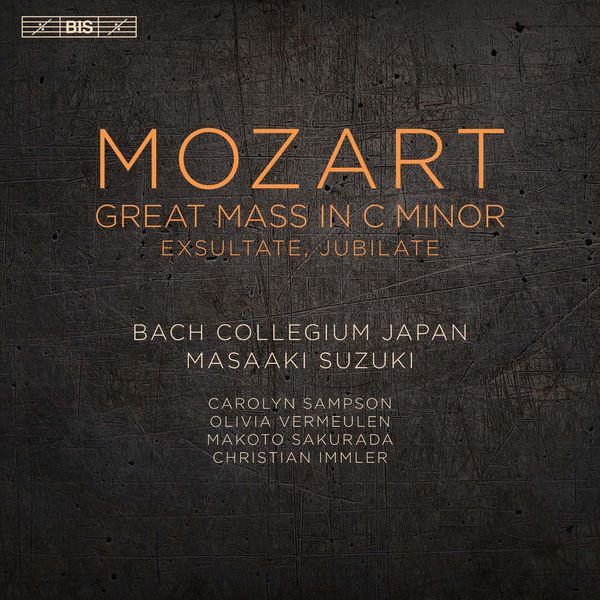
Mozart: Great Mass in c-minor / Exsultate Jubilate – Masaaki Suzuki – Bach Collegium Japan –  Carolyn Sampson – Olivia Vermeulen – Makoto Sakurata – Christian Immler (BIS 2016)

What is spectacular about this album is the sheer transparency. The typical precision of the Bach Collegium really helps illuminate every little detail in the recording.

The typical outstanding recording quality by BIS obvously helps.

Mozart: Great Mass in C Minor Exsultate Jubliate Bach Collegium Japan Masaaki Suzuki Carolyn Sampson Olivia Vermeulen Makoto Sakurada Christian Immler

This really draws you into the work, and makes it sound like something new, that you’ve never heard before.

Of the two female singers, while I like Olivia Vermeulen, Carolyn Sampson is even more gorgeous. Listen to her in the Et Incarnatus Est, and it really will make you cry. Such a beauty!

The Exsultate Jubilate K165 in contrast is nice, but clearly a work of a very young Mozart (he was 17 when he wrote it). You won’t regret getting it, but we’re far away from the masterpiece that is the K427.

In summary, will this kick Herrweghe off the throne? Well, not exactly, but in my opinion he gets to share the top position from now on.

Check it out!

My rating: 5 stars

You can find it here (eclassical)

UPDATE December 2, 2016: In the latest December issue, Gramophone agrees, giving it an Editor’s Choice and calling it one of the best period instrument choices.

A Multitude Of Angels – A review of the “new” Keith Jarrett solo album recorded by Jarrett himself

Ah, yet another blog post that starts with me complaining that I’m not writing often enough. I guess you don’t care about my excuses, so let me just say I really try to improve the frequency of my writing. So let’s stop whining and get into it.

A New Keith Jarrett Recording?

So, a new Keith Jarrett album! Out of the blue (at least to me)! Very nice surprise obviously for a blog that has Jarrett in the sub-title.

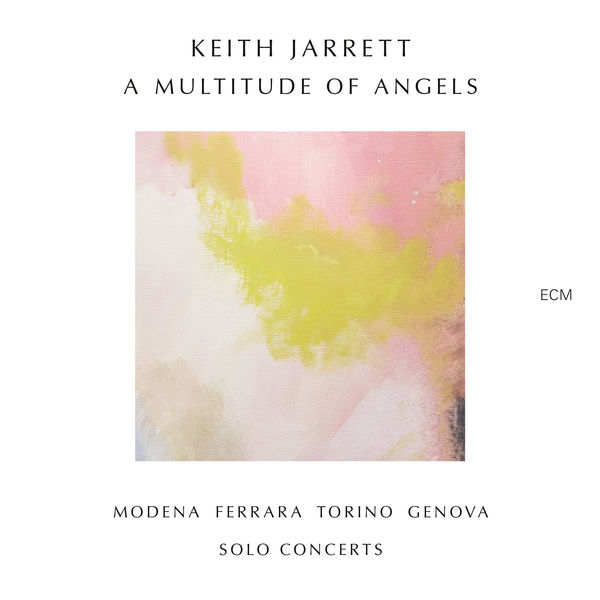
Let’s get the bad news out of the way first: I personally find the title quite cheesy (although Jarrett is very serious about it in the liner notes), and the cover even more so (which is sad given that I do quite like the general ECM sober cover style).

But let’s face it, you won’t buy this album for the title nor the cover, but for the music.

And we’re talking about A LOT of music. Should you decide to buy this on CD (do people still do this?), you’ll get 5 of them, should you decide to download, you may initially be disappointed to get only 12 files, but you’re still getting 4h57 for your money!

A Multitude Of Angels (ECM 2016)

Keith Jarrett A Multitude Of Angels Modena Ferrara Torino Genova Solo Concerts ECM 2016

So where is this album all over sudden coming from? Well unfortunately it doesn’t comprise any recent concerts, like the one in Lucerne I attended a year and a half ago (I know they were recording that, so I hope it will eventually be released).

In this case, we’re talking about 20 year old material. These are live recordings from four concerts in Northern Italy, as you see from the cover specifically Modena, Ferrara, Torino, and Genova, all in October 1996.

We were lucky, at the time, Jarrett hat a DAT recorder (one of the earliest portable digital recording techniques) and some microphones with him and was taping his own concerts.

In the liner notes, Jarrett explains that he’s listened to these recordings many times and claims them to be “a pinnacle in his career”. Lucky for us, we finally get to share this pleasure.

How do you describe 5 hours of improvised music?

Well to make it short, I don’t even try. Let me just summarize my impressions: These are indeed beautiful recordings. Are these to my ears the pinnacle of Jarrett’s career? I personally wouldn’t go as far. We’re still in the “old days” of Jarrett’s concerts with long 40 min uninterupted playing, very shortly before he had to take a break for health reasons. While there really is a lot to love here, my only point of criticism would be that sometimes I’d have liked a bit more stylistic variability.

So if you’re a first time Jarrett solo concert buyer, and you won’t get the cheap price on Qobuz (see last paragraph), you may want to go for some other concerts first, like the legendary Köln, or Bremen Lausanne. But if you like Keith Jarrett’s solo concerts, this one is clearly one to go for.

My rating: 4 stars.

You can find it here (Qobuz) or here (Amazon)


Murray Perahia’s French Suites – A Must Have

Japanese Art – Ukiyo-e

I must admit while I feel at least somehow reasonably comfortable with my understanding of Western art and paintings, I’m pretty ignorant when it gets to Japanese art.

Nevertheless, Bach’s music often reminded me of the the abstracted image I have in my head of Japanese art (mainly the Ukiyo-e style) often depicting landscapes, with delicate details of trees and flowers.

Why am I writing this here? Well, the latest recording by Murray Perahia makes me permanently think of this. These Japanese artworks often are woodblock prints. This essentially woks by chiseling away wood around the outlines of the drawing.

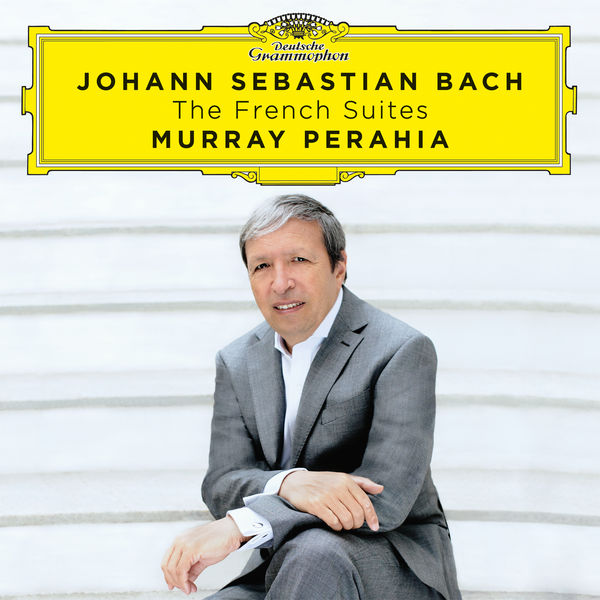
Murray Perahia’s French Suites

Well, in a way, that is exactly how I hear Perahia play these little miniature gems that are the French suites. He chisels away all everything superfluous and only leaves you with the outlines, and what remains is something of outstanding beauty.

Johann Sebastian Bach: The French Suites - Murray Perahia (24/96) Deutsche Grammophon 2016

My first encounter, as so often with Bach, was via the Glenn Gould recordings, and I also had the version by Keith Jarrett for a long time. Since then I’ve added about 3-4 other versions to my collection.

However, this really is the new star for me. I’ve listed Perahia in my Top 10 Favorite Classical Pianists post, especially for his Bach (his Goldberg are among my absolute best versions there are out there).

And here again, he doesn’t disappoint. This is intellectual and emotional at the same time, something which is sometimes hard to achieve with Bach’s keyboard music, as artists tend to focus either on one or the other.

Here’s the official trailer so you get an idea what to expect:

By the way, Gramophone agrees and has listed this as their “Editor’s Choice” for their November issue. Classica is also globally positive,  giving 4 stars (the highest rating below the CHOC, their equivalent of a five star).

No hesitation on my side however:

My rating: 5 stars

You can find it here (Qobuz) and here (Prostudiomasters).

UPDATE Nov 29: if you need any further reassurance: French magazine Diapason has given this album it’s highest rating, the Diapason d’or, in the November issue. And it was named “recording of the month” by BBC Music magazine.

A Duo of Jazz Piano and Organ? Seriously? Yes!!!!

The Jazz Organ

I haven’t written a lot about the organ in Jazz yet. This is because I don’t very often listen to it.

I mean, there are some legendary album’s like Jimmy Smith’s The Cat, which I love, but in total I have less than 15 jazz organ albums in my library (which contains 7-8,000 albums).

Michel Petrucciani

However, why haven’t I written about Michel Petrucciani yet? This French genius on the piano?

He was born with a rare genetic disease which lead to very brittle bones and a very short body height. But when you see him on the piano, you can be nothing but amazed:


I guess the reason why I didn’t write about him yet is because some of his later albums went into a certain style I didn’t necessarily like that much.

But there is one album I’ve treasured for two decades now, that combines a Jazz organ and Michel Petrucciani, and guess what, nothing else!

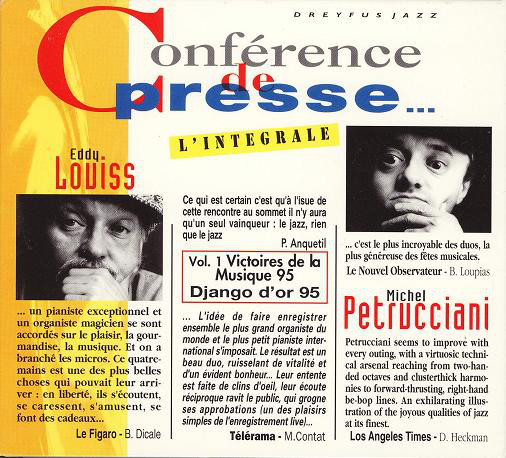
Conférence de Presse (Dreyfus 1994)

This album was recorded at the Petit Journal Montparnasse, a Paris Jazz club I used to go to when I lived in Paris years ago. But unfortunately I wasn’t at this particular concert, which is very much of a pity.

Michel Petrucciani Eddy Louiss Conférence de Presse Dreyfus 1994

But let me introduce the second musician first: Eddy Louis. He’s a French pianist, but better known for his organ. He played with Stan Getz, Dizzy Gillespie and any other Jazz greats.

I’m pretty sure you don’t have many duo albums of an organ and piano in your collection. So why should you have this one?

Very simply, because it swings like hell.

You already get an idea from the Youtube clip above about what Petrucciani can do with a classic like Caravan. Now add an organ to that, and you get a performance you won’t forget that quickly.

And there’s another true gem on this album when it comes to standards: Summertime. Obviously, nothing beats the legendary performance of Ella & Louis, but this really is an extremely entertaining version.

Check it out!

My rating: 4 stars

Unfortunately, the album is not that easy to find individually.

Qobuz has it as part of a 5 CD box: http://www.qobuz.com/gb-en/album/conference-de-presse-both-world-solo-flamingo-trio-in-tokyo-michel-petrucciani/3460503694026

And you find it on Amazon, often used: https://www.amazon.com/Conférence-Presse-Michel-Petrucciani/dp/B004A3INP2/ref=sr_1_1?ie=UTF8&qid=1477118700&sr=8-1&keywords=petrucciani+conference+de+presse

Schubert: A Journey Through 11 Versions of Schubert’s Piano Sonata D959

The Cross Eyed Pianist

Sometimes, as a blogger, you may feel a bit alone. With my rather niche topic of Jazz and Classical music, I really don’t have that many people to exchange ideas with in my immediate surroundings, as most of my friends and family don’t care enough about this topic (my mother-in-law is the exception, she is a loyal reader, even if she often disagrees with my opinions).

Luckily, on the internet, you’ll be able to find like-minded people for every kind of interest, as small as it may be. I’ve met people virtually on several discussion forums and via this blog that I feel I have very compatible musical tastes.

And obviously then, there are the other bloggers. You can find on this blog the long list of all blogs I follow (at least those on WordPress), but some are really outstanding, and to be fair, much better than my little enterprise here.

One blog I follow very closely is Frances Wilson’s The Cross Eyed Pianist. Well, she’s got an advantage over me, she’s an actual pianist (my piano hasn’t been touched for over a year now, shame on me). I strongly recommend you check her out.

Schubert’s Late Piano Sonatas

I’ve mentioned Franz Schubert several times now on this blog, as I’m a big fan.

Unfortunately he died way too young, so there is only a number of categories I really admire in Schubert. Not necessarily his symphonies (see my comment on his last symphony here), but his Lieder (still only getting into them), his amazing chamber works (see here and here among others), and obviously, his piano music, which was his very own instrument.

I’ve previously written about David Fray’s beautiful album, as well as Andras Schiff’s recent recording on a fortepiano. Note that you can always click on the composer link on the right hand side of this blog to see all my articles on a given composer.

But I’ve not fully talked about the 3 masterpieces of his late piano sonatas, D958-960, which really give you a glimpse of what Schubert could have achieved had he lived longer. These were all recorded in his last year alive, at the tender age of 31. Imagine Beethoven dying after the Moonlight, no Waldstein, no Appassionata, no Hammerklavier!

To get back to Frances Wilson, what trigger this blog post was her excellent article on Schuberts D959 in A-Major, which not only inspired me to write this post, but also the title.

Frances Wilson and others are the reason why I don’t write a lot about the works themselves on my blog, these others are so much more talented.

So let me focus on what I typically tend to write about, which is “reviewing” (or probably rather commenting) the recorded versions of these pieces.

10 versions…

I often get asked, which is the “best version” of a classical piece. If I’d be honest, I cannot answer this. Most classical works have been recorded hundreds of times, and comparing them all is just really not feasible. Gramophone and Classica try, and have monthly articles around individual works where they try to achieve this, but even these traditional magazines with their decades of experience usually limit themselves to a smaller number of versions (or I guess, leverage their archived reviews).

So, as I said inspired by Wilson’s article, I wanted to write about the best version of Schuberts D959 I have on my hard disk, plus Paul Lewis from Qobuz (I could have included all versions available on Qobuz streaming, but then you wouldn’t read another blog post from me for a least 3 years)

I have a total of 10 versions (thanks to years spend on meta-tagging I can actually now easily find them):

  • Leif Ove Andsnes
  • Alfred Brendel
  • Martin Helmchen
  • Paul Lewis
  • Wilhelm Kempff
  • Radu Lupu
  • Murray Perahia
  • Arthur Schnabel
  • Andreas Staier
  • Mitsuko Uchida

You’ll noticed Andsnes and Perahia from my Top 10 Classical Pianists I just published, actually, the preparation for this review triggered the idea of that post.

I’m not going to review all 10 versions here in detail, but just highlight those that really stood out to me (which is tough, because there wasn’t really a negative outlier in this list.

… and not a single winner

I’ll name 3 in detail here, and honestly, I’m not going to name my winner, as it is just impossible.


Alfred Brendel

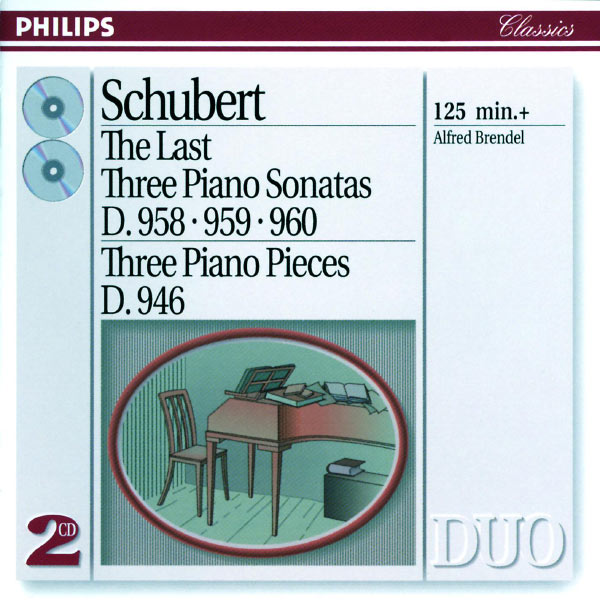
Schubert: The Last Three Piano Sonatas Three Piano Pieces D 958 959 960 946 Alfred Brendel Philips

This was my first ever version, and I can still count it among the best out there. Brendel is an extremely intellectual pianist, and he’s probably one of the key people who put Schubert’s piano music on the world stage. I haven’t included him in my Top 10 pianist list, as I’m not a universal fan of his playing, but for Schubert, he really is among the top references.


Murray Perahia


Perahia actually made it into my Top 10 list. He’s a pianist I admire from Bach to romantic repertoire, he always seems to get it right. Same here, this is really worth checking out.

And, last but absolutely NOT least,


Mitsuko Uchida

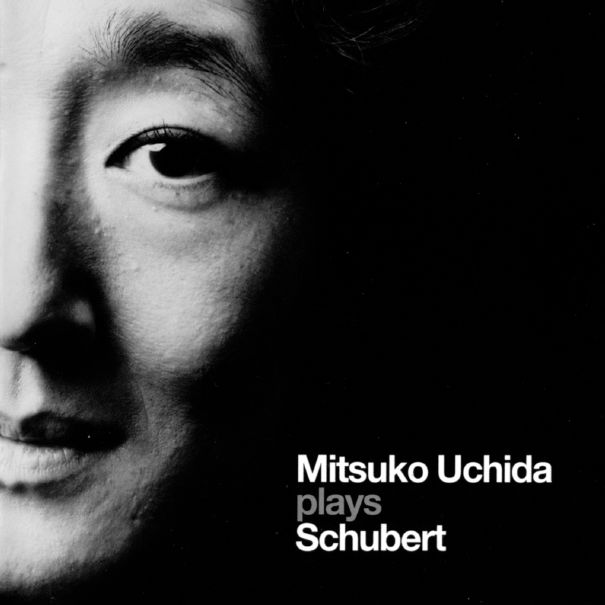
Mitsuko Uchida plays Schubert

I’ve already previously mentioned her in my article about Andras Schiff, she absolutely remains among my favorite versions of this work.

She has such a light, delicate and beautiful touch. To me Schubert’s piano music is even closer to Mozart than to Beethoven, even if Schubert was a great admirer of the latter. Uchida is one of the best Mozart players we have, and approaching Schubert in Mozart style really feels right.

My rating for all 3: 5 stars

Two lessons learned here:

  1. Never ask for “THE BEST” version of a certain work. It just doens’t exist, you’ll almost always find several versions that are each outstanding in their own way
  2. I’ll almost certainly not do another of those huge comparisions in the near future, they are just so time consuming. I’ll leave that to the professionals. It was fun though.

As usual, I’d be interested in your opinion, are there other versions out there?

Frances mentioned Goode and Pires, which I both haven’t heard, anything else out there?

You can find the albums here:

Alfred Brendel: here (Qobuz)

Perahia: here (Qobuz)

Mitsuko Uchida: here (Qobuz) and here (Prestoclassical)

Musicophile’s Top 10 Favorite Classical Pianists

Top 10 and Best-Ofs

I don’t do top 10 lists often. I probably should to them more often, as if you’re a blogger you know that they tend to generate higher than average traffic, somehow either Google or more likely the average reader tends to like this kind of lists (and I must admit, I tend to click on other peoples “best of lists” as well), but I usually prefer to write about individual albums instead.

My Personal Top 10 Pianists

That said, the idea for this particular blog post came along while doing some comparative listening for a future blog post on Schubert’s piano sonatas. I noticed I always keep going back to a certain number of pianists, that I love and respect, and that usually always have something to say.

Obviously, this list is highly subjective. This is not supposed to be “Great pianists of the century” or Top 100 pianists of all times, you’ll find plenty of those on the internet already.

So obviously, there will be great names missing, Schnabel, Arrau, Rubinstein, Brendel, Trifonov, etc. etc. etc.

I’ll be listing them in alphabetical order, as there is absolutely no way I’ll try to rank them.

So, here we go:

  • Leif Ove Andsnes

Not very suprisingly, given that I’ve already listed him here for my all time favorite version of Grieg’s piano concerto, and have praised his recent Beethoven cycle with the Chamber orchestra of Europe.

I’ve seen him live playing Beethoven’s concerti 2-4 in a row, without a conductor. An amazing experience.

What I haven’t mentioned yet is that Andsnes has also recorded an excellent version of Rachmaninov’s piano concertos with Antonio Pappano, which I have yet to review.
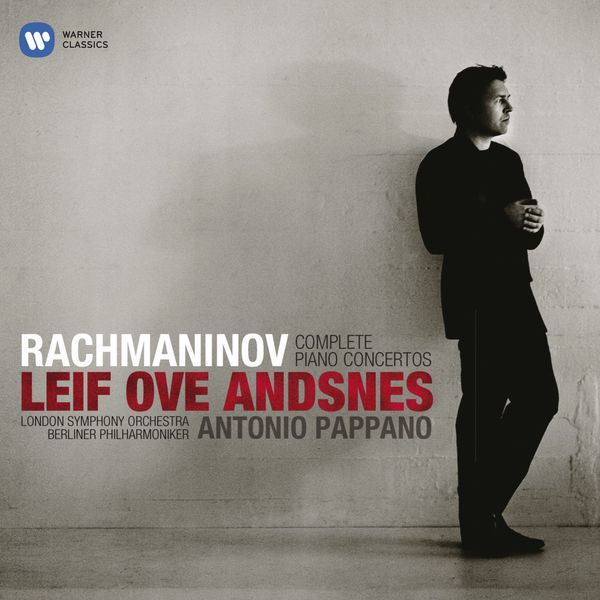
Rachmaninov Complete Piano Concertos Leif Ove Andsnes London Symphony Orchestra Berliner Philharmoniker Antonio Pappano Warner Classics

I guess that covers such a large range of the romantic piano concertos that it is pretty clear why I’m choosing him. Note I could have mentioned many other beautiful recordings, including solo piano or chamber music.


  • Martha Argerich

Well I said I’m not going to rank the pianists, but Martha clearly makes it all the way to the top of the list.

With her, you can really start at the beginning, with her legendary debut album following her winning the 1965 Warsaw Chopin competition. 

Or go to a very recent recording around 50 years later of Argerich playing Mozart’s concertos, as mentioned in My Must Have Mozart Albums.

Or, for the sake of it, pretty much everything she has recorded in between. The only exception are some of the live recordings from her beloved Lugano festival, not all of them are necessarily must haves. But beyond that, you can be sure that her energy to enchant you!

Here is another example:
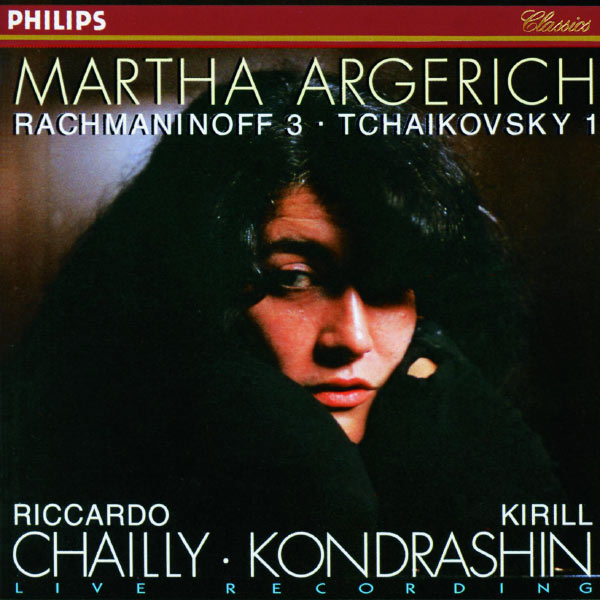
Martha Argerich Rachmaninov 3 Tchaikovsky 1 Riccardo Chailly Kirill Kondrashin

There are several “complete”, “best of”  and “collection” boxes out there. All are highly recommended.


  • Rafal Blechacz

Together with Benjamin Grosvenor and Igor Levit, among the youngest on this lists.

I had to list him already for his outstanding Chopin Préludes, as reviewed previously.

Another recording I can recommend is his Debussy and Szymanowksi album from 2012.
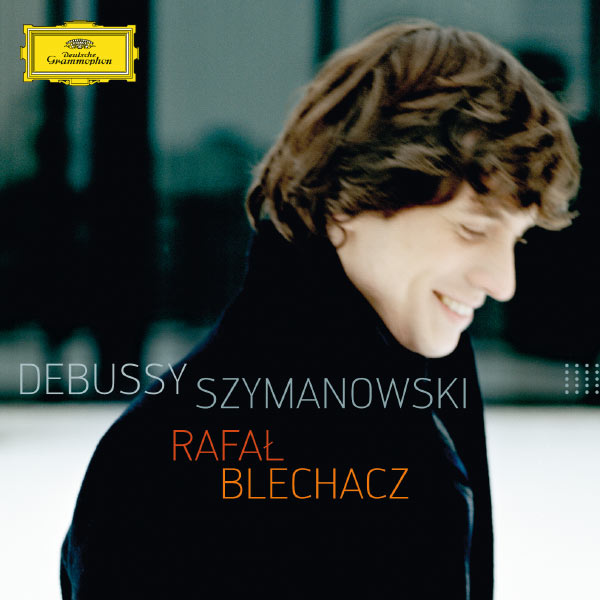
Debussy Szymanowksi Rafal Blechacz Deusche Grammophone 2012

I’ve seen him live play Chopin and Szymanowski, and I was really impressed by this timid young man and the intimacy of his playing. Somebody to watch.


  • Ronald Brautigam

Playing on an “authentic” piano that sounds like the composer would have heard the piece is a relatively recent trend, as techniques in the reconstruction of the fortepiano, and alongside the specific playing skills for these instruments have evolved.

I’ve already mentioned his beautiful version of Mendelssohn’s Lieder Ohne Worte (review of part I here, part II here).

However, what I recommend most often is his outstanding complete Beethoven sonata cycle. Obviously this doesn’t replace the efforts on modern piano from Schnabel to today, but you really owe it to yourself to discover how Beethoven can sound on a piano of that time, exceptionally well played by this amazing artist.
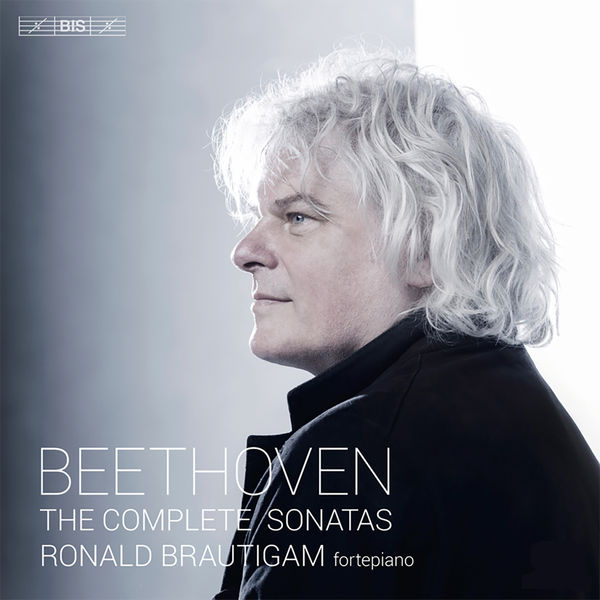
7318599920009_600


  • Emil Gilels

Why Gilels as a representative of the great pianists of the 1950s-70s, and not Rubinstein, or Richter, or Horowitz?

Well, honestly, all of them would have deserved to be listed here. I’m just having a very special attraction to his Brahms concertos, be it with Jochum (reviewed here) or with Fritz Reiner and the CSO.

Another album that is his outstanding recording of Grieg’s Lyric Pieces, an all time classic.
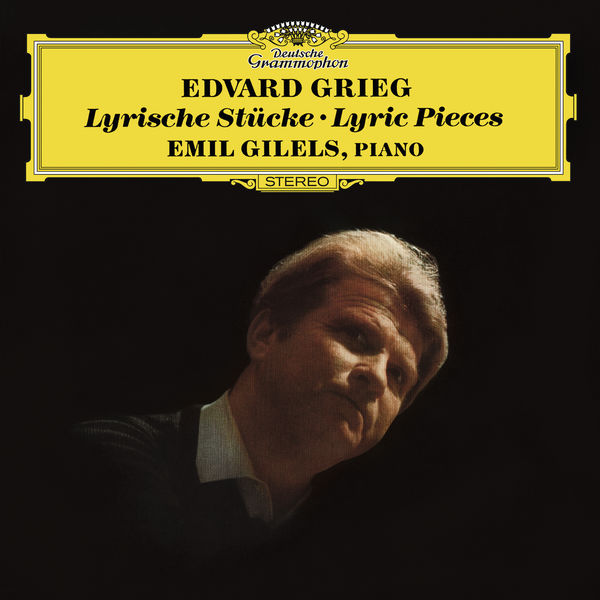
 

Edvard Grieg Lyric Pieces Emil Gilels Deutsche Grammophon 24 96


  • Benjamin Grosvenor

I’ve just recently praised his latest album, Homages (review here), and given 5 stars to his Chopin Liszt Ravel album here. He was also nominated for the Gramophone awards for his album Dances in 2015, which he should have won (IMHO).
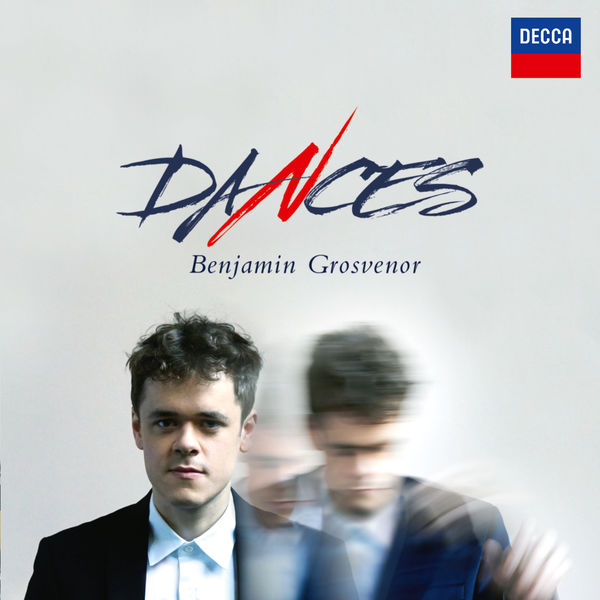
Benjamin Grosvenor Dances Decca Classics

He is probably the youngest of my list (note to self, do some fact checking), and among his few recordings, all are just amazing. This is one of the most outstanding talents I’m aware of.


  • Igor Levit

Regular readers of my blog know that I’ve praised this great young artist several times already.

Most lately for his Gramophone Album of the Year: Bach / Beethoven /Rzewski, see here for my review, and here as well, as well as in my article about the top 5 classical albums of 2015.

Back in 2015, his Bach Partitas album was also nominated by Gramophone for an Award in the Instrumental category.

But there is one album I haven’t mentioned yet on my blog, which I also like very much, his debut on Sony.

And no, he didn’t start easy, he tackled immediately Beethoven’s late piano sonatas.
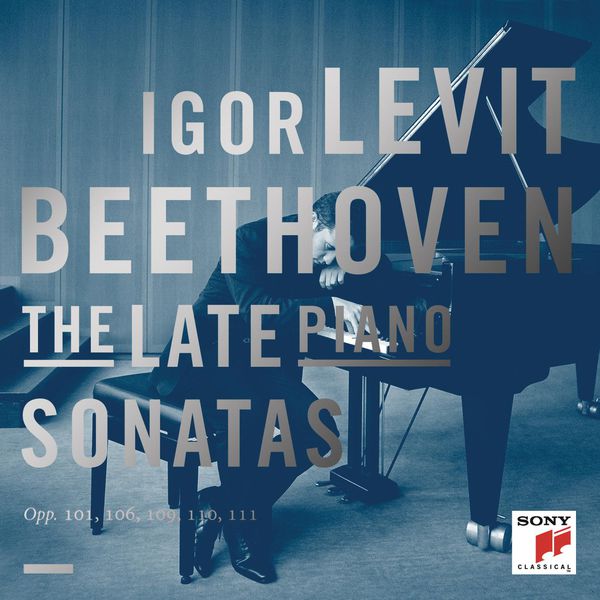
Igor Levit Beethoven The Late Piano Sonatas Sony Classical 24 96 2015

And how! This is not only technically impressive (the Hammerklavier always is) but such a high level of musicality. Again, watch this artist!


  • Ivan Moravec

Very simply, for the most beautiful Chopin Nocturne recording there is, see my review here. But basically, his other Chopin is also excellent. I actually don’t have any recording from other composers by him. I’ll investigate!

Ivan Moravec Chopin Nocturnes


  • Murray Perahia

No idea why I haven’t written more about Perahia. I’ve mentioned him as one of my favorite Goldberg players, and his Bach in general is excellent (will need to write about his new French suites at some point).

But fundamentally, this is one of the pianists that really adds new insights to whatever he touches. Never flashy, never show-off, but always nuanced.

As an example, let me take his Schumann, which is among the best recordings I know of these little gems:
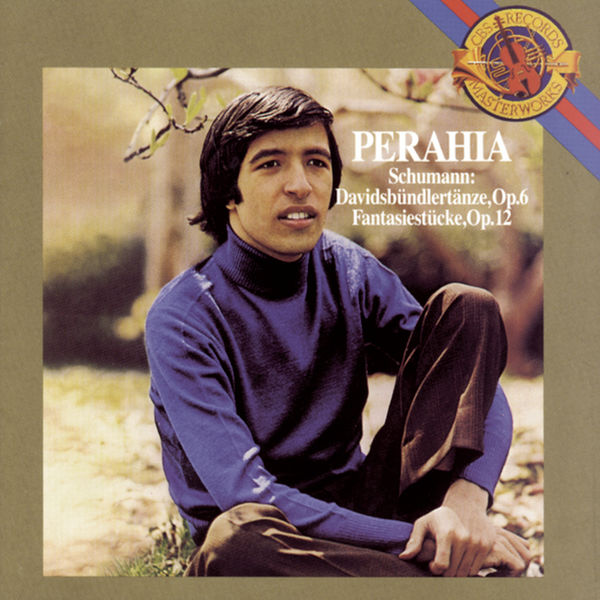
Schumann: Davidsbündlertänze, Fantasiestücke Murray Perahia CBS Sony


  • Krystian Zimerman

Again, an artist I haven’t mentioned enough. A living legend to me, winner of the 1975 Chopin competition in Warsaw (he’s the third from this illustrous list, together with Argerich and Blechacz).

Which album to mention? Usually he records relatively few albums, so you can pretty much trust them to be top notch in general.

My preferred is probably his Chopin Ballades:
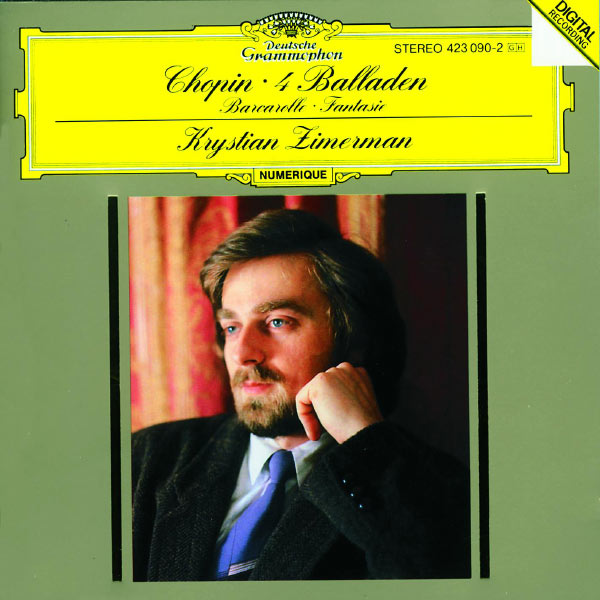
Chopin: 4 Ballades, Barcarolle, Fantasie Krystian Zimerman Deutsche Gramophon

I’ve heard him play live couple of years ago, including the Barcarolle. He maybe the most intellectual pianist I’m aware of, and you can hear the cerebral approach he takes. That said, this isn’t to say that his music isn’t full of emotion.

I could also have mentioned his Chopin piano concerto recordings, be it with the LA Phil or the Polish Festival orchestra, both are among the best there is for these works.


What do You think?

So, here we go. What do you think? Do you agree, disagree? Did I miss anybody (I’m sure I did, with this artificial cut off of 10). Please let me know?

You can find the albums mentioned here in the respective links to previous posts, or below:


Classical Life

A classical music blog by music critic Tim Mangan

This Week's Music

Making Classical Accessible

From my Macbook to the Net

Evaporation of my thoughts and observations

Elestra

Author: Artienne

My Life in Music

Playing, Singing and Listening

ArsX3

A brand new journal reviewing books, cinema, music

LawrenceEz's Blog

Creative and Performing Arts: Writing, Classical Music, Photography

Laetitia Strauch-Bonart

Contemporary Politics & Culture

sibling revelry

reveling in all things classical

It's A Raggy Waltz

I collect jazz on vinyl, I dig the Dave Brubeck Quartet, & I write about it

La Musica

By two cousins

thejazzbreakfast

Dishing it out from the heart of England

only jazz

random thoughts about music that matters to me

The Culture Project

Exploring the world of literature, wine, art, music and more.

René Spencer Saller

The music causes me to dream of fabulous empires, filled with fabulous sins.

Breaking Baroque

Blog of Tafelmusik Baroque Orchestra and Chamber Choir

Tasting Nirvana

Eating your Dosha

Shadow of Iris

Poetry, fiction, short stories, more ...

The Immortal Jukebox

A Blog about Music and Popular Culture

April Greene

Writer + Editor

a pianist's musings

A history of your favorite classical music.

Classical music for all

Boris Giltburg's blog

I HEAR VOICES

An orchestra seat in the web space