My Reflections on the 2016 Gramophone Awards (Part V): All The Rest

And All The Rest

After 4 parts on my favorite categories of the 2016 Gramophone Award nominations, I discovered that I simply don’t have enough to say about most albums in the other categories, so I decided to lump all remaining categories (Baroque Instrumental, Choral, Contemporary, Early Music, Opera, Orchestral, Recital, Solo Vocal) into one big “super-post” and only write about the albums I really care about in this remaining sections.

So, here we go:

Baroque Instrumental

Masaaki Suzuki plays Bach Organ Works (BIS 2016)

I must admit, I bought this album initially because I finally wanted to have a well recorded modern version of the Toccata d-minor BWV565, probably Bach’s best known work even for lay people.
Masaaki Suzuki plays Bach Organ Works BIS 2016 24/96

Well, that and the fact that I truly admire Masaaki’s efforts with the Bach Collegium Japan, and have pretty much his entire Cantata cycle. So I was curious to hear him as a soloist.

Well, I wasn’t disappointed. BIS can usually be trusted for recording quality, and this recording delivers (although has quite a bit of reverb from the Marinikerk in Groninen, so if you don’t like this, look elsewhere).

The good thing of this album is as well that once you go beyond the Toccata earworm, there is lots of beautiful music to discover. I don’t listen to organ very regularly, so this album pushes me in the right direction.

And Masaaki surely knows how to play. This album has received some controversial reviews, some like Diapason and obviously Gramophone love it, some critisize Suzuki takes too many liberties. Well, I’m certainly in the first camp.

My rating: 4 stars


WF Bach Keyboard Concertos – Maude Gratton (Mirare 2015)
Wilhelm Friedemann Bach: Concertos pour Clavecin et Cordes / Cembalo Concerts Maude Gratton Il Convito

I’ve reviewed this album previously and unfortunately, it still isn’t my cup of tea.


Biber: Rosary Sonatas – Rachel Podger (Channel Classics 2016)

Ah, Rachel Podger. I’m a big fan, and like pretty much everything she recorded, see also here.
Biber: Rosary Sonatas - Rachel Podger Channel Classics 2016 DSD

Sometimes, even in the music world, there seem to be trends.

You barely heard about Heinrich Ignaz Franz von Biber (to quote his full name) for years, and all over sudden, you get 3 recordings of the Rosary Sonatas in a row.

Not sure about the exact order, but we got Ariadne Daskalakis on BIS, Hélène Schmitt on Aeolus, and Rachel Podger in the space of about 12 months.

What’s even more difficult: all of the above are very good.

Nevertheless Podger has an edge over the two others in my ear due to the sheer beauty of the playing. Now, you could argue, is beauty the right approach for these works.

Well I’m not religious, but if Wikipedia is correct, the Mystery of the Rosaries are meditations on important moments in the life of Christ and the Virgin Mary. I personally would want these to be beautiful. The outstanding recording quality of Channel Classics in DSD only makes it more breathtaking. 

My rating: 5 stars

In any case, check out the two others as well before buying.

My prediction

So who will win in the category? Both Suzuki and Podger have made it into the final three, I’d expect a tight race here. I personally give the edge to Podger.

Opera

I recently bought Netrebko’s beautiful recording of Tchaikovsky’s Iolanta and enjoyed it a lot, so I really need to check out the recording of Pique Dame that Gramophone recommends here by Mariss Jansons, but I haven’t done so yet, so will refrain from any comment at this stage.

The only album in the opera category I’ve heard (and own) is:

Verdi: Aidi – Antonio Pappano – Anja Harteros – Jonas Kaufmann (Warner 2015)
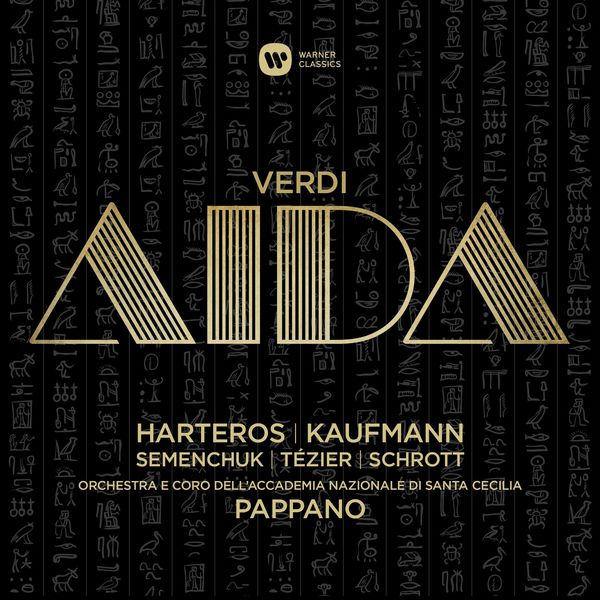
Verdi: Aida Pappanis Anja Harteros Jonas Kaufmann

Well, no change to my previous five star rating (see the review here), and I wouldn’t be surprised if this album will also win. Like the Tchaikovsky mentioned above, it made it into the final three candidates.

Orchestral

I’m a bit surprised myself that I wasn’t able to write a dedicated blog post about the Orchestral category, but there are simply too many albums nominated from composers that I dont’ care enough about, often 20th century, from Casella, Dutilleux, Elgar, to Vaughan Williams.

So just a quick note about two albums in this section:

Schubert: Symphony No. 9 – Claudio Abbado – Orchestra Mozart
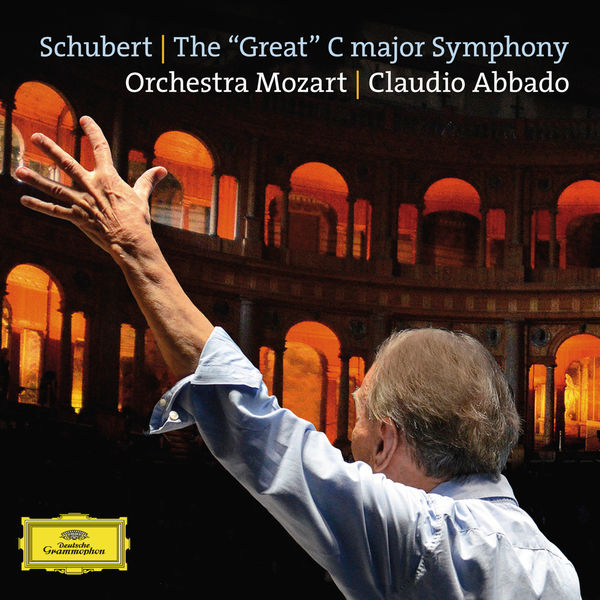
Schubert Symphony No. 9 Abbado Orchestra Mozart Deutsche Grammophon 2015

Going to be brief here, I love a lot of the stuff that Abbado did with his Orchestra Mozart, this isn’t my favorite. I’d much rather go with Dohnanyi as reviewed here.

And then there is Andris Nelson’s BSO recording of Shostakovich symphony no. 10. I don’t have that one yet, but really like his even more recent release of symphonies no. 5 and 9.
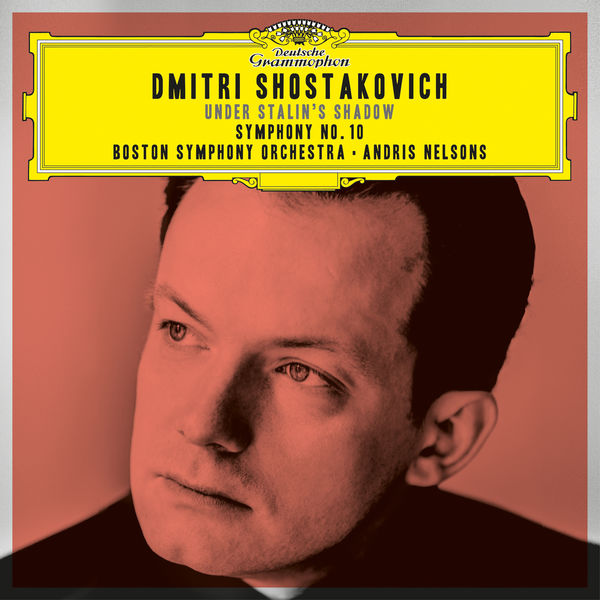
Shostakovich Symphony No. 10 Andris Nelson Boston Symphony Orchestra Deutsche Grammophon 2016 24 96

Given that I haven’t heard 90% of the albums in this category, predicting the winner is obviously preposterous. But I wouldn’t be surprised if Nelsons wins here.

Recital

I’ve only spent a decent amout of time with one album in this section, the excellent Weber Sisters.

A side note on the Ricercar Cavalli album, I skipped through it, but found the Christina Pluhar album released pretty much at the same time more exciting. I may need to revisit that though.

And I gave Jonas Kaufmann’s Nessun Dorma as a present to my mother-in-law, she’s a big Kaufmann fan, and I must admit, the album is really worth checking out.

Mozart and the Weber Sisters – Sabine Devieilhe – Raphael Pichon – Ensemble Pygmalion
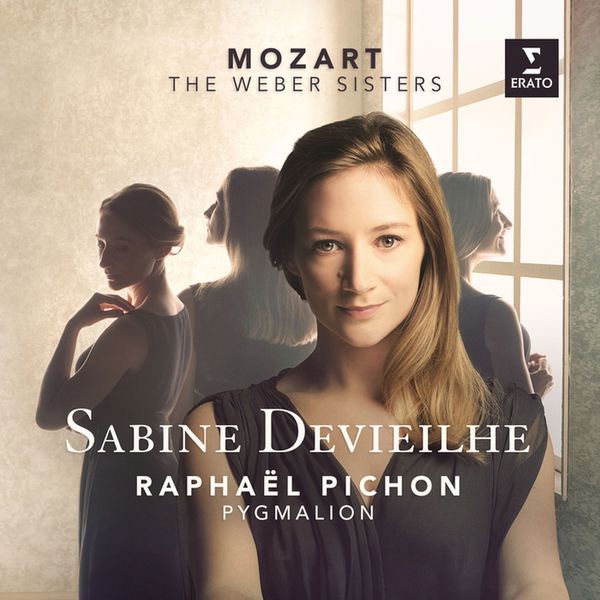
Mozart: The Weber Sisters Sabine Devielhe Raphael Pichon Pgymalion Erato 2015

I’ve already reviewed this album, with 5 stars.

And I keep going back to it over and over again.

This is again one of the rare birds of albums where Classica (Choc de l’année), Diapason (5 stars), Gramophone (Editor’s choice, Gramphone Award nominee), and Telerama (4F) all agree.

She is nominated among the final 3 contenders in this category, I really hope she wins!


So in summary: Podger’s Biber, Pappano’s Aida, and Devielhe’s Mozart are the must have albums for me here, with Suzuki’s organ works also highly recommended.


What do you think? I’d love to hear your opinions!


You can find the albums here:
Bach Suzuki Organ Works

WF Bach Cembalo Concertos

Biber Rosary Sonatas Podger

Verdi Aida Pappano

Schubert 9 Abbado

Nelsons BSO Shostakovich 10

The Weber Sisters


My Reflections on the 2016 Gramophone Awards (Part IV): Chamber

This is the 4th part of a series of posts about the nominated albums for the 2016 Gramophone Awards. You’ll find the rest of the series here.

Chamber Music

I’ve written quite a bit about chamber music on my blog already, it is one of the most beautiful and intimate forms of classical music.

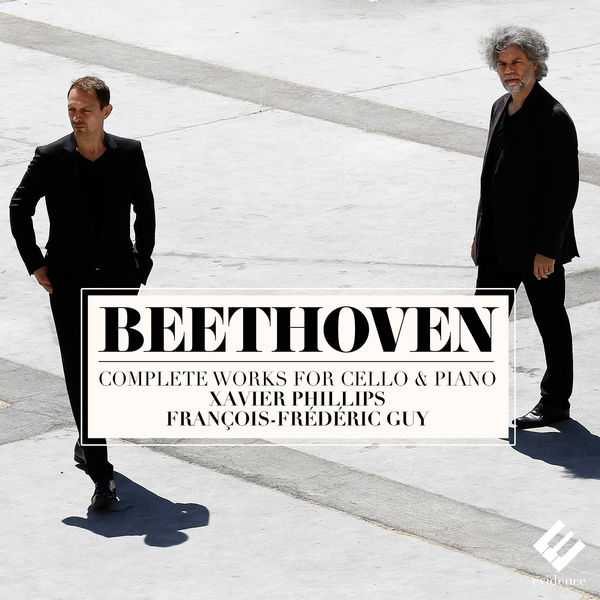
Beethoven: Complete Works for Cello and Piano – Xavier Phillips – François-Frédéric Guy (Evidence 2015)

I’ve only recently “discovered” François-Frédéric Guy for me, in his album of the Brahms piano sonatas, reviewed here. As you can see from that review, I was really impressed with wh

Beethoven: Complete Works for Cello & Piano - Xavier Phillips - François-Frédéric Guy Evidence 2015

Xavier Phillips was another new name to me (which also tells me I’m not reading Gramophone with enough attention, given that all of these award-nominated albums obviously were previously praised by Gramophone).

The catalogue of complete Beethoven cello recordings has seen two recent excellent addition in recent years, with the excellent Steven Isserlis and Robert Levin on fortepiano (Gramophone Award finalist in 2014) on Hyperion, and even more recently Jean-Guihen Queyras and Alexander Melnikov.

So do we need yet another new recording? Well, while this new album doesn’t replace Isserlis and Queyras, it is certainly a strong contender.

As said before, I really liked Guy on Brahms, and his transparent, clear style works very well here. Phillips has a beautiful tone, and this recording, while very singing, has also a certain etheral style to it. Very much worth checking out.

My rating: 4 stars

Berg: Lyric Suite – Renée Fleming and Emerson Quartet

Berg/Schönberg/Webern: Belcea Quartet

Berg: Lyric Suite - Emerson String Quartet Decca 2015

Berg Webern Schönberg: Chamber Music Belcea Quartet

Berg twice, plus some more Zweite Wiener Schule.

As much as I love the Klimt on the cover, I’ve tried over and over again to get used to this kind of music, but haven’t managed. It’s just not my cup of tea. I can listen to Berg’s Violin concerto occasionally, but beyond that, the only thing I want is find my Ipad remote and turn back to Beethoven or Brahms as soon as I can.

Given my complete lack of competence and understanding here, I’ll just shut up and let you make up your own mind (you’ll find the Qobuz links below).

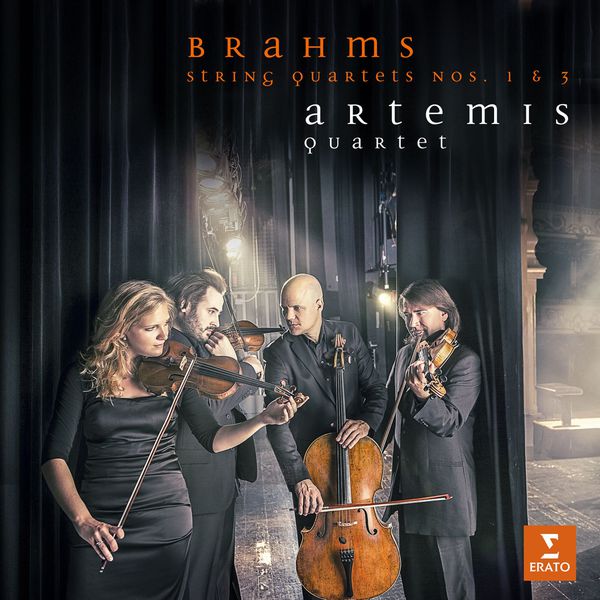
Brahms: String Quartets 1 & 3 – Artemins Quartet

Now we’re getting back to a composer I absolutely love (see also the subtitle of my blog).

That’s the good news.

Brahms: String Quartets No. 1 & 3 - Artemis Quartet Erato 2016

Now to the bad news: I personally think that Brahms’ String Quartets are among his weakest contributions to the genre of chamber music. I love everything he did with piano (naturally, he was a very good pianist), I like his string sextets and quintets already a bit less, and I never got to like the string quartets.

Honestly, when I want a string quartet, I’ll just pick between Schubert, Beethoven, Haydn, and occasionally Mozart. More than enough brilliant choice here.

But you don’t care about that, you care about what I think about their playing? Well, here’s the problem: If I don’t really like the music, my judgment is clouded at best. Sure, they do a fine job, but the entire thing just doesn’t touch me enough. So this will be another one where I refrain from any rating. Just so much: If you unlike me like the Brahms quartets, it’s worth checking out (which you probably would have guessed without me as well).

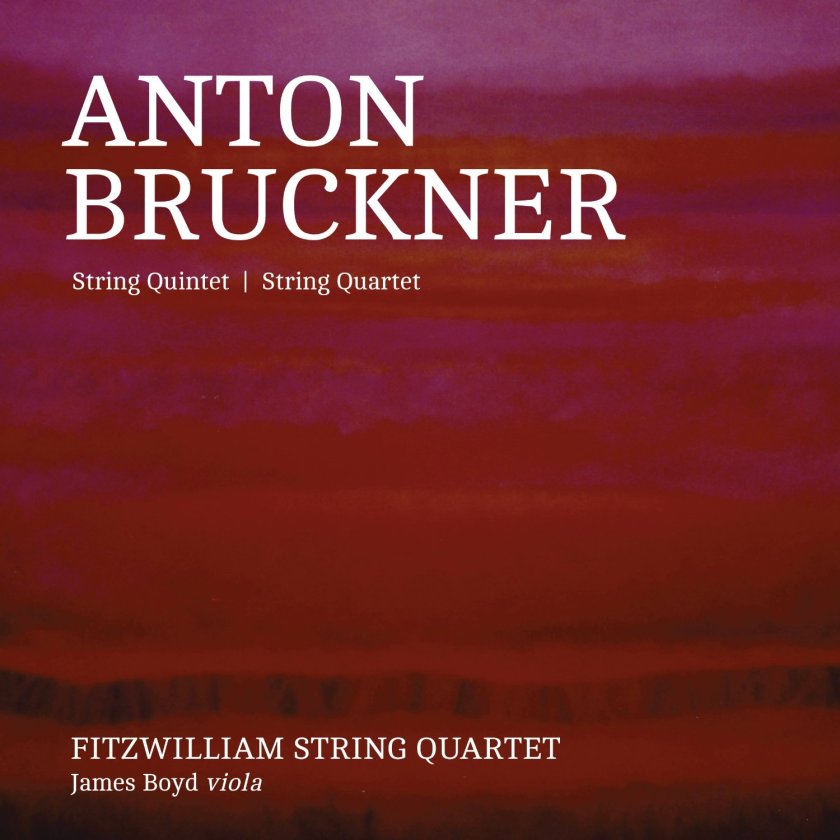
Bruckner: String Quartet, String Quintet – Fitzwilliam Quartet

You may, like me, rub your eyes and ask yourself if you just ended up in the wrong section. No this is not “orchestral”, we are in chamber music.

I must admit somewhere in the back of my head I had heard Bruckner did some Chamber music, but seriously had never heard it before. I could double check this fact, as my pretty large digital library doesn’t contain a single recording of these works.

Well at least I’m not alone, even the 30M+ library of Qobuz only features a very small handful of recordings of this work.

Bruckner: String Quintet - String Quartet - Fitzwilliam String Quartet - Linn Records 2016

Now the problem: The Fitzwilliam has recorded on Linn Records. While this usually means you get excellent recording quality, it also means no streaming.

Now, from the couple of other albums available for streaming of these works I must admit I haven’t made up my mind if I care enough about them to buy this new album (currently I rather don’t think so). Don’t get me wrong, I love Bruckner (see here), but I’m not sure his chamber music is for me.

So another album without any rating from my side. Sorry.

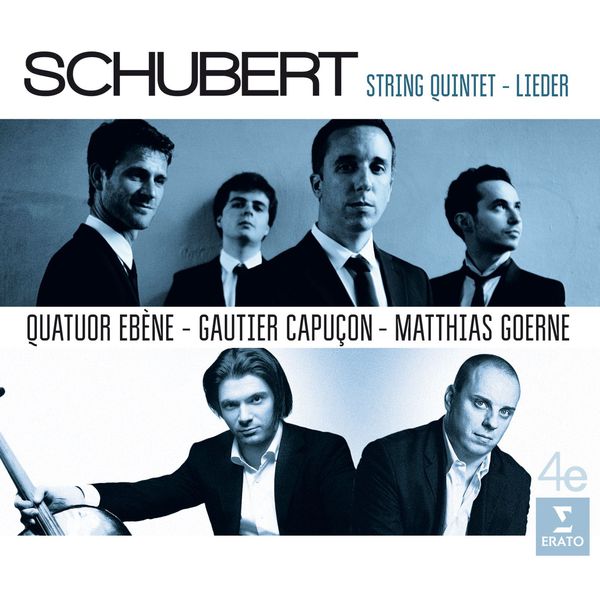
Schubert: String Quintet – Quatuor Ebène

Schubert String Quintet - Lieder - Quatuor Ebène - Gautier Capuçon - Matthias Goerne ERATO 2016

NOW we’re talking. Already reviewed here, and I can only reiterate my strong 5 star rating here. Just go, get it!

Tippett: String Quartets – Heath Quartet

Who? Could you repeat that name?

Well I shouldn’t brag, rather shut up, this just shows again how ignorant I am in 20th century music.

But as I’ve previously said about Britten, I love English composers. Especially when they are called Purcell. Or actually, only if they are called Purcell. For all the rest, really not my cup of coffee (or more appropriately, tea).


So, who should win?

Well, if you’ve read so far, you’ll have noticed that I’m rather biased this time (ok, all the time), and actually would give the Award without hesitation to the Quatuor Ebène.

Well, but I’m not Gramophone, and knowing the three finalists the jury there has chosen (they were released some days ago), I know they won’t make it. The Beethoven, my other favorite, is out as well.

Basically, the Emerson Berg, the Artemis Brahms, and the Heath Tippett are in the final selection.

Well, over and out for me at this stage. Let Gramophone’s jury do their job.


You can find the albums here:
Beethoven Cello Philips

Berg/Emerson

Belcea

Brahms Artemis

Bruckner

Schubert

Tippett


My Reflections on the 2016 Gramophone Awards (Part II): Baroque Vocal

The Gramophone Awards 2016

Following yesterday’s post on the Gramophone Awards Nominees in the Concerto category, let’s attack another one: Baroque Vocal. Again, this isn’t meant to be an exhaustive review of the nominated albums, but just a couple of comments and reflections, as usually I’ll know quite a number of the recommendations well.

And if I don’t, I’ll try to find out (or shut up).

Baroque Vocal

Baroque vocal is not surprisingly one of my favorite categories. As written previously, you can never have enough Bach.

The good thing is, this year’s Gramophone award nominees in this category feature 3 times this great composer, even twice with his outstanding b-minor mass (sorry for all the superlatives here, but what else can you call this?).

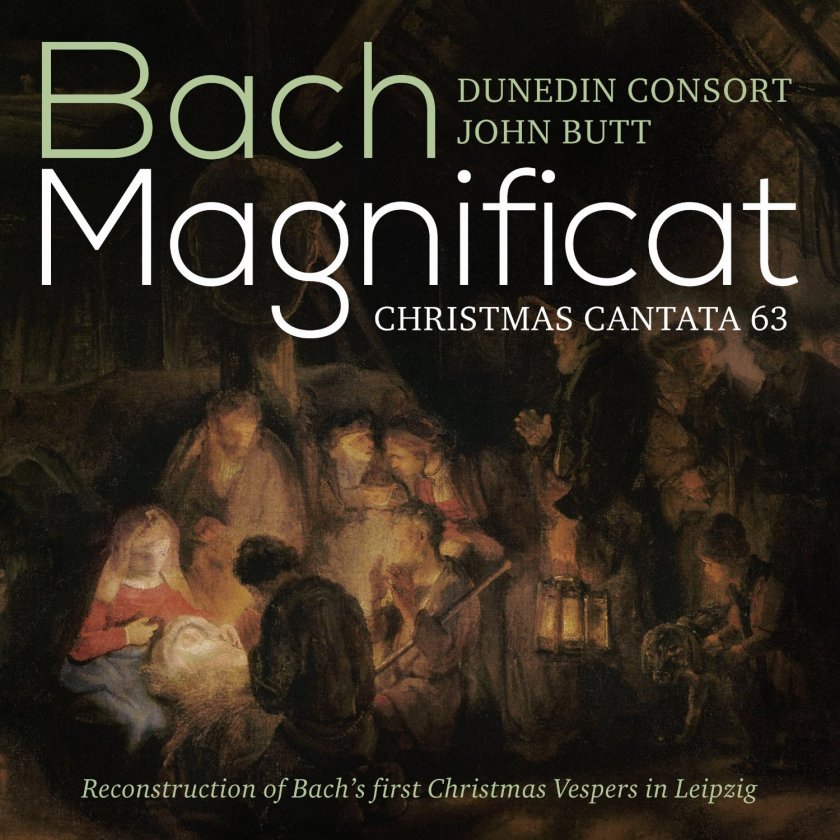
Bach: Magnificat – John Butt – Dunedin Consort

Gramophone starts very appropriately for this hot summer season with… Christmas Music.

Well, actually, the title piece is the Magnificat BWV 243a, which is as magnificent as the name implies. I’ve praised John Butt and his Dunedin consort several times here on this blog (e.g. his fantastic St Matthew Passion), and this album keeps the very high level of playing of this great ensemble (plus the beautiful recording quality of the Scottish label Linn, known for their turntables, and more recently, excellent digital hifi).

Bach: Magnificat Christmas Cantata 63 John Butt Dunedin Consort Linn Records

You also get a Christmas cantata plus some other church music (this is trying to recreate Bach’s first Christmas Vespers as he could have performed them), so make sure you get this excellent album under your Christmas tree this year (side note: this is one of the downside of the virtual download era, a FLAC file doesn’t look that pretty even wrapped).

My rating: 5 stars

Bach: B-minor Mass by Gardiner and the Monteverdi Choir

Bach: Mass in B-Minor - Gardiner (2015) - SDG

Already reviewed here, so no need to repeat my four star rating. Very well done, but I still prefer Herreweghe (no matter which version, see also here).


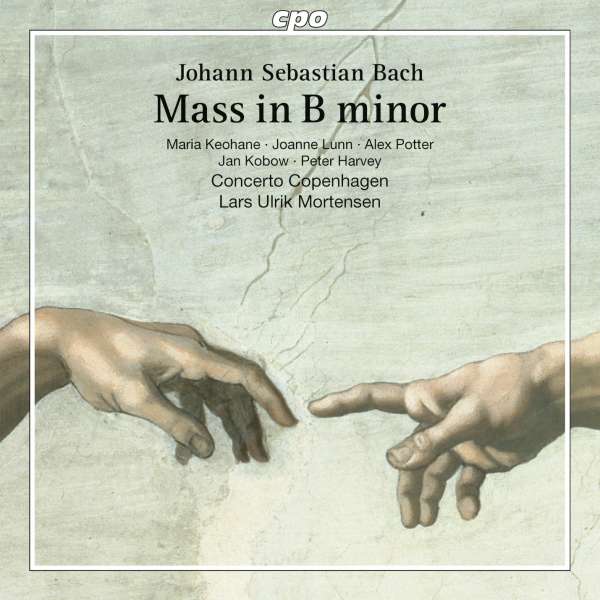
Bach: B-minor Mass by the Lars Ulrik Mortensen and the Concerto Copenhagen

Bach: Mass in B Minor Lars Ulrik Mortensen Concerto Copenhagen CPO

Yes, another version of the masterpiece. And admittedly one I haven’t heard. This is mainly due to the fact that this SACD release doesn’t seem to be available on my streaming provide of choice.

Mortensen’s recordings of the Bach keyboard concertos are, and I’m not a big fan. However, the couple of snippets of this b-minor I was able to find on the internet sound interesting. The couple of reviews I’ve read speak of a lot of transparency. Once this becomes available on a streaming site I’ll have another look, and if you have an SACD player, you may even want to check it out right now.


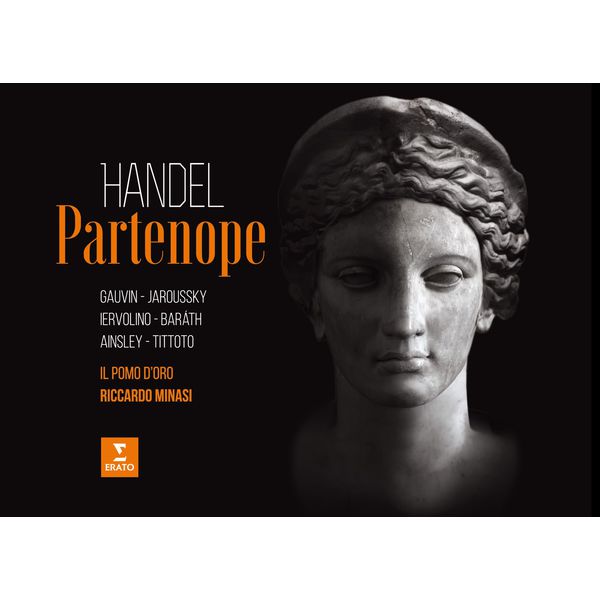
Händel: Partenope – Riccardo Minasi – Il Pomo d’Oro

From baroque giant no. 1 to no. 2, Händel.

Händel: Partenope - Riccardo Minasi - Il Pomo d'Oro - Gauvin - Jaroussky Erato 2016

No idea why I haven’t purchased this one yet. I’m usually a big fan of the countertenor Philippe Jarrousky, and Riccardo Minasi is very reliably producing high level baroque productions.

And Erato (in spite of being part of Warner these days) is also a gauge of quality.

In spite of this album being available on Qobuz, I haven’t spent a lot of time on this recording yet, so I’m not going to offer any judgment beyond that I like what I’ve heard so far.


Monteverdi: Madrigali Vol. 1 – Cremona – Paul Agnew – Les Arts Florissants

First of all, reading “Les Arts Florissants” and not seeing William Christie in the same entry is a bit weird. They have been associated for so many years (and I’m looking forward to seeing him live again in the soon to open Hamburg Elbphilharmonie early next year).

But Paul Agnew, his disciple, does an outstanding job there.

Monteverdi: Madrigali vol. 1 Cremona Paul Agnew Les Arts Florissants 2016

I must admit I listen to Monteverdi less than I should. While my musical brain feels immediately at home in the harmonic world of a Bach and Händel, the 100+ years between them and Monteverdi, the very beginning of what can be called baroque music, makes is much less immediately approachable to me.

However, when I’m in the mood and have the patience, it can be a very rewarding experience.

Again, I haven’t spent enough time with this album for proper judgment, but my initial impressions are very positive.

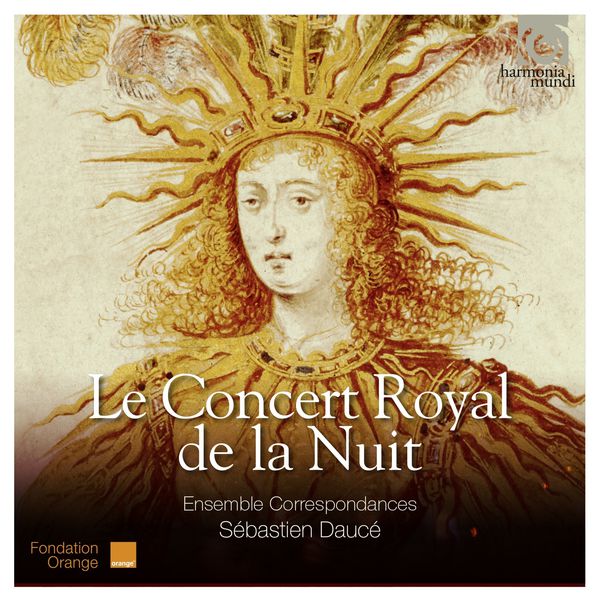
Le Concert Royal De La Nuit: Sebastian Daucé – Ensemble Correspondances

From Germany via England (Händel) and Italy now to France (Well to be fair, of the previous mentioned countries, only France and England actually were countries, Germany and Italy still had to wait for a couple of centuries for this pleasure).

And directly to the court of the Sun King, Louis XIV.

Why haven’t I written about this fantastic album yet, although I purchased it months ago? No idea, shame on me. This is putting you directly into the front row at Versailles, into a musical spectacle of first order.

Le Concert Royal de la Nuit: Sébastian Daucé - Ensemble Correspondances Harmonia Mundi 2016

I must admit, I didn’t know any of the composers previously (I’m not a great expert in French music in the first place), but the booklet quotes them as:  Cambefort, Boesset, Constantin, Lambert, Cavalli and Rossi.

Never mind, just sit back, close your eyes, and enjoy the beauty of the music!

By the way, this was also a Choc Classica in addition to the Gramophone Editors choice. It is rare that these two magazines agree, but if they do, it’s usually on something rather outstanding.

My rating: 5 stars

Now, the tricky question, who should win this year’s Gramophone Awards? My guess is Gardiner will make it, as a sort of lifetime award (and having seen him live earlier this year, he’d certainly deserve it).

But my personal call would go for the outsider: Sébastian Daucés account of a night at Versailles. Let’s see.

Who would you choose?


UPDATE Aug 18: Gramophone has just communicated the three finalists for each category. For this one, still in the running are the Dunedin Magnificat, the Monteverdi, and the Concert Royal. So my personal favorite has a one in 3 chance of winning. Nice!


You can find the recordings here:

Bach Magnificat Dunedin

Bach B-minor Mass Gardiner

Bach B-Minor mass Mortensen

Händel: Partenope

Monteverdi: Madrigali vol. 1

Le Concert Royal de la Nuit


Nézet-Séguin’s Figaro – Nice, but lacking some sparkle

I don’t regularly write about opera, as I don’t really consider myself an opera expert. I come from instrumental music, and tend to judge operas much more on the orchestral performance than on the singers.

But then again, occasionally there are operas I really care about and therefore feel comfortable enough sharing my impression. My favorite opera composer by far is Mozart, and I’ve mentioned Jacobs’ beautiful Idomeneo in My Must Have Mozart Albums

Furthermore, there is one more five star rating opera review, Nézet-Séguin’s Cosi Fan Tutte, recorded live in  Baden-Baden. Cosi is my absolute favorite Mozart opera, closely followed by Le Nozze di Figaro.

So as you can kind of guess, when Nézet-Séguin’s Figaro was very recently released, I clicked buy pretty much instantaneously.

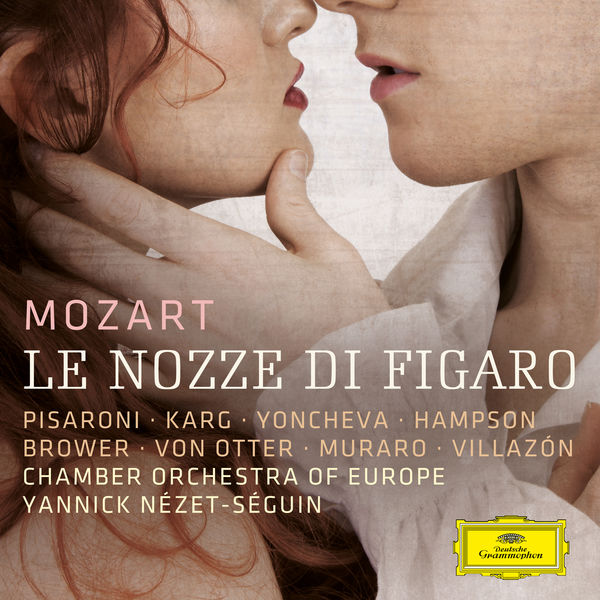
Le Nozze di Figaro – Nézet-Séguin (Deutsche Grammophon 2016)

Mozart: Le Nozze di Figaro - Yannick Nézet-Séguin - Chamber Orchestra of Europe 24/96 Deutsche Grammophon 2016

Maybe I should have used my streaming subscription first.

No, that’s a bit harsh, I don’t expect to regret the purchase. It’s just that after the great Cosi I just expected more. I expect drive, lightness, sparkle! Just what the libretto of this slightly silly story requires.

And what we get here is slightly different. Nothing really wrong, beautiful singers, and the COE plays well, but there is the certain “Je ne sais quoi” missing.

I mean, we have with Thomas Hampson and Sonya Yoncheva a beautiful Almaviva couple.

However, both Pisaroni and Karg convince me a bit less. They sound a bit too much Belcanto, and not enough Mozart, if you know what i mean.

And even Nézet, who usually plays so energetically, just takes a slightly lower, heavier tone here with the COE. Nuances, I admit, but I still rather go back to Jacobs, Erich Kleiber, or James Levine at the Met.

I’m curious to hear if these are only my personal impressions, or if you share them. Please agree or disagree with me in the comments section!

My rating: 4 stars (it is still very much worth owning, may just not be the best out there)

You can find it here (Qobuz) and here (Prestoclassical)

UPDATE Aug 15: Gramophone agrees with me in their September 2016 issue, saying that “the drama slips through his [Nézet-Séguin’s] fingers at some places.

Christoph von Dohnányi – A Totally Underrated Conductor

Christoph von Dohnányi

Why are conductors get so much more well known that others? The classical music industry has it’s own mechanisms of getting attention. I’m not sure I’ve fully understood them yet.

In any case, let me take a recent release by German conductor Christoph von Dohnányi as trigger to write about this conductor I really like a lot, but probably isn’t as famous as he could (or should?) be?

Von Dohnányi, born in Berlin in 1929, started his training as… a lawyer. Yes, he went to law school in Munich before deciding that music was more his thing. Well to be fair, he had some family history, his father Ernst (Ernö) von Dohnányi  was a pianist and composer.

You could assume that  Dohnányi’s talent was rather quickly recognized, given that in his early years he worked with giants like Leonard Bernstein and Georg Solti.

Later on, he became conductor of major orchestras like the Cleveland Orchestra, that Georges Szell had really turned into a world class ensemble, and the Philharmonia orchestra, of Karajan and Klemperer fame.

He also worked with many other leading orchestras, be it in Boston, New York, Paris, or Vienna.

His recording of the Mendelssohn symphonies with the Vienna Philharmonic are still among my absolute favorite versions, especially for no. 3 and 4.

Nevertheless, I as said initially, I don’t see his name pop up as often as you think as one of the great conductors of our time.

Schubert’s Symphonies

I’ve said it before, I’m not a big fan of Schubert’s symphonies in general. OK, there is the beautiful Unfinished, but anything before that to me is only of passing interest. On the other hand, Schubert obviously was an absolute genius for chamber music (e.g. here, and here), piano music (see this review), or the Lied. Unfortunately, he passed away way too early. You can only wonder what Schubert’s music would have been had he reached the age of Beethoven or Brahms.

I also have somehow a difficult connection to his so called Great Symphony, or no. 9 in C-major.

Side note: Actually C-major is a really boring key. It’s the one you play on a piano if you just leave out all the black keys. By musicologists and composers it is often described as noble and majestic. I personally like minor key quite a bit more. But let’s close the parenthesis here.

What really annoys me (well that’s a strong word) about Schubert’s symphony no. 9 is what Robert Schumann called the Himmlische Längen (heavenly length) of this work, there are just some repetitions too many for me.

But that minor annoyance set apart, it is still a beautiful piece of music.

Especially when it get’s played by a conductor I really like…..

Schubert: Symphony No. 9 – Live in Concert – Christoph von Dohnányi – Philharmonia Orchestra (Signum Classics 2016)


Schubert: Symphony No. 9 Live In Concert Christoph von Dohnanyi Philharmonia Orchestra Signum Classics

Another parenthesis here: what do you plan to do when you’re about to turn 87 years old? Still working? Probably not.

Well, not so for our hero of the story here, who recorded this beautiful album at the age of 86, in a live performance.

What do I like about this recording?

Well, in a nutshell it has just the right balance of gravitas and lightness that this work needs. You have the big sound of a major orchestra, but there is never anything static about it, always positive tension, and most of all, a lot of fun and joyfulness.

I suggest you read this insightful interview with the conductor about this particular recording here on Prestoclassical.

My rating: 4 stars

You can find it here (Qobuz), and here (Signum Records)


Recommended: Julia Hülsmann Trio – Imprint

The Jazz Piano Trio

I’ve said it before, we really do live in the Golden Age of the Jazz Piano trio (actually, I’ve even started a discussion thread on this prior to starting this blog, see here (http://www.computeraudiophile.com/f15-music-general/are-we-living-golden-age-jazz-piano-trio-18603/)

Women in Jazz?

Are we living in the Golden Age for female Jazz musicians? Probably not yet. Traditionally, in Jazz women were pretty much set to the role of singer. If they could play the piano, even better (e.g. Nina Simone, Diana Krall, or more recently Sarah McKenzie), all fine, but go find a female instrumentalist, and you’ll have a much harder time. Carla Bley, Hiromi, Maria Schneider, and that’s were my list (from memory) ends.

Hold on, there is one more (actually 2-3 more, watch this space for future articles):

Julia Hülsmann

Julia Hülsmann, German, is one of these exceptions (and actually, has studies with Maria Schneider in the past).

Her regular trio is featuring two other excellent musicians, Mark Muellbauer on bass and Heinrich Köbberling on drums.

I discovered her during the release concert of her album Imprint at Moods in Zurich, back in 2011, and this album to this day remains my favorite one of her.

Since then I’ve also seen her play live with Theo Bleckmann music from her latest release of Kurt Weill music (to be reviewed another time) at Nochtspeicher in Hamburg.

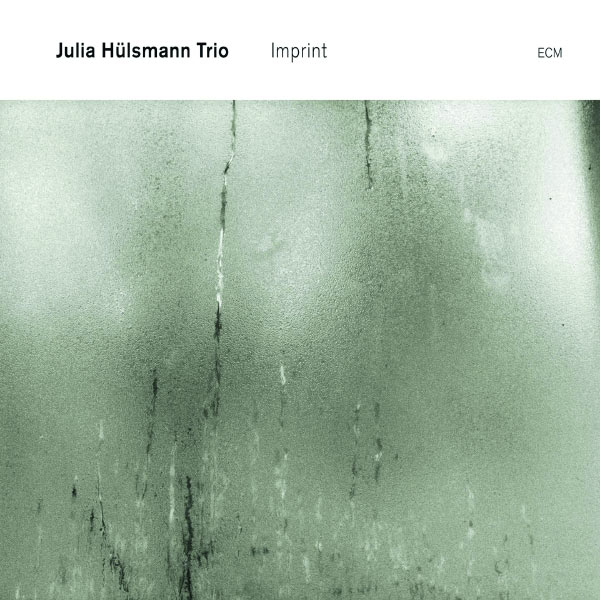
Julia Hülsmann Trio: Imprint (ECM 2011)

Julia Hülsmann Trio Imprint ECM 2011

Imprint is her second album on ECM after the equally exciting The End Of Summer. 

My favorite tracks are Grand Canyon, with a great rhythmic drive,  Zahlen bitte, which starts with a great drum solo by Köbberling, and Ulmenwall. The album is typical ECM house style, very lyrical, and very well recorded.

My rating: 4 stars

You can find it here (Qobuz), and here (HDtracks)

Recommended: Ted Rosenthal Trio – My Funny Valentine – A Review

This album was flagged to me some time ago by fellow music lover Melvin, and I must admit it is really nice.

I’ve been collecting piano trio albums for quite a while now, and this was a great new discovery for me.

Ted Rosenthal Trio: My Funny Valentine (Venus 2008)

Ted Rosenthal Trio My Funny Valentine 2008

NYC based Ted Rosenthal plays here with George Mraz and Al Foster.

This album reminds me a lot of Oscar Peterson, and actually, George Mraz at some point has played with Oscar.

This album is all about relaxed swing, some may think it is a bit too “straight”, but if you like this kind of style (e.g. Oscar Peterson’s Night Train) you should really give it a go.

Beyond Mraz, Al Foster really is the driving force behind this album. This drum legend, who has played with all of the great Jazz names from (Miles Davis, Herbie Hancock, Joe Henderson, Wayne Shorter, etc. etc., it’s nearly easier to list who he hasn’t played with).

Already the starting track is really nice: You’d Be So Nice To Come Home To, a standard I have on more than 10 albums, including Keith Jarrett (it’s on At The Blue Note), this could easily become one of my favorite versions.

Another highlight follows: the title track, My Funny Valentine, a beautiful ballad of nearly 7 minutes.

And you’ll find another great classic near the end of the album: Summertime, in a truly enjoyable version.

Recommended!

My rating: 4 stars

You can find it here (Qobuz, as 16/44 download) and here (Acoustic Sounds, the original SACD)

Classical Life

A classical music blog by music critic Tim Mangan

This Week's Music

Making Classical Accessible

From my Macbook to the Net

Evaporation of my thoughts and observations

Elestra

Author: Artienne

My Life in Music

Playing, Singing and Listening

ArsX3

A brand new journal reviewing books, cinema, music

LawrenceEz's Blog

Creative and Performing Arts: Writing, Classical Music, Photography

Laetitia Strauch-Bonart

Contemporary Politics & Culture

sibling revelry

reveling in all things classical

It's A Raggy Waltz

I collect jazz on vinyl, I dig the Dave Brubeck Quartet, & I write about it

La Musica

By two cousins

thejazzbreakfast

Dishing it out from the heart of England

only jazz

random thoughts about music that matters to me

The Culture Project

Exploring the world of literature, wine, art, music and more.

René Spencer Saller

The music causes me to dream of fabulous empires, filled with fabulous sins.

Breaking Baroque

Blog of Tafelmusik Baroque Orchestra and Chamber Choir

Tasting Nirvana

Eating your Dosha

Shadow of Iris

Poetry, fiction, short stories, more ...

The Immortal Jukebox

A Blog about Music and Popular Culture

April Greene

Writer + Editor

a pianist's musings

A history of your favorite classical music.

Classical music for all

Boris Giltburg's blog

I HEAR VOICES

An orchestra seat in the web space