#GERUKR differently: Brahms Piano Concerto no. 2 with Gilels (UKR) and Jochum (GER)

No, this is blog is not suddenly turning into a sports blog.

To explain the title hashtag to my non-EU readers: we currently have the Football Euro Cup 2016  going on in France (the real football, not the one where guys in funny plastic armor carry an egg around and jump at each other), and Germany just won against the Ukraine 2:0.

Emil Gilels

Let me instead write about my favorite Ukrainian of all times (and no, it’s not Vladimir Klitschko, and this is still not a sports blog): Emil Gilels. Born in Odessa, which seems to be a hotbed for great musicians, he is probably one of the best Brahms players I’ve ever heard.

Brahms Piano Concertos

More than one year into the life of this blog dedicated to Brahms in the subtitle, and I still haven’t written about the piano concertos yet. There are several reasons. a) there are among my absolute favorite pieces of music ever. b) there are just so many outstanding versions out there, I’m still not sure which one really is my favorite.

Especially for his 2nd piano concerto, which could also be called symphony with piano (as unlike the typical romantic piano concerto of the time, piano and orchestra are very interwoven), the Golden Age for the recordings were the 1950s and 60s. You can pretty much buy all versions the great Georges Szell has ever recorded (Fleischer, Curzon, Serkin), take the absolutely brilliant recoding by Serkin with Erich Leinsdorf on RCA, etc. etc. etc.

And then there is Gilels. So far, my favorite Gilels version always was the great version with Fritz Reiner and the Chicago Symphony, again on RCA. His later recording on Deutsche Grammophon I bought later on CD, but listened to it much less.

Today, I ended up buying the new remaster of this recording, which features both concertos and the Fantasias op. 116.

Brahms Piano Concertos – Emil Gilels – Eugen Bochum – Berliner Philharmonic (DG 1972/2015)

Brahms: The Piano Concertos Emil Gilels Eugen Bochum Berliner Philharmoniker 24/96 DG 1972 2015

Gilels plays here with Eugen Jochum, a German conductor I mainly associated with his great Brucker cycles (both his EMI and DG cycles are excellent). And in a way this is fitting.

Especially in the slower parts, Brahms sounds a bit like Bruckner (which Brahms would probably have taken as an insult, he didn’t have a very high opinion of Bruckner). There are quite a low of slow moments. But slow with so much tension.

The 2nd concerto is in any case the much more mature (written in his 40s) piano concerto compared to the energy of the first concerto written in Brahms’ early 20s. So the slowness actually adds something. And Gilels manages to align perfectly with Jochum and the excellent BPO. There are so many more nuances in this recording that I’ve never heard in any other version.

Will this become my preferred version ever of no. 2? Honestly, I don’t know. In any case it is one of the absolute best out there, and it will always stay close to my heart.

I won’t comment today on concerto no. 1, which is equally contained on this release. Suffice it to say it is very good, but I’ll write more about it in a later post.

My rating: 5 stars

You can find it here (Qobuz), discounted at the time of writing this, and here (Prostudiomasters)
Gramophone’s Editor’s Choices Sometimes Leave Me Puzzled

I just wrote about the Quatuor Ebène’s brilliant new Schubert recording, which received an Editor’s Choice in Gramophone. This legendary magazine is obviously among the ultimate references in reviewing classical music.

Therefore, I checked out another Editor’s Choice from Gramophone’s May Edition:

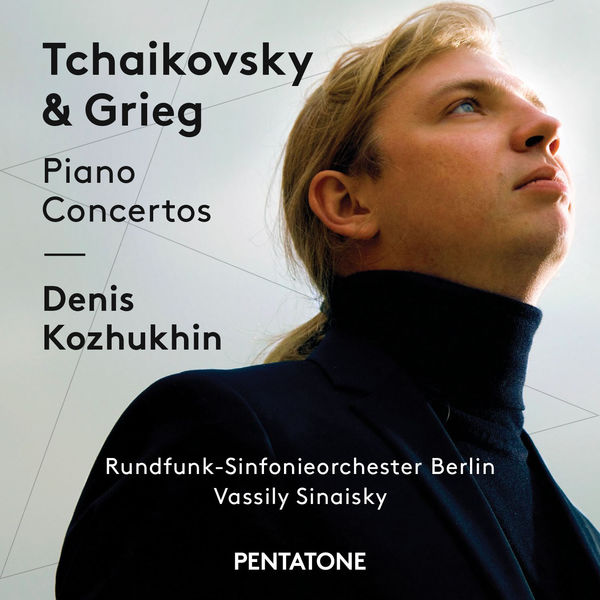
Tchaikovsky & Grieg: Piano Concertos – Denis Kozhukin – Vassily Sinalsky – Rundfunksinfonieorchester Berlin (Pentatone 2016)

Tchaikovsky & Grieg: Piano Concertos - Denis Kozhukin - Vassily Sinaisky - Rundfunk-Sinfonieorchester Berlin Pentatone 2016 DSD

Then I started listening. And couldn’t believe my ears. The Tchaikovsky is about as far as my idea of an ideal recording as it could be.

To be fair, I’m not a big fan of Tchaikovsky in the first place (see also here), and I have played his 1st piano concerto too much in my youth, unfortunately on another recording which today I really don’t like, Evgeny Kissin’s famous (or notorious) recording with Herbert von Karajan and the BPO.

To give you an idea how for my ears this concerto should be played, check out this legendary 1943 concerto played by Vladimir Horowitz and Arturo Toscanini:

This version really couldn’t be any more different to this new Pentatone release

So what does Patrick Rucker praise in his review? He mainly compliments Kozhukin’s naturalness. And I get that. The slow movement of the Grieg for example is beautifully played (I still prefer Andnes by quite a bit though). However, he then goes on and writes “you’re left with one thing: the music”. Well I really don’t get it, to me this music without the full power of the emotion of these romantic masterpieces is missing so much, TOO much for me.

My rating: Three stars (I don’t want to give Kozhukhin less than this, as I can clearly hear from this album that he has potential, although if I follow my own rating system systematically, it should have been 2 stars, as I’ll definitely won’t be listening to this album again).

You can find it here (Qobuz) and here (Pentatone)

P.S. I already had this recording typed out and ready for publishing when I read the review in the just released May issue of Classica Magazine, my other reading of choice.

And guess what: Two stars! (out of 5), to quote Clément Serrano about the Tchaikovsky “sans prise de risque”, without risk-taking, and similar, although slightly friendlier words about the Grieg. He reminds his readers again about the recent Perianes – Oramo recording of the Grieg, and I couldn’t agree more.

So in a nutshell, never trust a single review of a classical music album, even if it comes from a very reputable source, but always make up your own mind before buying. Luckily, in the days of streaming services, this is easier than ever.

A Follow-Up on Grieg’s Piano Concerto – Andsnes Still Wins

Disques en lice

I’ve mentioned several times that Swiss radio has two great shows, one in German, one in French, that both have the same approach, select 5-6 versions of a classical work, get 2-3 experts and a  moderator in a radio studio, and have the experts compare these versions blindly. The German version is called Diskothek im Zwei, the French version is called Disques en lice.

I follow both regularly. I often don’t agree with the invited experts, but it is a really nice challenge to see if you listen to the same music without knowing who’s playing, you still like it (or maybe like it less if you’re not aware one of your heros is playing).

A similar concept exists with wine (my other passion), and unlike my wife who has a much better nose, I’m only average at blind tastings. Luckily, I usually do better with music.

Grieg’s piano concerto

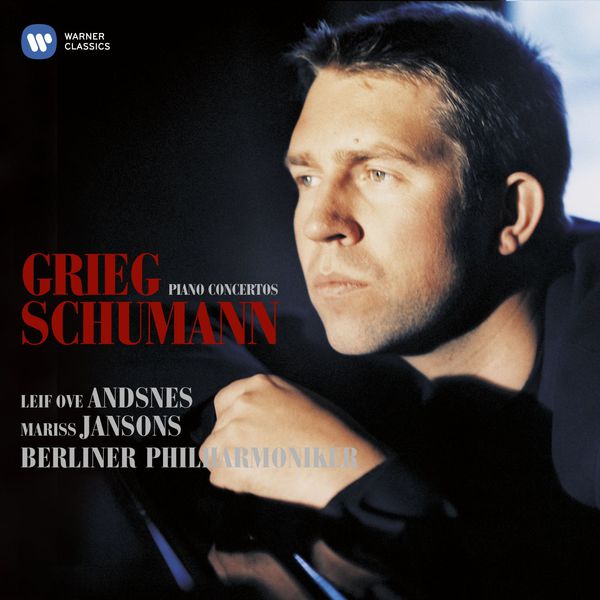
I’ve already written about Grieg’s piano concerto previously in this post about Javier Perianes recent recording. There I mentioned that my all time favorite is the version with Leif-Ove Andsnes.

Grieg Schumann Piano Concertos Leif Ove Andsnes Maris Jansons Berliner Philharmoniker

I’m a big Andsnes fan boy, as also documented in my recent commentary about his Beethoven concertos here. So I was really hoping that Disques en lice would include his version, as I wanted to ensure that I still like the version when actually I don’t know it’s him. Luckily for me they did (link to the show here).

Let me brag a little here (sorry!), but I recognized his version blindly in all three movements, and am still as enthusiastic about it as before! I really don’t know how one could do this concerto any better than Andsnes and Jansons.

The competition included:

  • The very recent Vadym Kholodenko recording on Harmonia Mundi with the Norjan Radion Orkesteri. Well, overall I kind of liked the version but must agree with the experts that the orchestra just isn’t the same level than the others, so this got kicked out after the first round (3 stars)
  • Nikolai Lugansky with Kent Nagano and the DSO Berlin: well, ok, but nothing special. Also got voted out rather rapidly, fine by me (3 stars)

The three versions that made it to the final round (3rd movement) are Andsnes, and these two:

  • Nelson Freire, Rudolf Kempe, with the Munich Philharmonic. Interesting version, the still very young Freire has tons of energy here. Unfortunately I liked the orchestral playing quite a bit less (4 stars overall). Nevertheless, this version convinced one  of the three commenting experts

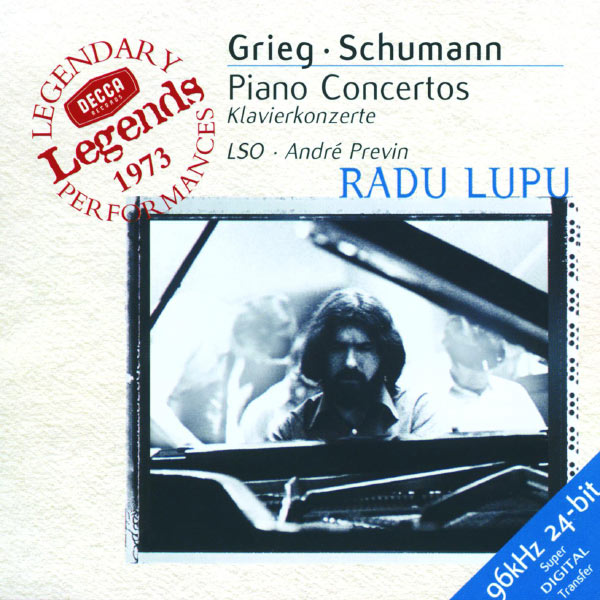
Grieg Schumann Piano Concertos Radu Lupu André Previn, London Symphony Orchestra Decca

  • Radu Lupu, André Previn, London Symphony. This version won for the two other experts. Well, I get what they like, Lupu is obviously doing an outstanding job, and the way they play the 2nd movement is out of this world! Unfortunately, overall this version is just a tad too slow for me, losing too much energy in the process especially in the first movement (still 4 stars though).

Therefore, Andsnes remains my hero for Grieg, and I reconfirm my 5 stars for this album!

The Perianes version from my last post was played at the beginning of the show unfortunately “hors concours”, I still like this recording a lot

And the Moog recording I commented about last time I’ve seen reviewed twice now. Gramophone really loved it, Classica in the latest issue only give it 3 star, in line with my rating.

Two Recent Releases I Really Don’t Like

What “Not Good” Looks Like

I’ve been writing a lot about albums I really like, just witness the number of 4 and 5 star reviews (you can click on the link on the side bar, categories to find them) I’ve recently written (for more information about my personal rating scale, see here)

However, for this site to be useful to anybody, I strongly believe I also need to write about stuff I don’t like that much, so you can check if your taste really agrees with mine.

Too many reviewers seem to have their rating scale only between 4 and 5. How do you really separate the good from the bad this way? Obviously, a  big part of this is just selection bias.

I assume, professional reviewers are not too much unlike me and much more prefer to write about stuff they like vs. stuff they don’t  like. Same has happened on my site so far, with few exceptions.

My two main sources of classical reviews, Gramophone (UK) and Classica (FR) don’t shy away from low ratings, that’s what I like about them. Gramophone doesn’t use a rating scale beyond the Editor’s Choice, but you can clearly read from the text whether they are enthusiastic or not.

And Classica really doesn’t shy away from using 1 stars, given the two examples below. And unfortunately, I wholeheartedly agree with their assessment.

Dudamel, Barenboim and Brahms

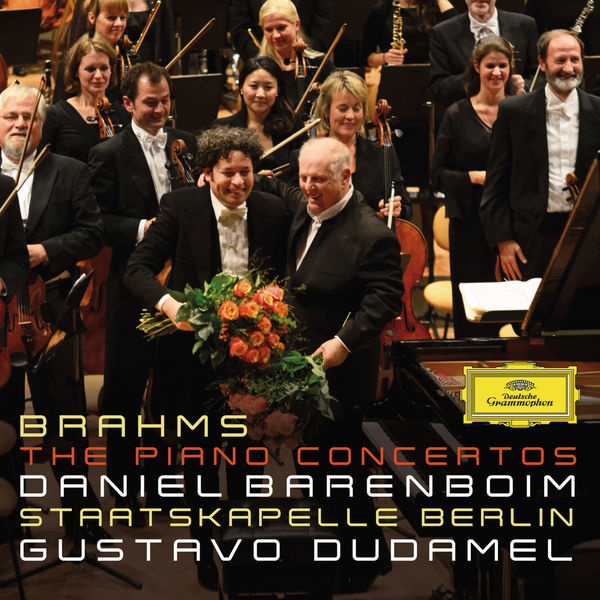
Classical uses a 4 star plus “Choc” scale, which equals about my 5 star system. However, in their most recent October issue, I’ve seen a new rating of a hollow star which I had never noticed before, for this recent DG release of Barenboim for once back at the piano, with the young superstar Dudamel. Unfortunately, I must agree with Classica here. I really cannot find any positive element to these recordings of the two concertos that I love so much (how weird I haven’t mentioned them yet on the blog).

Honestly, 1 min into the opening of the first piano concerto I had enough; there was nothing at all of the drama and desperation that so much impressed me when I heard this first at the age of 17. I know Dudamel has many fans, but I have yet to hear a recording of him that I really like (admittedly, I’ve only heard a few). And when Barenboim comes in, it doesn’t get any better. I’m really thankful for streaming these days that let’s you listen to recordings without having to buy them, I’d really have major regrets for this one.

Brahms Piano Concertos Dudamel Barenboim 2015

My rating: 2 stars (1 star for me really means un-listenable, and Brahms will always be Brahms, even if butchered like here).

For the Brahms concertos, you have many good alternatives, from pretty much every recording that Georges Szell ever made of them (be it Fleischer, Curzon, or Serkin), to Chailly with Freire for a more contemporary one.

Arabella Steinbacher Plays Mendelssohn and Tchaikovsky

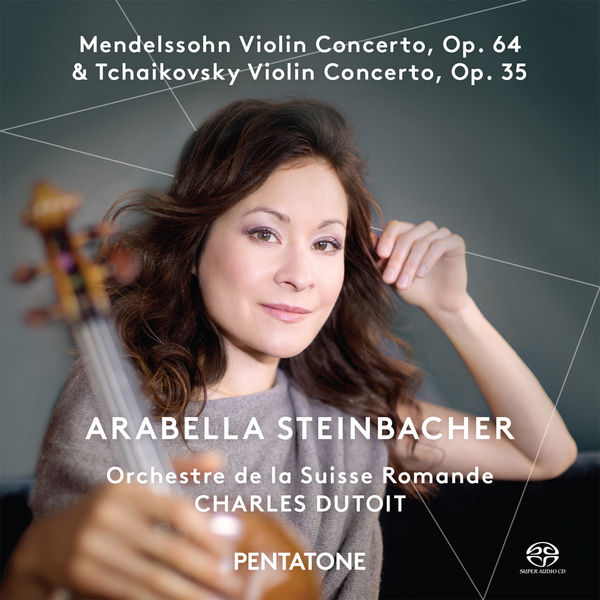
Arabella Steinbacher Mendelssohn Tchaikovsky Violin Concertos Orchestre de la Suisse Romande Charles Duitoit Pentatone

Here’s another disappointment: Arabella Steinbacher is a truly great violin player. However, from the opening moments of the Mendelssohn I knew something was very wrong. A very sweet tone with a lot of vibrato, but very little energy behind it.

And in comes the orchestra (let me open a little parenthesis here for fun: Mendelssohn is one of the very few orchestras that starts with the soloist, not with the orchestra, there’s an urban legend that a violinist player was relaxed at the beginning of the concert, assuming he’ll have to play Beethoven. The conductor gives him signal after signal, but the violinist doesn’t get it. Finally, the conductor desperately starts, the violinist after the first second realizes his mistake and raises up the violin literally last-minute. Parenthesis closed. If somebody has a source that this has really happened, please let me know) and it really doesn’t get any better.

The Tchaikovsky is equally uninteresting unfortunately.

Classica agrees with me, giving this recording a rather brutal 1 star and talking about a “lack of engagement” which nicely summarizes my feelings as well.

My rating: 2 stars (again, 1 star would be too brutal, I can listen to this, I just don’t want to).

Excellent alternatives are Janine Jansen on Decca for the Mendelssohn , and Julia Fischer for the Tchaikovsky (like the Steinbacher, on Pentatone).

Captivating Period Schumann from Alexander Melnikov

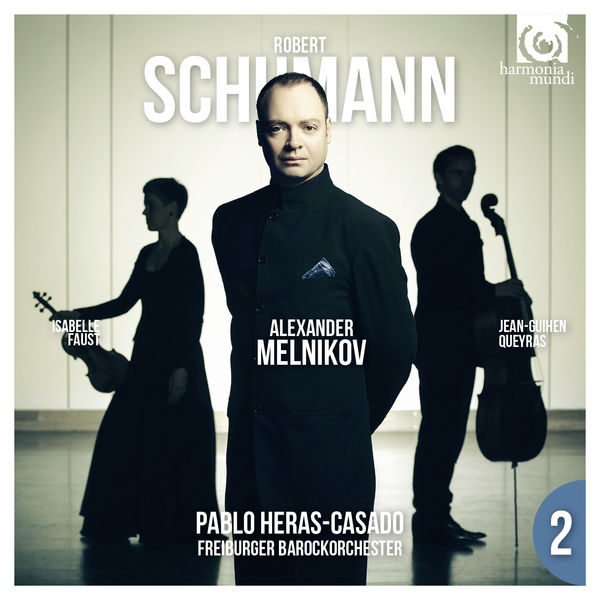
Alexander Melnikov / Isabelle Faust / Jean-Guihen Queyras

I’ve already praised Isabelle Faust and Alexander Melnikov for their excellent Hindemith chamber album, and the outstanding Brahms violin concerto, but they have done many other beautiful recordings together, including a recent version of the Beethoven Archduke trio with Queyras, or my preferred version of the Beethoven violin sonatas. Queyras is one of our leading cellists these days, and has recently recorded the complete Beethoven cello sonatas (very much worth checking out) with Melnikov. So as you can see, these three play regularly together, and you can hear it.

Schumann

This outstanding trio is now working for the second time together (hence the “2” on the cover) on their Schumann trilogy. This trilogy is twofold: it combines in each volume one of the three Schumann Piano Trios, and one of the three solo concertos (violin, piano, cello) he wrote, in collaboration with the Freiburger Barockorchester (which I usually like very much, although I was disappointed this week by their latest Bach release) under the young Spanish conductor Pablo Heras-Casado.

The series started with Faust playing the little known violin concerto (Clara Schumann even actively suppressed it, deeming it not worth of her husband’s legacy), which is very much worth checking out, and is now moving to the warhorse of the a-minor piano concerto.

The Schumann piano concerto

Schumann piano concerto Melnikov Freiburger Barockorchester Pablo Heras-Casado Harmonia Mundi 2015

This beautiful romantic work is one of the most recorded and best known piano concertos out there, and so you have literally hundreds of recordings to chose from, including some outstanding ones. Among my favorites you’ll find Dinu Lipatti with the young Herbert von Karajan, or Radu Lupu with André Previn.

However, I haven’t yet heard this romantic concerto on period instruments. The Freiburger Barockorchester, as their name indicates, are focused on HIP (historically informed) performance, and even more interesting, Melnikov plays on a 1837 Erard, which really gives the work a different color. I’m sure Schumann would have loved a modern Steinway, but it is interesting to hear how this sounded when it was composed.

However, period instruments are not a goal in itself. The performance has to match. And here I’m a bit torn. I love the way movements 1 and 2 are handled, but the third movement, while powerful, is just too slow,. which takes too much energy away for me. I wonder whether this choice was driven by Melnikov or Heras-Casado. In any case, it was clearly a very conscious choice. The overall movement takes 12:14, by far the longest I have in the 10+ versions in my library(as a comparison, my beloved Lipatti/Karajan took 10:01), and even the recent Pires/Gardiner  recording I didn’t particularly like (review here) was only 11:04.

That said, overall this concerto is still a real pleasure, and while it may not become my reference version, it is a very interesting alternative, to hear Schumann’s most famous work like you’ve never heard it before.

In any case, when you get to the trio, all is well, Melnikov, Faust, and Queyras play together as beautiful as ever, and this relatively unknown Schumann chamber work really shines.

I’m really looking forward to vol. 3 with Queyras playing the Cello concerto.

Overall rating: 4 stars (FYI, the reviews I’ve seen so far are divided, Gramophone loved it (Editor’s choice), the Guardian’s Kate Molleson didn’t like it very much with 3 stars), you really need to make up your own mind. It is absolutely worth checking out.

You can download it here (Qobuz), or here (eclassical)

My Reflections on the 2015 Gramophone Award Nominees – Part II – Concerto

After my comments on the “Instrumental” category of the Gramophone Awards last Saturday here, let me highlight some more gems in the Concerto category.

Nominated are:

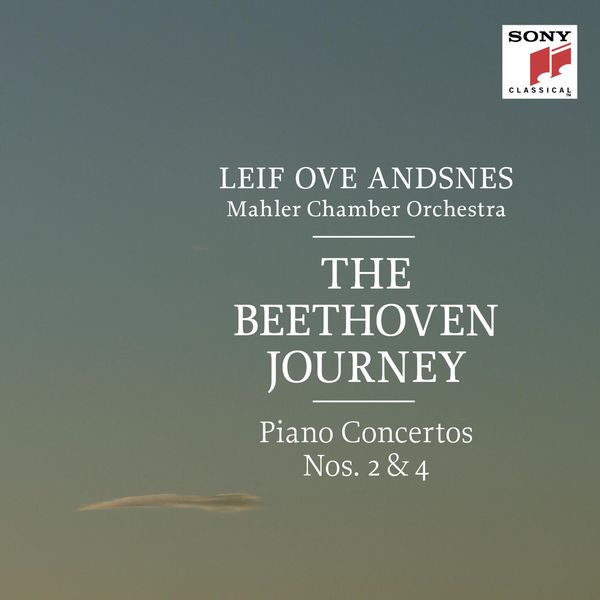
The Beethoven Journey – Leif Ove Andsnes with the Mahler Chamber Orchestra playing Beethoven’s piano concertos 2 & 4

The Beethoven Journey - Beethoven Piano Concertos 2 & 4 - Leif Ove Andsnes - Mahler Chamber Orchestra

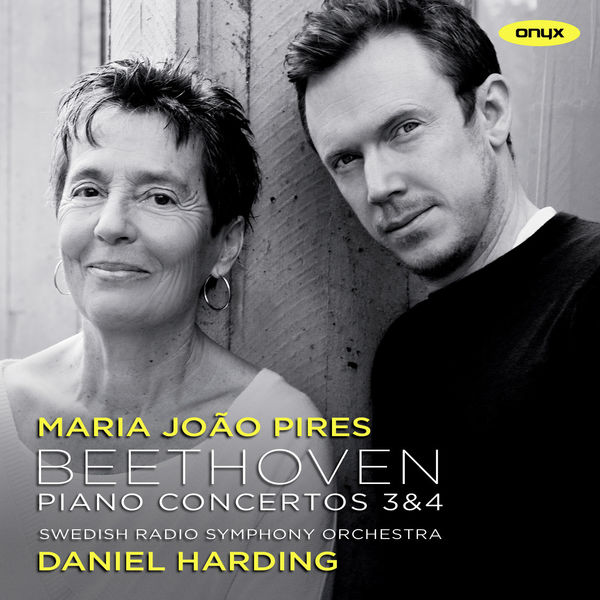
Beethoven again, piano concertos 3 & 4 by Maria Joao Pires with Daniel Harding and the Swedish Radio Symphony Orchestra

Beethoven Piano Concertos 3 & 4 - Maria Joao Pires - Daniel Harding - Swedish Radio Symphony Orchestra

Britten / MacMIllan / Vaughan Williams played by the Britten Sinfonia (not heard)

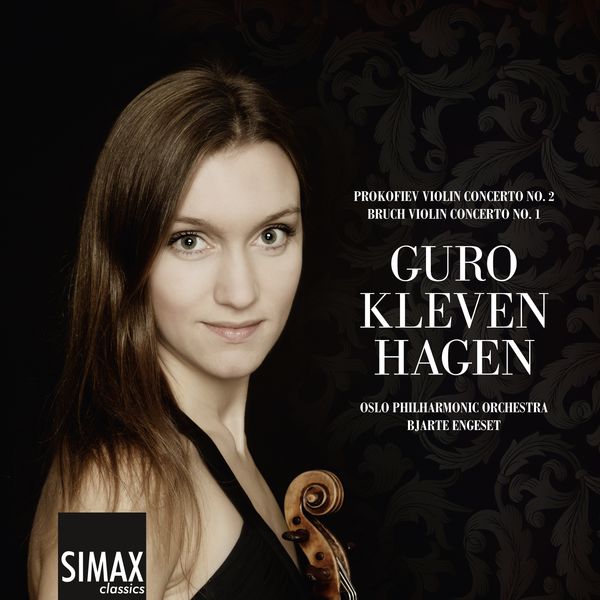
Bruch & Prokofiev’s Violin Concertos by Guro Kleven Hagen with the Oslo Phlharmonic and Bjarte Engeset

Bruch Prokofiev Violin Concertos Guro Kleven Hagen Oslo Philharmonic Bjaerte Engeset

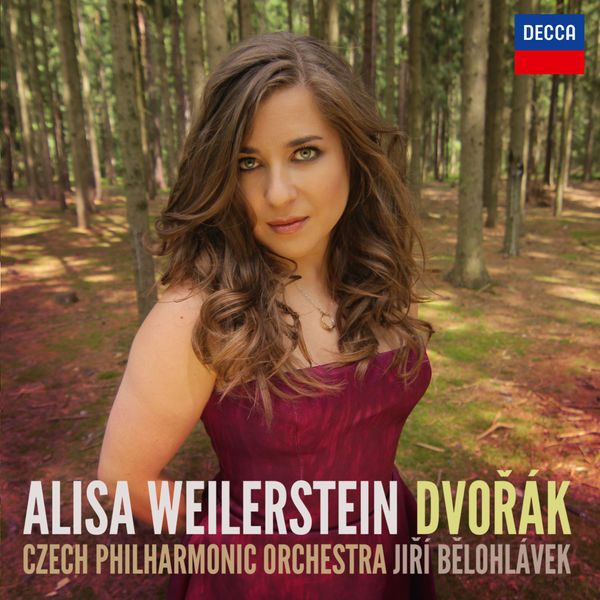
Dvorak’s Cello Concerto by Alisa Weilerstein with Jiri Belohlavek and the Czech Philharmonic Orchestra

Alisa Weilerstein Jiri Belohlavek Dvorak Cello Concerto Decca Classics

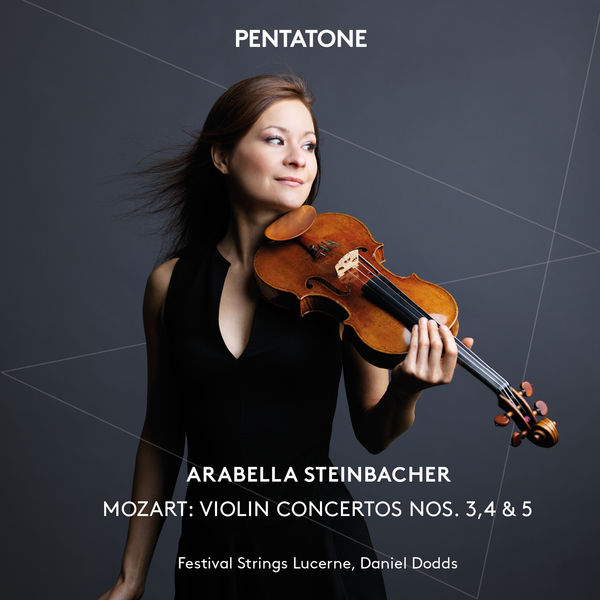
Mozarts Violin Concertos 3 – 5, Arabella Steinbacher, Daniel Dodds, Festival Strings Lucerne

Mozart Violin Concertos 3, 4, 5 - Arabella Steinbacher - Festival Strings Lucerne - Daniel Dodds

As said above, I haven’t heard the Britten album (and actually don’t care much about Britten in the first place, so wouldn’t be in a good place to talk about the album.

Two other albums I only gave a quick spin, so I’m not going to rate them, which are the Mozart concertos by Arabella Steinbacher, and the Prokofiev/Bruch combo by the young Norvegian violin player Guro Kleven Hagen, that I hadn’t heard of before. My admittedly superficial impression on both were solid performances, nothing wrong with them, but also nothing that would motivate me to go back. One argument in favor of the Arabella Steinbacher is that it is recorded on Pentatone, that usually has an outstanding recording quality, so if you have a good Hifi, you may want to check it out.

The three albums I have heard in more detail are the two Beethovens and the Dvorak.

Let me start with Maria Joao Pires first. I’m very happy to report that after my rather lukewarm review of her Schumann concerto with Gardiner, in this recording I can reconfirm that I’m a fan. Very delicate, nuanced playing. I’ve already praised Daniel Harding in his recording of the Brahms Violin Concerto, and also the Orchestral part is doing a fine job here.

My rating: 4 stars

However, to my ears, with Leif Ove Andsnes it gets even better. I’ve already declared how much I like his Grieg, and here on Beethoven with the excellent Mahler Chamber Orchestra which Andsnes conducts from the piano, the result is just really really nice. I’ve had the pleasure of hearing this combo play concertos 2-4 live late last year, and the recording fully  captures the energy and passion by both soloist and orchestra. No. 4 is anyhow my preferred Beethoven concerto, and this is definitely one of the best versions I have. However, to my ears, they are even better on piano concerto no. 2 (side note: wrongly numbered, this should have been his no. 1 chronologically), which really benefits from the lighter sound of the Mahler Chamber.

My rating: 5 stars

But who is my predicted category winner? Well, by exclusion you could have guessed it: Alisa Weilerstein’s Dvorak. We recently already got an excellent reading of this concerto with Stephen Isserlis on Hyperion, and obviously there are a lot of outstanding historic recordings (Starker, Du Pré, etc.), this version just gets what is the essential for me in this concerto (my favorite piece by Dvorak by the way): the romantic passion. (Side note: When Brahms, who mentored Dvorak for a while, read the score, he’s quoted: “If I had known that it was possible to compose such a concerto for the cello, I would have tried it myself!” If only he had…). This recording is pure emotion. I suppose having a Czech orchestra playing music by their most famous local composer helps. There are some minor technical glitches here and there, but they don’t really matter, you don’t even notice.

My rating: 5 stars

So, what do you think? What are your predictions?

Am I Deaf or How Could This Go So Wrong – Gardiner & Pires’ Schumann & Mendelssohn

Sometimes there are albums coming out where just looking at the artists involved you really anticipate something great.

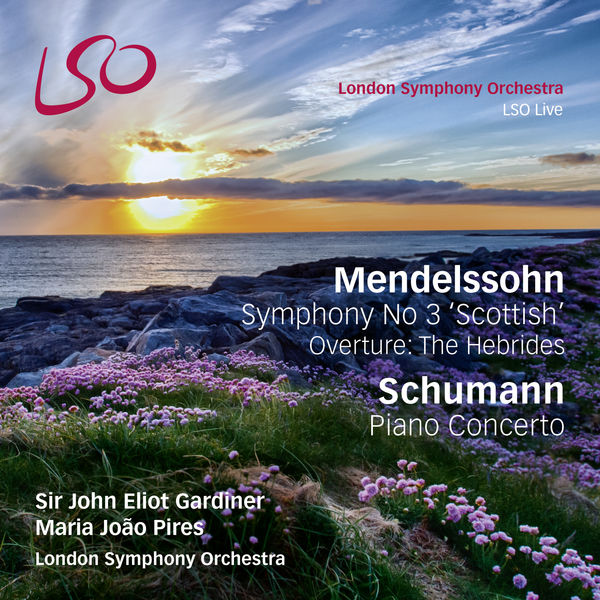
So when I read about this album of Maria João Pires playing the Schumann piano concerto together with the LSO conducted by Gardiner, I was really looking forward to hearing this. A beautiful pairing as well with Mendelssohn’s Scottish symphony that I really like.

Schumann piano concerto Mendelssohn Symphony No. 3 Maria Joao Pires John Eliot Gardiner LSO Live

Pires plays fantastic Mozart and Chopin (e.g. her Nocturnes are just beautiful), and I’m a big fan of Gardiner not only for his Bach cantatas, but also for his symphony recordings with the ORR. And obviously, the London Symphony is a great orchestra.

So all the stars are aligned. On top this album has received a Gramophone Editor’s Choice, plus some other great reviews.

And then I start listening (luckily I went for streaming first instead of just immediately buying), and can’t help to think I must have clicked on the wrong album. The Schumann piano concerto is just plain boring! Total lack of passion and energy. And a perceived speed that feels way too slow. Then I check, and it is really Gardiner and Pires playing here. How could this go wrong?

You have plenty of other alternatives here, go for Radu Lupu, Dino Lipatti (a disc to convert Karajan haters by the way), Andsnes again, etc. etc. etc.

But I don’t give up and check the Scottish symphony. Again, I can’t believe my ears. At best, an average performance. The worst is the forth movement which feels plump, and on some occasions (this is a live recording) the LSO even sounds out of sync. This is not the brilliant Gardiner of Schumann’s 4th with the ORR, this is somebody else entirely.

For Mendelssohn, I’d recommend you rather go with Abbado, or Christoph von Dohnanyi.

No idea what the guys at Gramophone heard here. I just don’t get it.

Overall rating: Just about 3 stars (It really pains me to give such a mediocre rating as these are all amazing musicians individually. But I just can’t help it.)

Classical Life

A classical music blog by music critic Tim Mangan

This Week's Music

Making Classical Accessible

From my Macbook to the Net

Evaporation of my thoughts and observations

Elestra

Author: Artienne

My Life in Music

Playing, Singing and Listening

ArsX3

A brand new journal reviewing books, cinema, music

LawrenceEz's Blog

Creative and Performing Arts: Writing, Classical Music, Photography

Laetitia Strauch-Bonart

Contemporary Politics & Culture

sibling revelry

reveling in all things classical

It's A Raggy Waltz

I collect jazz on vinyl, I dig the Dave Brubeck Quartet, & I write about it

La Musica

By two cousins

thejazzbreakfast

Dishing it out from the heart of England

only jazz

random thoughts about music that matters to me

The Culture Project

Exploring the world of literature, wine, art, music and more.

René Spencer Saller

The music causes me to dream of fabulous empires, filled with fabulous sins.

Breaking Baroque

Blog of Tafelmusik Baroque Orchestra and Chamber Choir

Tasting Nirvana

Eating your Dosha

Shadow of Iris

Poetry, fiction, short stories, more ...

The Immortal Jukebox

A Blog about Music and Popular Culture

April Greene

Writer + Editor

a pianist's musings

A history of your favorite classical music.

Classical music for all

Boris Giltburg's blog

I HEAR VOICES

An orchestra seat in the web space