Schubert: A Journey Through 11 Versions of Schubert’s Piano Sonata D959

The Cross Eyed Pianist

Sometimes, as a blogger, you may feel a bit alone. With my rather niche topic of Jazz and Classical music, I really don’t have that many people to exchange ideas with in my immediate surroundings, as most of my friends and family don’t care enough about this topic (my mother-in-law is the exception, she is a loyal reader, even if she often disagrees with my opinions).

Luckily, on the internet, you’ll be able to find like-minded people for every kind of interest, as small as it may be. I’ve met people virtually on several discussion forums and via this blog that I feel I have very compatible musical tastes.

And obviously then, there are the other bloggers. You can find on this blog the long list of all blogs I follow (at least those on WordPress), but some are really outstanding, and to be fair, much better than my little enterprise here.

One blog I follow very closely is Frances Wilson’s The Cross Eyed Pianist. Well, she’s got an advantage over me, she’s an actual pianist (my piano hasn’t been touched for over a year now, shame on me). I strongly recommend you check her out.

Schubert’s Late Piano Sonatas

I’ve mentioned Franz Schubert several times now on this blog, as I’m a big fan.

Unfortunately he died way too young, so there is only a number of categories I really admire in Schubert. Not necessarily his symphonies (see my comment on his last symphony here), but his Lieder (still only getting into them), his amazing chamber works (see here and here among others), and obviously, his piano music, which was his very own instrument.

I’ve previously written about David Fray’s beautiful album, as well as Andras Schiff’s recent recording on a fortepiano. Note that you can always click on the composer link on the right hand side of this blog to see all my articles on a given composer.

But I’ve not fully talked about the 3 masterpieces of his late piano sonatas, D958-960, which really give you a glimpse of what Schubert could have achieved had he lived longer. These were all recorded in his last year alive, at the tender age of 31. Imagine Beethoven dying after the Moonlight, no Waldstein, no Appassionata, no Hammerklavier!

To get back to Frances Wilson, what trigger this blog post was her excellent article on Schuberts D959 in A-Major, which not only inspired me to write this post, but also the title.

Frances Wilson and others are the reason why I don’t write a lot about the works themselves on my blog, these others are so much more talented.

So let me focus on what I typically tend to write about, which is “reviewing” (or probably rather commenting) the recorded versions of these pieces.

10 versions…

I often get asked, which is the “best version” of a classical piece. If I’d be honest, I cannot answer this. Most classical works have been recorded hundreds of times, and comparing them all is just really not feasible. Gramophone and Classica try, and have monthly articles around individual works where they try to achieve this, but even these traditional magazines with their decades of experience usually limit themselves to a smaller number of versions (or I guess, leverage their archived reviews).

So, as I said inspired by Wilson’s article, I wanted to write about the best version of Schuberts D959 I have on my hard disk, plus Paul Lewis from Qobuz (I could have included all versions available on Qobuz streaming, but then you wouldn’t read another blog post from me for a least 3 years)

I have a total of 10 versions (thanks to years spend on meta-tagging I can actually now easily find them):

  • Leif Ove Andsnes
  • Alfred Brendel
  • Martin Helmchen
  • Paul Lewis
  • Wilhelm Kempff
  • Radu Lupu
  • Murray Perahia
  • Arthur Schnabel
  • Andreas Staier
  • Mitsuko Uchida

You’ll noticed Andsnes and Perahia from my Top 10 Classical Pianists I just published, actually, the preparation for this review triggered the idea of that post.

I’m not going to review all 10 versions here in detail, but just highlight those that really stood out to me (which is tough, because there wasn’t really a negative outlier in this list.

… and not a single winner

I’ll name 3 in detail here, and honestly, I’m not going to name my winner, as it is just impossible.


Alfred Brendel
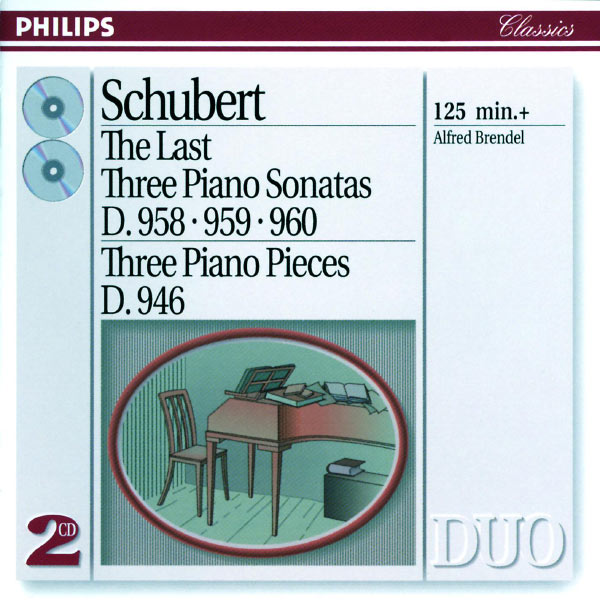
Schubert: The Last Three Piano Sonatas Three Piano Pieces D 958 959 960 946 Alfred Brendel Philips

This was my first ever version, and I can still count it among the best out there. Brendel is an extremely intellectual pianist, and he’s probably one of the key people who put Schubert’s piano music on the world stage. I haven’t included him in my Top 10 pianist list, as I’m not a universal fan of his playing, but for Schubert, he really is among the top references.


Murray Perahia


Perahia actually made it into my Top 10 list. He’s a pianist I admire from Bach to romantic repertoire, he always seems to get it right. Same here, this is really worth checking out.

And, last but absolutely NOT least,


Mitsuko Uchida
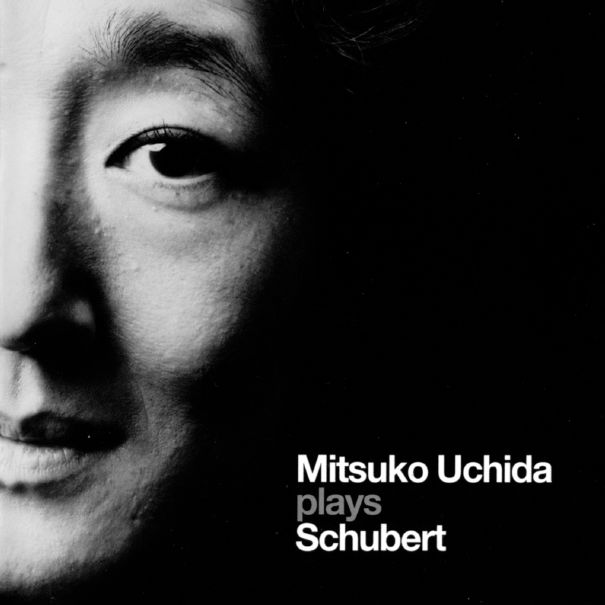
Mitsuko Uchida plays Schubert

I’ve already previously mentioned her in my article about Andras Schiff, she absolutely remains among my favorite versions of this work.

She has such a light, delicate and beautiful touch. To me Schubert’s piano music is even closer to Mozart than to Beethoven, even if Schubert was a great admirer of the latter. Uchida is one of the best Mozart players we have, and approaching Schubert in Mozart style really feels right.

My rating for all 3: 5 stars

Two lessons learned here:

  1. Never ask for “THE BEST” version of a certain work. It just doens’t exist, you’ll almost always find several versions that are each outstanding in their own way
  2. I’ll almost certainly not do another of those huge comparisions in the near future, they are just so time consuming. I’ll leave that to the professionals. It was fun though.

As usual, I’d be interested in your opinion, are there other versions out there?

Frances mentioned Goode and Pires, which I both haven’t heard, anything else out there?

You can find the albums here:

Alfred Brendel: here (Qobuz)

Perahia: here (Qobuz)
Mitsuko Uchida: here (Qobuz) and here (Prestoclassical)
Musicophile’s Top 10 Favorite Classical Pianists

Top 10 and Best-Ofs

I don’t do top 10 lists often. I probably should to them more often, as if you’re a blogger you know that they tend to generate higher than average traffic, somehow either Google or more likely the average reader tends to like this kind of lists (and I must admit, I tend to click on other peoples “best of lists” as well), but I usually prefer to write about individual albums instead.

My Personal Top 10 Pianists

That said, the idea for this particular blog post came along while doing some comparative listening for a future blog post on Schubert’s piano sonatas. I noticed I always keep going back to a certain number of pianists, that I love and respect, and that usually always have something to say.

Obviously, this list is highly subjective. This is not supposed to be “Great pianists of the century” or Top 100 pianists of all times, you’ll find plenty of those on the internet already.

So obviously, there will be great names missing, Schnabel, Arrau, Rubinstein, Brendel, Trifonov, etc. etc. etc.

I’ll be listing them in alphabetical order, as there is absolutely no way I’ll try to rank them.

So, here we go:

  • Leif Ove Andsnes

Not very suprisingly, given that I’ve already listed him here for my all time favorite version of Grieg’s piano concerto, and have praised his recent Beethoven cycle with the Chamber orchestra of Europe.

I’ve seen him live playing Beethoven’s concerti 2-4 in a row, without a conductor. An amazing experience.

What I haven’t mentioned yet is that Andsnes has also recorded an excellent version of Rachmaninov’s piano concertos with Antonio Pappano, which I have yet to review.

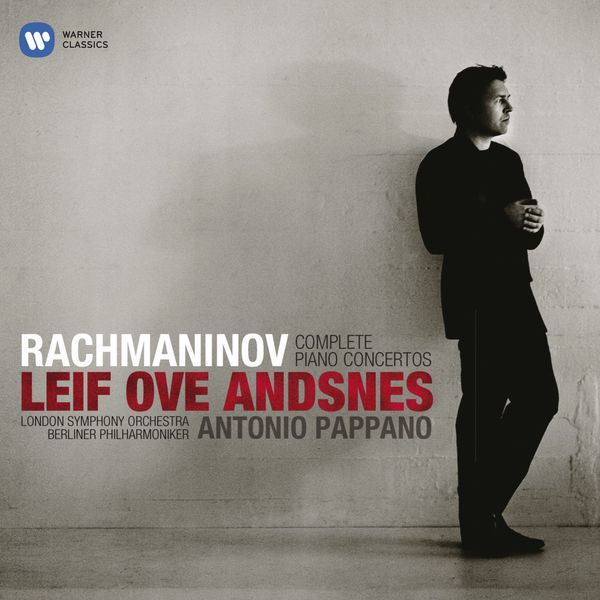
Rachmaninov Complete Piano Concertos Leif Ove Andsnes London Symphony Orchestra Berliner Philharmoniker Antonio Pappano Warner Classics

I guess that covers such a large range of the romantic piano concertos that it is pretty clear why I’m choosing him. Note I could have mentioned many other beautiful recordings, including solo piano or chamber music.


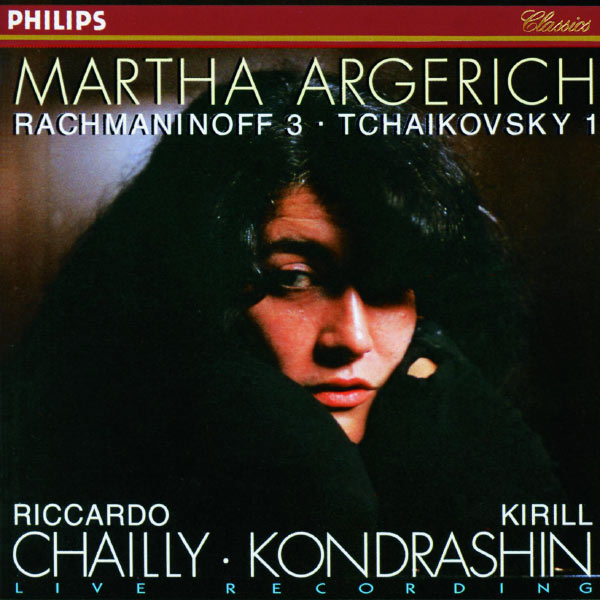
  • Martha Argerich

Well I said I’m not going to rank the pianists, but Martha clearly makes it all the way to the top of the list.

With her, you can really start at the beginning, with her legendary debut album following her winning the 1965 Warsaw Chopin competition. 

Or go to a very recent recording around 50 years later of Argerich playing Mozart’s concertos, as mentioned in My Must Have Mozart Albums.

Or, for the sake of it, pretty much everything she has recorded in between. The only exception are some of the live recordings from her beloved Lugano festival, not all of them are necessarily must haves. But beyond that, you can be sure that her energy to enchant you!

Here is another example:

Martha Argerich Rachmaninov 3 Tchaikovsky 1 Riccardo Chailly Kirill Kondrashin

There are several “complete”, “best of”  and “collection” boxes out there. All are highly recommended.


  • Rafal Blechacz

Together with Benjamin Grosvenor and Igor Levit, among the youngest on this lists.

I had to list him already for his outstanding Chopin Préludes, as reviewed previously.

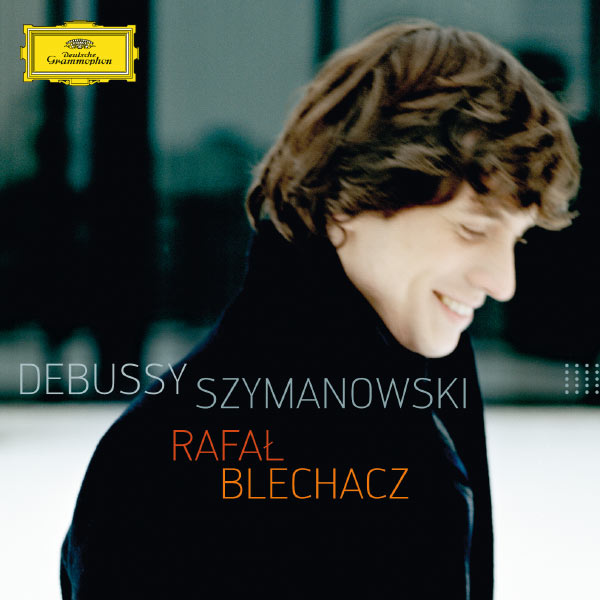
Another recording I can recommend is his Debussy and Szymanowksi album from 2012.

Debussy Szymanowksi Rafal Blechacz Deusche Grammophone 2012

I’ve seen him live play Chopin and Szymanowski, and I was really impressed by this timid young man and the intimacy of his playing. Somebody to watch.


  • Ronald Brautigam

Playing on an “authentic” piano that sounds like the composer would have heard the piece is a relatively recent trend, as techniques in the reconstruction of the fortepiano, and alongside the specific playing skills for these instruments have evolved.

I’ve already mentioned his beautiful version of Mendelssohn’s Lieder Ohne Worte (review of part I here, part II here).

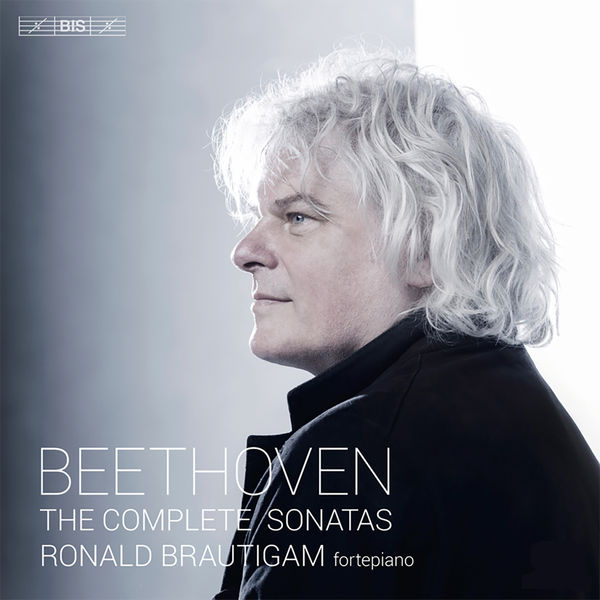
However, what I recommend most often is his outstanding complete Beethoven sonata cycle. Obviously this doesn’t replace the efforts on modern piano from Schnabel to today, but you really owe it to yourself to discover how Beethoven can sound on a piano of that time, exceptionally well played by this amazing artist.

7318599920009_600


  • Emil Gilels

Why Gilels as a representative of the great pianists of the 1950s-70s, and not Rubinstein, or Richter, or Horowitz?

Well, honestly, all of them would have deserved to be listed here. I’m just having a very special attraction to his Brahms concertos, be it with Jochum (reviewed here) or with Fritz Reiner and the CSO.

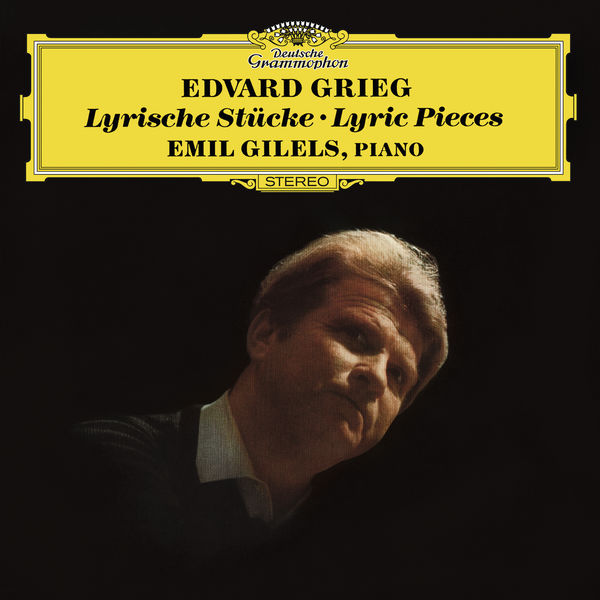
Another album that is his outstanding recording of Grieg’s Lyric Pieces, an all time classic.


Edvard Grieg Lyric Pieces Emil Gilels Deutsche Grammophon 24 96


  • Benjamin Grosvenor

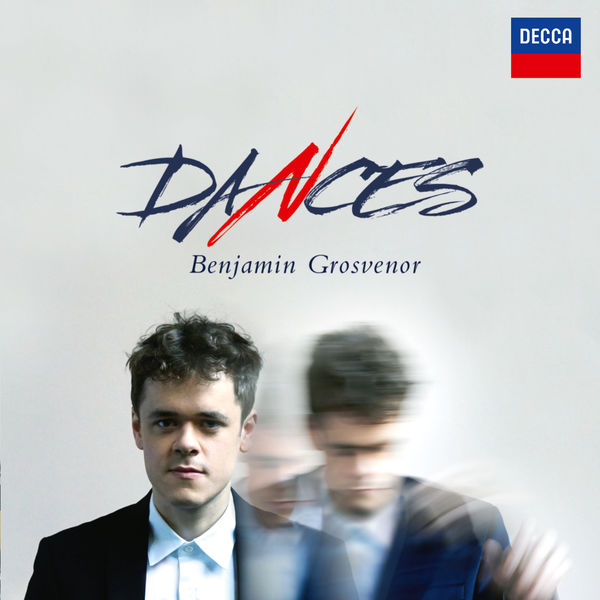
I’ve just recently praised his latest album, Homages (review here), and given 5 stars to his Chopin Liszt Ravel album here. He was also nominated for the Gramophone awards for his album Dances in 2015, which he should have won (IMHO).

Benjamin Grosvenor Dances Decca Classics

He is probably the youngest of my list (note to self, do some fact checking), and among his few recordings, all are just amazing. This is one of the most outstanding talents I’m aware of.


  • Igor Levit

Regular readers of my blog know that I’ve praised this great young artist several times already.

Most lately for his Gramophone Album of the Year: Bach / Beethoven /Rzewski, see here for my review, and here as well, as well as in my article about the top 5 classical albums of 2015.

Back in 2015, his Bach Partitas album was also nominated by Gramophone for an Award in the Instrumental category.

But there is one album I haven’t mentioned yet on my blog, which I also like very much, his debut on Sony.

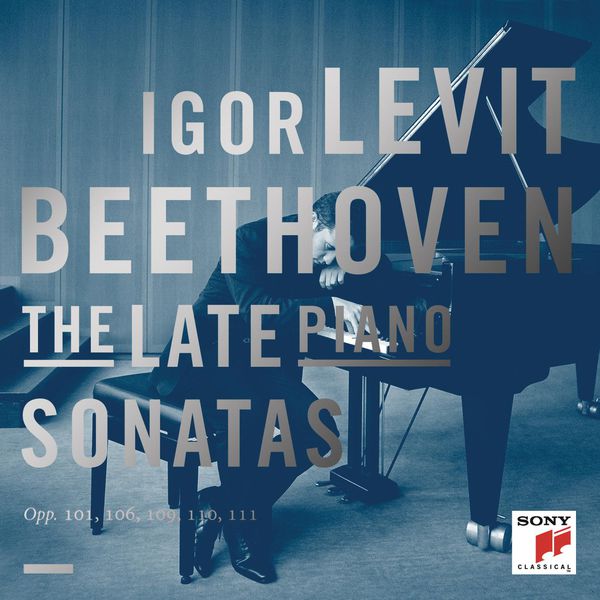
And no, he didn’t start easy, he tackled immediately Beethoven’s late piano sonatas.

Igor Levit Beethoven The Late Piano Sonatas Sony Classical 24 96 2015

And how! This is not only technically impressive (the Hammerklavier always is) but such a high level of musicality. Again, watch this artist!


  • Ivan Moravec

Very simply, for the most beautiful Chopin Nocturne recording there is, see my review here. But basically, his other Chopin is also excellent. I actually don’t have any recording from other composers by him. I’ll investigate!

Ivan Moravec Chopin Nocturnes


  • Murray Perahia

No idea why I haven’t written more about Perahia. I’ve mentioned him as one of my favorite Goldberg players, and his Bach in general is excellent (will need to write about his new French suites at some point).

But fundamentally, this is one of the pianists that really adds new insights to whatever he touches. Never flashy, never show-off, but always nuanced.

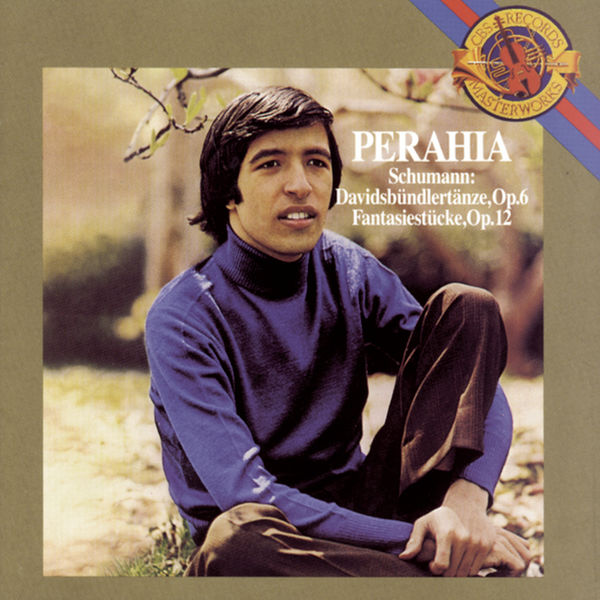
As an example, let me take his Schumann, which is among the best recordings I know of these little gems:

Schumann: Davidsbündlertänze, Fantasiestücke Murray Perahia CBS Sony


  • Krystian Zimerman

Again, an artist I haven’t mentioned enough. A living legend to me, winner of the 1975 Chopin competition in Warsaw (he’s the third from this illustrous list, together with Argerich and Blechacz).

Which album to mention? Usually he records relatively few albums, so you can pretty much trust them to be top notch in general.

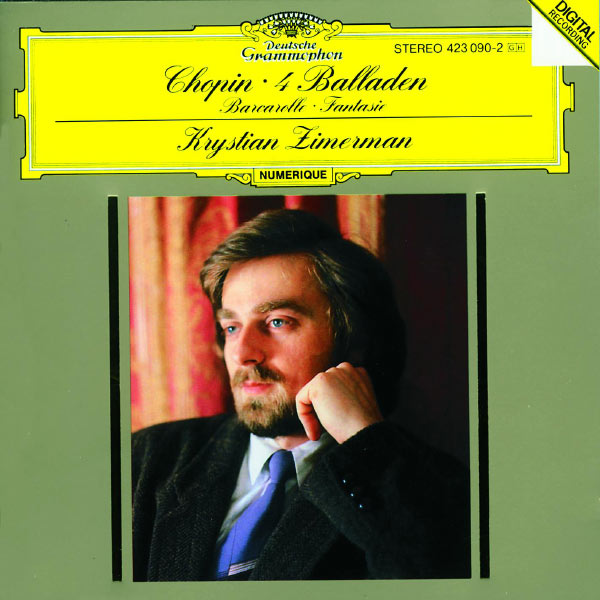
My preferred is probably his Chopin Ballades:

Chopin: 4 Ballades, Barcarolle, Fantasie Krystian Zimerman Deutsche Gramophon

I’ve heard him play live couple of years ago, including the Barcarolle. He maybe the most intellectual pianist I’m aware of, and you can hear the cerebral approach he takes. That said, this isn’t to say that his music isn’t full of emotion.

I could also have mentioned his Chopin piano concerto recordings, be it with the LA Phil or the Polish Festival orchestra, both are among the best there is for these works.


What do You think?

So, here we go. What do you think? Do you agree, disagree? Did I miss anybody (I’m sure I did, with this artificial cut off of 10). Please let me know?

You can find the albums mentioned here in the respective links to previous posts, or below:


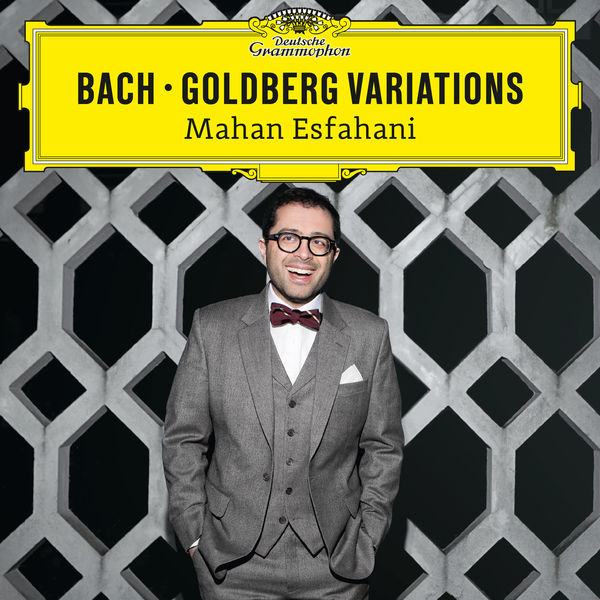
Why Bother Reading Reviews If There Is No Consensus? The Example Of Esfahani’s New Goldberg Variations?

Professional Music Reviews

I’ve been very clear on my blog here that whatever I’m writing is nothing more than my personal view on the music and interpretations I write about.

You’d think that it should be different for professional reviewers. OK, maybe nuances according to individual tastes, but a good album is a good one, and a bad one is bad, right?

Well, I’ve previously given already one example of a Mahler album that received extremly contrasting reviews from two of the most respected classical review magazines out there, UK-based Gramophone, and French Classica.

And here we go again:

Bach: Goldberg Variations – Mahan Esfahani (Deutsche Gramophon 2016)

Bach: Goldberg Variations - Mahan Esfahani (24/48) Deutsche Grammophon 2016

Mahan Esfahani is one of the rising stars on the harpsichord. I’ve briefly mentioned him in my musing’s on the Gramophone Awards 2015, but haven’t properly reviewed any of his albums yet.

I really liked his previous album Time Present And Time Past that went from Scarlatti to Reich.

So I was very curious about his take of the Goldberg Variations. I’ve previously praised Pierre Hantaï on harpsichord and Igor Levit on a modern piano. Both remain favorites of mine, but I have dozens alternatives.

Gramophone and Classica totally disagree

But before I get into my personal assessment, let me get back to my opening comment: How professional reviewers can disagree, in the most drastic possible way.

October Issue Gramophone: “His navigations of the music’s structure […] is carefully considered without sounding in the least bit studied, or different for the sake of being different. His Goldberg Variations clearly belongs […] in all serious Bach collections”. They even gave it a Gramophone Award.

October Issue Classica: “Il donne même l’impression de réinventer le Bach machine à coudre” (he even leaves the impression of reinventing the “sewing machine” Bach style), or “errements d’un jeu qui se laisse aller à un rubato et des manières agacants” (this is a bit harder to translate, but basically they find the same freedom that Gramophone likes above totally annoying), and speak of “La première version post baroque” (the first post-baroque version). Result: 2 out of 5 stars, which is their  way of saying “disappointing”.

So what is it? Does a disappointing album belong in all serious Bach collections? I don’t blame you for being confused.

But this is my point, right? You can never use any kind of review individually. You can try to find a magazine (or even better, individual reviewer) that has a similar taste to yours, but then need to make up your own mind.

Side note: This is why I love streaming so much, as you can simply try out new music as much as you want before buying. But please, don’t forget to buy stuff you really like, if you want the musician to make a living.

To close this chapter on reviews, what is helpful if you find “meta-reviews”, that compares and contrast several individual reviewers. If you find consensus among many reviewers, you probably have a higher chance of finding something truly exceptional. Classica every month does just that, unfortunately only comparing French reviewers, they call that table “Les Coups de Coeurs” and summarize the opinions of 6 different French classical music specialists from Le Figaro to France Musique. But I don’t think anybody does this at an international level.

So what do I think about this album?

Now it get’s difficult. Esfahani’s recording is clearly VERY different.

What I love about it is the sound of the harpsichord, a two keyboard reconstruction that has a splendid sound (and isn’t ruined to much by Deutsche Gramophones sound engineers).

About the version? You’d think this is a love or hate recording. Well actually, it isn’t. I’ve now listened to it at least 5 or 6 times, but it doesn’t touch me as much as a Goldberg recording should. I’m just a bit indifferent. I clearly see how this recording is different, and why Esfahani does what he does, but I don’t think this version will get a lot of additional spins on my system. I’d go to Hantaï, or Levit, or Perahia, or, or, or.

My rating: 3 stars


You can find it here (Qobuz) and here (Prostudiomasters)

Oops, He Did It Again: Benjamin Grosvenor with Another Great Album!

Benjamin Grosvenor

I’ve mentioned Benjamin Grosvenor several times already, including here, and here in my comments about last year’s Gramophone Awards. If you read through these reviews and comments, you’ll quickly see I’m a huge fan. This young artist (he’s only 24!) is really spectacular.

So far, I have yet to hear a disappointing album from him.

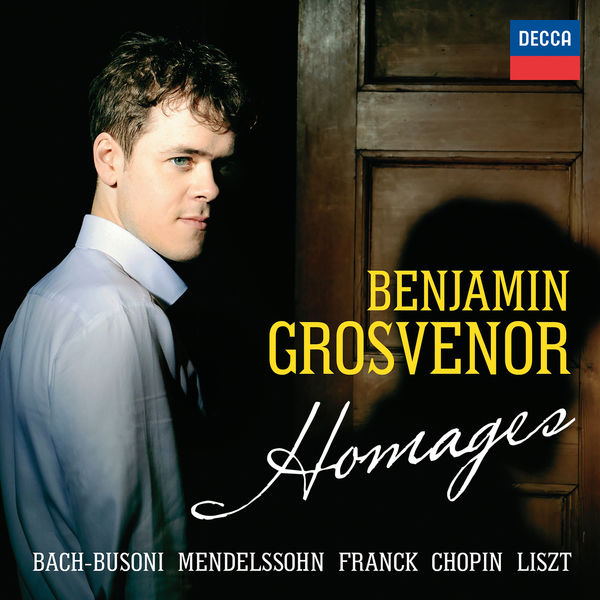
So my hopes were high when he released his new album, Homages.

Homages (Decca 2016)

Benjamin Grosvenor Homages (24/96) Decca 2016

Grosvenor likes albums mixing several composers around a theme. His last album was called Dances, now we’re talking about Homages.

And we start strongly, with Busoni’s piano setting of the famous Chaconne from Bach’s suites for solo violin. This is rather rarely played, which is a pity, as for once a transcription actually adds something (more often than not, they do not work that well for me). You really get the full bandwidth of this beautiful piece, and the outstanding beauty of Milstein’s legendary interpretation comes to mind, while Busoni’s fireworks around the well known melody really works. This sounds almost like Brahms (who by the way also transcribed the Chaconne, but into a version for left hand only), or actually even occasionally like Rachmaninov. A true showpiece, but without any negative connotation that is usually associated with this term.

From this grandiose opening, we move to another rather unfamiliar music, Mendelssohn’s preludes & fuges op. 35. Mendelssohn was essential for the “rediscovery” of Bach in his time, and you can hear the spirit of Bach in these little-known, but beautiful gems.

From these Bach homages, we move on to more traditional romantic piano music with Chopin and Liszt, an area where Grosvenor feels very much at home.

The booklet tries to give some story around why Chopin’s beloved Barcarolle and parts of Liszt’ Années de Pélérinage are homages as well. I must admit I don’t care that much, I just love his playing.

The Barcarolle op. 60 is one of my all time favorites from Chopin. I heard it some years ago by Krystian Zimerman live, in what remains my personal reference. However, this interpretaion really stands on its own, and I like it a lot.Liszt’s Venezia e Napoli is also really well played.

He closes off with Ravel, as already in his Decca debut, focusing Le Tombeau de Couperin, where the homage aspect is already evident from the title.

I wonder if Grosvenor ever will record e.g. an entire cycle or work, or if he’ll stick to this kind of “concept” album. I wouldn’t be surprised if he sticks to the latter, which is great, because it gets me to discover music I wouldn’t necessarily have discovered without him.

Keep going!

My rating: 4 stars (to clarify: this is absolutely 5 stars playing, but not always essential repertoire)

You can find it here (Qobuz) or here (Prestoclassical)

Alice in Grieg’s Wonderland

The usual excuses first

I’ve been crazy busy the last weeks being home on average about 1-2 nights per week, the rest full of business and private travel. Therefore, my blog writing has suffered quite a bit.

And this is not because of a lack of interesting new albums to write about. Well, on Jazz, it partially is, while I do have two reviews upcoming, this site may be a bit disappointing for you currently if you’re more in to Jazz than Classical music. Hope you bear with me.

But with regards to classical, there have been a number of interesting albums released recently, all of which I have planned to write about, including Andreas Staier’s new Schubert Trios, Benjamin Grosvenor’s new release, Adam Laloum getting into Schumann and Schubert, the Chiaroscuro Quartet playing Hadyn, the Belcea Quartet playing Brahms, etc. etc.

OK, so the paragraph above should put enough pressure on me to actually write all these reviews in the next weeks, where hopefully my travel activity should be a bit more measured.

Alice Sara Ott

Alice Sara Ott is a young pianist (born 1988) of German and Japanese origin. She’s recorded already quite a number of albums but the only one I have had on my radar screen so far is her recording of the Complete Waltzes by Chopin. I kind of liked that album, but then again the waltzes are about my least favorite Chopin works relatively speaking, so I didn’t spend much time on it.

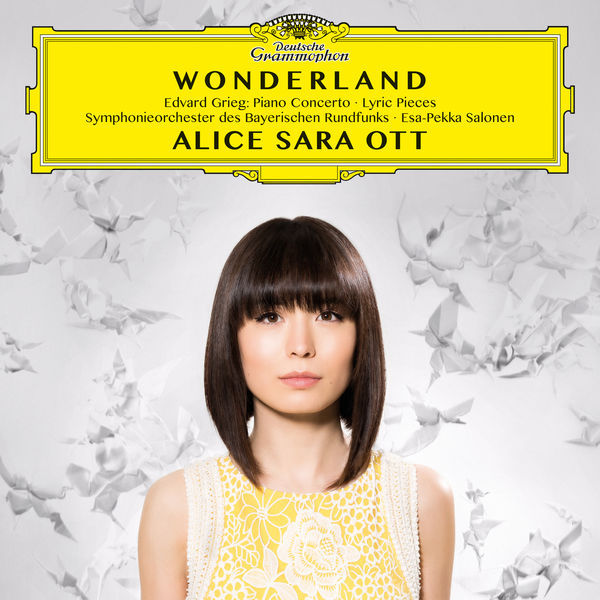
Wonderland

Honestly, the title of her latest album put me off a little bit, the wordplay is just a little bit too obvious. But then again, you don’t buy a book for it’s cover, and the same logic should apply for classical albums.

Wonderland Grieg Piano Concerto Lyric Pieces Alice Sara Ott Deutsche Grammophon 2016 24/48

And I’m happy I went further, because this recording of the piano concerto is really worth it.

I’ve previously written about Javier Perianes who did a similar coupling of the piano concerto with the Lyric pieces (see my review here), and this recording, while being quite different, is really at the same level.

If you want to compare the two, Perianes is probably the more energetic, Ott with Esa-Pekka Salonen and the BR symphony takes a more lyrical approach. You’ll get lots of rubato (the concept of “stealing” time to give it back later, i.e. variations of the tempo), with some moments being even extremely slow (already in the opening bars for example).

But unlike the recent recording of the Schumann piano concerto by Melnikov, where I was a bit put off with the slow speed of the third movement, here all slow moments make perfect sense to me. And don’t get me wrong, when the piece needs energy and passion, you’ll get plenty.

Does this version beat my reference version from Leif Ove Andsnes? Well, not exactly, but it is clearly a worthy alternative.

As a “filler”, you don’t get the usual coupling with Schumann, but similar to Perianes, you get a selection of the Lyric pieces, and given that these are little gems, they are very much worth having. To lighten things up a bit more, you even get piano transcriptions of Grieg’s most famous piece, Peer Gynt, in the mix.

My rating: 4 stars

You can find it here (Qobuz) or here (Prostudiomasters)

Do You Have To Be Italian To Conduct Haydn?

Haydn’s Symphonies

I’ve said it before, I’m generally not a big fan of Haydn’s symphonies. I’m sorry, but quite often they just bore me.

However, these days we see a renaissance of Haydn’s symphonies. I’ve previously written about Ottavio Dantone’s beautiful album on Decca, which I liked a lot. In that blog post I’ve already mentioned that another Italian conductor, Giovanni Antonini, is doing an entire cycle of Haydn symphonies, called Haydn2032.

So let’s have a look at their latest release, vol. 3 in the series.

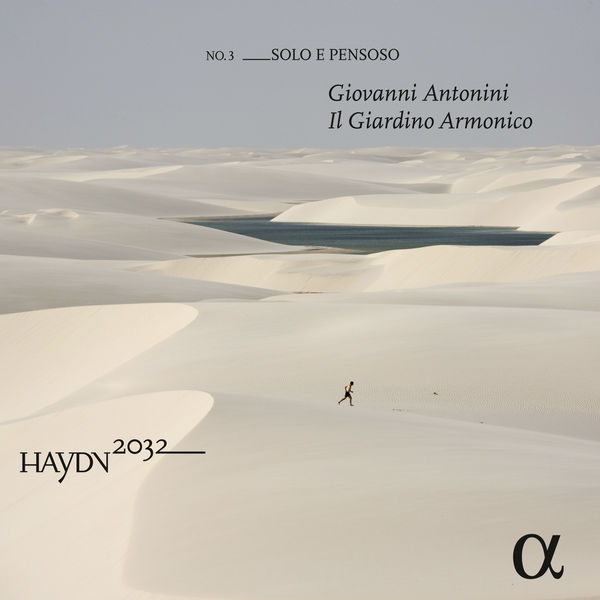
Haydn 2032 Vol. 3 – Solo e Pensoso – Giovanni Antonini, Il Giardino Armonico (Alpha Classics 2016)

Giovanni Antonini Il Giardino Armonico Haydn 2032 No. 3 Solo e pensoso Alpha Classics 2016

In this volume, we get a colorful mix of symphonies, from very early (4) to the Sturm und Drang era of no. 64. I have absolutely no clue how Antonini decided on the order of his complete cycle, but I appreciate the variety. An album only with very early symphonies would probably not be extremely exciting.

Giovanni Antonini and Il Giardino Armonico, very much like Ottavio Dantone and his Accademia, come from baroque music.

And maybe this is really what “Papa Haydn” needs, the lightness and energy of the historically informed baroque playing style. I guess Haydn has suffered from too many years being played by orchestras that were more used to playing Beethoven and Brahms.

But when you get the Giardino Armonico’s joyful playing, an entire new planet opens up.

Not that this is the first historically informed recording of Haydn, but really this cycle promises to be outstanding.

The playing is top notch. The energy is palpable. And the relatively small size of the Giardino Armonico really lets you rediscover Haydn in a new way.

I’ll make sure to follow future releases of this cycle, and so should you. It is really worth it.

My rating: 4 stars (this is not a rating on the playing, which is 5 stars, but I’m waiting for some of the later symphonies to give the full 5 star rating).

You can find it here (Qobuz) and here (Prostudiomasters).


Gramophone Awards 2016 – And The Winners Are……

The Gods have spoken

Or to be more precise, the jury at Gramophone has today officially published the winners in each category.

So, how did my little Crystal Ball work this year?

Baroque Instrumental

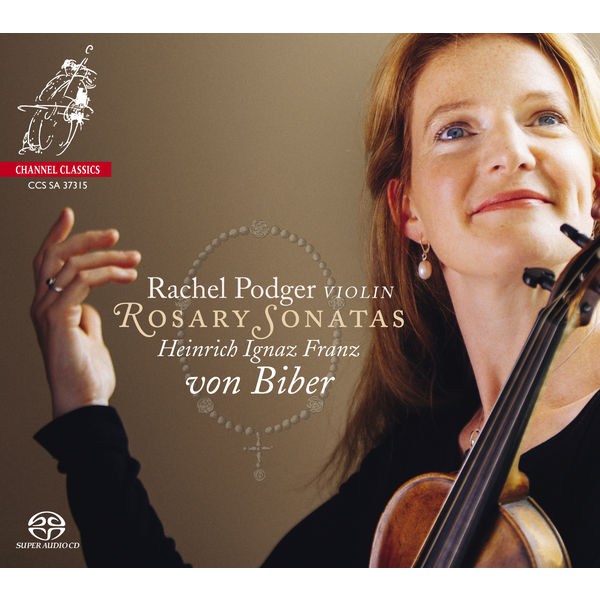
Here I forecasted a win for Rachel Podger’s Rosary sonatas.

Gramophone seemed to agree. Congratulations to Mrs Podger, well deserved!

Biber: Rosary Sonatas - Rachel Podger Channel Classics 2016 DSD

Baroque Vocal

As documented here, my vote went to Sebastian Daucé.

However, I’m perfectly supportive of the winner as well, congratulations to Les Arts Florissants for their winning Monteverdi album!

Monteverdi: Madrigali vol. 1 Cremona Paul Agnew Les Arts Florissants 2016


Chamber

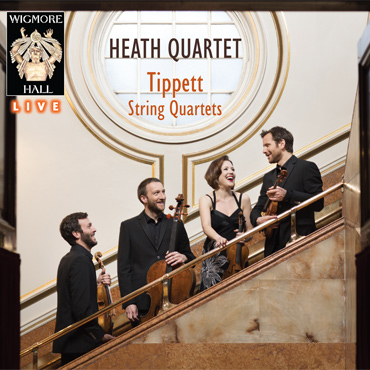
While my vote would have been for the Quatuor Ebène, the jury went for the Heath Quartet’s Tippett album. Ok, no comment here, it’s just not my cup of tea.

Tippett String Quartets Heath Quartet Wigmore Hall Live

Choral

I just noticed I completely forgot to even mention this section in  my previous posts, don’t know what happened here. Well, anyhow, here’s the winner. I haven’t heard it, so no comment from my side.

Schönberg Gurrelieder Markus Stenz Gurrelieder Hyperion

Concerto

As written here, I’d have voted for Trifonov, but the Gramophone Jury liked Vilde Frang’s Britten and Korngold better. Congrats to Mrs Frang, and I’ll leave it at this, given that this album doesn’t really speak to me.

Britten/Korngold Violin Concertos James Gaffigan Frankfurt Radio Symphony James Gaffigan

Contemporary

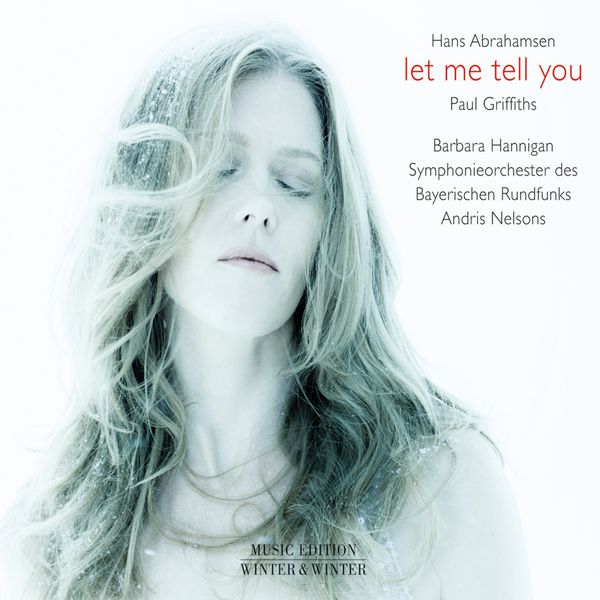
I didn’t write about this section at all as I’m not really qualified, however, I must admit the winner looks interesting enough that I’ll check it out in more detail:


Hans Abrahamsen : Let me tell you Barbara Hannigan Andris Nelsons Winter & Winter


Early Music

Again a section I completely ignored in my posts.

0822252235227_600

I’ll take time to check this out formally, looks certainly interesting

Instrumental

Igor Levit Bach Goldberg Variations Beethoven Diabelli Variations Rzewski The People United Will Never Be Defeated Sony 2015

Now we’re back in familiar territory, and while I would have appreciated the recognition for Chamayou’s Ravel, Levit very much deserves this price IMHO.

Opera

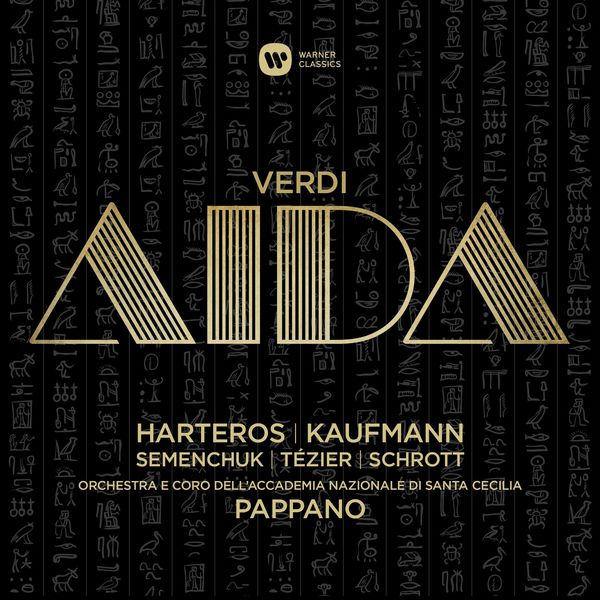
My coverage of the Opera section was a bit light,  but at least my prediction of the winning album was correct:

Verdi: Aida Pappanis Anja Harteros Jonas Kaufmann

This album really is a must-have.

Orchestral

Very interestingly, here I correctly predicted the winner without even having actively previously listened to any of the nominated albums. Congratulations to Andris Nelsons!

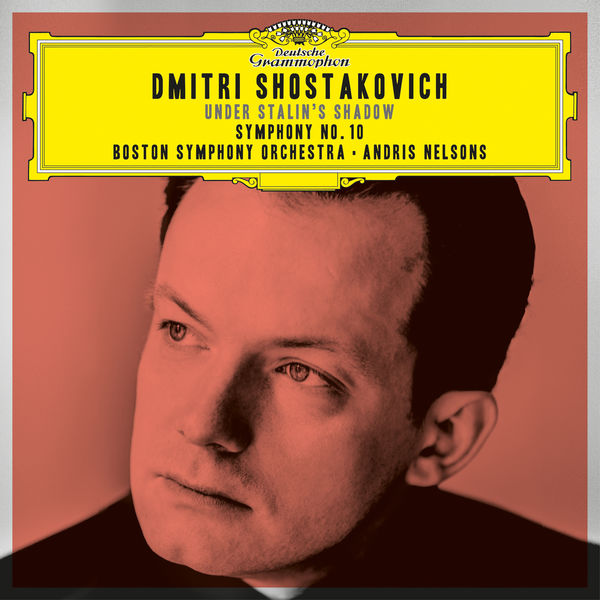
Shostakovich Symphony No. 10 Andris Nelson Boston Symphony Orchestra Deutsche Grammophon 2016 24 96

Recital

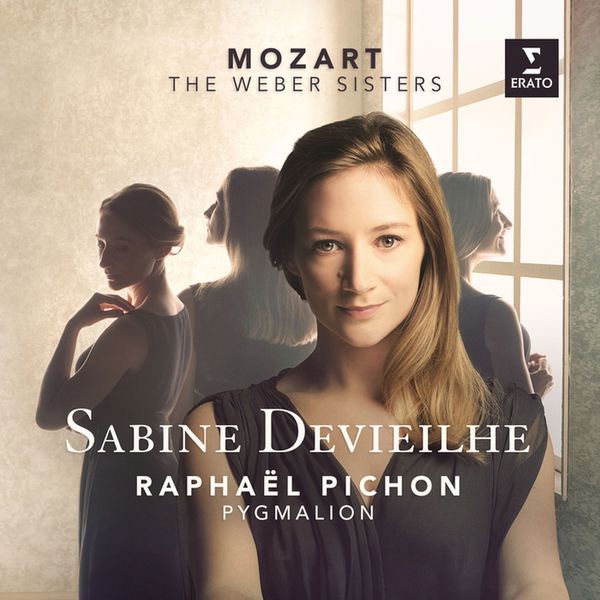
Yes, she did it! As I was hoping, Sabine Devieilhe wins in her category. Couldn’t agree more!!!!

Mozart: The Weber Sisters Sabine Devielhe Raphael Pichon Pgymalion Erato 2015

Solo Vocal

This is another section I completely skipped in my blog post.

For reference, here’s the winning album:

Néère - Hahn, Duparc, Chausson - Véronique Gens Alpha

I really like Véronique Gens, but had only very briefly sampled this album, I’ll make sure to give it a proper listen now.

Summary

Let me virtually brag a bit (sorry!) and say that my crystal ball did a pretty good job this year. Out of 8 categories I wrote about, I got 5 “right”. Not a bad score (insert smiley here). OK, bragging mode off again.

What do you think? Who would you have chosen?

I really appreciate your feedback!

Classical Life

A classical music blog by music critic Tim Mangan

This Week's Music

Making Classical Accessible

From my Macbook to the Net

Evaporation of my thoughts and observations

Elestra

Author: Artienne

My Life in Music

Playing, Singing and Listening

ArsX3

A brand new journal reviewing books, cinema, music

LawrenceEz's Blog

Creative and Performing Arts: Writing, Classical Music, Photography

Laetitia Strauch-Bonart

Contemporary Politics & Culture

sibling revelry

reveling in all things classical

It's A Raggy Waltz

I collect jazz on vinyl, I dig the Dave Brubeck Quartet, & I write about it

La Musica

By two cousins

thejazzbreakfast

Dishing it out from the heart of England

only jazz

random thoughts about music that matters to me

The Culture Project

Exploring the world of literature, wine, art, music and more.

René Spencer Saller

The music causes me to dream of fabulous empires, filled with fabulous sins.

Breaking Baroque

Blog of Tafelmusik Baroque Orchestra and Chamber Choir

Tasting Nirvana

Eating your Dosha

Shadow of Iris

Poetry, fiction, short stories, more ...

The Immortal Jukebox

A Blog about Music and Popular Culture

April Greene

Writer + Editor

a pianist's musings

A history of your favorite classical music.

Classical music for all

Boris Giltburg's blog

I HEAR VOICES

An orchestra seat in the web space