Mozart’s Violin Concertos with Isabelle Faust – Highly Enjoyable

Happy New Year!

Dear readers, I hope many of you were able to have some days off during the holidays over the last weeks. I’d like to thank you again for your interest in my blog, and look forward to sharing more exciting music with you in 2017.

As always, I really appreciate any form of feedback. Do you like my articles? Let me know! Hate them, let me know as well! Any form of feedback is useful.

Mozart’s Violin Concertos

Let me start by saying that as much as I like Mozart, his violin concertos aren’t very high on my priority list. They are the works of a teenager, written between ages 16 and 20. That said, they are enjoyable, and at least one version of them should be in any classical music library.

But which one? In My Must-have Mozart Albums, I’ve already recommended Giuliano Carmignola’s great recording with the late Claudio Abbado and the Orchestra Mozart  he founded (which unfortunately lost funding some time ago).

However, regular readers will know that I’m a big fan of Isabelle Faust (see here, or here), so when she released a recording of the complete Mozart concertos, I obviously had to check it out. Unfortunately, it took some months for reasons unknown to me for this to be available on Qobuz, my streaming provider (and I didn’t want to buy this blindly).Now Qobuz finally has it, so here comes my review.

Mozart: Violin Concertos – Isabelle Faust – Il Giardino Armonico (Harmonia Mundi 2016)

Mozart: Violin Concertos Isabelle Faust Il Giardino Armonico Giovanni Antonini Harmonia Mundi 2016 24/96

Not only you get Isabelle Faust here, as mentioned above one of my all-time favorite violinists, but you also get Giovanni Antonini with his Giardino Armonico. They have done countless excellent baroque albums in the last 30 years. More recently they moved up to the Viennese Classical period with Haydn, in their excellent Haydn2032 cycle (see my review of vol. 3 here), so Mozart is a logical next step.

So, how does it sound? Two words, transparency and energy! Antonini takes the same inspiring approach he uses to awaken Papa Haydn, and plays it with a lot of verve and swing. And even Faust, who can be a tiny bit intellectual in her approach at times, gets fully into the mood and goes with the flow, making this youthful music just highly enjoyable. I seriously wouldn’t know what to criticize on this recording. This really is on par with Carmignola, if not even slightly better.

In summary: highly recommended (all reviews I’ve seen vary between very good and outstanding, so I’m not really going against the consensus here).

My rating: 4 stars (full 5 star playing, but as mentioned above I don’t think Mozart’s violin concertos are truly essential, so one point off for repertoire).

You can find it here (Qobuz) and here (HDTracks)
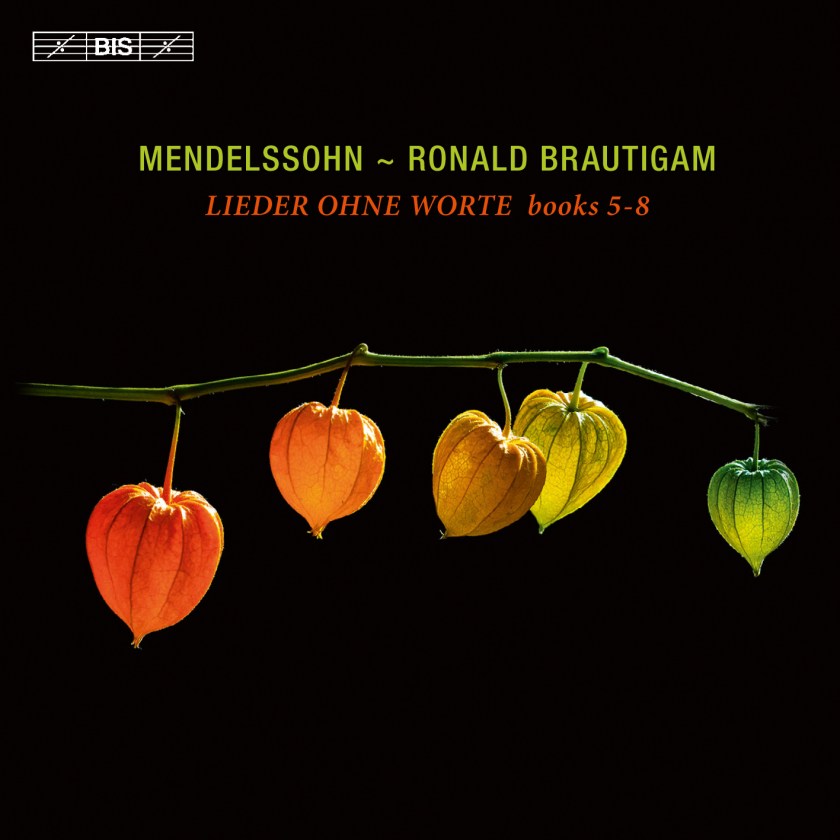
 

Recommended: The 2nd volume of Mendelssohn’s Songs Without Words by Ronald Brautigam

Yes, I really like Mendelssohn (this is already my 5th blog entry on him). His works are unfortunately still underrated by many.

And his Lieder ohne Worte (Songs without Words) are truly among my favorite works, quite simple if you listen superficially, but so much beauty and detail can be found in there.

I’ve spoken very highly of the first volume of the Lieder ohne Worte by Ronald Brautigam.

Recently, he has released the second volume, the books 5-8 of these now complete recordings of these beautiful musical poems.

Mendelssohn: Lieder Ohne Worte books 5-8 – Ronald Brautigam (BIS 2016)

Felix Mendelssohn Lieder Ohne Worte Books 5-8 Ronald Brautigam 24 96 BIS 2016

If, like me, you liked the first edition of the books 1-4, this is a clear must have.

It is again played on a contemporary copy by Paul McNulty of a Pleyel piano from the 1830s, with a beautiful mellow sound, which I’ve already praised in my previous review.

The booklet is also very much worth checking out, not only for getting a picture of the instrument being used on p. 30. Horst A. Scholz really does an excellent job in describing the individual pieces. Given that eclassical offers the booklets for free, I highly suggest you have a look.

In short: if you like Chopin or Schumann, and are curious about the sound of a piano the way Mendelssohn may have  heard and played it, go for it!

My rating: 4 stars (although the more I listen to it, the closer this fortepiano recording  gets to the 5 stars I gave to Perianes modern piano version).

You can find it here (eclassical) and here (Prestoclassical)

Update December 28,2016: In their December issue, Classica agrees and gives this album a 4 star rating.

My Favorite Winterreise by Christoph Prégardien and Andreas Staier

Lieder

Lied” is a German word that literally just means song. Interestingly enough, the word “Lied” or the plural, “Lieder“, has made it’s way into the English language, at least for those interested in 19th century classical music.

In German, there is another word, Kunstlied, literally Art Song, that differentiates this particular category from anyother Lied, which could be anything from a childrens lullaby to Justin Bieber’s latest hit.

This art form really peaked in the romantic times of the 19th century. People at the time loved romantic literature, romantic poems, and obviously romantic music. The latter followed what is commonly known as Wiener Klassik.

What is so special about the Kunstlied, is the combination of masterful composing by greats like Schumann or Schubert, and the great poetry of Goethe, Schiller and others. Obviously, if you don’t speak German, you’ll have to rely on your booklet or internet translation of the lyrics. I strongly recommend you do, the text often is breathtakingly beautiful.

If I’m not mistaken, I haven’t yet written about any Lied recording on my blog. This is because I really dived into this art form only rather recently, and am still in the process of discovery. It is a gratifying journey, as this, together with chamber and piano music, is where my beloved Franz Schubert really shines.

Schubert’s Winterreise

Winterreise is one of the best known song cycles. This blog post was triggered by a post I read yesterday by fellow blogger The Well Tempered Ear (which you should check out).

Winterreise just is the perfect music for these cold winter days (assuming you’re somewhere in the Northern hemisphere). Here you really need to follow the lyrics. These 24 songs are based on poems by a lesser known poet, Wilhelm Müller, and losely tells a story of a wayfarer in Winter. Just make sure you put on the fireplace (if you have one) or turn on the heating, get a nice cup of your favorite hot beverage, and start listening to the journey. You’ll be glad you’re inside in the warm.

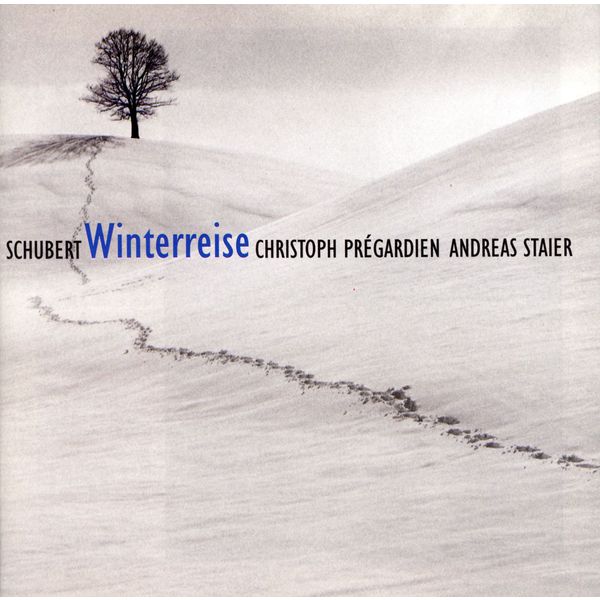
My Favorite Version: Christoph Prégardien with Andreas Staier (Teldec/Warner Classics 1997)

As said above, I am still at the beginning of my discovery of the Schubert song cycles, but I’ve been through already quite a number of versions of the Winterreise. Probably every great tenor of this world has recorded it, and sticking to just one version is pretty much impossible. I’m pretty sure I’ll have future posts on other versions coming.

Schubert: Die Winterreise - Christoph Prégardien - Andreas Staier Warner Classics

So why this one now? Well, it is just the intricate balance of Prégardien, one of the best tenors of our time, and Andreas Staier’s beautiful and nuanced Fortepiano.

Most of the recordings obviously are with modern Steinways. Don’t get me wrong, I love the sound of these (and still aspire to own one in the future). But for a work written in 1827, it pays off to get the more subtle sound of a fortepiano. This gets you to a whole new level of transparency. A must have.

My rating: 5 stars


You can find it here (Qobuz) or here (Prestoclassical)


P.S. This will most likely be the last post of the year, as I’m looking forward to some relaxing days with the family over the Christmas holidays.

I thank all my readers for their continued interest in my blog, and wish all of you a great holiday break, wherever you are in the world!

My Top 5 Classical Albums for 2016

My Top 5 Classical Albums for 2016

I know, people love lists. Especially men apparently. Remember Nick Hornby’s book High Fidelity? Subjectively speaking, half of the book are top 5 lists. Somebody even bothered to compile them.

Why do we love lists? Well, they are easily digestable, and give you the feeling that you really are getting the best of the best, right?

I must admit, I also pay quite a bit of attention to such lists, be it the Gramophone Awards, the Chocs de l’Année by Classica, or whoever else bothers to put together such best-of’s. Even on my own blog, my various best-of lists (from Mozart, to Christmas Jazz, to Jazz Covers) tend to be the ones with the most clicks.

So here we go again. Helpful even if you’re still looking for Christmas gifts (though in the age of downloads and streaming, giving away music becomes more tricky, an iTunes Gift Card is probably not very sexy under the tree).

They are ordered alphabetically, by composer. Please don’t ask me to rank them within.

So you DO ask me? Really?

Well, here you go. Note that this priority list may change next week if I’m in a different mood.

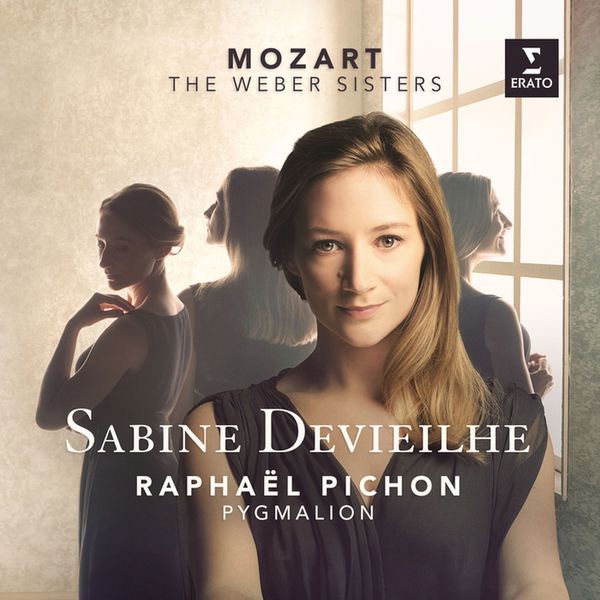
  1. Mozart: The Weber Sisters
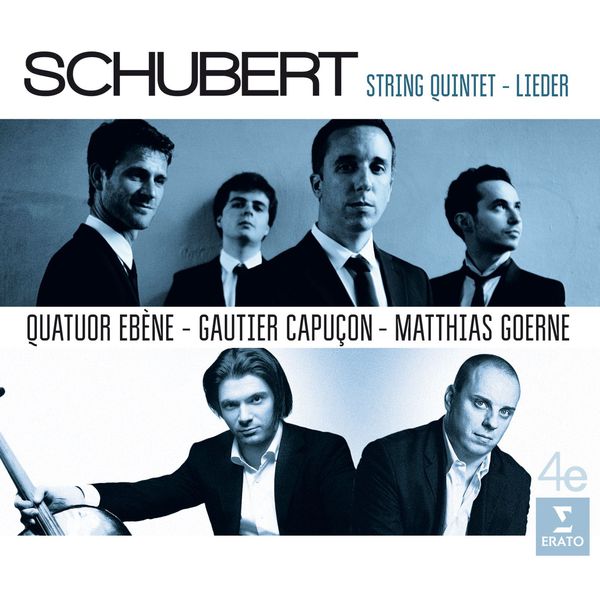
  2. Schubert: String Quintet
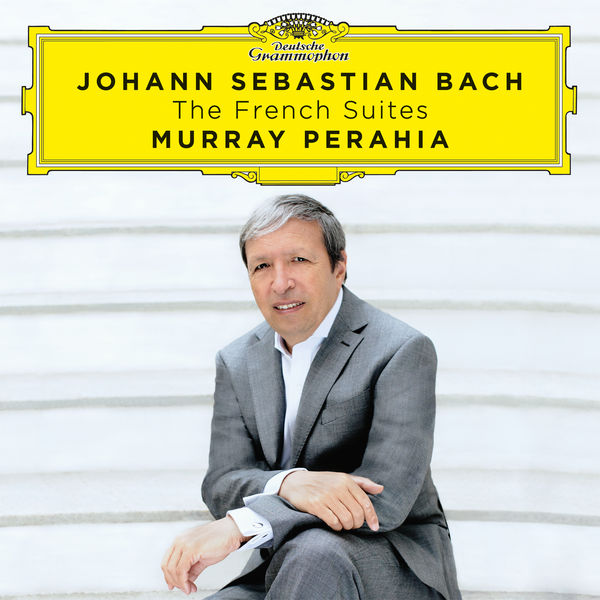
  3. Bach: French Suites
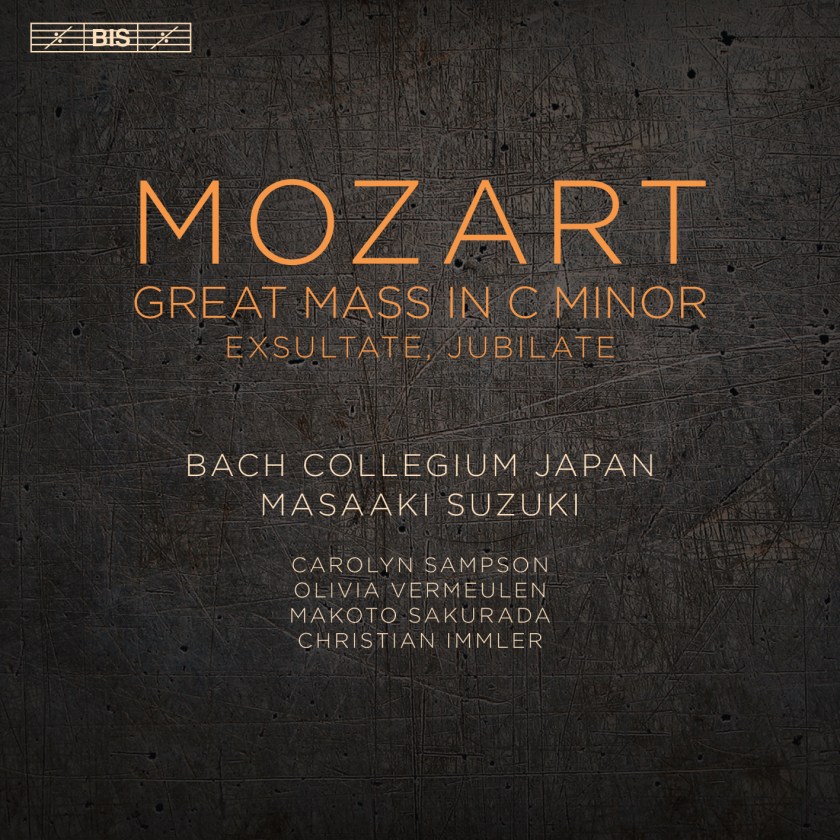
  4. Mozart: Mass in C-minor
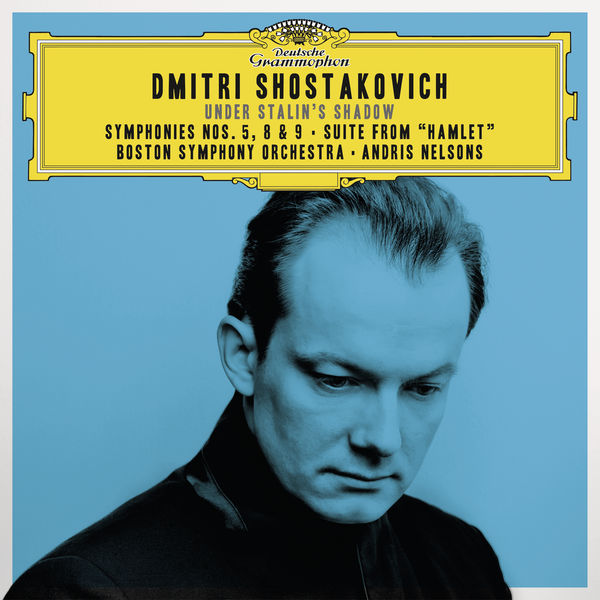
  5. Shostakovich: Symphonies No. 5, 8, and 9

Again, as all my reviews, this list is very subjective, and not only based on the performance itself, but how much fun I have listening to you.

Bach: French Suites – Murray Perahia

Johann Sebastian Bach: The French Suites - Murray Perahia (24/96) Deutsche Grammophon 2016

Perahia this year not only made it into my list of top 10 pianists (yes, yet another list), he is the only baroque album of 2016 onto this particular list.

A fantastic album (see my full review here), getting the well deserved Gramophone Editor’s Choice.

Mozart: Great Mass in C-Minor – Masaaki Suzuki 

Mozart appears twice in my top 5 list this year, this is not on purpose, but a very happy circumstance. The playing of Mozart has evolved so much since the days of big orchestral Karajan, historically informed practice really has given us so many new insights into Mozart. Here we have two excellent examples.

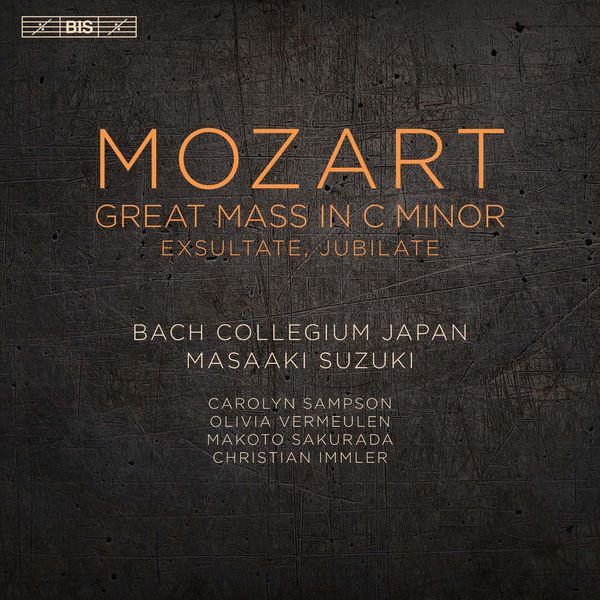
Mozart: Great Mass in C-Minor Exsultate Jubilate Masaaki Suzuki Bach Collegium Japan BIS 2016 24/96

Suzuki’s excellent new recording of the amazing C-minor Mass really is good enough to justify it’s place on this list. You’ll find my review here. Suzuki’s often very clean style doesn’t always convince me, but here we really have a winner.

Mozart: The Weber Sisters – Sabine Devielhe

Mozart: The Weber Sisters Sabine Devielhe Raphael Pichon Pgymalion Erato 2015

Technically, this is an album that was released in November 2015 and I reviewed it last December. But I reviewed it after my Top 5 classical albums of 2015, so I it deserves to be highlighted here as well.

This is Mozart singing as beautiful as it gets. It’s a bit of a “concept album”, based on Mozart’s wife Constanze Weber, and her sisters. But honestly, you don’t need the booklet here to enjoy a voice that touches your heart directly.

Schubert: String Quintet – Quatuor Ebène & Gautier Capuçon

Schubert String Quintet - Lieder - Quatuor Ebène - Gautier Capuçon - Matthias Goerne ERATO 2016

As reviewed here, this is one of the best versions ever of the absolute masterpiece that is Schubert String Quintet. It was one of the Gramophone Award nominees in it’s category, I have no idea why it didn’t win.

Shostakovich: Symphonies No. 5, 8 and 9 – Andris Nelsons

Shostakovich: Symphonies Nos. 5, 8 & 9 - Andris Nelsons - Boston Symphony Orchestra

I didn’t have time yet to write a formal review about this album.

As mentioned previously, I don’t often venture into 20th century music.

This album however, is really worth it. Shostakovich 5 and 9 are probably among the most approachable symphonies from the Russian genius, and these are so well played here by Nelsons in extremely engaging live recordings with the BSO.

My rating: 5 stars

So now it’s your turn

Do you agree, disagree? Anything I’ve missed? Anything that shouldn’t be on there? Please tell me in the comments!

You can find the albums here:

Bach Perahia:  here (Qobuz)

Mozart Great Mass: here (eclassical)

Mozart: the Weber Sisters: here (Qobuz) and here (Acoustic Sounds)

Schubert: here (Qobuz) and here (Prestoclassical)

Shostakovich: here (Qobuz) and here (Prostudiomasters)

Another Disappointing New Release by Seong-Jin Cho

Seong-Jin Cho

Cho is the winner of last years Warsaw Chopin competition, that in the past used to launch piano legends, e.g. Krystian Zimerman, or Martha Argerich.

However, in my previous review of his debut recording, I already was quite surprised by the choice of last years jury.

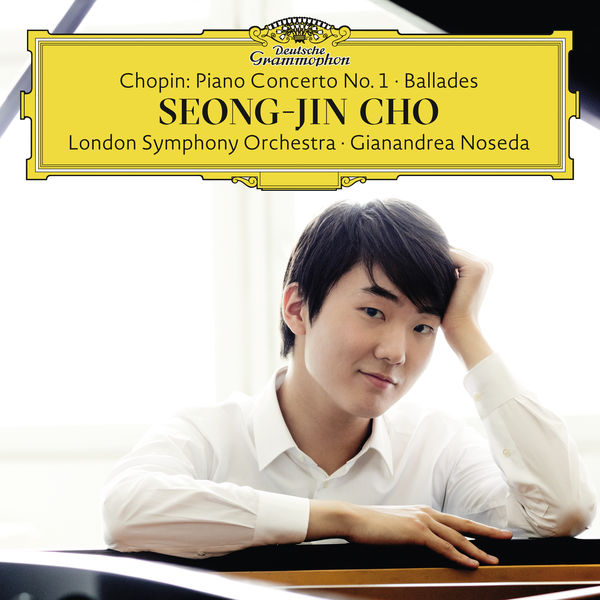
And unfortunately, his latest release, a full Chopin album with the piano concerto no. 1 and the ballades, confirms my disappointment.

Chopin: Piano Concerto No. 1 / Ballades – Seong-Jin Cho (Deutsche Grammophon 2016)

Let’s start with the good part. Piano concerto no. 1 is an overall convincing performance. He uses a lot of rubato, which I really like in Chopin, the brilliant parts are brilliant as expected, but the slower parts also get a well reflected treatment.

We are clearly not yet beating Zimerman’s both recordings on Deutsche Grammophon, but at least this is interesting and worth listening to.

The LSO under Gianandrea Noseda are a quite powerful partner. Let’s face it, the Chopin piano concertos aren’t the most satisfying material for orchestras, they often are nothing more than “background” for the soloist. But their playing here cannot be faulted.

Chopin: PIano Concerto No. 1 / Ballades Seong-Jin Cho, London Symphony Orchestra, Giandandrea Noseda Deutsche Grammophon 2016 24/96

The Ballades

The Chopin ballades are just amazingly beautiful. My favorite version is again, Zimerman, as already featured in my Top 10 Classical Pianists posts. Another favorite of mine, Murray Perahia, is also exceptional.

Getting to Cho, something is just wrong. The slow parts are often just plain boring, I can’t even fully put my finger on it.

When it gets fast, like after 2 min into Ballade No. 2 he becomes impressive, but more technically than musically, unfortunately.

It is very clear that Cho has amazing technical reserves that are barely even challenged here in these works. Maybe he would be perfect for Liszt, but here in the simple ballades, what you really need are nuances, and these are missing to my simple ear.

It pains my heart writing this, but I don’t think Cho is up there with his peers from previous competitions.

Let me know what you think, do you agree? Disagree? Think I’m completely nuts? Please share your comments.

My rating: 3 stars

You can find it here (Qobuz) and here (HDTracks)
UPDATE January 5, 2016: By now, some other reviewers have had more positive opinions than me about this album, I’d say the general consensus is around 4 stars. Doesn’t change my personal rating but I wanted to flag this to ensure you get a balanced view.


Mozart’s C-minor Mass: A New Reference by Masaaki Suzuki

Masaaki Suzuki and the Bach Collegium Japan

Can a Japanese ensemble play Bach? Of course they can, and even at an astonishing level.

I’ve yet to hear a recording with Suzuki and his Bach collegium Japan that wasn’t worth checking out at least.

The only thing you can sometimes say about their recordings is that they can be a bit too polished, too perfectionist, and therefore a bit too well behaved.

Moving from Bach to Mozart, they already released a quite beautiful recording of the requiem in 2014.

The C-Minor Mass

I’ve written previously about this absolute masterpiece by Mozart, and recommended Louis Langrées version, and Herreweghe’s classic. This recommendation is still valid,  however, the Japanese really throw in a new very serious competitor.

Mozart: Great Mass in c-minor / Exsultate Jubilate – Masaaki Suzuki – Bach Collegium Japan –  Carolyn Sampson – Olivia Vermeulen – Makoto Sakurata – Christian Immler (BIS 2016)

What is spectacular about this album is the sheer transparency. The typical precision of the Bach Collegium really helps illuminate every little detail in the recording.

The typical outstanding recording quality by BIS obvously helps.

Mozart: Great Mass in C Minor Exsultate Jubliate Bach Collegium Japan Masaaki Suzuki Carolyn Sampson Olivia Vermeulen Makoto Sakurada Christian Immler

This really draws you into the work, and makes it sound like something new, that you’ve never heard before.

Of the two female singers, while I like Olivia Vermeulen, Carolyn Sampson is even more gorgeous. Listen to her in the Et Incarnatus Est, and it really will make you cry. Such a beauty!

The Exsultate Jubilate K165 in contrast is nice, but clearly a work of a very young Mozart (he was 17 when he wrote it). You won’t regret getting it, but we’re far away from the masterpiece that is the K427.

In summary, will this kick Herrweghe off the throne? Well, not exactly, but in my opinion he gets to share the top position from now on.

Check it out!

My rating: 5 stars

You can find it here (eclassical)

UPDATE December 2, 2016: In the latest December issue, Gramophone agrees, giving it an Editor’s Choice and calling it one of the best period instrument choices.

Murray Perahia’s French Suites – A Must Have

Japanese Art – Ukiyo-e

I must admit while I feel at least somehow reasonably comfortable with my understanding of Western art and paintings, I’m pretty ignorant when it gets to Japanese art.

Nevertheless, Bach’s music often reminded me of the the abstracted image I have in my head of Japanese art (mainly the Ukiyo-e style) often depicting landscapes, with delicate details of trees and flowers.

Why am I writing this here? Well, the latest recording by Murray Perahia makes me permanently think of this. These Japanese artworks often are woodblock prints. This essentially woks by chiseling away wood around the outlines of the drawing.

Murray Perahia’s French Suites

Well, in a way, that is exactly how I hear Perahia play these little miniature gems that are the French suites. He chisels away all everything superfluous and only leaves you with the outlines, and what remains is something of outstanding beauty.

Johann Sebastian Bach: The French Suites - Murray Perahia (24/96) Deutsche Grammophon 2016

My first encounter, as so often with Bach, was via the Glenn Gould recordings, and I also had the version by Keith Jarrett for a long time. Since then I’ve added about 3-4 other versions to my collection.

However, this really is the new star for me. I’ve listed Perahia in my Top 10 Favorite Classical Pianists post, especially for his Bach (his Goldberg are among my absolute best versions there are out there).

And here again, he doesn’t disappoint. This is intellectual and emotional at the same time, something which is sometimes hard to achieve with Bach’s keyboard music, as artists tend to focus either on one or the other.

Here’s the official trailer so you get an idea what to expect:

By the way, Gramophone agrees and has listed this as their “Editor’s Choice” for their November issue. Classica is also globally positive,  giving 4 stars (the highest rating below the CHOC, their equivalent of a five star).

No hesitation on my side however:

My rating: 5 stars

You can find it here (Qobuz) and here (Prostudiomasters).

UPDATE Nov 29: if you need any further reassurance: French magazine Diapason has given this album it’s highest rating, the Diapason d’or, in the November issue. And it was named “recording of the month” by BBC Music magazine.

Classical Life

A classical music blog by music critic Tim Mangan

This Week's Music

Making Classical Accessible

From my Macbook to the Net

Evaporation of my thoughts and observations

Elestra

Author: Artienne

My Life in Music

Playing, Singing and Listening

ArsX3

A brand new journal reviewing books, cinema, music

LawrenceEz's Blog

Creative and Performing Arts: Writing, Classical Music, Photography

Laetitia Strauch-Bonart

Contemporary Politics & Culture

sibling revelry

reveling in all things classical

It's A Raggy Waltz

I collect jazz on vinyl, I dig the Dave Brubeck Quartet, & I write about it

La Musica

By two cousins

thejazzbreakfast

Dishing it out from the heart of England

only jazz

random thoughts about music that matters to me

The Culture Project

Exploring the world of literature, wine, art, music and more.

René Spencer Saller

The music causes me to dream of fabulous empires, filled with fabulous sins.

Breaking Baroque

Blog of Tafelmusik Baroque Orchestra and Chamber Choir

Tasting Nirvana

Eating your Dosha

Shadow of Iris

Poetry, fiction, short stories, more ...

The Immortal Jukebox

A Blog about Music and Popular Culture

April Greene

Writer + Editor

a pianist's musings

A history of your favorite classical music.

Classical music for all

Boris Giltburg's blog

I HEAR VOICES

An orchestra seat in the web space